
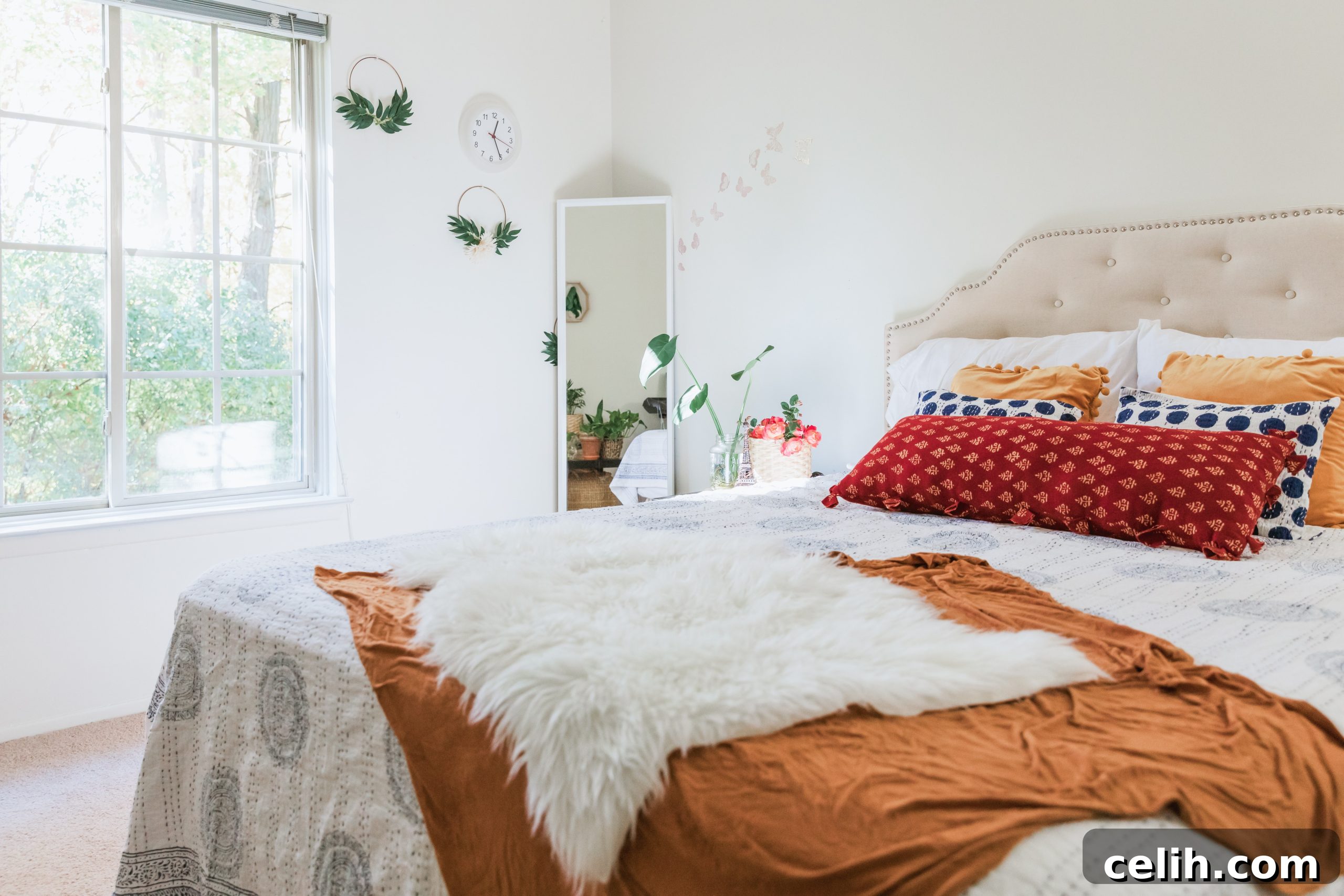
Summer evokes images of sun-drenched days, outdoor adventures, and blissful relaxation. Yet, as temperatures rise, the serene comfort of your bedroom can quickly turn into an uncomfortable sauna, making restful sleep a distant dream. This season of warmth shouldn’t compromise your sleep quality. The secret to staying cool, comfortable, and deeply relaxed through those long, hot summer nights often lies in a surprisingly simple choice: your bed linen.
Selecting the right bed sheets can transform your sleeping experience, allowing your body to regulate its temperature naturally and whisk away moisture, leaving you feeling fresh and cool until morning. This comprehensive guide will explore the ultimate choices for summer bed linen, delving into fabrics known for their exceptional breathability, cooling properties, and luxurious comfort. Get ready to discover how to craft the perfect sleep sanctuary that embraces the summer heat rather than battles against it, ensuring every night is a restorative escape.
Understanding Bed Linen: More Than Just Sheets
Before we dive into the specifics of summer comfort, let’s clarify what “bed linen” encompasses. Broadly, bed linen refers to the fabrics used to cover and decorate your bed, including sheets (fitted and flat), pillowcases, duvet covers, and sometimes blankets or quilts. These items are essential not only for personal comfort but also for protecting your mattress and pillows from wear, tear, and everyday spills, extending their lifespan and maintaining hygiene.
The choice of bed linen plays a significant role in your overall sleep hygiene and quality. It provides a tactile layer that can either soothe you into slumber or keep you tossing and turning. Beyond mere aesthetics, the material, weave, and construction of your bed linen directly impact temperature regulation, moisture management, and overall comfort, making it a critical consideration for a truly refreshing night’s sleep, especially during warmer months.
The Quest for the Best Fabric: Staying Cool All Summer Long
The cornerstone of a comfortable summer sleep experience is selecting the right fabric. For hot weather, the goal is breathability and moisture-wicking capabilities, allowing air to circulate freely and sweat to evaporate efficiently. While personal preference plays a role, certain materials consistently outperform others in providing a cool and crisp feel. Let’s explore the top contenders for summer bed linen, each offering unique benefits for hot sleepers.
Cotton: The Timeless Champion of Comfort
Cotton remains an undisputed favorite for bed linen worldwide, and for good reason. Its natural fibers are soft, durable, and inherently breathable, making it an excellent choice for summer. However, not all cottons are created equal. For optimal summer comfort, consider these variations:
- Percale Cotton: Often described as crisp and matte, percale has a simple, one-yarn-over and one-yarn-under weave. This tight weave creates a lightweight, cool feel that’s perfect for warm nights, reminiscent of a freshly laundered dress shirt. It’s known for its breathability and gets softer with each wash, offering a classic hotel-like feel.
- Sateen Cotton: While luxurious and smooth, sateen has a tighter, four-over-one-under weave, giving it a subtle sheen and a silky drape. Though soft, it can sometimes feel warmer than percale due to its denser weave. For summer, if you prefer sateen, opt for lower thread counts or lighter weights to maximize breathability.
- Long-Staple Cotton (Egyptian, Pima, Supima): These varieties boast longer fibers, resulting in stronger, smoother, and more durable yarns. They pill less, feel softer, and maintain their quality over time. While they can be an investment, their superior quality often means better breathability and longevity.
Cotton’s natural moisture-wicking properties also help to draw sweat away from your body, contributing to a drier, more comfortable sleep environment. It’s also hypoallergenic, making it a safe choice for those with sensitive skin or allergies.
Linen: Nature’s Thermoregulator
Derived from the flax plant, linen is a highly prized fabric for summer bedding, celebrated for its unique thermoregulating capabilities. Unlike cotton, linen fibers are thicker and woven into a looser structure, allowing for exceptional airflow. This natural ventilation helps dissipate body heat and circulate cool air, making linen feel wonderfully cool and fresh against the skin, even on the hottest nights.
Linen is also incredibly absorbent and quick-drying, making it a superior choice for wicking away moisture without feeling damp. Its distinctive texture, which softens beautifully with every wash, creates a relaxed, slightly rumpled aesthetic that is both elegant and effortlessly chic. While often a greater initial investment than cotton, linen’s exceptional durability means it can last for decades, becoming more comfortable and beloved with age. It’s an investment in enduring comfort and timeless style.
Tencel™ Lyocell: The Eco-Friendly Cooling Sensation
Tencel™ Lyocell is a modern marvel in bedding fabrics, known for its incredible softness, breathability, and eco-friendly production process. Made from sustainably sourced wood pulp (typically eucalyptus), Tencel™ fibers are exceptionally smooth, giving the fabric a silken feel that rivals high-end cottons. Its advanced moisture-wicking properties are often cited as being superior to cotton, actively absorbing and releasing moisture to keep you dry and cool throughout the night.
Tencel™ is also naturally hypoallergenic and resistant to bacteria growth, making it an excellent choice for allergy sufferers and those seeking a cleaner sleep environment. Its natural coolness and silky drape make it a fantastic option for luxurious summer bedding, providing a refreshingly smooth touch without the weight. Many find Tencel™ to be an ideal mid-range option, offering a premium feel without the premium price tag of silk.
Bamboo: Silky Smooth and Sustainable
Bamboo fabric, specifically bamboo rayon or bamboo lyocell, has gained popularity for its sustainability and exceptional comfort. Like Tencel™, bamboo is incredibly soft, often described as having a buttery or cashmere-like feel. Its fibers are naturally porous and hollow, contributing to excellent breathability and thermoregulation. This means bamboo sheets can keep you cool in summer and surprisingly warm in winter, adapting to your body’s needs.
Bamboo is also highly effective at wicking moisture away from the skin, preventing that clammy feeling on hot nights. Furthermore, it possesses natural antibacterial and hypoallergenic properties, which can be beneficial for sensitive skin and allergy sufferers. For those seeking a sustainable, silky-smooth, and naturally cooling option, bamboo bed linen is a superb choice.
Silk: The Epitome of Luxury and Comfort
Often considered the pinnacle of luxury, silk bedding offers a unique blend of comfort and elegance that can be surprisingly beneficial for summer. Silk is a natural protein fiber known for its incredibly smooth texture, which reduces friction against skin and hair. Beyond its luxurious feel, silk is an excellent thermoregulator. It helps maintain a comfortable body temperature by allowing air to circulate while also wicking away moisture effectively.
Despite its delicate appearance, high-quality mulberry silk is surprisingly durable. It’s also naturally hypoallergenic and resistant to dust mites, making it an ideal choice for those with allergies or sensitive skin. While silk sheets come with a higher price tag, their unparalleled smoothness, natural cooling, and skin-friendly properties make them a worthwhile investment for a truly indulgent summer sleep experience.
Polyester: A Budget-Friendly but Less Ideal Summer Option
Polyester is a synthetic fabric often used in bed linen due to its durability, wrinkle resistance, and affordability. While these qualities make it attractive for certain applications, polyester is generally not recommended for summer bedding. Its synthetic fibers tend to trap heat and are less breathable than natural fabrics like cotton or linen. This can lead to increased sweating and discomfort on hot nights, making it difficult to maintain a cool body temperature.
While some specialized polyester blends or microfibers claim to have cooling properties, they often cannot match the natural breathability and moisture-wicking capabilities of plant-based fibers. If budget is a primary concern, a low-thread-count percale cotton would be a significantly better choice for summer comfort than most polyester options.
The Truth About Thread Count for Summer Bed Linen
Thread count, often touted as the ultimate indicator of quality, refers to the number of threads woven into one square inch of fabric. While a higher thread count generally implies a denser, softer fabric, it’s not the sole or even primary factor for summer bedding.
For summer, breathability is paramount. Extremely high thread counts (e.g., above 600-800) can sometimes indicate a very dense weave that might trap heat, regardless of the fiber type. For cotton, a thread count between 200 and 400 is often ideal for summer sheets, especially in a percale weave, offering a good balance of softness, durability, and essential breathability. For linen, thread count is less relevant due to its naturally thicker fibers and looser weave; focus more on weight and the quality of the flax. For Tencel™ and bamboo, a thread count of 300-500 usually provides optimal softness and cooling properties.
Ultimately, the type of fiber and the weave pattern often contribute more to summer comfort than an exceptionally high thread count. Prioritize material and weave over an inflated number for truly cool and comfortable summer nights.
Key Factors for Choosing the Ideal Summer Bed Linen
Beyond fabric type and thread count, several other considerations will guide you to your perfect summer bedding:
- Weave: As discussed, percale weave is generally superior for summer due to its crisp, breathable nature. Sateen, while soft, can feel warmer.
- Breathability: This is non-negotiable. Look for fabrics that allow air to flow freely, preventing heat buildup.
- Moisture-Wicking: The ability of a fabric to draw sweat away from your body and allow it to evaporate is crucial for staying dry and comfortable.
- Softness vs. Crispness: Do you prefer the crisp, cool feel of percale or linen, or the silky smoothness of Tencel™ or bamboo? Personal preference matters here.
- Durability: Summer sheets will likely be washed more frequently. Choose fabrics known for their longevity, such as long-staple cotton or linen.
- Hypoallergenic Properties: For those with allergies, natural fibers like cotton, linen, Tencel™, bamboo, and silk are generally excellent choices.
- Color: Lighter colors (white, pastels) tend to reflect light and heat, contributing to a cooler visual and actual feel in the bedroom, compared to darker hues that absorb heat.
By considering these factors holistically, you can make an informed decision that caters to your specific needs and ensures a truly refreshing sleep environment throughout the summer.
Maintaining Your Summer Sanctuary: Bed Linen Care Tips
Proper care is essential to preserve the quality, comfort, and longevity of your summer bed linen. Following these guidelines will help keep your sheets feeling fresh, cool, and soft season after season:
- Wash Regularly: Especially in summer, sheets can accumulate sweat and body oils. Wash your bed linen every one to two weeks, or more frequently if you sweat heavily.
- Cold or Lukewarm Water: Always wash in cold or lukewarm water on a gentle cycle. Hot water can damage fibers, cause shrinkage, and fade colors, particularly with natural fabrics.
- Mild Detergent: Use a gentle, pH-neutral detergent. Avoid harsh chemicals or excessive amounts of detergent, which can leave residue and stiffen fabrics.
- Skip the Bleach: Bleach can weaken natural fibers and cause yellowing over time. For white sheets, use oxygen-based brighteners if needed.
- Avoid Fabric Softener: While tempting, fabric softeners can coat fibers, reducing their breathability and moisture-wicking capabilities, which defeats the purpose of summer bedding. Natural alternatives like white vinegar can soften without residue.
- Line Dry or Low Heat Tumble Dry: Air drying is ideal for preserving fabric integrity and freshness. If tumble drying, use the lowest heat setting and remove sheets promptly to prevent wrinkles and heat damage. High heat can cause shrinkage and break down fibers.
- Ironing (Optional): Linen naturally wrinkles, adding to its charm. For a crisper look, iron while slightly damp on a medium setting. Cotton, Tencel™, and bamboo generally require less ironing.
- Storage: Store clean, dry bed linen in a cool, dry place. Breathable storage bags are preferable to plastic containers, which can trap moisture.
By investing a little extra care, your chosen summer bed linen will continue to provide you with cool, comfortable, and rejuvenating sleep for many summers to come.
The Benefits of Investing in Quality Summer Bed Linen
Choosing the right bed linen for summer is more than just a matter of comfort; it’s an investment in your overall well-being. Quality summer bedding offers a myriad of benefits that extend far beyond simply staying cool:
- Improved Sleep Quality: When your body can maintain an optimal temperature, you experience fewer sleep disturbances, leading to deeper, more restorative sleep cycles.
- Enhanced Mood and Energy: A good night’s sleep directly translates to better mood, increased energy levels, and improved cognitive function throughout the day.
- Better Skin Health: Breathable fabrics prevent excessive sweating, which can lead to skin irritation and breakouts. They also reduce the risk of clamminess and provide a cleaner sleep surface.
- Reduced Night Sweats: For those prone to night sweats, moisture-wicking fabrics can make a significant difference, helping to keep you dry and comfortable.
- Durability and Longevity: High-quality fabrics like linen and long-staple cotton are built to last, enduring numerous washes and maintaining their comfort and appearance over time, making them a sustainable choice.
- Aesthetic Appeal: Beautifully crafted bed linen elevates the look and feel of your bedroom, transforming it into a luxurious retreat that invites relaxation.
Ultimately, prioritizing quality summer bed linen means prioritizing your health, comfort, and happiness. It’s a simple change that can yield profound positive effects on your daily life.
Final Thoughts: Embrace a Cooler Summer Sleep
Navigating the world of bed linen, especially for the unique demands of summer, can seem daunting. However, by focusing on key characteristics like fabric type, weave, breathability, and moisture-wicking capabilities, you can confidently select the perfect bedding to transform your sleep experience. Whether you lean towards the crispness of percale cotton, the natural cooling power of linen, or the silky smoothness of Tencel™ or bamboo, there’s an ideal solution waiting to provide you with ultimate comfort.
Remember, your bed is your sanctuary, and during the warmer months, it should be a haven of coolness and tranquility. Invest in high-quality summer bed linen, care for it properly, and prepare to enjoy blissful, uninterrupted sleep, allowing you to fully embrace and recover from the vibrant days of summer.