
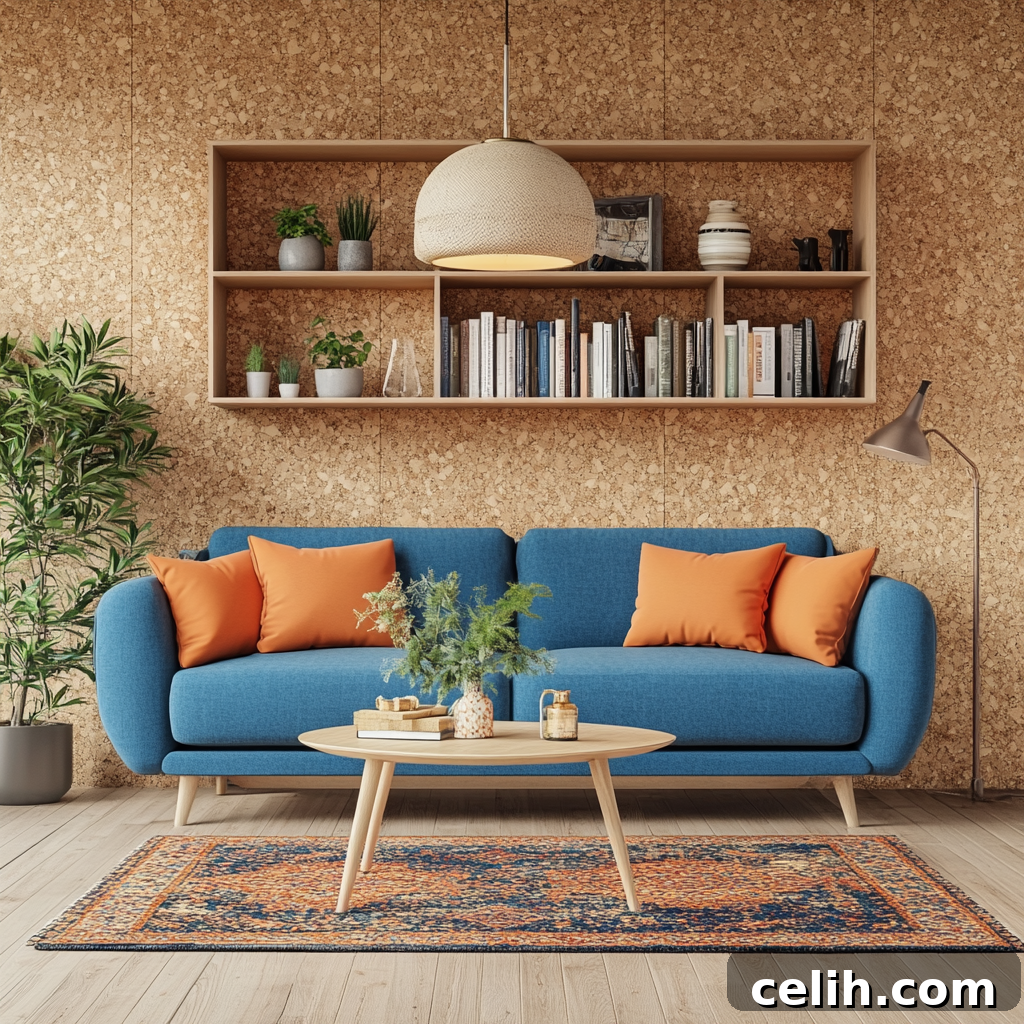
If you’ve long associated cork solely with the stoppers in your favorite wine bottles or humble office bulletin boards, prepare to have your perceptions delightfully challenged. This extraordinary material, celebrated for its unique honeycomb structure, is currently experiencing a significant resurgence, carving out a prominent niche in the realms of interior design and sustainable construction. Cork-based building materials are swiftly becoming the preferred choice for modern home improvements and eco-conscious renovations, captivating homeowners and designers alike. But what precisely elevates cork to such a coveted status for both floors and walls? And how can you seamlessly integrate this versatile material into your own living spaces, ensuring it is both effortlessly stylish and remarkably practical?
Gather your design inspiration and join us as we embark on a journey to explore the wonderfully warm, incredibly durable, and genuinely eco-friendly world of cork for floors and walls.
Why Cork? A Sustainable Marvel from Nature
At its core, cork is a marvel of natural engineering, harvested from the bark of the cork oak tree (Quercus suber). These magnificent trees predominantly thrive in the Mediterranean climate, with Portugal standing as the undisputed global leader in cork production. What makes cork truly exceptional from an environmental standpoint is its harvesting process: the bark is carefully stripped from the tree, a practice that causes no harm. In fact, the cork oak tree regenerates its bark over time, typically every 9 to 12 years, making cork an undeniably renewable and highly sustainable resource. This unique regenerative cycle positions cork as one of the most eco-friendly and responsible materials available on the market today.
Beyond its impeccable green credentials, cork offers an impressive array of inherent benefits. The material is naturally resistant to mold, mildew, and common household pests, making it an excellent choice for maintaining a healthy indoor environment. It’s also hypoallergenic, a significant advantage for those with allergies or sensitivities, and possesses natural fire-retardant properties, enhancing home safety. Furthermore, cork boasts remarkable insulating qualities, helping to regulate indoor temperatures and reduce energy consumption. Perhaps one of its most cherished attributes is its distinctive softness and springiness underfoot, providing an unparalleled level of comfort that is a huge boon for families with children, pet owners, or anyone who spends extended periods on their feet. When these practical advantages are combined with its unique aesthetic—characterized by warm, earthy tones and a subtle, inviting texture—it’s abundantly clear why cork is enjoying such a serious and well-deserved moment in contemporary design.
For those eager to delve into the vast possibilities of cork design, an excellent starting point is Portuguese Treasures. This specialist company offers an extensive and curated range of cork wall and floor products, alongside complementary home accessories, all available in a diverse spectrum of designs and finishes. Whether your design preference leans towards rustic charm or sleek modernity, their comprehensive collections beautifully showcase the true versatility, enduring beauty, and functional superiority of cork.
Cork Floors: Unrivaled Durability, Cushioned Comfort, and Acoustic Serenity
One of cork’s most compelling selling points for flooring applications is its exceptional durability. Despite its lightweight nature and soft touch, cork is impressively hardwearing and resilient. Its unique closed-cell, honeycomb structure allows it to compress and rebound, meaning cork floors can withstand considerable foot traffic without succumbing to dents, scratches, or cracks as readily as many other materials. This inherent resilience makes it an ideal flooring solution for high-use areas within the home, such as bustling kitchens, busy hallways, vibrant living rooms, and even playrooms where durability is paramount.
Moreover, cork’s natural cushioning effect provides a noticeably softer and more comfortable surface to stand on for extended periods, a stark contrast to the unforgiving hardness of tile or traditional hardwood. This ergonomic benefit is particularly appreciated in kitchens where much time is spent cooking or doing dishes, significantly reducing strain on joints and feet. Beyond physical comfort, cork floors are also remarkably quiet, acting as a natural sound absorber. They effectively dampen ambient noise and reduce impact sounds, transforming busy households or multi-story buildings into havens of acoustic comfort. For apartment dwellers or homes with active families, cork can be a transformative element in creating a more peaceful and quiet living environment.
Another significant advantage? Cork floors are surprisingly easy to maintain, requiring minimal effort to keep them looking pristine. Regular sweeping or vacuuming, coupled with an occasional damp mop, is generally sufficient. With proper sealing, which enhances their protective layer against moisture, cork floors can even be confidently installed in moisture-prone areas like bathrooms and laundry rooms, providing both beauty and practicality. Different types of cork flooring are available, including glue-down tiles for maximum stability and floating click-lock planks for easier installation, offering flexibility for various project needs.
Cork Walls: Adding Texture, Warmth, and Superior Acoustic Performance
Walls clad in cork? Absolutely! Cork wall panels are steadily gaining traction in interior design, particularly among those aspiring to infuse their spaces with a cozy, tactile ambiance and an unmistakable touch of natural charm. Whether employed to create a dramatic full accent wall or strategically placed as a few panels to introduce visual interest, cork makes a profound style statement without ever feeling overwhelming. Its organic presence elevates a room’s character and offers a unique sensory experience.
The inherent variations in cork grain and tone bestow walls with a warm, organic aesthetic that is incredibly difficult to replicate using synthetic materials. The visual depth and natural imperfections contribute to a sense of authenticity and tranquility. And the benefits extend far beyond mere aesthetics—cork walls significantly contribute to improved indoor climate control by offering excellent thermal insulation, helping to maintain stable temperatures year-round. They also excel in soundproofing, absorbing sound waves and reducing echoes, making them especially valuable in home offices, media rooms, or children’s play areas where effective noise control is a practical necessity.
From a design perspective, cork wall panels are incredibly versatile, available in an extensive palette of finishes and patterns. Options range from classic earthy browns and natural textures to modern greys, white washes, and even vibrant colored or printed designs. This vast selection ensures that you can achieve virtually any desired look, whether your aim is sleek and contemporary minimalism or a rustic, naturalistic retreat.
Eco-Friendly and Ethical: A Conscientious Choice
It’s impossible to discuss the merits of cork without passionately highlighting its profound environmental benefits. As previously mentioned, cork is harvested without felling trees; instead, the bark is carefully peeled, allowing the tree to continue its life cycle and regenerate. Each cork oak can be harvested approximately every 9 to 12 years for an impressive lifespan of up to 200 years or more. This means a single cork oak can provide a sustainable source of material for many generations, yielding an incredible amount of flooring and wall coverings over its lifetime.
Furthermore, the cork industry plays a crucial role as a lifeline for numerous rural communities, particularly in Portugal and Spain. It provides stable, sustainable employment and safeguards centuries-old traditional harvesting methods, contributing significantly to local economies and cultural heritage. By making the conscious choice to incorporate cork into your home, you are not merely selecting an eco-conscious product; you are actively supporting a low-impact industry deeply rooted in sustainable practices and community welfare. Cork forests also act as vital carbon sinks, absorbing vast amounts of CO2 from the atmosphere and supporting biodiversity, including endangered species.
Adding to its environmental superiority, cork is entirely biodegradable and highly recyclable. Even the residual waste generated during the production process is often meticulously ground down and repurposed into other innovative cork products, closing the loop in a truly circular economy. This minimal waste approach underscores cork’s position as a leading material in responsible and sustainable design.
Designing with Cork: Where Natural Warmth Meets Contemporary Elegance
Now, let’s turn our attention to the aesthetic dimension. How can this remarkably versatile material be effectively woven into your interior design to create spaces that are both inviting and stylish?
- Scandi-Inspired Minimalism: Cork floors naturally complement the clean lines and understated elegance of Scandinavian design. Pair them with crisp white walls, light-toned wooden furniture, and abundant natural light. The soft, earthy brown tones of cork introduce an essential layer of warmth and texture without disrupting the serene, uncluttered aesthetic.
- Mid-Century Modern Cool: Cork enjoyed immense popularity during the 1960s and 70s, making it a perfect partner for retro silhouettes and the distinctive palette of mid-century modern design. Envision cork flooring alongside rich teak sideboards, vibrant mustard-yellow cushions, or a striking cork accent wall providing a textured backdrop to an iconic statement chair.
- Industrial Chic with a Soft Edge: To temper the inherent coolness of industrial aesthetics, integrate the raw, organic texture of cork walls. Combine them with elements like polished concrete floors, sleek metal accents, and exposed piping to create an industrial feel that is softened and made more inviting. Cork introduces a natural warmth that balances the often-stark nature of other industrial materials.
- Biophilic Design for Well-being: If your design philosophy leans towards nature-inspired interiors and promoting a sense of well-being, cork is an invaluable ally. Blend it seamlessly with an abundance of indoor plants, natural linen textiles, rattan furniture, and terracotta elements for a lush, earthy, and truly harmonious look that connects occupants with the natural world.
- Creative and Functional Workspaces: Cork walls in home offices or creative studios are not merely beautiful; they are incredibly practical. Utilize them as expansive, dynamic pinboards for inspiration and organization, or as sound-dampening panels that enhance focus and reduce distractions. They bring both superior function and undeniable flair to any workspace.
- Spa-Inspired Bathrooms with a Smart Twist: Yes, cork even finds its place in the bathroom, particularly in the form of bath mats – and they are a true game-changer. Unlike traditional fabric mats, cork bath mats are naturally water-resistant, remarkably quick-drying, and inherently anti-microbial. This means they effectively resist the growth of mold, mildew, and unpleasant odors, ensuring a fresher and more hygienic bathroom environment. Their slightly textured surface offers a secure, non-slip base, and they are incredibly simple to clean with just a quick wipe-down. Aesthetically, they introduce a calm, sophisticated natural touch to any bathroom, harmonizing beautifully with both stone and wood-effect finishes.
Whether adorning your floors, enhancing your walls, or adding a subtle yet impactful accent in your bathroom, cork’s unparalleled versatility ensures it can elevate and enrich virtually every room in your home.
Caring for Cork: Effortless Maintenance for Lasting Beauty
Maintaining the pristine condition of cork floors and walls is remarkably straightforward and refreshingly low-effort, allowing you more time to enjoy your beautiful spaces. For cork floors, it’s advisable to avoid excessive standing water; promptly wipe up spills to prevent potential damage. To protect against scratches and indentations from furniture, always use felt pads under table and chair legs. Many cork floors come pre-finished with durable sealants, but for optimal longevity and continued protection, re-sealing every few years, depending on traffic and product specifications, can significantly prolong its life and maintain its luster.
Cork walls are even lower maintenance, demanding minimal upkeep. A gentle wipe with a soft, damp cloth is usually all that’s needed to remove dust or minor marks. Unless your cork wall experiences frequent direct contact – for example, in a child’s playroom or a high-traffic hallway – it will require little attention beyond occasional dusting to retain its natural beauty and tactile appeal.
Cork in the Climate-Conscious Home: A Lifestyle Statement
In an era defined by a heightened global emphasis on sustainable living, environmental responsibility, and energy efficiency, cork has transcended its role as a mere design choice; it has evolved into a conscious lifestyle decision. It meticulously ticks every box for the eco-aware homeowner: it’s a rapidly renewable resource, fully recyclable, naturally insulating, and boasts an exceptionally low environmental impact throughout its lifecycle.
A growing number of homeowners are actively choosing cork to significantly reduce their carbon footprint without making any compromises on comfort, durability, or sophisticated style. In fact, installing cork flooring and wall coverings can actively contribute to superior indoor air quality. Unlike some synthetic materials that can off-gas harmful volatile organic compounds (VOCs) into your living space, cork is a natural material that contributes to a healthier, cleaner indoor environment for you and your family.
Final Thoughts: Worth the Hype? An Emphatic Yes.
While cork-based materials are by no means a new discovery, they are undoubtedly enjoying a well-deserved and vibrant revival in contemporary design. From their unimpeachable environmental credentials and a plethora of practical perks to their unique visual appeal and tactile warmth, cork floors and walls represent a supremely smart, stylish, and sustainable choice for today’s discerning homes.
Whether your plans involve a comprehensive renovation, a targeted room makeover, or simply the desire to infuse a space with natural charm and enhanced functionality, it would be a significant oversight to disregard this truly versatile wonder material. Cork is inherently warm, incredibly welcoming, aesthetically pleasing, and—dare we confidently declare—undeniably cool again.
So, the next time someone mentions cork, allow your imagination to stretch far beyond the traditional wine bottle stopper. Envision beautiful, comfortable floors, richly textured, sound-dampening walls, and a home that effortlessly harmonizes sophisticated style with unwavering sustainability.