
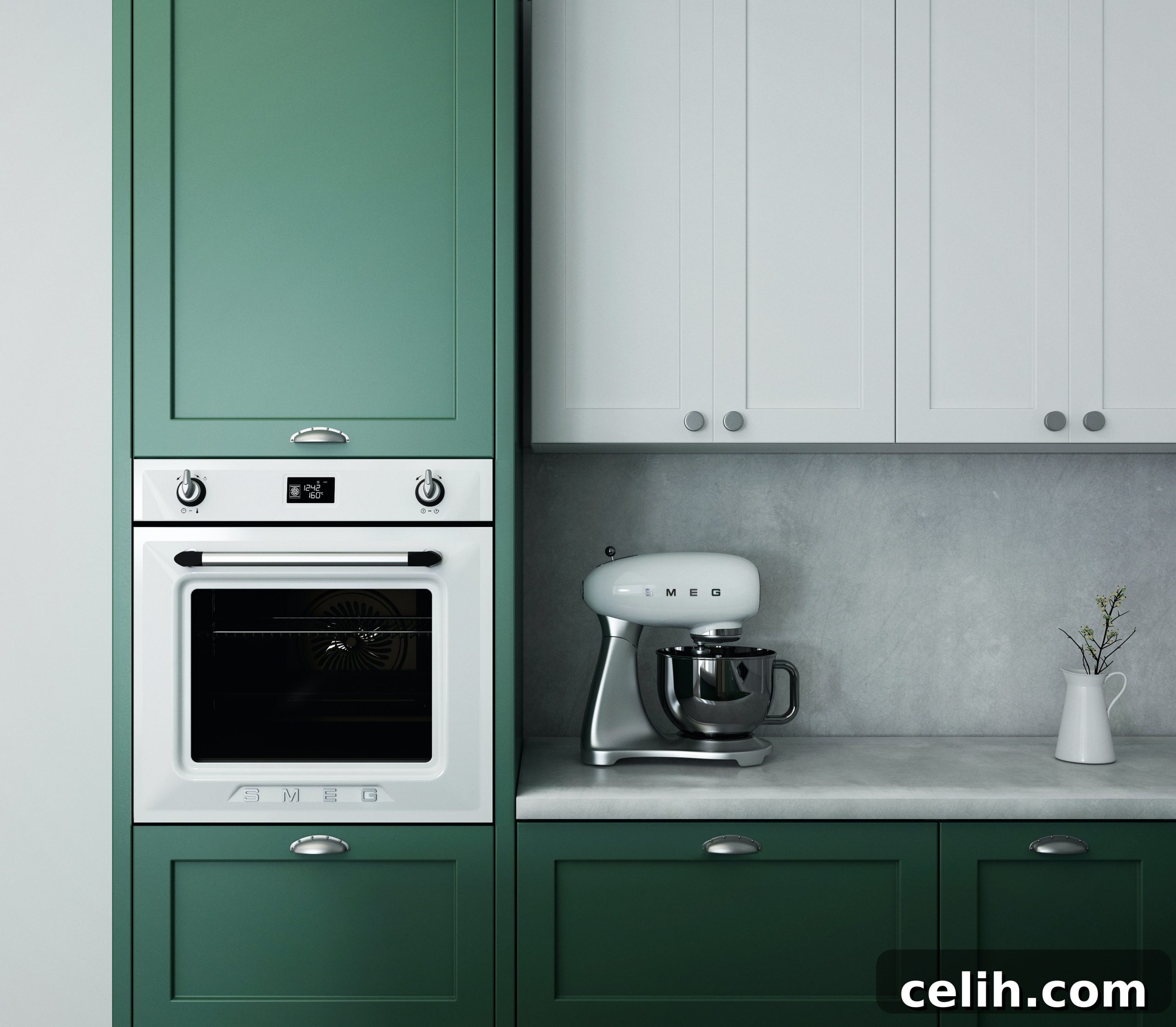
The kitchen has long been celebrated as the true heart of any home, a dynamic space where culinary creations come to life, families gather, and cherished memories are made. If you consider yourself a passionate cook or a gracious host, you likely dedicate countless hours to this central hub. Instead of treating your kitchen as merely a functional area, imagine transforming it into a haven of comfort, style, and warmth – a place where you genuinely love to spend time, whether whipping up a gourmet meal or simply enjoying a quiet cup of coffee. A thoughtful kitchen facelift goes beyond aesthetics; it encourages more entertaining, fosters relaxation, and ultimately makes your home feel more inviting and complete.
There’s a good reason why kitchens are undeniably considered the soul of the home. They are where nourishment is prepared, conversations flow, and bonds are strengthened. To elevate your kitchen from a utilitarian room to your favourite destination within the house, consider incorporating these transformative design suggestions. By focusing on these key elements, you can breathe new life into your space, making it not just aesthetically pleasing but also profoundly functional and wonderfully comfortable for everyone who enters.
Enhance Your Kitchen’s Ambiance and Functionality with Smart Lighting Choices
Lighting is arguably one of the most critical elements in any kitchen design. It dictates not only the aesthetic appeal but also the safety and efficiency of your culinary activities. A well-lit kitchen ensures you can safely handle sharp utensils and precisely measure ingredients, while carefully chosen ambient lighting can transform the space into an inviting retreat. The key is to create a multi-layered lighting scheme that serves various purposes throughout the day and evening.
Begin by prioritizing bright, focused task lighting in areas where precision and visibility are paramount. This includes overhead the hob, above your main work surfaces, and over the sink. Options like under-cabinet LED strips, recessed spotlights, or stylish pendant lights specifically designed for task illumination are ideal for these zones. These bright lights ensure that your food preparation areas are perfectly illuminated, minimizing shadows and maximizing safety. Consider LED options for energy efficiency and longevity, which can also provide excellent color rendering, making your food look even more appetizing.
Beyond task lighting, incorporate ambient lighting to provide general illumination for the entire room. Recessed lighting, flush-mount fixtures, or semi-flush mounts can distribute light evenly, preventing dark spots and creating a sense of openness. For added versatility, install dimmer switches on your ambient lights. This allows you to adjust the intensity, creating a bright, energetic atmosphere for cooking or a softer, more relaxed mood for dining or entertaining.
Finally, introduce accent lighting to highlight architectural features, artwork, or decorative elements, and to establish a cozy ambiance. Small table lamps on a console or shelving, decorative lanterns in corners, or even strategically placed LED strips can add warmth and depth. Pendant lights above a kitchen island or breakfast bar can serve as both task and accent lighting, becoming a focal point while providing functional illumination. By cleverly combining these layers of light – task, ambient, and accent – you effectively create two distinct zones within your kitchen: one optimized for efficient cooking and preparation, and another for seamless relaxation and enjoyable entertaining. This thoughtful approach to lighting not only enhances functionality but also significantly elevates the overall comfort and appeal of your kitchen.
Infuse Warmth and Personality: The Power of Rugs and Textiles in Kitchen Design
The notion that kitchens must always be painted sterile white and feature gleaming, hard floors is a dated one. While minimalist trends have their place, introducing rugs and textiles is a brilliant way to soften the often-hard and shiny surfaces integral to modern kitchen design. These elements aren’t just decorative; they add texture, warmth, and sound absorption, creating a far more inviting and comfortable environment. They can transform a cold, echoing space into a cozy haven, making it truly feel like an extension of your living areas.
Consider the impact of a well-placed rug. A runner rug can define a walkway in a narrow kitchen, adding a splash of color or pattern and providing a welcome cushion for your feet during long hours of cooking, especially during colder months. For kitchens with an island or a spacious prep area, a larger area rug can anchor the space, introducing a sense of coziness and protecting your floors from spills and wear. When choosing kitchen rugs, prioritize durability and ease of cleaning. Washable rugs made from synthetic fibers, cotton, or even jute blends are practical choices that stand up to the demands of a busy kitchen while still delivering on style. They can introduce a pop of vibrant color, a subtle texture, or a compelling pattern that reflects your personal taste.
Beyond rugs, textiles can be integrated in various ways. If your kitchen features built-in seating, a breakfast nook, or bar stools, enhance their comfort and visual appeal with soft sheepskin throws, plush cushions, or stylish seat pads. These additions not only make seating more snug and inviting but also provide an opportunity to introduce complementary colors and patterns, tying the kitchen’s aesthetic together. Choose fabrics that are durable and easy to maintain, such as outdoor-grade fabrics or washable cotton blends, ensuring they can withstand daily use.
Don’t overlook the potential of window treatments. Curtains, blinds, or Roman shades can add significant softness and texture to a kitchen. They offer privacy, control natural light, and serve as another avenue for introducing color and pattern. From delicate linen curtains that filter sunlight to bold patterned Roman blinds that make a statement, the right window dressing can dramatically alter the feel of your kitchen. Even smaller details, like a stack of stylish tea towels or decorative oven mitts, can contribute to the overall textile scheme, adding charm and functionality. By experimenting with these various rugs and textiles, you can transform your kitchen into a warm, inviting, and truly personalized space that is as comfortable as it is functional.
Injecting Personality: The Allure of Colourful Kitchen Cabinets
Just as the idea of sterile white floors is outdated, so is the notion that kitchen cabinets must adhere to a monotonous, hospital-like white. While white kitchens remain timeless and popular for their bright and airy feel, embracing a spectrum of colours for your cabinetry offers an incredible opportunity to infuse your kitchen with unique character, warmth, and personality. Colourful cabinets can instantly transform the entire mood of the room, turning it into a vibrant, cheerful, or sophisticated space that truly reflects your individual style.
Consider the psychological impact of different hues. A dose of summery yellow can bring an immediate sense of cheerfulness and energy, brightening even the darkest of mornings. Earthy greens, from muted sage to deep forest tones, connect your interior with nature, creating a calming and grounded atmosphere. For a touch of rich elegance, deep blues or charcoal greys offer a sophisticated backdrop, pairing beautifully with metallic accents and lighter countertops. And for those seeking a bold, inviting statement, autumnal reds or rich burgundies, especially in styles like classic Shaker kitchens, can provide enduring warmth and charm throughout every season. These colours add depth and a unique personality that can make your kitchen feel genuinely bespoke.
When selecting cabinet colors, think about the size of your kitchen and the amount of natural light it receives. Lighter colours tend to make small spaces feel larger and brighter, while deeper, richer tones can add a sense of luxury and coziness to more spacious kitchens. Don’t be afraid to experiment with a two-tone kitchen design, where upper and lower cabinets are painted in complementary colours, or where a kitchen island features a contrasting shade. This approach adds visual interest and can help define different zones within an open-plan living space. For instance, pairing soft grey lower cabinets with crisp white uppers, or a bold blue island against neutral perimeter cabinets, creates a dynamic yet harmonious look.
Beyond paint, consider the finishes – matte finishes offer a contemporary, sophisticated look that absorbs light, while high-gloss finishes reflect light, making a space feel larger and more modern. Even wood-grain cabinets can be stained in richer, warmer tones to move away from the stark white aesthetic without losing the natural beauty of wood. Ultimately, choosing colourful cabinets is about creating a kitchen that feels personal, inviting, and truly yours, allowing its unique personality to shine through all year round.
Personalizing Your Culinary Space: Decorating with Art, Greenery, and Thoughtful Accents
Regardless of its size or colour scheme, every kitchen benefits immensely from personal touches that infuse it with character and warmth. Decorating with artwork, plants, and thoughtful accessories transforms a functional space into a reflection of your personality and style, making it feel more like a living area and less like a workspace. These decorative elements are crucial for creating a truly inviting and cozy atmosphere that encourages lingering and enjoyment.
Artwork is a powerful tool for adding visual interest and character. Don’t limit art to other rooms in the house; the kitchen provides an excellent canvas. Fill in the often-overlooked gaps between worksurfaces and upper cabinets with smaller framed prints, vibrant culinary-themed pieces, or a collection of botanical illustrations. For blank walls, consider a larger statement piece that draws the eye as soon as you enter the room, or curate a gallery wall with a mix of photos, abstract art, and sentimental items. In a family home, displaying your children’s artwork prominently can add an unparalleled sense of charm and authenticity. Such validation will undoubtedly see them eagerly guiding every visitor to your cozy kitchen to proudly showcase their creations.
Candles are another essential element for creating ambiance. Beyond their visual appeal, scented candles can fill your kitchen with inviting aromas, from fresh citrus to warm vanilla, enhancing the sensory experience. Arrange candles in attractive holders on countertops, open shelving, or even as a centerpiece on your dining table or island. Dimmer switches on your lights combined with the soft glow of candles can instantly transition your kitchen from a bustling cooking space to a serene setting for a quiet evening meal or entertaining guests.
Introduce the vitality of nature with plants and greenery. Small potted herbs like basil, rosemary, or mint on a windowsill not only look beautiful but also provide fresh ingredients for your cooking. Larger potted plants can soften hard corners and bring a touch of the outdoors in, improving air quality and adding a refreshing visual element. Even a simple vase of fresh flowers can instantly uplift the mood of the entire kitchen, adding a splash of natural colour and fragrance.
Finally, consider functional decor that doubles as a display. Stylish cutting boards propped against a backsplash, unique utensil holders, beautifully designed storage jars for staples, or a collection of curated cookbooks on open shelves can all contribute to the overall aesthetic while remaining practical. These thoughtful accents, whether a cherished souvenir from a trip, a family heirloom, or simply items that bring you joy, are what truly personalize your kitchen, transforming it into a warm, lived-in space that truly feels like the heart of your home.