
Retirement marks a significant life transition, offering the opportunity to fully embrace personal interests and enjoy the comfort of your home. However, as we age, simple daily tasks that once required little thought can become more challenging, potentially leading to unnecessary strain or stress. This is precisely why considering home renovations tailored for retirement living is not just about aesthetics, but about enhancing comfort, safety, and overall functionality. The goal is to create a living space that supports your lifestyle, allowing you to “age in place” gracefully and independently, without having to relocate as needs change. While some renovation projects might be more extensive and costly than others, the long-term benefits of a home designed for ease and accessibility can be invaluable. This article will explore a range of thoughtful renovation ideas, from practical kitchen updates to smart home integrations, helping you weigh the pros and cons and decide which improvements will best serve your golden years.
Reimagine Your Kitchen for Effortless Living
The kitchen often serves as the heart of the home, a central hub for cooking, socializing, and daily routines. Updating this vital space to be more user-friendly can profoundly improve your daily life during retirement. A key focus should be on ergonomics and accessibility. Consider incorporating lower countertops, which can be particularly beneficial for those who prefer to sit while preparing meals or for individuals using wheelchairs. Adjustable-height countertops offer even greater flexibility, adapting to various needs. Installing pull-out shelving in cabinets, pantries, and under-sink areas eliminates the need to bend or reach deep, making items easily accessible. Lazy Susans in corner cabinets and drawers with full-extension glides further enhance convenience.
Beyond structural changes, selecting the right appliances is crucial for a senior-friendly kitchen. Many manufacturers now offer “senior-friendly appliances” designed with enhanced accessibility and ease of use in mind. Refrigerators might feature longer, easier-to-grip handles, French doors for better access, and superior interior lighting to improve visibility of contents. Cooktops with front-mounted controls eliminate reaching over hot surfaces, while induction cooktops offer precise temperature control and cool quickly, significantly reducing burn risks. Ovens with side-opening doors, larger digital displays, and easy-to-use timers that automatically shut off can be incredibly helpful, especially for those who might occasionally lose track of time or forget to turn off appliances. Other considerations include microwave drawers, which offer convenient access without lifting, and dishwashers positioned at a comfortable height to minimize bending. Furthermore, ensuring adequate, non-slip flooring and bright, even lighting, including under-cabinet task lighting, will enhance both safety and functionality in your revitalized kitchen.
Enhance Home Accessibility for Independent Living
As mobility can become a greater concern with age, ensuring your home is easily navigable and safe is paramount. Embracing universal design principles during renovations can transform your property into a truly accessible haven, allowing you to maintain your independence and comfort for years to come. Start by considering entry and exit points. Installing ramps with appropriate slopes and sturdy handrails at exterior doors can eliminate the challenge of steps. Inside, if your home has multiple floors, options like a stairlift or even a compact home elevator can restore full access to every level, preventing the need to limit your living to a single floor. These solutions can be integrated more subtly than you might imagine, blending seamlessly with your home’s decor.
Beyond vertical mobility, optimizing pathways throughout your home is essential. Widening doorways to at least 32 inches provides ample clearance for wheelchairs, walkers, or simply easier movement. Replacing traditional swinging doors with pocket doors or barn doors in tight spaces can also free up valuable floor area. Furthermore, modifying the overall layout to create clear, unobstructed routes through rooms, free from clutter and unnecessary furniture, will significantly improve navigation. Remove thresholds where possible or ensure they are low-profile to prevent tripping hazards. For flooring, opt for low-pile carpets, non-slip tiles, or hardwood with appropriate finishes to reduce fall risks. Installing grab bars in strategic locations, particularly near stairs or long hallways, can provide extra support and security. While some may initially perceive accessibility features as a source of embarrassment, modern designs often allow for integration that is both functional and aesthetically pleasing, emphasizing a proactive approach to safe and comfortable aging in place rather than reacting to a crisis.
Redesign Your Bathroom for Safety and Comfort
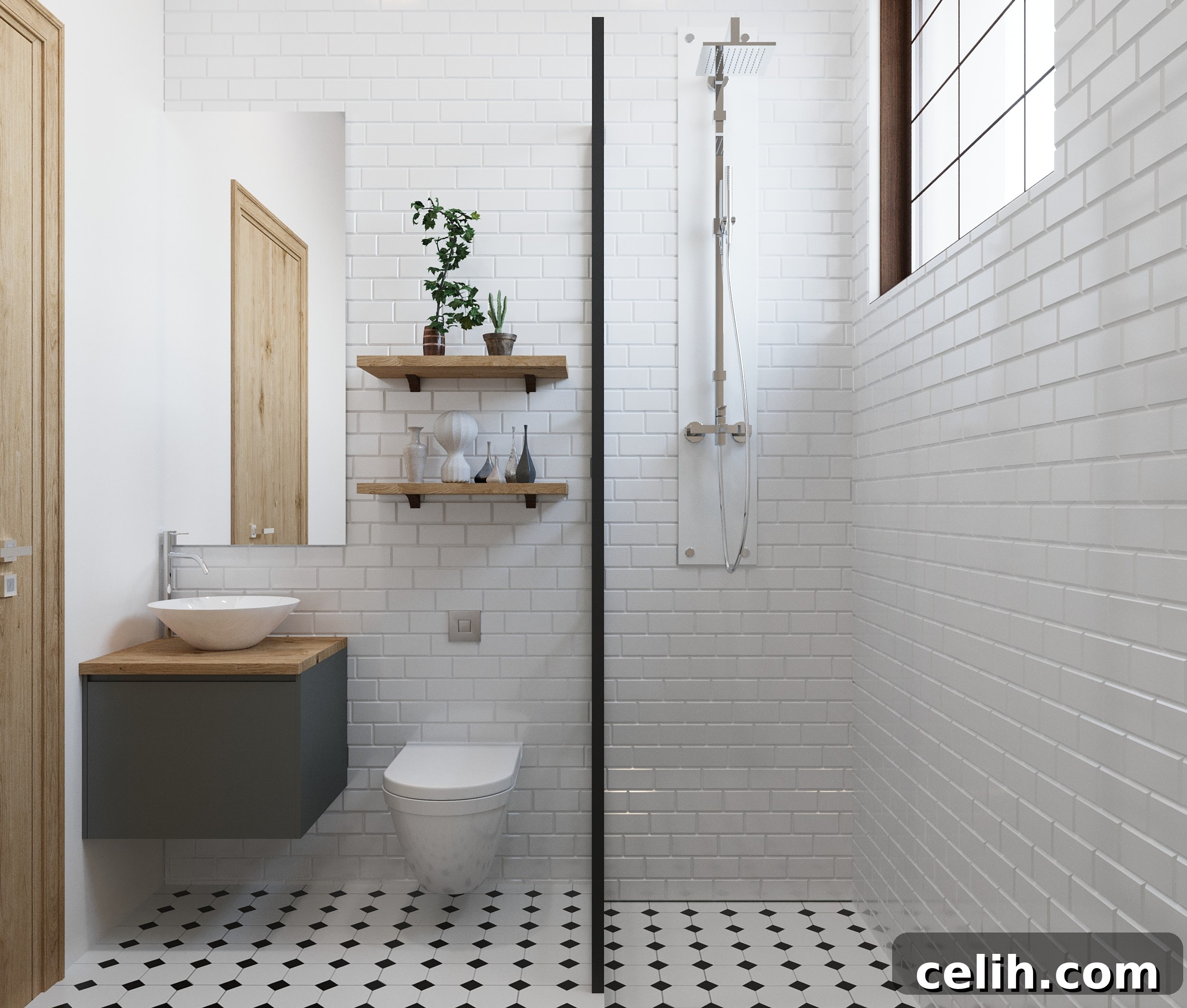
Just like the kitchen, the bathroom is a critical area for renovation when planning for retirement, given its central role in daily hygiene and potential safety risks. Transforming your bathroom into a safe and accessible space can significantly enhance your independence and peace of mind. A primary consideration should be the shower and bathtub. Replacing a traditional tub with a walk-in shower or, ideally, a curb-less or roll-in shower, eliminates the high step-over barrier, vastly reducing the risk of falls. Incorporating integrated seating, either a fixed bench or a fold-down seat, allows you to shower comfortably while seated. Anti-scald shower valves are essential to prevent accidental burns, and easy-to-reach handheld showerheads offer greater flexibility. For toilets, installing comfort-height models makes sitting down and standing up much easier, and grab bars strategically placed around the toilet and shower areas provide crucial support.
Other vital bathroom updates include accessible sinks and vanities. Wall-mounted sinks or open vanities can provide necessary knee clearance for wheelchair users. Lever-style faucets are much easier to operate than knob handles, particularly for those with limited dexterity. Ensuring excellent lighting, including task lighting around the mirror and general ambient light, is vital for visibility. Non-slip flooring, such as textured tiles or rubber mats, is a must to prevent slips and falls on wet surfaces. While comprehensive bathroom and kitchen renovations can incur significant costs, the investment in long-term safety and comfort is often worthwhile. To help manage these expenses, explore options like home improvement loans, government grants for accessibility modifications, or potentially an equity release mortgage. Services like Retirement Solution’s lifetime mortgage calculator can help you assess eligibility and potential funds. However, it is crucial to consult with a qualified mortgage advisor or financial expert before committing to any substantial financial decision, as these options carry significant implications and may not be suitable for everyone.
Integrate Smart Technologies for Enhanced Living
The integration of smart home technologies offers a multitude of benefits for retirees, significantly enhancing both safety and convenience. For heightened security, smart security cameras provide remote monitoring capabilities, allowing you to check on your home from anywhere. Video doorbells let you see and speak to visitors without opening the door, adding an extra layer of protection. Smart locks enable keyless entry via codes, smartphones, or even fingerprints, eliminating the fumbling for keys and allowing easy access for trusted caregivers or family members. Beyond security, smart detectors are invaluable for early warning systems. These devices can notify you of potential gas leaks, smoke, or carbon monoxide, some even capable of automatically shutting off gas lines or alerting emergency services in critical situations. Furthermore, smart water leak detectors can prevent costly damage by alerting you to plumbing issues before they escalate.
The convenience offered by smart devices truly transforms daily living. Smart thermostats can learn your preferences and adjust the temperature automatically, ensuring your home is always comfortable while optimizing energy use. They can be controlled remotely via a smartphone or through simple voice commands, eliminating the need to manually adjust settings. Similarly, smart lighting systems allow you to turn lights on or off, dim them, or even change their color with a tap of an app or a voice command, making it easy to illuminate dark rooms or hallways without having to get up. Smart plugs can turn any ordinary appliance into a smart device, allowing remote control of lamps, fans, or coffeemakers. Voice-activated assistants can manage various smart devices, play music, set reminders, and even make calls, acting as a valuable companion and assistant. These technologies not only simplify routines but also provide a crucial sense of security and control, making your home more adaptive to your evolving needs in retirement.
Cultivate an Accessible and Enjoyable Outdoor Space
The garden and outdoor areas of your home represent another fantastic opportunity for retirement-focused renovations, contributing significantly to both physical and mental well-being. A pleasant and relaxing outdoor space offers a sanctuary for reflection, relaxation, and gentle activity. The act of gardening itself is widely recognized as a fantastic way to improve overall well-being, promoting light exercise, connection with nature, and a sense of accomplishment. However, managing an extensive garden can become physically demanding. For this reason, many retirees opt to redesign their outdoor space to be more accessible and lower maintenance. Enlisting the help of a professional landscape designer can be invaluable in creating a beautiful yet practical garden that suits your capabilities.
Accessibility in the garden means creating smooth, level pathways with non-slip surfaces, wide enough for comfortable movement with a walker or wheelchair. Minimize steps or integrate gentle ramps where level changes are necessary. Incorporating raised garden beds or vertical gardens allows for gardening at a comfortable height, reducing the need to bend or kneel. Selecting drought-tolerant plants, native species, and perennial flowers can significantly cut down on watering and upkeep. Consider installing automated irrigation systems for even greater convenience. Create inviting seating areas, perhaps under a pergola or covered patio, where you can enjoy the fresh air, entertain guests, or simply relax with a book. Ensure these seating areas are easily accessible from the house and offer comfortable, sturdy furniture. Thoughtful lighting, including pathway lights and ambient illumination for seating areas, will extend the usability of your garden into the evenings and enhance safety. By transforming your outdoor space, you can continue to enjoy the therapeutic benefits of nature and gardening without the physical strain, ensuring your home remains a source of joy both indoors and out.
A Holistic Approach to Retirement Home Living
Investing in your home’s functionality and comfort during retirement is an investment in your long-term independence, safety, and overall quality of life. The renovation ideas discussed, from updating your kitchen and bathroom for enhanced accessibility to integrating smart home technologies and redesigning your outdoor spaces, are all geared towards one central goal: enabling you to age in place gracefully and enjoy your golden years to the fullest in the familiar comfort of your own home. These projects are not merely about aesthetics; they are about proactive planning, adapting your living environment to support your evolving needs and desires. Whether it’s the added security of smart devices, the ease of an accessible kitchen, or the serenity of a modified garden, each improvement contributes to a more stress-free and enjoyable daily experience.
While the prospect of extensive renovations can seem daunting, approaching them thoughtfully, perhaps in phases, can make the process manageable. Consider consulting with specialists in accessible design, financial advisors for funding options, and reputable contractors who understand the unique requirements of retirement living. By carefully planning and implementing these changes, you’ll create a home that is not just a dwelling, but a sanctuary—a place where you can continue to thrive, pursue your passions, and cherish every moment without unnecessary limitations. Ultimately, these renovations are about future-proofing your lifestyle, ensuring that your home remains a source of comfort, joy, and independence for many fulfilling years to come.