
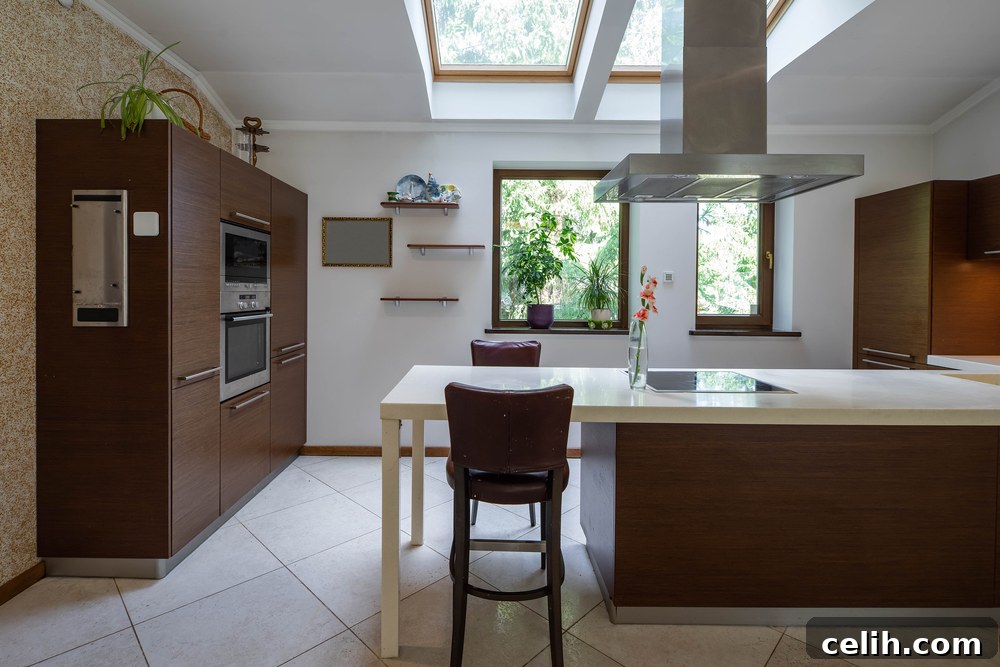
Designing a kitchen is a complex endeavor, even for households without the delightful chaos of children. When you introduce little ones into the mix, the considerations multiply, transforming the task into an exciting challenge. A family kitchen isn’t just about cooking; it’s a dynamic hub where memories are made, skills are nurtured, and daily life unfolds. It requires a thoughtful balance of safety, functionality, durability, and aesthetics to cater to everyone from toddlers to adults. You’ll need to anticipate more potential risks, prepare for inevitable messes, and actively create an environment that encourages children’s growth and involvement. Moreover, a truly successful family kitchen serves as a comfortable, inviting gathering spot, fostering connection and communication. Achieving this comprehensive vision demands careful planning and a willingness to integrate innovative solutions that prioritize the unique needs of your family. By focusing on smart design choices, you can create a kitchen that is not only beautiful and efficient but also a safe, engaging, and joyful space for every member of your household.
Infuse Joy with Color: A Vibrant Family Kitchen
Bright colors possess an undeniable appeal, especially for children, making them a fantastic choice to inject energy and cheer into your family kitchen. While white and other mild tones are excellent for highlighting cleanliness and maintaining a sense of spaciousness, they don’t need to dominate every surface. A strategically placed brightly colored accent wall can instantly elevate the room’s energy and create a playful focal point. However, the possibilities extend far beyond just walls. Consider a vibrant splashback with graphic tiles or a bold, single hue that can withstand splashes and spills. Modern kitchen appliances are now available in an array of fresh, appealing colors, offering a subtle yet impactful way to introduce character. Don’t overlook seating; a collection of barstools or dining chairs with different colored seats can add a whimsical touch and make the space feel more dynamic. You can even use color to define different zones within the kitchen, perhaps a calmer area for homework and a more energetic zone for cooking activities. When choosing colors, think about durable, wipe-clean paints and materials that can withstand the inevitable knocks and scuffs of family life, ensuring your colorful choices remain vibrant for years to come. The key is to create a harmonious palette that stimulates creativity and joy without overwhelming the senses, making the kitchen a truly inviting space for everyone.
Harness the Power of Light: Brighten Your Family Kitchen
A well-lit kitchen is paramount for a family home, significantly impacting not only functionality but also mood and safety. Natural light, in particular, offers a multitude of benefits: it makes the space easier to work in, simplifies cleaning by revealing dirt and grime, and creates a much more enjoyable and uplifting atmosphere. Maximizing natural light should be a top priority. Consider replacing heavy, impractical curtains with more streamlined window treatments like roller blinds, Roman blinds, or even frosted window films that allow sunlight to stream in while maintaining privacy. If possible, explore structural changes such as larger windows, skylights, or even a glass door that leads to the garden. These elements can dramatically transform the feel of your kitchen, making it feel more open, airy, and inviting. Beyond natural light, a comprehensive artificial lighting plan is crucial for evenings and darker days. Incorporate task lighting directly above work surfaces, such as under-cabinet lights or spotlights, to illuminate chopping, cooking, and meal preparation areas effectively. Ambient lighting, provided by ceiling fixtures or recessed lighting, ensures the entire room is evenly lit, while accent lighting can highlight architectural features or create specific moods. Dimmers are an excellent addition, allowing you to adjust the light intensity from bright and practical during busy mealtimes to softer and more relaxed for evening gatherings. Good lighting also plays a vital role in safety, reducing the risk of accidents by ensuring clear visibility of obstacles and hot surfaces. By thoughtfully integrating both natural and artificial light sources, you can create a kitchen that is always bright, welcoming, and safe for your entire family.
Cultivating Connection: Create Space for Family Togetherness
The kitchen is undeniably the heart of the home, a place where families naturally gravitate to cook, eat, and simply be together. Designing it to facilitate these interactions is key to a truly family-friendly space. If space is at a premium, innovative dining solutions are essential. A folding tabletop that can be tucked away when not in use, or a cleverly designed breakfast bar with comfortable stools, can provide excellent dining options without permanent footprint. For those with more room, a kitchen island with integrated seating or a cozy banquette can become the central hub for meals, homework, and crafts. The concept of “small-person sitting” is particularly impactful for engaging younger children. This could involve child-sized tables and chairs, a learning tower that allows them to safely reach countertop height, or a dedicated low counter where they can sit and participate in activities. These dedicated spaces enable children to observe, learn, and contribute while you work, fostering their independence and connection to the cooking process. Beyond dining, consider a family bulletin board or a magnetic wall. This simple addition can transform an ordinary wall into a dynamic gallery for children’s drawings, important notes, school schedules, and cherished photos. It not only personalizes the space but also reinforces the kitchen’s role as the central command center of family life. Ensuring comfortable and accessible seating options for everyone, from highchairs to senior-friendly stools, makes the kitchen an inclusive gathering spot. Furthermore, incorporating open shelving or transparent storage for frequently used items, especially those that encourage children’s involvement, can make the kitchen more intuitive and inviting for all ages. Thoughtful integration of these elements ensures the kitchen is not just functional but also a vibrant, inclusive space where family bonds are strengthened every day.
Simplify the Cleanup: Design for Effortless Maintenance
In a bustling family kitchen, practicality and ease of cleaning are not selfish considerations—they are essential for maintaining a harmonious home. Designing for simple maintenance saves valuable time and reduces stress, allowing you more moments to enjoy with your loved ones. Modern advancements in materials offer fantastic solutions. For walls, wipe-clean paints and washable wallpapers are game-changers, making it incredibly easy to remove splatters, fingerprints, and accidental marks with minimal effort. When it comes to flooring, options like linoleum, vinyl, sealed wood, or large format tiles are highly recommended. These surfaces can handle most spills with a quick mop or wipe, and in the event of more serious damage, individual tiles can often be replaced without overhauling the entire floor. Consider materials that are seamless or have minimal grout lines, as grout can be a notorious collector of dirt and grime. Countertops are another critical area; choose durable, non-porous materials like quartz, solid surface, or sealed granite that resist stains and are easy to wipe down. Stainless steel appliances, while prone to fingerprints, are incredibly durable and simple to clean. Beyond material choices, thoughtful organization plays a huge role in simplifying cleanup. Decluttering is paramount: identify which home equipment you truly need and which can be stored away or donated. Adequate storage, including deep drawers for pots and pans, pantry organizers, and dedicated spots for often-used items, prevents clutter from accumulating on countertops. Integrated waste and recycling bins keep messes out of sight and contained. Additionally, consider innovative appliances that make daily life easier. For instance, boiling water taps offer instant access to hot water for drinks or quick meal prep, eliminating the need for a kettle and reducing countertop clutter. An induction hob, with its flat, smooth surface, is far easier to clean than traditional gas burners. By prioritizing durable, easy-to-clean materials and smart storage solutions, you can create a kitchen that truly works for your family, minimizing chore time and maximizing quality time.
Prioritizing Safety: A Secure Haven for Little Explorers
Creating a safe environment is perhaps the most critical aspect of designing a family kitchen. With curious little hands and active youngsters, potential hazards are everywhere, from hot surfaces and sharp objects to cleaning chemicals and electrical outlets. A well-designed kitchen incorporates safety features discreetly and effectively, giving parents peace of mind even when they can’t supervise every single moment. Childproof locks on cabinets and drawers are a must, especially for those containing cleaning supplies, sharp utensils, or breakable items. For appliances, consider induction cooktops which only heat up when cookware is present, significantly reducing the risk of burns. If you have a traditional oven, look for models with cool-touch doors and consider stove guards to prevent accidental contact with hot burners. Knives and other sharp tools should always be stored in locked drawers, knife blocks, or wall-mounted magnetic strips placed well out of reach. Electrical outlets can be covered with safety caps or, even better, choose tamper-resistant outlets. Avoid hanging dish towels or flammable items near the stovetop. Corners and edges of countertops and islands can be softened with rounded designs or protective corner guards to prevent bumps and bruises. When selecting flooring, opt for non-slip materials, especially in areas prone to spills. Integrated appliance doors that hide dishwashers and refrigerators can also minimize the appeal of pulling handles and exploring. By proactively addressing these safety concerns during the design phase, you create a kitchen that encourages exploration and learning within secure boundaries, allowing children to participate and feel comfortable without constant worry.
Durability and Longevity: Investing in a Future-Proof Family Kitchen
A family kitchen endures significant wear and tear, from energetic play to frequent meal preparations and spills. Therefore, choosing durable materials and finishes is a wise investment that ensures your kitchen stands the test of time and remains beautiful for years to come. Opt for robust cabinetry materials like solid wood, plywood, or high-quality MDF with durable laminate or painted finishes that resist scratches, chips, and moisture. Shaker style doors, for example, are timeless and can withstand more punishment than intricate designs. Countertops should be chosen for their resilience; quartz, granite, or solid surface materials are excellent choices that resist heat, stains, and impact far better than more delicate options. When it comes to hardware, choose sturdy handles and knobs over delicate designs, and ensure drawers and hinges are soft-closing to prevent slamming and pinched fingers. Flooring, as mentioned earlier, needs to be tough; luxury vinyl tile (LVT), engineered wood with a strong wear layer, or porcelain tiles are excellent for resisting scuffs, spills, and heavy foot traffic. Consider how materials will age; some, like natural wood, develop a beautiful patina over time, while others might show wear more clearly. Beyond individual materials, think about the overall layout. A well-planned “work triangle” (sink, refrigerator, stove) that is free of obstructions minimizes unnecessary movement and potential collisions. Furthermore, selecting appliances known for their reliability and ease of repair can prevent costly replacements down the line. Investing in high-quality, durable components from the outset might seem like a larger initial outlay, but it pays dividends in longevity, reduced maintenance, and a kitchen that continues to function flawlessly and look great as your family grows and evolves.
Ultimately, a well-designed family kitchen is a testament to thoughtful planning, blending functionality, safety, and a touch of personal flair. It goes beyond mere aesthetics, focusing on creating a space that enhances daily life and fosters cherished moments. Children thrive in environments where they feel included and valued, and allowing them to contribute to the kitchen’s decoration, perhaps with their artwork on a bulletin board, instills a sense of ownership and belonging. This involvement boosts their mood and helps them feel that the kitchen is truly “theirs.” By embracing bright colors, maximizing light, creating inviting gathering spots, simplifying cleanup, and prioritizing safety and durability, you transform a utilitarian room into a vibrant, engaging heart of the home. Give your kitchen the acclaim it deserves—not just as a place for cooking, but as a natural gathering place where loved ones connect, grow, and create lasting memories together.