
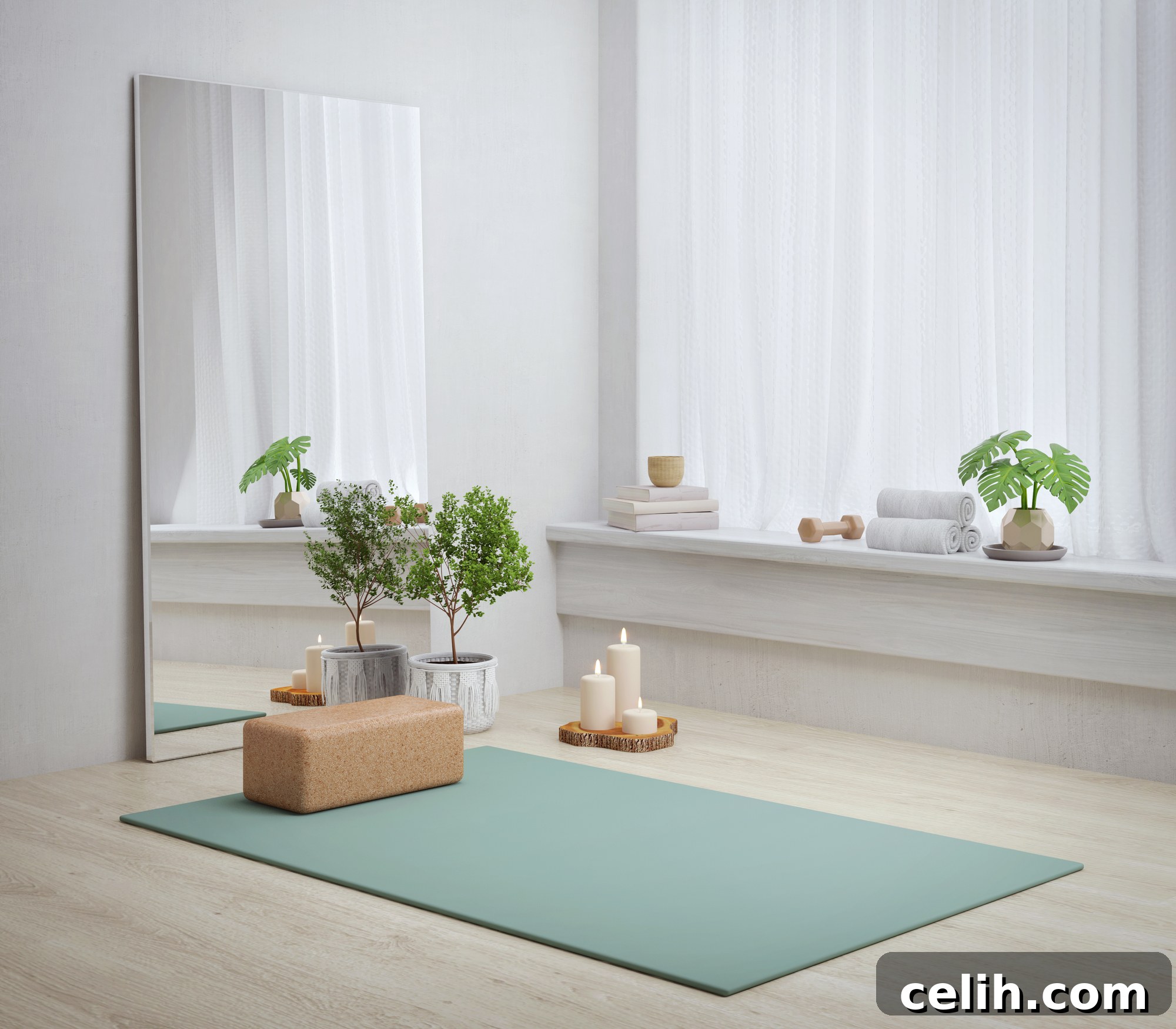
Yoga, a practice revered across millennia, has rightfully earned its place as one of the most celebrated and beneficial forms of exercise today. Its widespread popularity is no accident; the advantages it confers upon practitioners are truly multifaceted, touching upon both physical prowess and mental serenity. Engaging in regular yoga sessions significantly enhances flexibility, allowing for a greater range of motion and reducing stiffness. It builds core strength and tones muscles throughout the body, contributing to a more resilient physique. Beyond these visible gains, yoga plays a crucial role in injury prevention by improving balance and body awareness, while also promoting better cardiovascular health. Perhaps one of its most cherished benefits is its profound ability to lower stress levels, offering a much-needed respite from the demands of modern life.
Furthermore, yoga stands out as an incredibly accessible and low-cost option for home practice, requiring minimal equipment to get started. However, to truly unlock its transformative potential and immerse yourself fully in the experience, establishing the right environment is paramount. Imagine attempting a challenging pose like Downward-Facing Dog, only to be surrounded by children’s toys or household clutter – such distractions can instantly disrupt your focus and break your flow. Creating a dedicated space, a personal sanctuary, is not just about aesthetics; it’s about cultivating a mindset. This guide will walk you through the process of designing the perfect yoga haven within your home, ensuring every session is an enriching journey towards mindfulness and well-being.
Finding Your Ideal Yoga Space at Home
The journey to creating your perfect home yoga sanctuary begins with identifying the right location. This doesn’t necessarily mean dedicating an entire room; even a small corner can suffice, as long as it meets a few key criteria. The chosen spot should be large enough to allow for your full range of motion without bumping into furniture or walls. More importantly, it needs to be tidy and uncluttered, free from the visual noise that can impede mental clarity. Whether you choose an upstairs room or a downstairs area, the goal is to minimize distractions.
Many find that an upstairs location offers distinct advantages. These spaces are often less exposed to external disruptions, such as a neighbor spotting you through a window and deciding to drop by for an impromptu coffee. An ideal solution would be a small spare bedroom, an infrequently used guest room, or even a home office where you can simply close the door. This physical barrier instantly creates a sense of separation, allowing you to immerse yourself fully in your practice without fear of interruption. If a dedicated, private room isn’t an option, don’t despair! Creative solutions like a decorative room divider or screen can effectively carve out a personal haven in a larger, multi-purpose room, offering both privacy and a visual cue that this space is for self-care.
Harnessing the Power of Natural Light
Beyond privacy, consider the quality of light. An area bathed in natural light can profoundly impact your mood and energy levels. Proximity to a window or a skylight can elevate your practice, connecting you with the natural rhythm of the day and providing a serene, uplifting atmosphere. Natural light is known to boost vitamin D, improve mood, and regulate circadian rhythms, all of which contribute to a more focused and restorative yoga experience. If your chosen spot lacks abundant natural light, don’t worry, strategic lighting solutions can still create a warm and inviting ambiance, which we’ll discuss later.
The Foundation: Choosing the Right Flooring
The surface beneath your feet is another critical element, primarily for safety and comfort rather than just aesthetics. The ideal flooring for a yoga space is smooth and flat, yet crucially, non-slip. This combination provides the stability needed for various poses while allowing for fluid transitions. Hardwood floors often work well, offering a firm and consistent surface. Conversely, try to avoid highly polished tiled floors or anything excessively shiny, like linoleum, as these can become dangerously slick, especially if you perspire during your practice. Carpet, while seemingly soft, isn’t always ideal either; its inherent ‘grippiness’ can make certain movements, like sliding into warrior poses or adjusting foot placement, surprisingly challenging. A plush carpet can also absorb sweat and dust, making it less hygienic.
Ultimately, you’ll have to work with what’s available in your home. If your existing flooring isn’t perfectly suited for yoga – perhaps you have tiles, very smooth wood, or a deep pile carpet – investing in a good quality yoga mat becomes even more essential. A high-density, non-slip mat can effectively transform any less-than-ideal surface into a safe and supportive foundation for your practice. Look for mats with excellent grip and sufficient cushioning to protect your joints, ensuring comfort and stability through every pose.
Designing Your Tranquil Yoga Oasis: Atmosphere and Essentials
Once you’ve identified the perfect physical space, the next step is to imbue it with an atmosphere that fosters calm, focus, and comfort. The ambiance of your yoga sanctuary is just as important as its practicality, significantly influencing your ability to relax and connect with your inner self. Your surroundings should inspire peace and clarity, making every moment of your practice more meaningful.
Cultivating the Right Lighting and Ambiance
Lighting plays a pivotal role in setting the mood. Harsh, bright overhead lights can be jarring and disruptive to a peaceful practice. Instead, opt for soft, diffused lighting. If you have natural light, maximize it during the day. For evenings or darker days, incorporate lamps with warm-toned bulbs, or better yet, dimmable lights that allow you to adjust the intensity to suit your mood and the time of day. LED candles offer a safe and aesthetically pleasing alternative to real flames, providing a gentle, flickering glow that enhances relaxation without the fire hazard, especially when you’re deeply focused on your practice. Consider Himalayan salt lamps as well; their soft, ambient light is thought to promote a sense of calm and well-being.
Embracing Nature and Simplicity
If your space allows, introducing some houseplants can instantly bring life and a sense of serenity to your sanctuary. Plants not only add a touch of natural beauty but also improve air quality and create a calming visual element. Choose plants that are easy to care for and complement the aesthetic of your space. Keep the decor minimalist and clutter-free. A clean, uncluttered environment helps to declutter the mind, promoting focus and reducing mental distractions.
The Utility and Advantage of a Mirror
A often-overlooked yet incredibly useful addition to your home yoga space is a large mirror. When you practice yoga in a class setting, an instructor is always on hand to observe and correct your posture and alignment. When practicing alone at home, it can be significantly harder to identify and rectify subtle misalignments or issues in your form. A mirror provides instant visual feedback, allowing you to self-correct and deepen your understanding of each pose. You can observe your alignment, balance, and overall posture, ensuring you’re performing movements safely and effectively. Consider installing mirror tiles on one of your walls for a seamless look, or if that’s not feasible, a tall, inexpensive mirror leaned against a wall can serve the purpose perfectly.
Engaging Your Senses with Aromatherapy
The sense of smell has a powerful connection to memory and mood. Incorporating aromatherapy can dramatically enhance the ambiance of your yoga space, aiding relaxation, focus, or rejuvenation depending on your needs. Essential oil diffusers can disperse calming scents like lavender or frankincense to help you unwind, uplifting citrus notes for energy, or peppermint for clarity and focus. This mindful addition helps to truly transport you to a state of peace and well-being.
Atmosphere Mist Wellness Pack, Spritz Wellness
This thoughtfully curated aromatherapy collection is designed to guide you through your day, from morning revitalization to evening tranquility. The four unique atmosphere mist blends – Revival, Purify, Relax, and Sleep – are expertly formulated to inspire a profound sense of calm and overall well-being. A beautiful addition to any yoga sanctuary. This pack is available for £52 from Spritz Wellness.
Choosing Your Essential Yoga Mat
As mentioned earlier, a high-quality yoga mat is non-negotiable, particularly if your flooring isn’t ideal. The right mat provides the necessary grip, cushioning, and hygiene. Look for mats made from eco-friendly materials that are free from harmful chemicals. Consider the thickness; a thicker mat offers more joint support, while a thinner one can provide a more grounded feel. The surface texture is also important for ensuring a non-slip experience, even during sweaty sessions.
ShivShakti Pro Cork Yoga Mat, The Positive Company
This exceptional 100% eco-friendly yoga mat is crafted with sustainable cork padding, providing optimal grip even during the most challenging poses, while also offering excellent cushioning to protect your joints. The robust natural rubber backing ensures a secure, non-slip foundation, keeping your mat firmly in place. Moreover, this mat is completely free from harmful silicone, phthalates, and other harsh chemicals, making it safe for both you and the environment. The inherent anti-microbial properties of cork naturally help to kill bacteria and germs, maintaining a clean and hygienic surface for every practice. Available for £89 from The Positive Company.
Adding Inspiring Visuals and Personal Touches
To further personalize your sanctuary, consider adding elements that resonate with you personally. This could be a piece of art that evokes calm, a small statue, a vision board, or even affirmations written on a whiteboard. These visual cues serve as gentle reminders of your intentions and help maintain a positive mindset. Remember, this space is yours, so infuse it with elements that bring you joy and peace.
Inhale Exhale Print, The Serene Soul Society
Perfect for creating the right mental and spiritual atmosphere, this beautiful yoga-inspired print embodies the essence of mindfulness. Rendered in calming colors, it is elegantly inscribed with the words ‘inhale exhale,’ serving as a gentle yet powerful reminder to consciously draw in peace and release stress with every breath. This simple visual cue can greatly enhance your focus during practice. Available in a range of sizes, prices for an unframed print start at £11.99 from The Serene Soul Society via Etsy.
Considering Temperature, Ventilation, and Soundscape
Finally, don’t overlook the importance of comfortable temperature and good ventilation. A stuffy or overly cold/hot room can be distracting. Ensure good airflow, perhaps by opening a window or using a quiet fan. For sound, some prefer complete silence, while others find gentle, ambient music, nature sounds, or guided meditations enhance their practice. Experiment to find what works best for you in your personal yoga sanctuary.
By thoughtfully considering these elements – from finding the ideal spot and optimizing the flooring to carefully curating the lighting, scents, and visual details – you can transform any corner of your home into a profound and inviting space for self-discovery and well-being. Creating a dedicated home yoga sanctuary isn’t just about designing a room; it’s about investing in your peace of mind and nurturing your holistic health.