
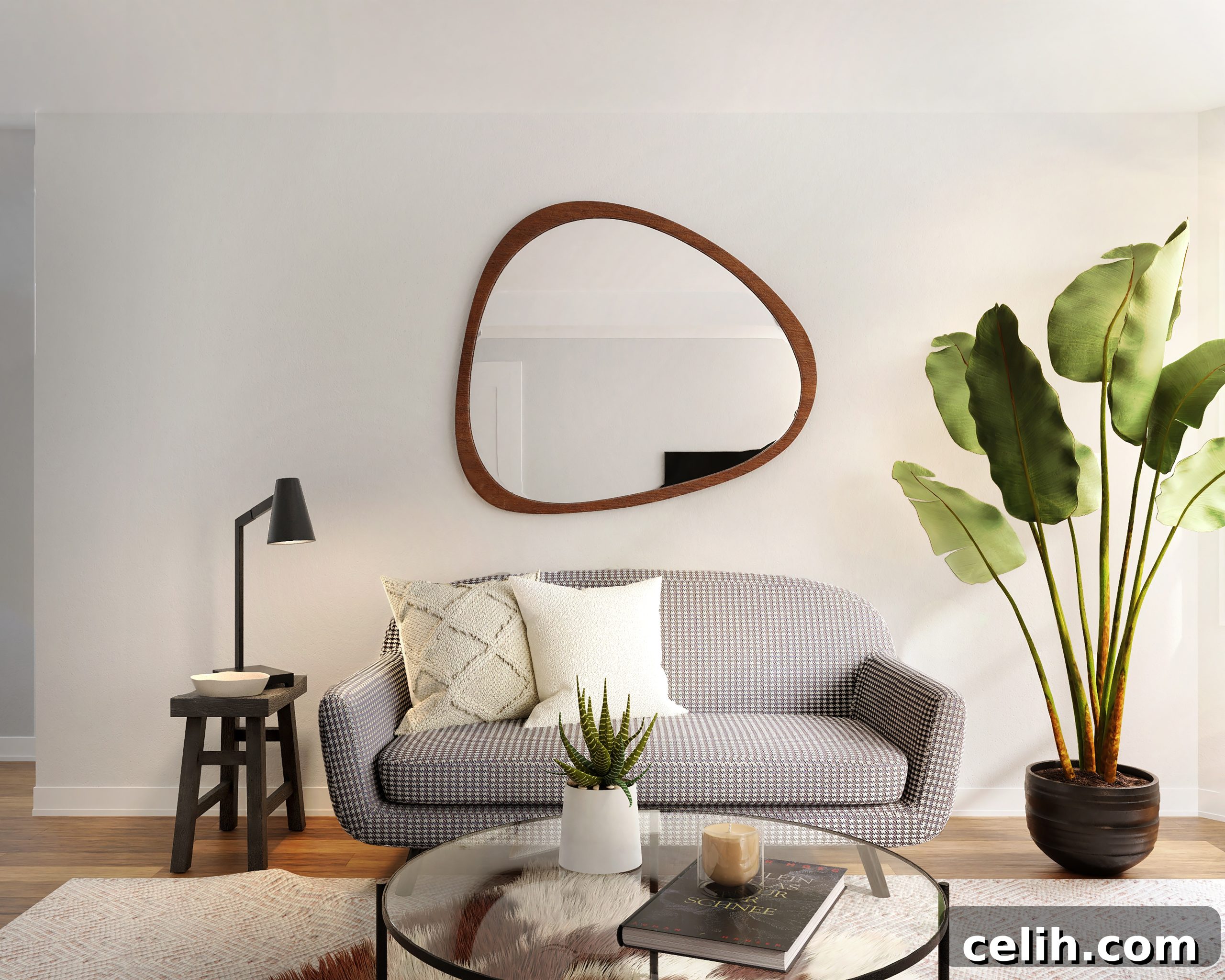
Embarking on a journey to refresh your living space offers a truly exciting opportunity. As you envision a new aesthetic for your home, understanding the prevailing interior design trends can provide the perfect springboard for inspiration. While trends from previous years might fade, the best designs evolve, blending beauty with functionality and personal expression. For 2022, interior design focused on creating spaces that foster well-being, sustainability, and individuality. From embracing the calming influence of nature to optimizing versatile layouts, let’s delve into the key interior design trends that shaped homes and continue to offer timeless appeal.
Embracing Nature: The Biophilic Design Movement
For several years, the minimalist, all-white Scandinavian aesthetic dominated interior design, offering a crisp, clean look. However, the design world has gracefully shifted, welcoming warmer hues and organic elements inspired by the natural world. This movement, often referred to as biophilic design, emphasizes integrating nature into indoor spaces to enhance mental and physical well-being. It’s more than just adding a few plants; it’s about fostering a profound connection to the outdoors, blurring the lines between interior and exterior environments.
Whether you’re looking to upgrade a few key rooms or embark on a complete home transformation, incorporating nature-inspired elements is a fantastic starting point. Consider tactile textiles and textures derived from natural stone, reclaimed wood, organic cotton, and linen. These materials not only add visual interest but also invite touch, grounding the space with an authentic feel. Beyond materials, the palette itself takes cues from Mother Nature. Beautiful earthy tones like clay browns, warm taupe, soothing olive green, and comforting beige are taking center stage. Allow these colors to dominate your walls, furniture, and decor, creating a serene and calm atmosphere that feels as expansive and rejuvenating as being outdoors. Maximize natural light, introduce indoor plants – from lush ferns to towering fig trees – and even consider natural soundscapes to complete this sensory connection, transforming your home into a tranquil sanctuary.
Optimizing Living: The Rise of Multi-Purpose Rooms
The global shift in how we live and work profoundly impacted interior design, making multi-purpose rooms a lasting and essential trend. The need to create functional makeshift spaces for work, study, exercise, and hobbies within the home catalyzed a transformation in residential architecture and design. As we continue to spend more time within our homes, the demand for adaptable spaces that serve a variety of functions has never been higher, a trend that remains highly relevant today.
This dynamic approach to interior design recognizes that a single room can, and often must, perform multiple duties. Imagine a dining room seamlessly transitioning into a productive home office, a cozy living room doubling as a quiet study, a guest room cleverly integrating a compact home gym, or a vibrant playroom offering smart storage solutions. The key to successful multi-purpose design lies in thoughtful planning and clever furniture choices. Modular furniture, convertible pieces, and items with hidden storage are invaluable for maximizing space and flexibility. Zoning is crucial; use rugs, movable screens, or strategic furniture placement to define distinct areas within a larger room, allowing each function to have its own identity without feeling cluttered. Additionally, consider lighting: task lighting for work areas and ambient lighting for relaxation ensure each function is well-supported. Given the ongoing rise in property prices and the desire to make the most of every square foot, this interior design trend is not merely fleeting but a foundational aspect of contemporary home living for the foreseeable future, offering practical solutions for modern lifestyles.
The Art of Individuality: Embracing Uniqueness in Your Home
Beyond fleeting fads, a powerful current in modern interior design celebrates uniqueness and personal expression. This trend emphasizes a deep understanding that every individual possesses distinct preferences and tastes, moving away from cookie-cutter designs towards homes that authentically reflect their inhabitants. It’s about creating a space where you genuinely love to live, one that tells your story and brings you joy, rather than conforming to rigid design doctrines.
Consider the kitchen, often dubbed the heart of the home. Why settle for a stereotypical, rigid, and purely functional space when it can be a vibrant, colorful, and fun hub that makes cooking and gathering truly enjoyable? Inject personality through bold cabinetry colors, unique backsplashes, or personalized hardware. For those seeking a fresh look without a full overhaul, exploring before and after kitchen refurbishments can provide incredible inspiration. Refurbishments, which smartly utilize the existing core components of your kitchen, offer an affordable and sustainable alternative to installing an entirely new fitted kitchen, allowing for highly personalized and unique results that truly cater to your aesthetic desires.
But personalization doesn’t stop in the kitchen. Traditional design often dictates white ceilings, yet challenging this norm can unlock extraordinary style. Why not paint your ceiling black, or in a deep, dramatic hue? A dark ceiling can be incredibly effective, adding depth and sophistication, and with appropriate wall colors, it doesn’t have to make a room feel enclosed. Instead, it can create an intimate and luxurious ambiance. Embrace the freedom to experiment with color, texture, and unexpected elements throughout your home. Incorporate vintage finds, heirlooms, custom-made pieces, or art that resonates deeply with you. Layer different styles, patterns, and eras to craft an eclectic and deeply personal interior that stands apart and truly feels like home.
Softening the Edges: The Appeal of Structural Style and Curves
In a world often defined by sharp angles and rigid structures, interior design has pivoted towards a softer, more organic aesthetic, making curves one of the most beloved and visually impactful trends. This return to fluidity is evident in various elements, from graceful archways and inviting round dining tables to elegant curved mirrors and sophisticated spiral staircases. The era of strictly straight lines and stark minimalism is receding, making way for designs that prioritize comfort, flow, and visual softness.
But why this fascination with curves? The appeal of rounded forms extends beyond mere aesthetics. Curves introduce a unique softness and gentle movement to a space, effectively counteracting the often-harsh realities and rigidness of everyday life. Psychologically, organic shapes are known to evoke feelings of calm, safety, and comfort, making a home feel more welcoming and less formal. This structural style allows you to infuse your home with an inviting warmth and a sense of ease. Furthermore, design trends often cycle back, and this “groovy” aesthetic, reminiscent of the popular styles of the 1970s and Art Deco eras, resurfaces with a fresh, contemporary interpretation. Incorporate curved sofas, barrel chairs, oval coffee tables, and even architectural details like softly arched doorways. These elements create a harmonious visual language, fostering a soothing environment that feels both sophisticated and inherently relaxing. The enduring popularity of curves suggests this trend is not just a passing fancy but a fundamental shift towards more human-centric and comfort-driven interior design.
Conscious Living: Sustainable and Ethical Design Choices
As global awareness of environmental impact grows, sustainable and ethical interior design has transitioned from a niche concern to a mainstream imperative. This trend is about more than just aesthetics; it’s a commitment to thoughtful consumption, minimizing waste, and making choices that are better for both the planet and people. Conscious living translates into homes designed with longevity, resourcefulness, and responsible sourcing at their core, significantly influencing how we approach our living spaces.
Key to this trend is the selection of materials. Opt for recycled, upcycled, and reclaimed items, such as furniture made from salvaged wood or decor crafted from recycled glass. Natural and renewable materials like bamboo, cork, organic cotton, linen, and hemp are highly favored for their minimal environmental footprint and durability. Beyond raw materials, the focus extends to the entire lifecycle of a product. Prioritize high-quality, durable pieces that are built to last, eschewing the “fast furniture” mentality. This reduces waste and encourages a more mindful approach to furnishing your home. Supporting local artisans and businesses that adhere to fair trade practices ensures that your design choices have a positive social impact, contributing to healthier communities and ethical production chains. Furthermore, sustainable design incorporates energy-efficient solutions, from maximizing natural light and using LED lighting to investing in proper insulation. It’s about creating a beautiful home that not only reflects your personal style but also aligns with a deeper commitment to environmental stewardship and a more responsible way of living.
Designing Your Inspirational Home
The interior design landscape of 2022 and beyond underscores a powerful shift towards creating homes that are not just visually appealing but deeply resonant with our well-being and values. From the calming embrace of biophilic design to the practical ingenuity of multi-purpose rooms, the celebration of unique individuality, the soft allure of curved forms, and the crucial commitment to sustainable living, these trends offer a rich tapestry of possibilities. They invite us to move beyond conventional aesthetics and craft spaces that truly nurture us. Use these insights as a foundation, blend them with your personal taste, and embark on a rewarding journey to design a home that is truly inspirational, functional, and uniquely yours.