
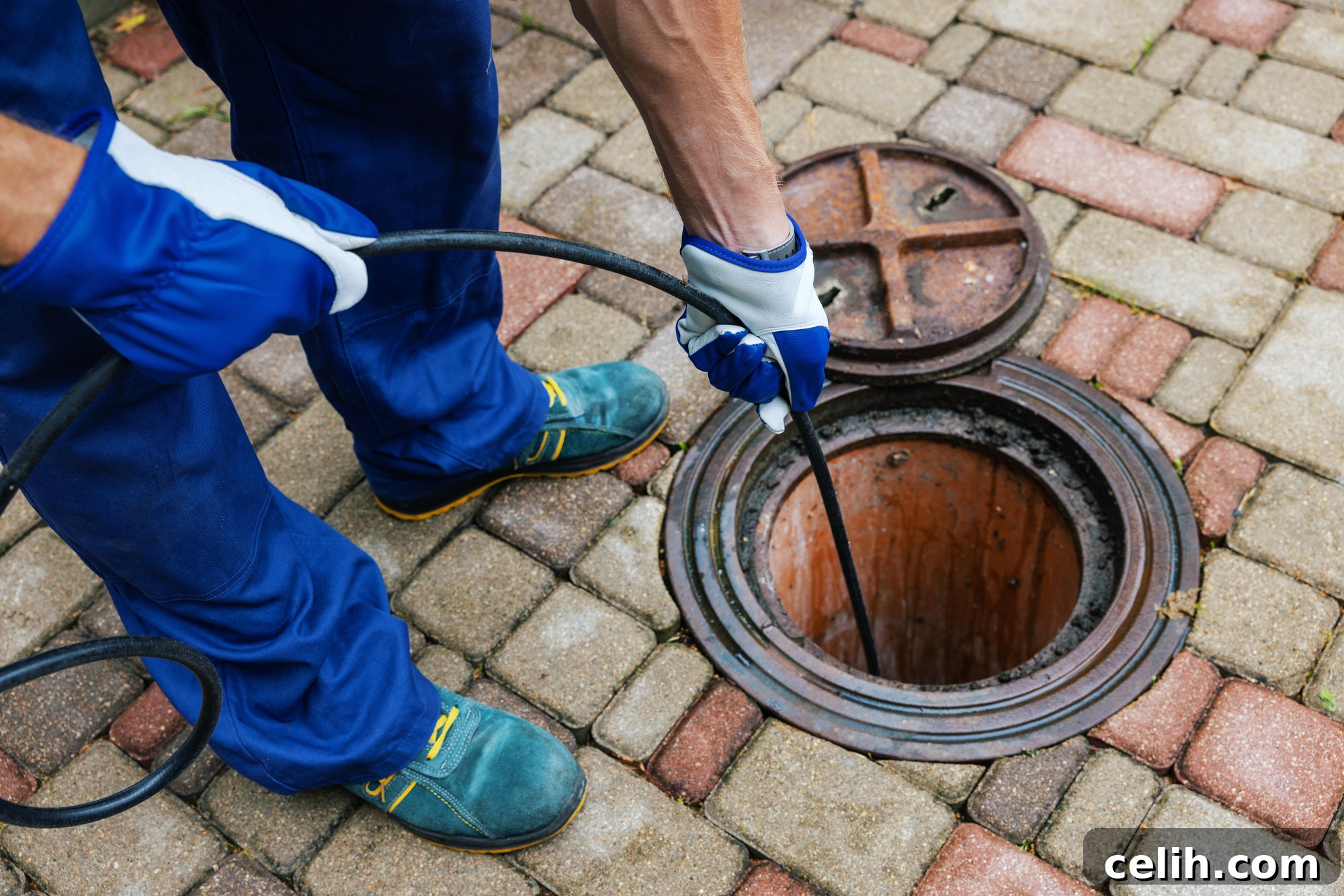
Encountering drainage issues at your home or business can quickly escalate from a minor inconvenience to a major headache. The stress of dealing with blocked pipes, overflowing sinks, or even a backed-up sewer system is often compounded by the worry of costly repairs. While the need for professional drainage services is undeniable for maintaining property integrity and hygiene, finding a solution that fits your budget without compromising on quality can seem like a daunting task. Fortunately, with the right approach and a clear understanding of your options, it is entirely possible to secure reliable and cost-effective drainage assistance.
This comprehensive guide is designed to empower you with the knowledge and practical tips necessary to navigate the world of drainage services. We’ll delve into smart strategies for budgeting, comparing different service offerings, and identifying reputable local providers. Our aim is to help you make an informed decision, ensuring that your drainage problems are resolved efficiently and affordably, giving you peace of mind and protecting your investment.
Finding Affordable & Quality Drainage Services: A Comprehensive Guide
Assessing Your Budget for Drainage Solutions
Before you even begin to research drainage service providers, the foundational step is to conduct a realistic assessment of your financial capacity. Understanding your budget isn’t just about knowing how much you can spend; it’s about making informed choices that prevent overspending and align with your overall financial health. Start by considering your immediate savings, any emergency funds, and how much you can comfortably allocate to address your drainage problem without jeopardizing other essential expenses. It’s helpful to categorize your drainage issue:
- Minor Nuisance: A slow-draining sink that isn’t causing immediate damage.
- Moderate Concern: Frequent blockages or gurgling sounds, indicating a developing problem.
- Urgent Emergency: A complete blockage, sewage backup, or burst pipe requiring immediate attention.
The urgency and severity of the problem will naturally influence your budget flexibility. Delaying an urgent issue can lead to more extensive damage and significantly higher costs down the line. Therefore, consider the potential future expenses if the problem isn’t addressed promptly versus the current cost of repair. A proactive approach, even if it feels like an immediate expense, often proves to be the most cost-effective in the long run. If you’re unsure whether a slow drain is cause for concern, understanding the potential underlying issues can help you decide. For instance, knowing why toilet water rises then slowly drains can help you assess the severity of your situation.
Comparing Drainage Service Packages and Offerings
The drainage services market offers a diverse range of packages, each with its unique set of services, technologies, and pricing structures. To make a truly budget-friendly and effective choice, you must invest time in meticulously comparing these packages. Don’t just look at the bottom-line price; scrutinize what each package includes. Some providers might offer a basic unblocking service, while others include advanced diagnostic tools like CCTV drain inspections, high-pressure water jetting (hydro-jetting), or even minor repair work within a standard fee. Consider whether:
- The package covers preventative maintenance, which can save you money in the long run.
- It includes a warranty or guarantee on the work performed.
- There are different tiers for residential vs. commercial properties, or for specific types of blockages (e.g., grease, roots, foreign objects).
Evaluate the long-term value you’ll receive against the initial cost. A slightly more expensive package that includes a thorough inspection and a guarantee might be a better investment than a cheaper, superficial fix that leaves the root cause unaddressed, leading to recurring problems. Ask detailed questions about what is and isn’t covered, and don’t hesitate to ask for a breakdown of services if the package description isn’t clear.
Researching and Vetting Local Drainage Service Providers
Once you have a clearer idea of your budget and the types of services you need, the next crucial step is to research local drainage service providers in your vicinity. Focusing on local companies often yields several benefits. They typically have a better understanding of regional drainage infrastructure, common local issues (e.g., specific soil types, prevalent tree root systems, climate impacts), and can offer more competitive pricing due to lower travel costs and localized overheads compared to larger national chains. To find reputable local providers:
- Check online review platforms such as Google My Business, Yelp, Trustpilot, or industry-specific directories. Pay attention to the overall rating and read both positive and negative reviews to get a balanced perspective.
- Ask for recommendations from neighbors, friends, or local community groups. Word-of-mouth referrals are often highly reliable.
- Verify their licensing and insurance. A reputable company should be fully licensed and insured to protect both their workers and your property in case of accidents.
Look for companies with a proven track record, clear communication, and transparent pricing. A professional provider will be happy to answer your questions and provide references if requested.
Obtaining and Comparing Multiple Detailed Quotes
Never settle for the first quote you receive, no matter how tempting it might seem. A cornerstone of making a cost-effective choice is to solicit detailed quotes from at least three different drainage service providers. This process provides a clearer picture of the average cost for the specific services you require in your area, allowing you to identify any unusually high or low outliers. When requesting quotes:
- Be precise about the nature of your drainage problem. Provide as much detail as possible, including symptoms, location of the issue, and any attempts you’ve made to resolve it.
- Ensure each quote is itemized, clearly breaking down labor costs, material expenses, equipment usage (e.g., hydro-jetting machine, camera inspection), and any potential permit fees.
- Be transparent about your budget constraints. While you don’t need to reveal your absolute maximum, indicating a budget range can help providers tailor their solutions to your financial limitations, offering more targeted and affordable options.
Comparing quotes effectively means looking beyond just the total price. Consider the scope of work included, the proposed methods, the estimated timeline for completion, and any warranties or guarantees. A quote that seems significantly cheaper might be cutting corners or excluding essential services, potentially leading to further costs down the line. For instance, when dealing with flooded basements, a comprehensive quote detailing both water removal and identification of the leak source is far more valuable than a low quote for just pumping water out.
Checking for Discounts, Promotions, and Special Offers
Many drainage service providers run various discounts and promotions throughout the year. Actively inquiring about these can lead to significant savings. Don’t hesitate to ask if any ongoing deals or upcoming promotions could apply to your service needs. Common types of discounts include:
- First-time customer discounts: Many companies offer a percentage off for new clients.
- Senior citizen or veteran discounts: A common courtesy extended by many service businesses.
- Routine maintenance packages: Discounts for signing up for regular preventative service.
- Seasonal promotions: Special rates during specific times of the year, particularly for less urgent services.
- Off-peak hour discounts: Some providers might offer lower rates if you schedule your service during less busy times, such as mid-week or non-emergency hours.
Bundling services (e.g., drain cleaning plus a camera inspection) can also sometimes result in a reduced overall cost. Always ask about loyalty programs if you anticipate needing services in the future.
Clarifying Payment Terms and Financing Options
Understanding the payment terms before any work begins is vital to avoiding unexpected charges and ensuring a transparent, stress-free experience. A reputable drainage service provider will always provide clear, written payment terms. Key aspects to clarify include:
- Upfront deposits: Is a deposit required, and if so, how much?
- Payment schedule: Is full payment expected upon completion, or are there installment options?
- Accepted payment methods: Cash, credit/debit cards, bank transfers.
- Flexible payment plans or financing options: Some larger jobs or emergency situations might offer buy now, pay later or financing solutions, allowing you to manage the cost more effectively over time. Understand the interest rates and terms associated with these options.
- Late payment fees: What are the consequences of delayed payments?
Ensure that all agreements, especially regarding costs and payment, are in writing. This protects both you and the service provider and prevents any misunderstandings once the work is completed.
How Much Do Drainage Services Cost? Unpacking the Factors
One of the most common questions homeowners have when facing drainage issues is, “How much will this cost?” It’s a natural concern, and many worry that professional drainage services will be prohibitively expensive. While prices can vary, most reputable drainage companies strive to keep their rates competitive. The key to gaining peace of mind and understanding the value of the service is to comprehend the various factors that influence the final cost. By knowing why prices fluctuate, you can better anticipate expenses and appreciate the investment you’re making in your property’s health.
Your Geographic Location
The first significant factor influencing the cost of drainage services is your geographic location. Drainage companies, like many service businesses, primarily operate within specific local areas. The economic landscape of that area directly impacts their pricing. For instance, services in bustling metropolitan cities often come with higher price tags due to increased demand, higher operating costs (rent, wages), and more complex infrastructure. Rural areas, while potentially having lower overheads, might incur higher travel costs if the nearest technician is far away. Therefore, a quote will reflect whether you reside in a densely populated urban center or a more remote, rural locale. To keep costs down, always prioritize drainage companies that have a strong local presence, minimizing their travel time and associated fees.
The Nature and Severity of the Blockage
While this is largely outside your control, the characteristics of the blockage itself are a primary determinant of service cost. A simple, superficial clog in a sink drain, often caused by hair or soap scum, will generally be quicker and less expensive to resolve than a deep-seated, complex blockage in a main sewer line. Complex blockages might be caused by:
- Tree root intrusion: Roots can grow into cracks in pipes, causing significant blockages that require specialized equipment like root cutters or even excavation.
- Grease buildup: Accumulation of cooking fats can solidify and create stubborn blockages that necessitate high-pressure hydro-jetting.
- Foreign objects: Items flushed down toilets or drains that shouldn’t be there can cause severe obstructions.
- Pipe damage: Sometimes, a “blockage” is actually a collapsed or broken pipe, requiring extensive repair or replacement.
These more challenging issues demand specialized equipment (CCTV cameras for diagnosis, hydro-jetters, trenchless repair tools), more time, and greater expertise from the technicians, all of which contribute to a higher service cost. The best advice is to call drainage experts immediately when you first notice problems like a persistent bad odor, unusually slow drainage, or gurgling sounds from your pipes. Prompt action can prevent a minor obstruction from escalating into a major, more expensive blockage that could necessitate invasive and costly interventions.
Time of Service: Emergency vs. Standard Appointments
The cost of drainage services can significantly change depending on when you schedule the appointment. Services required outside of standard business hours – such as late evenings, weekends, or public holidays – are typically classified as emergency calls and consequently cost more. This premium covers the higher operational costs for technicians working unconventional hours. For instance, if you’re in urgent need of emergency plumbing assistance because of a burst pipe or severe sewage backup on a Saturday night, you should expect to pay a higher rate than for a routine drain cleaning scheduled during a weekday afternoon.
Conversely, appointments booked during normal working hours (typically Monday to Friday, 9 AM to 5 PM) will generally be more economical. While it’s always ideal to opt for standard hours to save money, it’s crucial to prioritize the health and safety of your property. If you’re facing a true emergency that could cause significant damage, delaying service to save a few dollars can lead to far greater repair costs in the long run. Sometimes, accepting the higher cost of an emergency call is the most responsible and ultimately most economical decision.
The Importance of Professional Drainage Services
While DIY approaches might seem tempting for minor clogs, professional drainage services offer expertise, specialized equipment, and diagnostic capabilities that homeowners simply don’t possess. Attempting to clear a complex blockage yourself with harsh chemicals or improper tools can often worsen the problem, damage your pipes, and even create hazardous situations. Professionals can accurately diagnose the root cause of the problem using CCTV cameras, employ safe and effective clearing methods like hydro-jetting, and provide lasting solutions, often with warranties that guarantee their work. Investing in a professional ensures the problem is resolved correctly and safely the first time.
Red Flags to Watch Out For
As you seek out affordable drainage services, be vigilant for certain red flags that could indicate a less-than-reputable provider:
- Unusually Low Quotes: A quote significantly lower than others might indicate hidden fees, subpar work, or a lack of proper licensing and insurance.
- No Written Estimates: Always insist on a detailed, written estimate before any work begins.
- High-Pressure Sales Tactics: Avoid companies that pressure you into immediate decisions or additional services you don’t understand or need.
- Lack of Licensing and Insurance: Verify that the company is properly licensed and insured to protect yourself from liability.
- Negative or No Online Reviews: A lack of reviews or a pattern of highly negative feedback is a major warning sign.
Preventative Maintenance Tips for Long-Term Savings
While finding affordable repair services is important, preventing severe drainage issues in the first place is the ultimate cost-saving strategy. Simple preventative measures can significantly reduce the frequency and severity of blockages:
- Proper Waste Disposal: Never pour grease down the drain. Dispose of food scraps in the trash, not the sink.
- Drain Screens: Use drain screens or strainers in sinks and showers to catch hair and debris.
- Regular Flushing: Periodically flush drains with hot water (not boiling, especially for PVC pipes) or a mixture of baking soda and vinegar for natural cleaning.
- Tree Root Management: Be aware of large trees near your sewer lines; consider root barriers or periodic professional root removal.
- Avoid Chemical Drain Cleaners: These can be harsh on pipes and often only provide a temporary fix.
By adopting these habits, you can extend the life of your plumbing system and minimize the need for emergency, high-cost drainage services.
Conclusion: Striking the Balance Between Cost and Quality
Choosing a drainage service on a budget doesn’t mean you have to sacrifice quality or reliability. It demands a strategic and informed approach. By diligently assessing your budget, thoroughly comparing service packages, and carefully researching local providers, you can confidently make a decision that effectively addresses your drainage needs without straining your finances. Remember to obtain multiple detailed quotes, inquire about potential discounts, and clarify all payment terms upfront to avoid any unwelcome surprises.
The true value of a drainage service isn’t solely in its initial cost, but in its ability to provide a lasting solution, prevent future problems, and offer peace of mind. By prioritizing licensed, insured, and reputable professionals who offer transparent pricing and excellent service, you ensure your investment protects your property for years to come. Ultimately, making an informed choice is about finding the optimal balance between cost-effectiveness and the assurance of high-quality, dependable drainage solutions.