
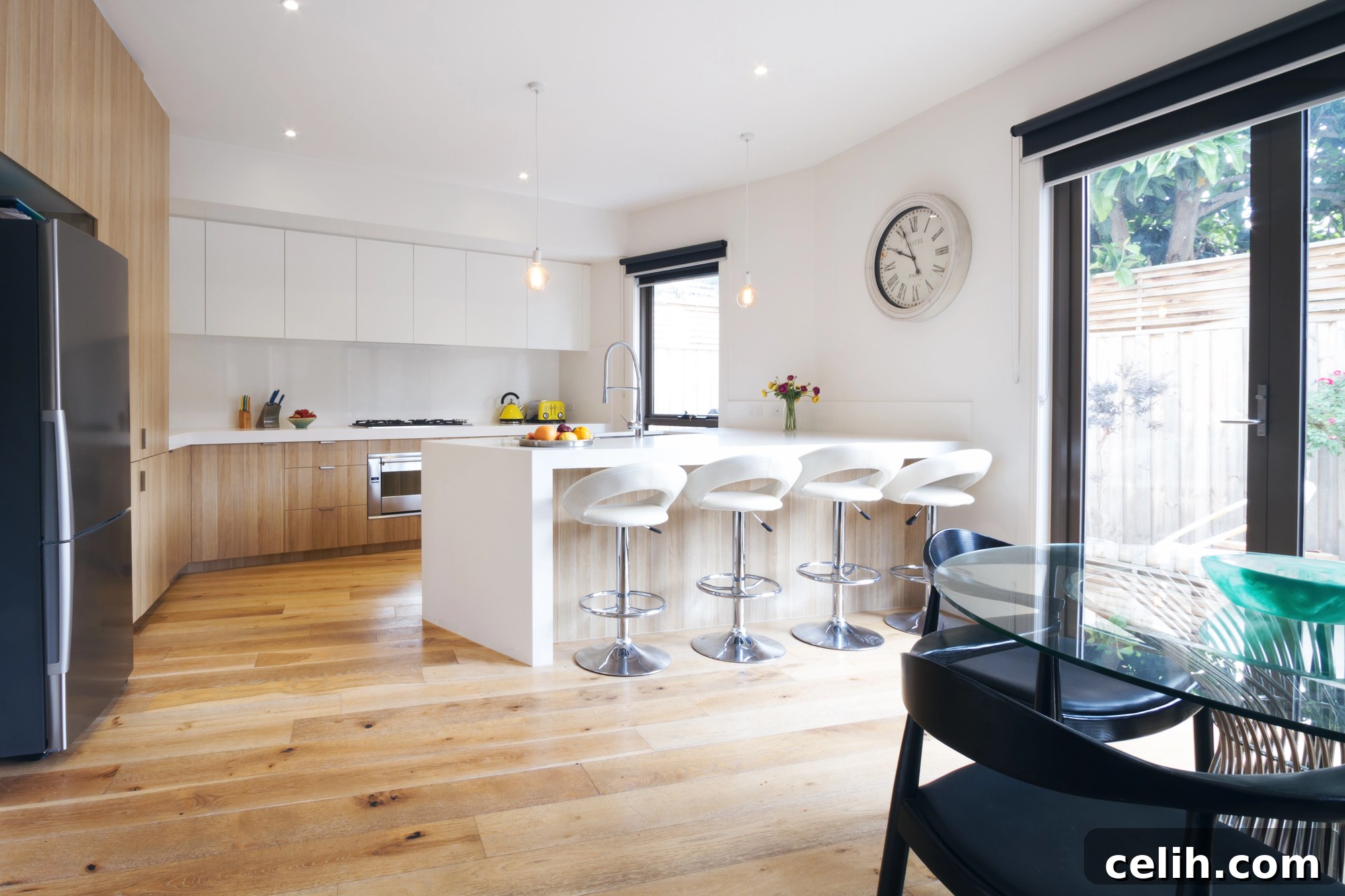
Designing for Life: How to Create a Home That Truly Works
Ever walked into someone’s home and felt an instant sense of ease — where every detail seems thoughtfully considered, creating a space that is not only beautiful but also perfectly aligned with daily living? This seamless blend of aesthetics and practicality is rarely accidental. Behind every effortlessly stylish and functional dwelling lies a series of deliberate design choices, meticulous planning, and a strong emphasis on real-world usability.
In this comprehensive guide, we’ll delve into the strategies that top interior designers and savvy homeowners employ to achieve this coveted equilibrium between form and function. From the foundational principles of layout to the intricate selection of materials, the goal is to transform your living environment into a haven that is not just a joy to behold, but genuinely enhances your everyday life, ensuring every corner serves its purpose with grace and efficiency.
Prioritizing Your Lifestyle: The Core of Functional Design
A truly functional home begins with an intimate understanding of how you and your household actually live. Before diving into color palettes, furniture styles, or trendy feature walls, take a reflective pause to analyze your daily routines, habits, and long-term aspirations. This introspective step is the bedrock of creating a space that truly supports your lifestyle, rather than working against it.
Mapping Your Daily Routines and Needs
Consider the practicalities of your day-to-day. Do you need expansive, clutter-free kitchen countertops for preparing quick weekday meals, or is a dedicated baking station more critical? Is a designated drop-zone in the entryway essential for bags, keys, and shoes, minimizing morning chaos? Perhaps a cozy reading nook that effortlessly transforms into a productive laptop workstation is paramount. By identifying these core needs, you establish a clear roadmap for designing spaces that resonate with your personal rhythms.
Good design acts as a silent assistant, supporting your habits and making life easier. This might manifest as built-in storage solutions near entry points for seamless transitions, a thoughtfully designed pull-out pantry that keeps essentials within easy reach, or a laundry setup that streamlines chores without requiring cumbersome maneuvers. When your home is designed with your actual life in mind, efficiency and comfort become second nature.
Mastering the Art of Spatial Flow and Layout
There’s a significant reason why interior designers consistently emphasize “flow.” A home with excellent functional design feels intuitive; you navigate effortlessly from one area to another, and everything you need seems to be precisely where you expect it. This seamless movement contributes significantly to a sense of calm and order within the home.
Defining Purpose for Every Zone
Begin by clearly delineating the primary activities associated with each room. Whether it’s cooking, working, relaxing, or sleeping, every space should have a distinct and well-understood purpose. Subsequently, ensure that the physical layout of the room is optimized to facilitate these intended functions. Proper planning here prevents common frustrations and maximizes the utility of every square foot.
- In the kitchen: Adhere to the classic “work triangle” principle. The refrigerator, sink, and cooktop should form a convenient, unobstructed path, minimizing unnecessary steps during meal preparation.
- In the living room: Arrange seating to foster both conversation and comfortable viewing of entertainment. Ensure sofas and chairs face each other for social interaction, and also provide clear sightlines to the television if it’s a frequent point of focus. Awkward twisting to engage with others or watch a screen can diminish comfort.
- In the bedroom: Maintain clear pathways, especially between the bed and essential areas like the wardrobe or en-suite bathroom. An uncluttered route is invaluable during busy mornings, reducing stress and improving efficiency.
Once these practical, foundational elements are meticulously in place, you gain the freedom to layer in all the personal touches and visual personality that make your house a unique home.
The Unsung Hero: Consistent Maintenance and Upkeep
Even the most exquisitely designed home will inevitably lose its charm and functionality if not properly cared for. Investing in regular maintenance is arguably one of the smartest — and most frequently overlooked — strategies for preserving both the aesthetic appeal and operational integrity of your home over time. It’s a proactive measure that safeguards your investment and enhances daily living.
Proactive Care Over Reactive Repairs
Cultivate a habit of small, seasonal check-ups rather than waiting for significant problems to emerge. Simple tasks like clearing gutters before winter, inspecting window and door seals for drafts, and routinely servicing your boiler or HVAC system can prevent costly future repairs. Addressing minor issues early — such as a slow drip or flaking paint — can avert them from escalating into major, expensive headaches. This diligent approach extends the lifespan of your home’s components and maintains its overall health.
Regularly inspecting critical areas like roofs, foundations, and plumbing for any signs of wear or damage enables timely interventions that significantly enhance structural durability. Prioritizing prompt repairs to complex plumbing emergencies, for instance, is crucial in preventing minor leaks from snowballing into substantial water damage or mold issues. This vigilance is equally vital when addressing critical aspects such as electrical systems or structural components, where minor neglect can lead to serious safety hazards.
Establishing relationships with reliable professionals for routine assessments and urgent needs provides peace of mind, guaranteeing that your home remains both beautiful and fully functional. The bedrock of a successful and enduring home lies in consistent upkeep and a proactive, preventative approach to maintaining its integrity. Consider maintenance as essential self-care for your home; a little regular Tender Loving Care (TLC) goes an immense way in keeping everything working optimally and looking its absolute best.
The Transformative Power of Layered Lighting
Lighting is arguably one of the most underrated yet impactful design elements when striving to create a home that truly works. It possesses the remarkable ability to fundamentally shape both the mood and the functionality of any given space, often dictating how comfortable, productive, or relaxed you feel within it.
The Three Essential Layers of Light
An effective lighting plan intelligently incorporates three distinct layers, each serving a crucial purpose:
- Ambient Lighting: This is the foundational, general illumination that fills the entire room, typically provided by overhead fixtures like recessed lights, ceiling mounts, or chandeliers. Its purpose is to ensure overall visibility and a comfortable level of brightness without harshness.
- Task Lighting: Focused and often brighter, task lighting is specifically designed to illuminate areas where precise activities occur. Examples include pendant lights over a kitchen island, desk lamps for working, or floor lamps positioned beside a reading chair. It reduces eye strain and enhances concentration.
- Accent Lighting: This softer, more localized lighting is used to add atmosphere, create visual interest, or highlight specific architectural features, artwork, or decorative objects. Wall sconces, picture lights, and uplights are common forms of accent lighting, adding depth and drama to a space.
Thoughtfully mix warm and cool light tones based on the room’s primary function. A brighter, crisp white light (higher Kelvin) is ideal for task-oriented areas like the kitchen or home office, promoting alertness. Conversely, a softer, warmer glow (lower Kelvin) is preferable in living rooms and bedrooms, fostering relaxation and coziness. Dimmer switches are an incredibly simple yet highly effective upgrade, offering instant flexibility to adjust the ambiance to suit any mood or time of day without significant cost.
Seamlessly Integrating Smart Home Technology
Smart home technology is no longer exclusively for tech enthusiasts; when implemented strategically, it can significantly enhance your home’s efficiency, convenience, and overall liveability. The key lies in selecting systems that genuinely improve your daily life and streamline routines, rather than merely serving as impressive novelties.
Strategic Smart Upgrades for Enhanced Living
Consider starting with incremental upgrades that offer immediate, tangible benefits:
- Smart Lighting Systems: These allow you to precisely control brightness, color temperature, and even schedule lighting changes, effortlessly transitioning from a soft, warm evening ambiance to a bright, cool focus for morning tasks. This versatility significantly impacts mood and productivity.
- Smart Thermostats: Capable of learning your household’s routines and preferences, these devices automatically adjust temperature settings, leading to notable energy savings while maintaining optimal comfort levels throughout the day. Many can be controlled remotely via smartphone, allowing you to warm or cool your home before you arrive.
- Voice-Controlled Assistants: Devices like Amazon Alexa or Google Assistant can manage an array of tasks hands-free – from playing music and setting timers to adding items to shopping lists. They are particularly invaluable when your hands are occupied, such as while cooking or caring for children.
Beyond convenience, smart home technology also significantly bolsters security. Integrated systems featuring doorbell cameras, smart locks, and motion sensors not only make your home safer but also provide invaluable peace of mind, allowing you to monitor your property remotely when you’re away. The true beauty of modern smart systems lies in their seamless integration with your smartphone or voice commands. This centralization means you can effortlessly control various aspects of your home – lighting, heating, security, and even automated blinds – from a single, intuitive interface. It’s the epitome of design meeting convenience, providing an ultimate example of a home that functions beautifully and intelligently behind the scenes.
Selecting Materials: Durability Meets Design
The most visually striking interiors aren’t just aesthetically pleasing; they are meticulously crafted to withstand the rigors of real life. Anyone who has regretted investing in a pale linen sofa while sharing a home with pets or young children can attest to the critical importance of material selection.
Balancing Aesthetics with Practicality
In the realm of functional home design, durability is just as paramount as visual appeal. Prioritize finishes that are designed to age gracefully and endure daily wear and tear. This means opting for wipe-clean, scrubbable paints in high-traffic zones, selecting furniture with washable or performance fabric covers, investing in stain-resistant rugs, and choosing non-porous countertops like quartz or composite stone that resist spills and scratches. These choices minimize maintenance effort and prolong the beauty of your interiors.
However, if your heart is set on a particular look that seems impractical, remember that modern material science often offers ingenious solutions. You can achieve the rich texture and appearance of natural stone with highly durable porcelain tiles, or replicate the warmth and character of solid timber with high-quality laminate or luxury vinyl flooring. The secret lies in understanding where thoughtful compromises can be made without sacrificing either style or function. It’s about being discerning in your choices, knowing where to invest in authenticity and where to leverage innovative alternatives.
The Necessity of Thoughtful Storage Solutions
A well-organized and clutter-free space is intrinsically linked to mental well-being and daily efficiency, making intelligent storage solutions an indispensable component of effective home design. Systematically addressing clutter can lead to profound improvements in both the aesthetic appeal and the usability of your home. It’s simply impossible to maintain a calm, cohesive, and functional environment without dedicated places for all your belongings.
Clever Ways to Conquer Clutter
This doesn’t imply an austere minimalist lifestyle. Rather, it advocates for clever storage strategies that conceal everyday mess in plain sight, transforming chaotic zones into serene spaces. Consider multi-functional furniture such as ottomans with hidden compartments for blankets or remote controls, bespoke fitted wardrobes that extend to the ceiling to maximize vertical space, or a combination of open shelving accented with stylish lidded baskets for easy, discreet organization of smaller items.
Even minor adjustments can yield significant improvements in making your space feel more considered and streamlined. Implementing drawer dividers for kitchen utensils or office supplies, adding hooks behind doors for coats or towels, or installing pull-out trays in awkward, deep cupboards can dramatically enhance accessibility and organization. The overarching objective is to make the act of tidying up feel effortless and intuitive, rather than an ongoing battle against accumulating possessions. When everything has a designated home, maintaining order becomes a natural extension of daily living.
The Art of Personalization: Infusing Your Identity
Once the foundational elements of your home are precisely dialed in — the layout optimized, storage streamlined, and flow perfected — it’s time for the truly enjoyable phase: imbuing your space with your unique personality and making it unequivocally feel like you. This is where a house transforms into a home filled with character and meaning.
Crafting a Narrative Through Design
Begin by selecting a consistent color palette or aesthetic theme that subtly unifies your rooms, creating a harmonious backdrop. However, do not shy away from injecting personality and individuality. Experiment with mixing various textures – think chunky knits alongside smooth wood or metallic accents. Proudly display artwork that holds personal significance, evokes emotion, or inspires conversation. Incorporate vintage finds or travel souvenirs that narrate your story and add a layer of soulful authenticity. The key here is intentional curation, selecting pieces that genuinely resonate with you rather than merely cramming items into a space.
The most inviting and comfortable homes are rarely those that appear as if they’ve been lifted directly from a showroom catalogue. Instead, they are the ones that authentically reflect the lives, passions, and unique stories of the people who inhabit them. A few charming imperfections, visible signs of cherished life, or delightful quirks are not flaws; they are precisely where the true magic and character of a home reside, making it truly one-of-a-kind.
Embracing Versatility with Flexible Living Areas
In contemporary living, the luxury of unused or single-purpose rooms is increasingly rare. Consequently, incorporating flexibility into your home’s design has become one of the most intelligent and valuable investments you can make. Adaptable spaces ensure your home can gracefully evolve with your changing needs, whether you’re working remotely, accommodating overnight guests, or creating room for a growing family.
Designing for Multi-Purpose Functionality
Think innovatively about multi-purpose functionality. A guest room, for instance, can be designed with a comfortable sofa bed and a sleek fold-down desk, effortlessly doubling as a productive home office during the week. Sliding or pocket doors are excellent architectural solutions that can transform open-plan areas into private, quiet nooks when desired, offering versatility without permanent alteration. Even simpler design choices, such as utilizing modular furniture, lightweight armchairs equipped with castors, or nesting tables, allow for easy reconfiguration of a room’s layout without significant effort or heavy lifting.
Effective zoning is another crucial strategy. Employ elements like area rugs, strategically placed shelving units, or elegant screens to visually and functionally define different areas within a larger, open-concept space. This approach creates a natural separation – for example, between a dedicated work zone and a comfortable lounge area – without physically partitioning the room or impeding the flow of natural light. The ultimate goal is to design with inherent versatility, ensuring that your home seamlessly adapts to your life, rather than forcing you to adapt to its limitations. This approach makes your home truly resilient and future-proof.
Extending Your Living Space: Creating Inviting Outdoor Areas
A truly functional and beautiful home doesn’t cease at the front door; your outdoor space holds equal importance in enhancing everyday living and overall well-being. Whether you possess a compact balcony, a charming small courtyard, or an expansive garden, treating it as a natural extension of your interior environment instantly boosts both its utility and your quality of life.
Designing for Outdoor Enjoyment and Practicality
Begin by envisioning how you desire to utilize this exterior realm. Do you long for a tranquil spot for your morning coffee, a vibrant family dining area for al fresco meals, or a lush green sanctuary for unwinding after a long day? Select outdoor furniture that perfectly aligns with your envisioned lifestyle: a quaint bistro set for intimate conversations, a modular outdoor sofa for larger gatherings, or a simple, sturdy bench enveloped by vibrant planters for a low-key, serene retreat.
The principle of layering is just as effective outdoors as it is indoors. Introduce softness and comfort with weather-resistant outdoor rugs, plush cushions, and cozy throws. Extend the usability of your evenings by incorporating diverse lighting – festoon lights draped overhead, elegant lanterns, or subtle solar uplighters can instantly create a magical atmosphere. If privacy is a concern, utilize tall planters, elegant bamboo screens, or trellises adorned with climbing plants to establish natural and appealing boundaries.
And never overlook practicality: always choose materials that are inherently weather-resistant to ensure longevity. Store cushions in waterproof boxes when not in use, and consider adding a covered area or a stylish pergola to allow for year-round enjoyment, protecting against sun or light rain. When your outdoor space feels genuinely comfortable, inviting, and thoughtfully designed, it effortlessly becomes another cherished “room” in your home – irrefutable proof that exceptional design works harmoniously both inside and out.
Final Thoughts: Designing Your Life’s Backdrop
Creating a home that functions as impeccably as it looks isn’t about exorbitant spending or slavishly following fleeting design trends. It is fundamentally about deeply understanding your unique lifestyle, recognizing your daily needs, and meticulously crafting a space that serves as the perfect backdrop for your life.
When the essential elements of function and the desired nuances of style work seamlessly hand-in-hand, the result is a home that not only exudes beauty on the surface but feels profoundly better, more intuitive, and more supportive to truly live in. So, as you embark on your next home project, ask yourself one simple yet powerful question: Will this design choice genuinely make my life easier, more comfortable, and more enjoyable? If the answer is a resounding yes, you are undoubtedly on the right track to cultivating a truly exceptional living environment.