
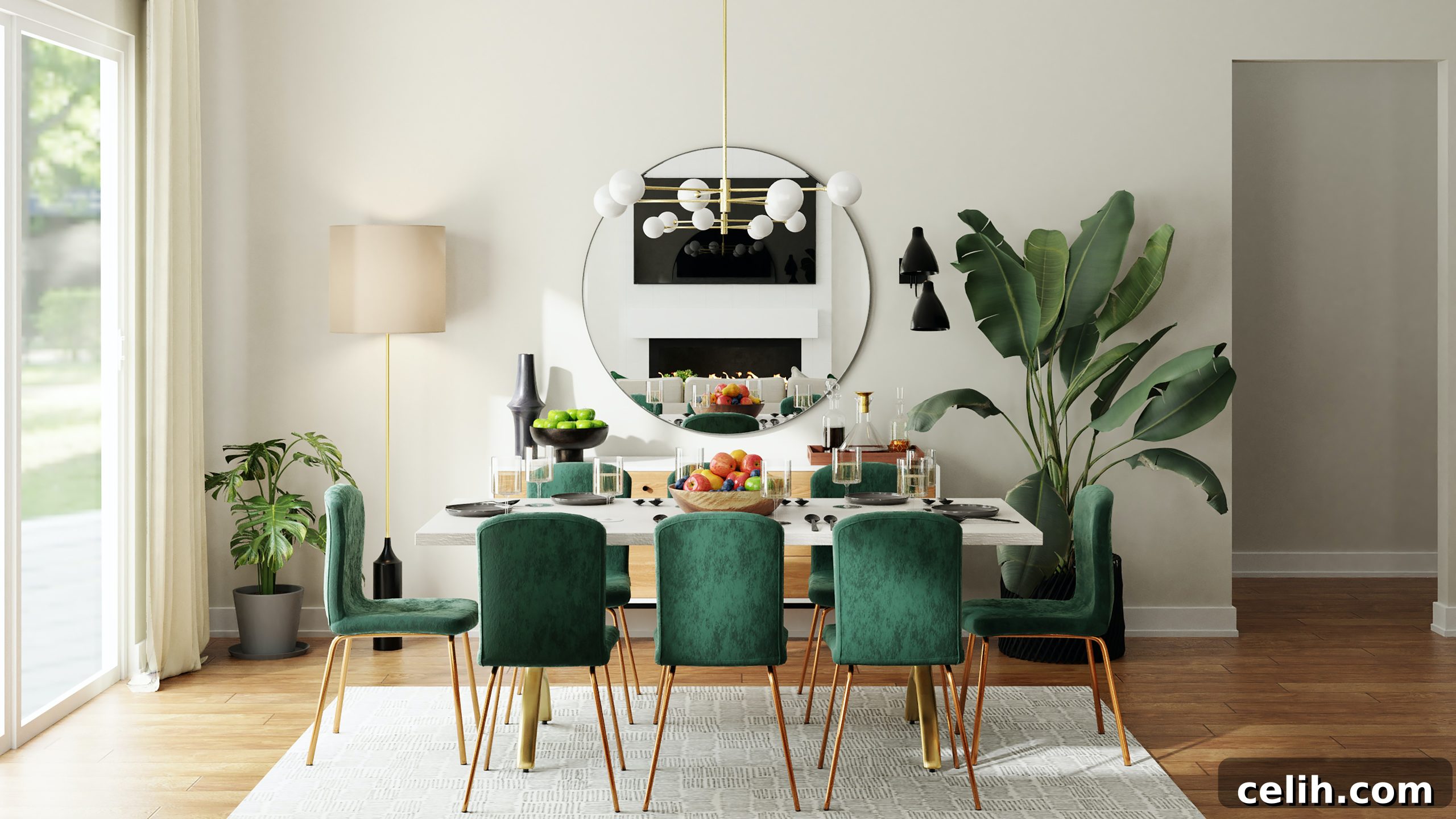
The dining room is more than just a place to eat; it’s a hub for gathering, sharing stories, and making memories. At the heart of this space lies the dining table, and its silent companions – the dining chairs. These aren’t merely functional items; they are pivotal elements that dictate the comfort, style, and overall ambiance of your entire dining area. Whether you’re furnishing a new home, upgrading an existing set, or simply looking to refresh your decor, choosing the right dining chairs is a decision that impacts both aesthetics and practicality. Mismatched chairs, uncomfortable seating, or a style clash can detract from even the most beautiful dining table, turning meal times into a less enjoyable experience.
Navigating the vast array of options available today can feel overwhelming. From plush leather to sleek minimalist designs, the market offers an incredible diversity of styles, materials, and price points. The good news is that this variety means there’s a perfect chair out there for every home and every taste. The challenge lies in making an informed choice that aligns with your specific needs and preferences. To simplify this process and help you create a dining space you’ll love, we’ve compiled a comprehensive guide on selecting the ideal dining chairs for your home, ensuring comfort, style, and durability.
Here are our top tips and considerations to guide you in choosing the best dining chairs for your home.
1. Harmonize with Your Home’s Aesthetic and Decor Style
The first and most crucial step in selecting dining chairs is to consider the existing style and overall aesthetic of your home and, more specifically, your dining area. Your chairs should ideally complement your dining table and the surrounding decor, creating a cohesive and inviting atmosphere. While it’s possible to intentionally create an eclectic look by mixing styles, it generally requires a keen eye for design to pull off successfully. For most homeowners, aiming for harmony is the safest and most effective approach.
Think about the dominant style in your home. Is it traditional, modern, minimalist, farmhouse, industrial, bohemian, or perhaps Scandinavian? Each style dictates certain design elements:
- Traditional Decor: If your home leans towards classic elegance, look for dining chairs with timeless designs. Features like cabriole legs, ornate carvings, rich wood tones (cherry, mahogany, oak), and luxurious upholstery such as velvet, brocade, or damask fabrics will fit perfectly. Chairs with detailed backs, perhaps a ladder-back or spindle design, also align with a traditional aesthetic.
- Modern & Contemporary: For a sleek and sophisticated feel, contemporary dining chairs with clean lines, geometric shapes, and often a mix of materials like metal and wood are ideal. Neutral color palettes, bold accents, and an emphasis on functionality without excessive ornamentation define this style. Look for chairs with minimalist profiles, perhaps cantilevered designs or those made from polished chrome or stainless steel.
- Minimalist: Embracing simplicity, minimalist dining chairs focus on essential forms and neutral colors. Think simple, functional designs, often in white, black, or grey, made from materials like light wood, plastic, or unadorned metal. The absence of clutter and emphasis on space and light are key.
- Farmhouse & Rustic: These styles celebrate natural materials and a cozy, lived-in feel. Wooden dining chairs, often with distressed finishes, cross-back designs, or ladder backs, are perfect. Materials like reclaimed wood, wicker, or rattan can also contribute to this charming aesthetic.
- Industrial: Characterized by raw and edgy elements, industrial dining chairs often feature metal frames, exposed hardware, and materials like aged leather or distressed wood. Think sturdy, utilitarian designs that evoke factory or warehouse spaces.
- Scandinavian: Known for its light, bright, and functional approach, Scandinavian dining chairs typically feature light-colored woods (birch, ash), simple organic forms, and often upholstered seats in neutral or muted tones. Comfort and practicality are paramount.
This is also an excellent opportunity to inject personality into your dining space. While some prefer chairs that blend seamlessly, others might use dining chairs as a focal point. A pop of vibrant color or an interesting pattern on upholstered chairs can add a dynamic and trendy touch to an otherwise subdued room, turning your dining area into a conversation starter.
2. Prioritize Comfort and Enduring Quality
While aesthetics are important, the primary function of a dining chair is to provide comfortable seating. No matter how beautiful your chairs are, if they are uncomfortable, guests will quickly find excuses to leave the table, and family meals might feel rushed. Investing in comfortable, high-quality dining chairs ensures that your dining room is a truly inviting space where people want to linger.
When assessing comfort, consider several factors:
- Padding and Upholstery: Chairs with adequately padded seats and backs offer superior comfort, especially during longer meals or entertaining sessions. Look for high-density foam that retains its shape over time. Upholstery materials also play a role; soft fabrics can enhance comfort, but consider durability and ease of cleaning too.
- Back Support: The design of the chair back is crucial. A good dining chair should offer ergonomic support, encouraging good posture without feeling restrictive. The height and angle of the backrest should align with your natural posture. Some prefer a high back for a more formal feel and greater support, while others prefer lower backs for an airier, more modern look.
- Seat Depth and Width: Ensure the seat is deep enough to support the thighs without hitting the back of the knees, and wide enough for comfortable movement. A standard seat depth is usually around 16-18 inches.
- Armrests (or lack thereof): Dining chairs can come with or without armrests. Armchairs offer extra comfort and a more formal feel, often reserved for the heads of the table. Side chairs (armless) are more versatile, easier to move, and allow for more seating around the table, making them suitable for everyday use. If choosing armchairs, verify they can tuck under your dining table’s apron.
Beyond comfort, quality is paramount for longevity. High-quality chairs are an investment that will withstand years of use. Indicators of quality include:
- Construction: Look for sturdy construction. Wood frames should have solid joints (mortise and tenon, dowelled, or corner blocked), not just glued or stapled. Metal frames should be welded seamlessly.
- Materials: Premium materials generally equate to higher quality. Solid wood is more durable than particle board or veneer. High-grade metal alloys are stronger. Quality upholstery fabrics resist wear and tear better.
- Weight: Often, a heavier chair indicates a more substantial build and better quality materials.
- Finish: A smooth, even finish on wood or metal suggests attention to detail and craftsmanship.
Whenever possible, test out dining chairs before purchasing. Sit in them for a few minutes, lean back, and imagine yourself having a long meal. This hands-on experience is invaluable for assessing true comfort.
3. Explore the Variety of Materials
The material of your dining chairs significantly impacts their appearance, feel, durability, and maintenance requirements. Understanding the characteristics of common materials will help you select chairs that best suit your lifestyle and aesthetic preferences.
- Wood: A perennial favorite, wooden dining chairs offer timeless appeal and incredible versatility.
- Advantages: Available in various finishes (natural, stained, painted), durable, can be easily repaired, adds warmth and character. Different types of wood (oak, walnut, mahogany, maple, pine, teak) offer distinct grain patterns and hues.
- Disadvantages: Can be heavy, susceptible to scratches and dents if not properly cared for, can be costly for solid hardwood.
- Best for: Traditional, rustic, farmhouse, Scandinavian, and even some modern styles depending on the design.
- Metal: Modern, sleek, and often industrial, metal chairs add a contemporary edge.
- Advantages: Extremely durable, easy to clean, can be lightweight (aluminum) or very sturdy (steel, wrought iron), available in various finishes (polished, brushed, matte, powder-coated).
- Disadvantages: Can feel cold to the touch, may scratch floors if not fitted with protective glides, some designs can be noisy when moved.
- Best for: Industrial, modern, contemporary, and minimalist designs.
- Plastic & Acrylic: A popular choice for modern and budget-friendly designs.
- Advantages: Lightweight, easy to clean, highly versatile in color and form, often stackable for storage, can be very affordable. Acrylic chairs offer a transparent, “invisible” look that makes small spaces feel larger.
- Disadvantages: Can sometimes look less luxurious or high-end, may scratch easily, some plastics can be less durable over time.
- Best for: Modern, minimalist, casual, and Scandinavian styles; excellent for family homes due to easy maintenance.
- Upholstered (Fabric, Leather, Velvet): For ultimate comfort and luxury.
- Advantages: Offers superior comfort with padding, wide range of colors, patterns, and textures, adds warmth and sophistication. Leather is durable and develops a beautiful patina over time. Velvet adds a touch of opulence.
- Disadvantages: Requires more maintenance (fabric can stain, leather needs conditioning), can be more expensive, may show wear and tear over time. Some fabrics can absorb odors.
- Best for: Traditional, luxurious, modern classic, and even bohemian styles. Performance fabrics (like Sunbrella) are great for busy households.
- Rattan/Wicker: Brings a natural, bohemian, or coastal vibe.
- Advantages: Lightweight, natural texture, adds warmth and an organic feel.
- Disadvantages: Can be less formal, might not be as durable as wood or metal, can be harder to clean if intricate.
- Best for: Bohemian, coastal, casual, or eclectic decor.
Consider your daily life when choosing. If you have young children or frequently host lively dinner parties, wipeable materials like leather, plastic, or performance fabrics will be more practical than delicate silks or light-colored linens.
4. Determine the Optimal Size and Dimensions
Selecting the correct size for your dining chairs is crucial for both comfort and functionality. Chairs that are too tall, too short, too wide, or too deep can make your dining area feel cramped, awkward, or simply uncomfortable. Careful measurement is key.
- Table Height vs. Seat Height: The golden rule is to have approximately 10-12 inches of space between the top of the chair seat and the underside of your dining table (the apron, if your table has one). Most dining tables are around 29-30 inches tall. This means your chair seats should typically be between 18-19 inches from the floor. Always measure your specific table and potential chairs to ensure a comfortable fit.
- Chair Width: Allow at least 22-24 inches of width per person at the table to ensure everyone has enough elbow room. Measure the width of the chairs you’re considering, including any armrests, and calculate how many can comfortably fit around your table. For a standard rectangular table, you might fit two chairs on each long side, plus one at each end, but this depends entirely on the chairs’ width and table’s length.
- Chair Depth: Ensure the chairs can be pushed completely under the table when not in use. This keeps walkways clear and prevents them from jutting out. Also, consider the overall depth when sitting – you want enough space to sit comfortably without feeling like you’re falling off or pushing too far back.
- Armrest Clearance: If you choose dining chairs with arms, measure the height of the armrests from the floor. These must be able to slide underneath your table’s apron (the frame beneath the tabletop) to allow the chairs to be tucked in neatly.
- Room Dimensions and Walkways: Beyond the table, consider the overall space. You need at least 36-42 inches of clearance around the table from any walls or other furniture to allow people to comfortably pull out their chairs, sit down, and walk around the table without bumping into things. For high-traffic areas, even more space might be beneficial.
Tip: To visualize the fit, use painter’s tape on the floor to outline the dimensions of your table and the placement of potential chairs. You can also cut out cardboard templates of the chair bases to see how they fit and if there’s enough space.
5. Consider Your Lifestyle and Specific Needs
Your lifestyle plays a significant role in determining the most practical and suitable dining chairs for your home. Thinking about who uses the dining room and how often will help you narrow down your choices considerably.
- Families with Young Children or Pets: If your home is bustling with kids and furry friends, durability and ease of cleaning are paramount. Opt for chairs made from robust, wipeable materials like plastic, metal, or performance fabrics (e.g., stain-resistant microfiber, vinyl, treated leather). Avoid delicate fabrics, intricate designs that trap crumbs, or chairs with sharp edges. Chairs that are sturdy and resistant to spills and scuffs will save you a lot of headache.
- Frequent Entertainers: If you often host dinner parties and gatherings, comfort should be a top priority. Your guests will appreciate chairs that allow them to sit comfortably for extended periods. Upholstered chairs with good back support are an excellent choice. You might also consider having a couple of armchairs for the heads of the table to create a more distinguished hosting experience. Chairs that are relatively lightweight and easy to move around are also a plus for reconfiguring your space for different events.
- Small Spaces: In compact dining areas, space-saving solutions are key. Armless chairs tend to have smaller footprints and can be tucked away more easily. Benches on one side of the table can accommodate more people in less space. Transparent acrylic chairs can also create an illusion of openness, making the room feel less crowded. Stackable chairs are a brilliant solution if you only need extra seating occasionally.
- Formal vs. Casual Use: Do you envision your dining room as a formal space reserved for special occasions, or a relaxed area for daily family meals and homework? Formal settings might call for upholstered chairs with higher backs and luxurious materials, while a casual space might benefit from more robust, practical, and perhaps even mismatched chairs that encourage a relaxed atmosphere.
- Health Considerations: If anyone in your household has specific mobility or comfort needs, factor that into your choice. Chairs with armrests can provide support for sitting and standing, and specific ergonomic designs might be beneficial.
By thoroughly contemplating your daily routines and future needs, you can choose dining chairs that not only look good but also genuinely enhance your living experience without any problems.
6. Establish a Realistic Budget
Before you get swept away by the myriad of beautiful dining chair options, it’s essential to set a clear budget. Dining chairs range dramatically in price, from very affordable plastic models to high-end designer pieces crafted from premium materials. Having a budget in mind will help you focus your search and prevent overspending.
Consider what factors influence the price:
- Material: Solid hardwoods, genuine leather, and high-quality upholstery fabrics will naturally be more expensive than plastic, metal, or synthetic fabrics.
- Construction and Craftsmanship: Chairs with superior construction (e.g., solid joinery, hand-finished details, ergonomic design) will command a higher price than mass-produced, assembly-required options.
- Brand and Design: Renowned furniture brands or designer pieces often come with a premium price tag due to their reputation, unique design, and perceived value.
- Features: Special features like swivel mechanisms, unique finishes, or intricate details can also add to the cost.
Don’t just think about the upfront cost. Consider the chairs as an investment. Higher quality chairs, while more expensive initially, are likely to last longer, require less maintenance, and retain their aesthetic appeal, potentially offering better value in the long run. If your budget is tight, consider mixing and matching more affordable side chairs with one or two statement armchairs, or exploring sales and outlet stores.
Knowing your budget range will allow you to quickly filter out options that are simply not feasible, helping you to make a more efficient and satisfying purchase decision.
Beyond the Basics: Enhancing Your Dining Space
Once you’ve considered the core elements, there are additional ways to personalize and perfect your dining area with chairs.
Mixing and Matching Dining Chairs
A popular design trend, mixing and matching chairs can add personality and eclectic charm to your dining room. To do this successfully, ensure there’s a unifying element:
- Common Color: Keep chairs in the same color family but vary their styles or materials.
- Consistent Material: Use different chair styles but all in the same material (e.g., all wood, but different designs).
- Shared Style: Choose different chairs that all adhere to a specific style, like all mid-century modern designs.
- Similar Height/Scale: Maintain similar seat heights and overall scale to ensure comfort and visual balance.
Often, a set of identical chairs on the long sides combined with distinct armchairs at the ends creates a balanced yet interesting look.
The Versatility of Dining Benches
Dining benches are an excellent alternative or complement to traditional chairs. They are particularly good for:
- Space Saving: Benches can often tuck completely under the table, freeing up floor space.
- Casual Seating: They lend a relaxed, informal vibe to the dining area.
- Maximizing Seating: You can often fit more people on a bench than in individual chairs, especially useful for families with children.
Pairing a bench on one side with chairs on the other can create a dynamic and functional dining arrangement.
Maintenance and Care for Longevity
Regardless of the materials you choose, proper care will extend the life and beauty of your dining chairs.
- Wood: Wipe spills immediately. Use coasters for hot items. Periodically polish or oil wood to maintain its luster and prevent drying. Avoid harsh chemical cleaners.
- Metal: Wipe with a damp cloth. For scuffs, specific metal cleaners can be used, but always test in an inconspicuous area first. Ensure floor glides are intact to prevent scratching floors.
- Plastic/Acrylic: Clean with a soft cloth and mild soap and water. Avoid abrasive cleaners or harsh chemicals that can scratch or dull the surface.
- Upholstered: Vacuum regularly to remove dust and crumbs. Treat spills immediately according to the fabric type (blot, don’t rub). Consider professional cleaning periodically. For leather, condition regularly to prevent cracking.
Always refer to the manufacturer’s specific care instructions for your chairs.
Conclusion: Crafting Your Perfect Dining Experience
Choosing the best dining chairs for your home involves a thoughtful balance of style, comfort, practicality, and budget. By carefully considering your home’s aesthetic, prioritizing comfort and quality, evaluating material options, precisely measuring for size, and aligning choices with your lifestyle, you can make an informed decision that enhances your dining space for years to come.
Dining chairs are more than just furniture; they are essential components that contribute to the atmosphere and functionality of one of the most important rooms in your home. Take your time, explore your options, and don’t hesitate to “try before you buy” if possible. With a little effort and these guiding principles, you’ll find the ideal dining chairs that not only look stunning but also make every mealtime more enjoyable and memorable for you and your guests. Get ready to impress with a beautifully curated dining room set-up that truly reflects your taste and lifestyle.
What tips do you have for choosing the best dining chairs? Let us know in the comments below.