
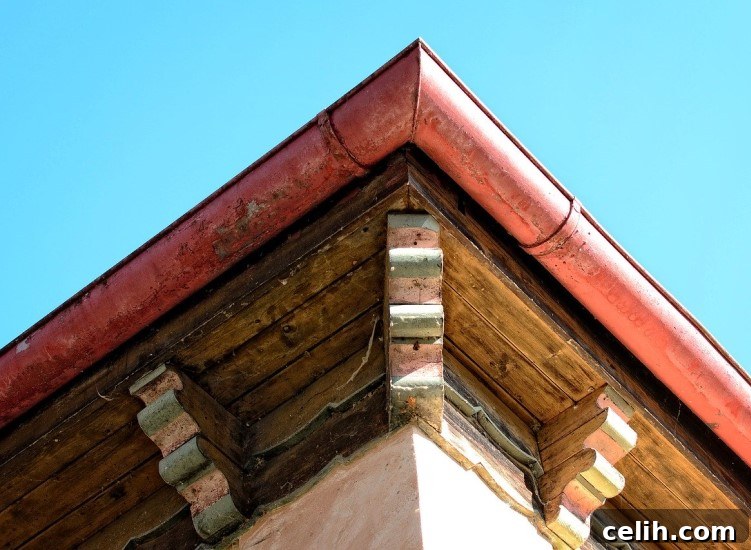
At Fresh Design, we believe in shedding light on all aspects of home maintenance, even those often overlooked. While it might not be the most glamorous topic, understanding and maintaining your home’s guttering system is absolutely crucial for protecting your property. Neglected or damaged gutters can lead to a host of expensive problems, from unsightly puddles and landscape erosion to severe structural damage and internal water intrusion. Regular inspection and timely maintenance are key to keeping your home in excellent condition and preserving its value. This comprehensive guide will explore everything you need to know about types of guttering, their essential functions, and vital maintenance tips.
The Essential Role of Guttering: Protecting Your Home from the Elements
In many parts of the world, including the UK, homes are constantly exposed to significant rainfall. Your roof is designed to channel rainwater efficiently, but it’s the guttering system that performs the critical task of collecting this water and directing it safely away from your home’s foundation. As rainwater cascades down the sloped roof, it collects into the gutters fixed along the eaves. From there, it flows into downpipes, which then discharge the water either into a main drainage system, a storm sewer, or into rain barrels for garden use. This seemingly simple system is your home’s first line of defense against water damage.
When this system functions effectively, it prevents water from pooling around your foundation, eroding landscaping, damaging siding, or seeping into basements and crawl spaces. However, if gutters become blocked by leaves, twigs, or other debris, or if sections are broken or missing, water will overflow at these weak points. This uncontrolled water flow can lead to severe issues, including foundation damage, wood rot on fascia boards and soffits, mold and mildew growth, and even costly basement flooding. Proactive and regular maintenance is not just a recommendation; it’s an essential investment in your home’s structural integrity and long-term health. Reputable roofing companies like Easy Roofing offer comprehensive solutions, from high-quality seamless gutter installations to routine maintenance, ensuring your rainwater management system remains robust and efficient, effectively protecting your property year-round.
Exploring Guttering Materials: Choosing the Best System for Your Home
Modern guttering systems are available in a diverse range of materials, each offering distinct advantages in terms of durability, aesthetics, cost, and maintenance requirements. Understanding these differences is crucial for making an informed decision that suits your home’s architectural style, your local climate, and your budget.
Plastic (Vinyl) Guttering
Plastic, or vinyl, guttering is a popular choice for homeowners seeking an economical and easy-to-install solution. It’s lightweight, resistant to rust and corrosion, and comes in various colors that often don’t require painting. Its interlocking sections make it a favored option for DIY enthusiasts. However, plastic can become brittle and crack in extreme temperatures, both hot and cold, and may sag over time if not adequately supported. While functional, some homeowners find its appearance less appealing compared to metal alternatives, often giving a less premium look to a property.
Metal Guttering Options
Metal gutters offer enhanced durability and a more sophisticated aesthetic, albeit often at a higher cost and with more complex installation processes.
- Aluminum Guttering: Widely used, aluminum gutters strike an excellent balance between cost, durability, and appearance. They are lightweight, rust-proof, available in a vast array of colors, and can be installed as seamless systems, significantly reducing the potential for leaks. While generally robust, aluminum can dent from strong impacts or heavy ladders.
- Steel Guttering (Galvanized/Galvalume): Steel gutters, especially those treated with galvanized or Galvalume coatings, are exceptionally strong and highly resistant to warping, making them ideal for areas with heavy snow or ice. They offer superior durability and longevity. However, steel is heavier and more expensive than aluminum, and if its protective coating is scratched, it can be susceptible to rust. Installation often requires professional expertise due to its weight and rigidity.
- Zinc Guttering: Known for its exceptional longevity and unique aesthetic, zinc guttering develops a beautiful natural patina over time, evolving from a shiny silver to a matte blue-gray. Zinc is highly durable, corrosion-resistant, and has a “self-healing” quality where minor scratches will naturally blend in. It’s a premium option with a higher upfront cost and requires specialized installation techniques, as it can react with certain roofing materials like copper or cedar.
- Copper Guttering: The pinnacle of luxury and durability, copper gutters are incredibly long-lasting, often exceeding 100 years with proper care. Like zinc, copper develops a stunning, distinctive patina over time, transitioning from a bright sheen to a rich verdigris green. It adds significant curb appeal and historical elegance to any home. Copper is rust-proof and requires minimal maintenance, but its high cost and specialized installation make it a significant investment.
- Cast Iron Guttering: Traditionally used on period properties, cast iron guttering offers unparalleled strength and a classic, robust aesthetic. It’s extremely heavy-duty and can last for many decades if regularly maintained and painted to prevent rust. However, its significant weight necessitates very strong fascia boards and professional installation. Cast iron is prone to rust if its paintwork is compromised and can crack if subjected to severe impacts or freezing water expansion.
When selecting a guttering material, consider your home’s style, the local climate (e.g., heavy snow, extreme heat), your budget, and whether you prefer a DIY approach or professional installation. Each material has its unique characteristics, influencing both the functionality and the aesthetic appeal of your home’s exterior.
Elegant Alternatives: The Charm and Functionality of Rainchains
For homeowners looking to add a unique aesthetic touch to their home’s exterior, rainchains offer a beautiful and functional alternative to traditional downpipes. Originating in Japan, rainchains consist of a series of decorative metal cups, bowls, or links that guide rainwater gracefully from the gutter’s edge to the ground or a designated drain. Instead of water flowing unseen within a pipe, it cascades visually down the chain, creating a soothing sound and a captivating display.
Rainchains are typically made from copper, brass, or aluminum, allowing them to develop a lovely patina over time that enhances their visual appeal. They come in various styles, from simple link chains to intricate cup designs, making them a focal point in garden areas, courtyards, or even at the entrance of a home. For installation, a rainchain needs to be securely attached to the gutter outlet and positioned directly above a drain, a splash block, or a decorative basin to manage the water at the ground level. While they are a stunning decorative element, it’s important to note their limitations: in exceptionally heavy rainfall, rainchains can sometimes struggle to cope with the sheer volume of water, potentially leading to some splashing. However, for most conditions and as a design feature, they provide an elegant and enchanting way to manage rainwater runoff.
Comprehensive Gutter Maintenance: Safeguarding Your Home’s Foundation
Regular and thorough gutter maintenance is paramount to ensuring your home’s rainwater management system operates effectively and efficiently. Neglecting your gutters can lead to a cascade of problems, from minor inconveniences to major structural damage that can be costly to repair. The most common culprit for guttering issues is a blockage, especially if your property is surrounded by trees that shed leaves and debris.
Seasonal Gutter Cleaning
It’s advisable to clean your gutters at least twice a year: once in late spring after tree pollen and small debris have fallen, and again in late autumn after most leaves have dropped. If you have numerous overhanging trees, you might consider more frequent checks. This task, while not glamorous, is crucial for preventing obstructions. Arm yourself with a sturdy ladder (always ensure someone is holding it for safety), durable rubber gloves, and a bucket or gutter scoop. Carefully remove all accumulated leaves, twigs, dirt, and other debris. While you’re up there, take the opportunity to inspect all joints, hangers, and fixings to ensure they are still secure and in good condition. After clearing debris, flush the gutters with a garden hose to check for proper drainage and identify any hidden blockages or leaks in the gutter troughs or downpipes.
Inspecting for Damage and Wear
Beyond blockages, the guttering itself can sustain damage. Plastic piping, for instance, can become brittle and crack due to extreme temperature fluctuations or impacts, often requiring complete section replacement. Metal guttering, while more durable, can corrode over time, especially cast iron if its protective paint layer is compromised. Look for signs of sagging gutters, which indicate loose hangers or accumulated weight from debris and water. Check for detached sections, cracks, holes, or rust spots. Timely repairs, such as sealing small cracks or replacing damaged sections, can prevent minor issues from escalating into major problems. For metal gutters, small holes or cracks might be patchable, but plastic damage usually necessitates replacement of the affected length.
Addressing Downpipe Issues
If you notice excessive water pooling around your home’s foundation, the downpipes may be the source of the problem. Ensure that the end of each downpipe is securely positioned to discharge water correctly, ideally into a drain, a splash block, or away from the foundation. Downpipes can sometimes become dislodged or blocked at the elbow or near the ground-level drain opening. Re-positioning a misaligned downpipe and clearing any debris from the drain’s grid will allow water to flow freely, preventing localized flooding and protecting your home’s perimeter.
Considering Gutter Guards and Professional Services
To reduce the frequency of gutter cleaning, especially in heavily treed areas, consider installing gutter guards or screens. These systems are designed to allow water to enter the gutter while keeping larger debris like leaves and twigs out. While no gutter guard is entirely maintenance-free – they still require occasional checks to ensure they aren’t themselves clogged or displaced – they significantly minimize the build-up of debris. Different types exist, including mesh screens, reverse-curve systems, and foam inserts, each with varying levels of effectiveness and cost.
For multi-story homes, complex gutter systems, or if you prefer to leave the task to experts, hiring professional gutter cleaning and maintenance services is a wise decision. Professionals have the right equipment, experience, and safety protocols to effectively clean and inspect your entire system, providing peace of mind and ensuring your gutters are in optimal working condition.
In conclusion, a well-maintained guttering system is a critical, yet often underestimated, component of home protection. By understanding the types of gutters available and adhering to a regular maintenance schedule, you can prevent costly water damage, preserve your home’s structural integrity, and enhance its overall longevity and aesthetic appeal. Don’t let this unsung hero of home care be forgotten – inspect your gutters today!