
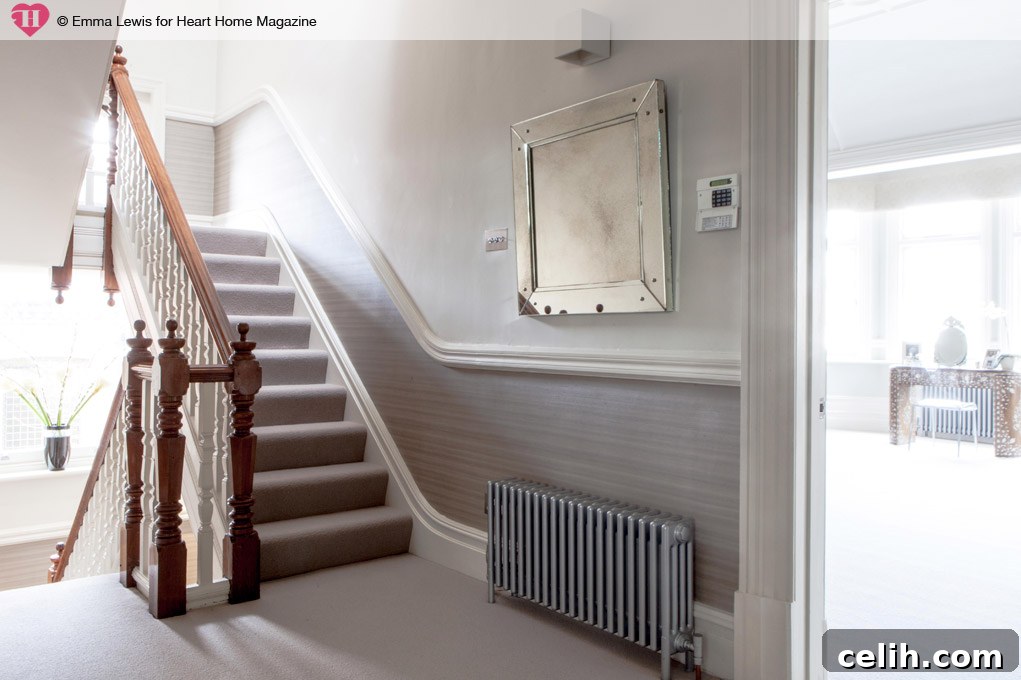
The Ultimate Guide to Skirting Boards: Choosing the Perfect Profile for Your Home
Often underestimated and overshadowed by more prominent elements, the humble skirting board (also known as a baseboard in North America) plays a surprisingly pivotal role in defining the aesthetic and functional integrity of an interior space. Far from being a mere afterthought, these essential architectural details are crucial for a polished finish, seamlessly blending walls and floors. With an extensive array of skirting board profiles available, selecting the right design is paramount, as it can significantly enhance or detract from a room’s overall appeal and character. Beyond their aesthetic contribution, skirting boards also offer practical benefits, protecting the lower part of your walls from everyday knocks, scuffs, and impacts, while neatly concealing expansion gaps that are necessary for many flooring types.
Understanding the diverse range of styles, materials, and functional aspects of skirting boards is the first step towards making an informed decision that complements your home’s unique style and meets your practical needs. Whether you’re renovating a period property, modernizing a contemporary home, or simply looking to refresh a family space, the right skirting can elevate your interior design to new heights, adding depth, character, and practical resilience.
Skirting Boards for Contemporary Homes: Embrace Simplicity and Clean Lines
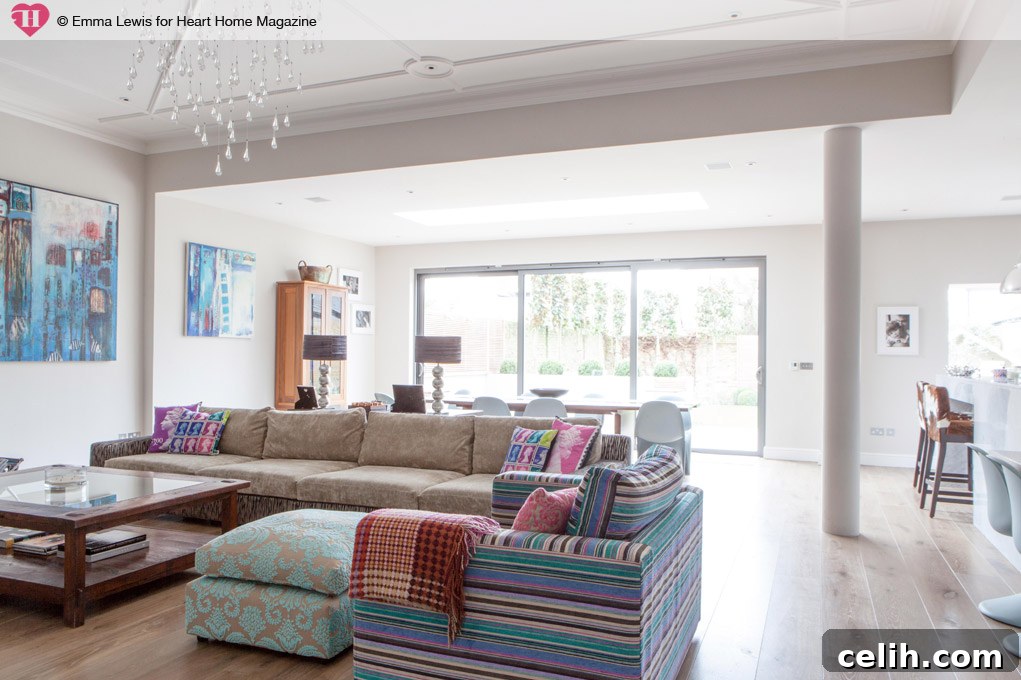
In contemporary interior design, the ethos often revolves around minimalism, clean lines, and uncluttered spaces. Skirting boards designed for modern homes typically reflect this philosophy, featuring understated profiles that do not draw undue attention but rather provide a neat, cohesive edge to the walls. The focus in modern aesthetics tends to be on the broader decorative scheme – the furniture, artwork, and open spaces – making subtle skirting boards the ideal choice. Simple profiles like ‘Pencil Round’, ‘Bullnose’, ‘Chamfered’, or ‘Square Edge’ are particularly popular, offering a sleek, unfussy finish that complements contemporary architecture and allows other design elements to shine.
However, opting for minimalism doesn’t mean sacrificing impact. Taller skirting boards, even with simple profiles, can be incredibly effective in modern rooms, especially when aiming to create an illusion of greater space and height. When painted in the same colour as the walls, a taller skirting board creates a seamless visual flow, drawing the eye upwards and effectively “stretching” the wall. This trick makes the ceilings look higher than they are, adding an airy, expansive feel to smaller rooms. Furthermore, contemporary designs sometimes feature flush skirting, where the board is recessed into the wall for an ultra-sleek, almost invisible look, or shadow gap skirting, which creates a subtle channel between the wall and floor, emphasizing clean lines and a modern floating aesthetic.
Choosing Materials and Finishes for Modern Interiors
For contemporary homes, materials like high-quality MDF (Medium Density Fibreboard) are often preferred due to their smooth finish, stability, and ease of painting. Pre-primed MDF skirting boards are particularly convenient, ready to be painted to match your chosen wall colour or a complementary shade. While traditional timber also works, MDF offers excellent value and versatility for achieving a crisp, modern look. The finish itself is important; a matte or satin finish on your skirting can contribute to the understated elegance of a modern space, providing a sophisticated backdrop, while a high-gloss finish can add a touch of contemporary glamour and light reflection. Consider also the sustainability aspect, as many MDF options are made from recycled wood fibres.
Skirting Boards for Older Homes and Traditional Period Properties: Embrace Character and History
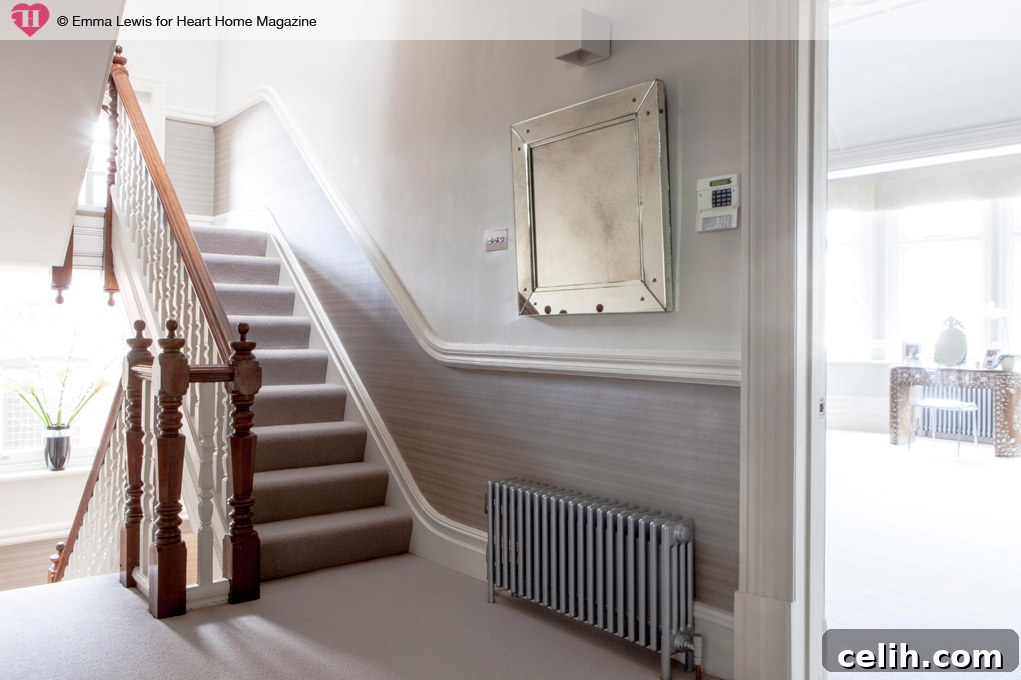
For homes brimming with historical charm or traditional period properties, the skirting board transforms from a functional necessity into a vital decorative element. Here, plain and simple designs are often overlooked in favour of more elaborate and ornate profiles that celebrate the architectural heritage of the building. These decorative skirting boards are designed to complement the interior décor, echoing period details found in cornices, ceiling roses, and door architraves, providing the perfect finishing touches that speak of craftsmanship and timeless elegance. The right profile can instantly transport a room back to its original grandeur, enhancing its inherent character and warmth.
Different eras boast distinctive skirting styles. Victorian homes, for instance, are renowned for their grand, tall skirting boards with intricate Ogee or Torus profiles, reflecting the era’s opulence and attention to detail. Edwardian properties often feature slightly simpler yet still substantial designs like ‘Lambs Tongue’, which blends elegance with a touch more restraint, while Georgian homes might incorporate more classical, symmetrical profiles that emphasize proportion and balance. Even Art Deco properties can be identified by their unique, often geometric skirting patterns, adding a distinctive flair. Choosing a profile that authentically matches or sympathetically complements your home’s architectural period is key to maintaining its integrity and enhancing its inherent character.
The Perfect Match: Skirting Boards and Architrave
To achieve a truly cohesive and historically accurate look, many suppliers offer skirting board profiles that perfectly match or complement their corresponding architrave designs. Architraves frame doorways and windows, much like skirting boards frame the floor, acting as crucial transitional elements. By selecting coordinating designs, you can create a uniform aesthetic throughout your home, ensuring that all joinery elements work in harmony. This attention to detail elevates the entire interior, making each room feel thoughtfully designed and authentically restored, creating a sense of continuity and historical accuracy that is highly desirable in period properties.
When it comes to materials for older homes, solid timber (such as pine, oak, or tulipwood) is a popular choice, offering exceptional durability and a traditional feel. The natural grain of timber can be stained or varnished to highlight its beauty, or painted to blend with the decor. However, high-density MDF is also an excellent option, especially for intricate designs, as it can be easily moulded and finished to a high standard, often indistinguishable from timber once painted. The key is to select a material and profile that respects the property’s heritage while also meeting modern standards of durability and finish, ensuring longevity and ease of maintenance.
Skirting Boards for Busy Family Homes: Durability Meets Practicality
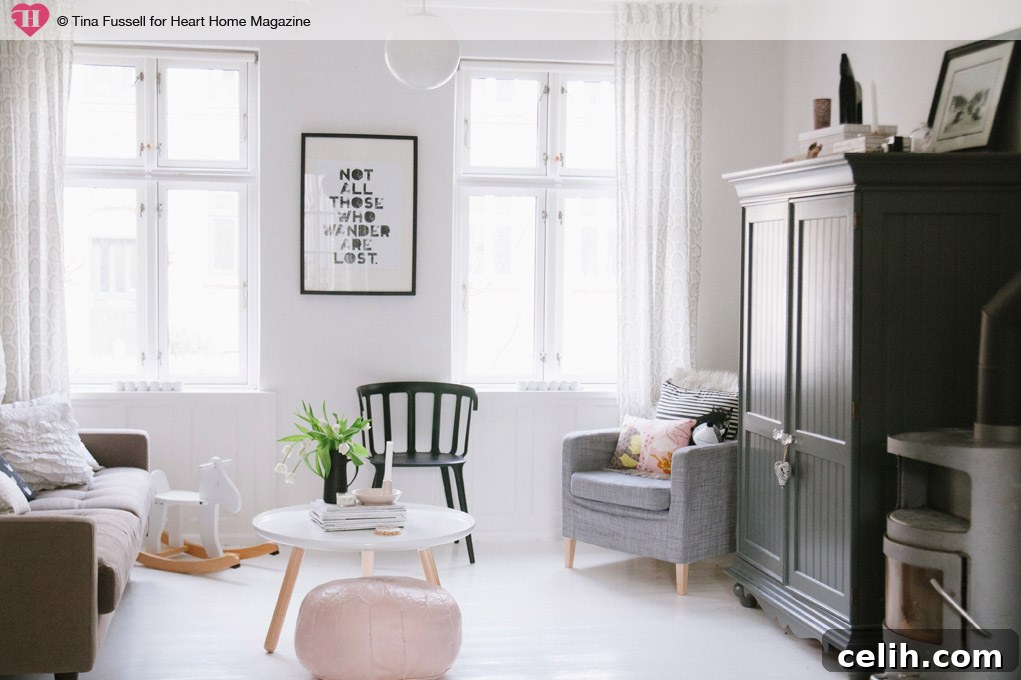
Family homes are hubs of activity, often experiencing the delightful chaos of young children, playful pets, and the general hustle and bustle of daily life. When selecting skirting boards for such environments, practicality and durability should take precedence without compromising on style. The ideal skirting board for a busy family home needs to withstand the inevitable knocks, scuffs, and impacts from toys, vacuum cleaners, and active feet. A simple yet hardwearing design with robust features is often the most sensible choice, minimizing the need for constant repairs and cleaning.
Rounded edges, for instance, are not only easier to clean but also present a safer option in homes with small children, reducing the risk of sharp corners causing bumps or scrapes during play. Profiles like ‘Bullnose’, ‘Ovolo’, or a simple ‘Pencil Round’ are excellent choices, offering durability and ease of maintenance. These profiles lack intricate details that could easily chip or break, making them highly resilient. In contrast, intricate details and sharp edges, while beautiful in a traditional setting, can trap dust and dirt, making cleaning more challenging, and are more prone to chipping in high-traffic areas, which is often the case in family homes.
Key Considerations for Family-Friendly Skirting
- Material Choice: Opt for materials known for their resilience. Moisture-resistant MDF (MR MDF) is a fantastic choice, especially in kitchens, bathrooms, or playrooms, as it stands up well to cleaning and occasional spills, preventing swelling or warping. Hardwood skirting, while initially more expensive, offers exceptional durability and can often be sanded and refinished if heavily damaged, providing long-term value.
- Finish: A durable, washable paint finish is essential. Satin or eggshell paints are typically hardwearing and easy to wipe clean, resisting marks and scuffs better than delicate matte finishes. Consider a robust, pre-primed skirting that’s ready for a tough topcoat, ensuring a professional and long-lasting finish. Gloss finishes are also incredibly durable and easy to clean, though their high sheen might not suit all aesthetics.
- Height: Taller skirting boards can offer more protection to the wall above from rogue toys, vacuum cleaner bumps, and general foot traffic, acting as a robust barrier. They also make a bigger statement if you want to use them as a design feature, adding a sense of grandeur that can still be practical.
- Ease of Repair: Minor damage is almost inevitable in a busy household. Choose a skirting board that can be easily touched up or repaired. Simple profiles are much easier to fill, sand, and paint over than highly detailed ones, allowing for seamless spot repairs without requiring extensive redecoration.
Skirting Boards for Homes with Pets: Practicality Meets Pet-Friendly Design
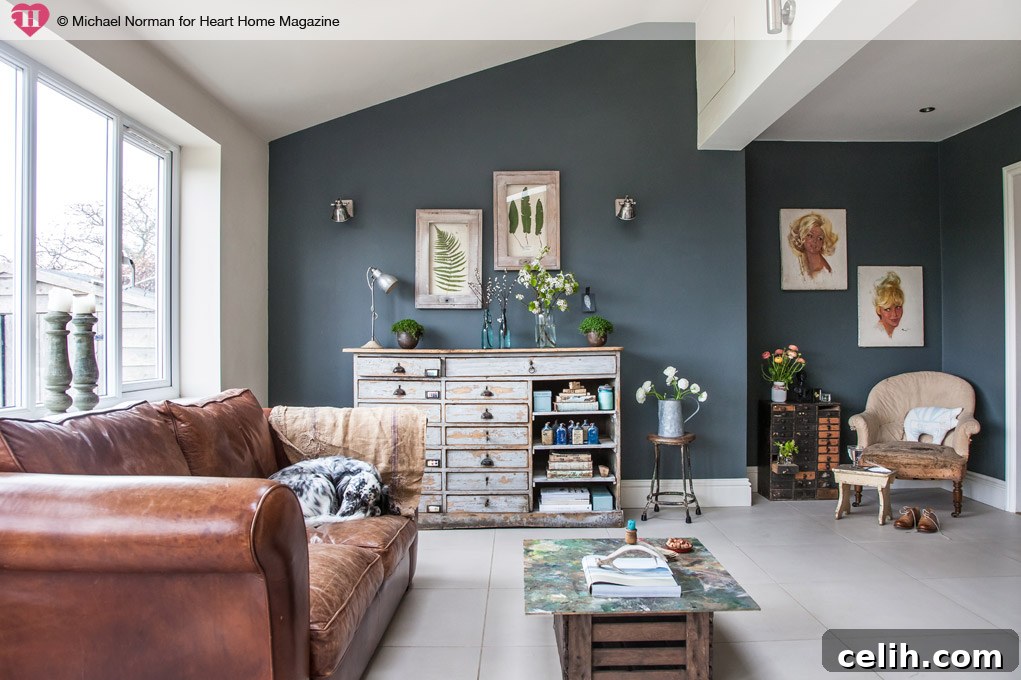
Pet owners understand that furry friends, while bringing immense joy, can also pose unique challenges to home interiors. Lively dogs might scratch at skirting boards out of excitement or boredom, curious cats might use them as scratching posts, and mud or dirt from paws can accumulate along the base of the walls. Therefore, selecting a pet-friendly skirting board design is a thoughtful consideration that can save you significant time and effort in maintenance and repair. The key here is resilience, ease of cleaning, and the ability to quickly touch up any minor damage without hassle.
A simple, plain, and straightforward skirting board design, free from minimal ridges or elaborate decorative features, is generally the best approach for homes with pets. Profiles like ‘Square Edge’, ‘Pencil Round’, or ‘Chamfered’ are ideal. These smooth surfaces are less appealing for scratching than textured or grooved designs, easier to wipe clean of paw prints, drool, and dirt, and significantly simpler to repair should any scratches or knocks occur. Complex profiles with intricate grooves and carvings can not only trap pet hair and dirt, making them a nightmare to keep clean, but also offer more purchase for claws, increasing the likelihood of damage.
Protecting Your Skirting from Pet Wear and Tear
- Durable Finishes: Opt for high-quality, washable paints, such as satin or semi-gloss, which create a harder, more resistant surface. These finishes are also much easier to wipe clean with a damp cloth, effectively tackling muddy paw prints, dust, and other pet-related grime. Some paints even offer enhanced scratch resistance.
- Material Choice: Hardwood skirting offers excellent durability and can be sanded down and refinished if deep scratches occur, making it a good long-term investment. However, high-density MDF is a cost-effective alternative that, when properly primed and painted, provides a robust surface that can withstand typical pet-related wear and tear, and is easy to patch repair.
- Strategic Placement and Protection: If certain areas are prone to heavy pet traffic or are a favourite scratching spot, consider using tougher materials, applying protective clear coatings, or even placing strategic furniture or pet beds to deter unwanted attention to the skirting.
- Quick Touch-Ups: Keep a small pot of your skirting board paint handy for quick touch-ups. Simple, plain profiles allow for seamless spot repairs, making it incredibly easy to maintain a pristine look even in a busy pet household, covering any minor scuffs or scratches before they become noticeable.
Beyond the Profile: Essential Skirting Board Considerations
Material Matters: Understanding Your Options
The choice of material for your skirting boards significantly impacts their durability, appearance, and cost. Each material has its own set of advantages and characteristics, making it suitable for different applications and budgets:
- MDF (Medium Density Fibreboard): Highly popular due to its smooth finish, stability, and cost-effectiveness. MDF is excellent for painting, doesn’t warp or split like solid wood, and is available in moisture-resistant (MR MDF) varieties ideal for bathrooms and kitchens, offering great versatility.
- Softwood (e.g., Pine): A traditional and affordable option, often chosen for its natural wood grain which can be stained, varnished, or painted. Pine is relatively easy to work with but can be prone to knots and minor imperfections, requiring preparation before finishing. It offers a classic look that can be adapted to many styles.
- Hardwood (e.g., Oak, Ash, Walnut): Offers superior durability, a luxurious aesthetic, and a timeless appeal. Hardwood skirting is often chosen for its natural beauty, which is showcased through staining or clear varnishing. It’s more expensive than MDF or softwood but provides excellent longevity and can be a significant architectural feature.
- PVC: A highly durable, waterproof, and low-maintenance option. PVC skirting is often used in commercial settings or areas prone to high moisture, such as utility rooms and bathrooms, though it may not offer the same aesthetic versatility or traditional feel as wood or MDF.
Height and Thickness: Proportionality is Key
The dimensions of your skirting board profoundly influence the perception of a room’s scale and design. As a general rule, choosing the right height and thickness ensures aesthetic balance and functional robustness:
- Height: Taller skirting boards (150mm and above) tend to suit rooms with higher ceilings and larger dimensions, adding a sense of grandeur and formality. Shorter skirting boards (70-120mm) are often preferred in rooms with lower ceilings or contemporary minimalist designs, where they provide a subtle, discreet finish. However, as noted for modern homes, tall skirting can also create an illusion of height, making this a flexible design element.
- Thickness: Thicker skirting boards (18-25mm) offer greater durability and a more substantial feel, often preferred in period properties or high-traffic areas where they need to withstand more impact. Thinner boards (12-15mm) are sleeker and more discreet, suitable for minimalist aesthetics or where space is a premium, and often complement more delicate door architraves.
Consider the scale of your room and other architectural features. Skirting boards should be proportionate to your ceiling height and the thickness of your door architraves for a harmonious look that feels naturally integrated into the space.
The Power of Paint: Customizing Your Skirting Boards
Whatever style and design of skirting board you ultimately choose, remember that paint offers an incredible opportunity for customization and personalization. The colour and finish of your skirting boards can dramatically alter the feel of a room, creating different moods and visual effects:
- Match the Walls: Painting skirting boards the same colour as your walls creates a cohesive, streamlined look, often used in contemporary spaces to make rooms feel larger and ceilings appear higher, blurring the line between wall and floor.
- Classic White: White skirting boards offer a timeless and versatile choice, providing a crisp contrast against darker walls or a clean, fresh look with lighter hues. It visually separates the wall from the floor, adding definition and a traditional touch that works in almost any setting.
- Contrasting Colour: Introduce a bold splash of contrasting colour to your skirting boards to draw attention to them and create a strong design statement. This can be particularly effective in adding character and a playful element to an otherwise neutral room, or accentuating a period feature.
- Match the Floor or Architrave: For a different kind of seamless flow, especially in traditional homes, you might choose to match your skirting boards to your flooring or door architraves, unifying these elements and creating a highly custom and sophisticated look.
Always use a high-quality primer and appropriate topcoat for durability and a professional finish. Different sheen levels (matte, eggshell, satin, gloss) also contribute to the final aesthetic, offering varying degrees of reflection, light play, and durability, so choose according to both style and practical needs.
Conclusion: The Unsung Hero of Interior Design
Far from being a mere functional strip, the skirting board is an unsung hero of interior design, wielding significant power to define the character, style, and practicality of any room. From the sleek, minimalist lines that grace contemporary urban apartments to the ornate, historically rich profiles that honour the grandeur of period homes, the right skirting board is more than just a decorative accent – it’s an essential foundation. By carefully considering your home’s architectural style, the practical demands of your household, and your personal aesthetic preferences, you can select a skirting board that not only protects your walls but also acts as a silent, yet powerful, statement piece that ties the entire room together.
Investing time in choosing the perfect skirting board profile, material, and finish will undoubtedly contribute to a cohesive, polished, and beautifully finished interior that truly reflects your taste and lifestyle. So, next time you walk into a room, take a moment to appreciate these often-overlooked details – they might just be the secret ingredient to its charm and the quiet guardian of your home’s enduring beauty.
All images courtesy of Heart Home Magazine
(Disclosure: Collaborative post)