
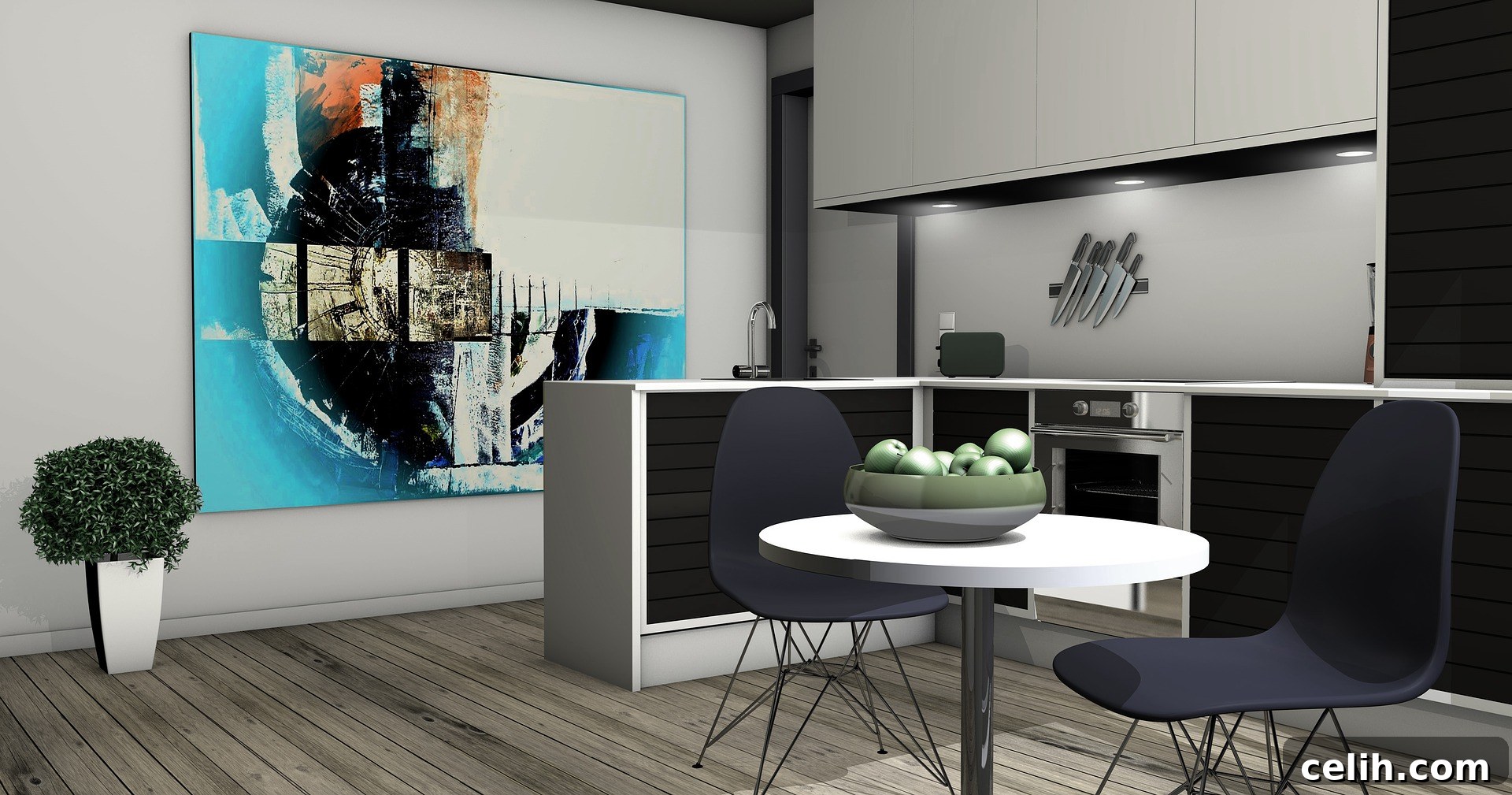
Embarking on a kitchen remodeling journey is an exciting venture, but it’s also a significant investment that goes far beyond merely selecting aesthetically pleasing cabinets or a dazzling backsplash. The kitchen often serves as the heart of the home—a hub for cooking, entertaining, and daily family life. Therefore, ensuring your kitchen renovation project is executed flawlessly is paramount. Whether you’re dreaming of integrating the latest smart appliances, refreshing your space with contemporary color schemes, or upgrading to a sophisticated new style of fittings, meticulous planning and expert guidance are crucial to achieving a result that is both functional and beautiful, standing the test of time and enhancing your home’s value.
To help you navigate the complexities of a kitchen overhaul and ensure your efforts translate into a truly successful and satisfying transformation, we’ve compiled six essential remodeling tips. These insights are designed to guide you through key decisions and empower you to create the kitchen you’ve always envisioned.
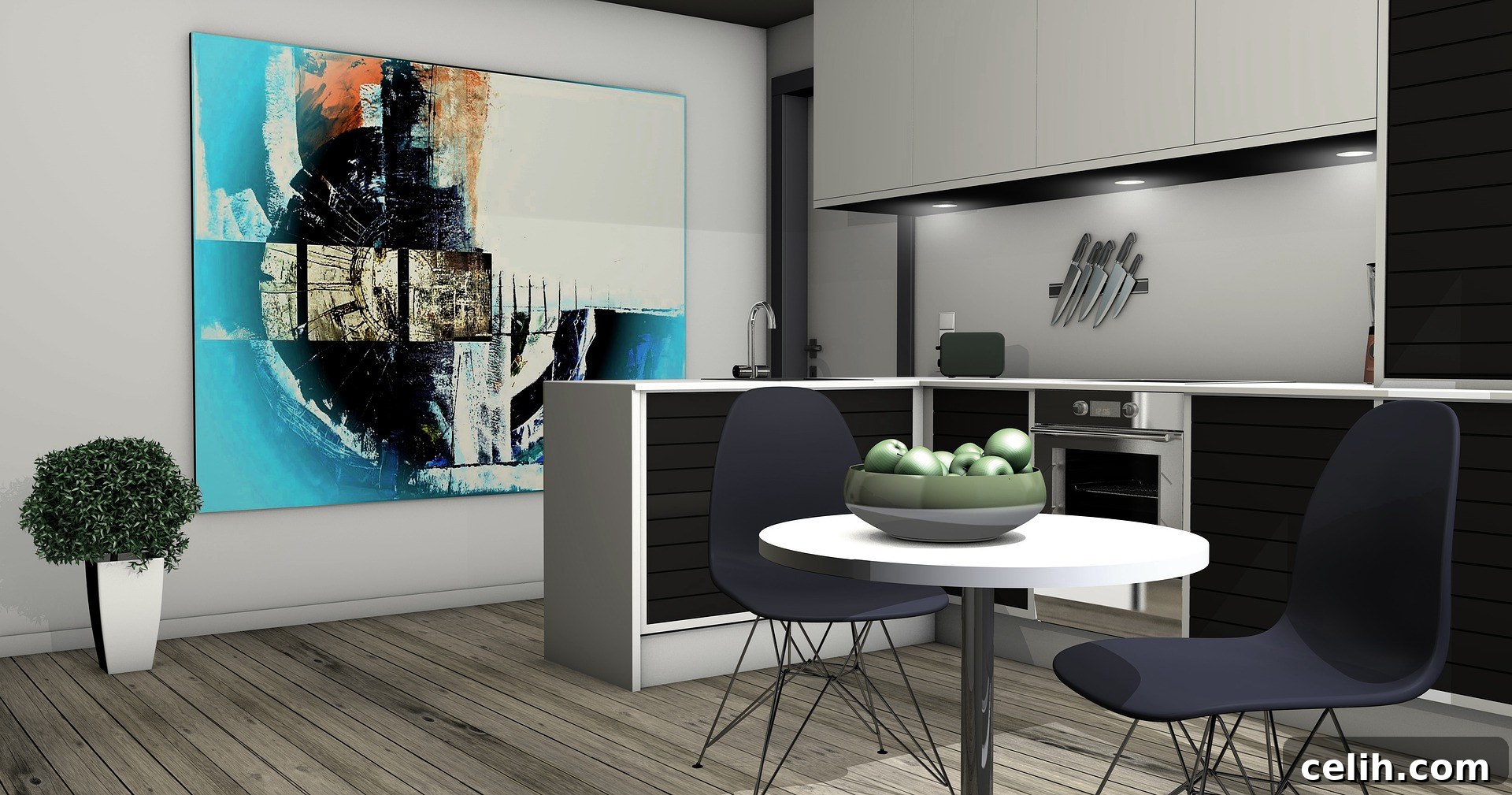
#1: Lay the Foundation with a Comprehensive Master Plan
When your kitchen remodeling aspirations extend beyond superficial changes, such as a simple countertop replacement or a fresh coat of paint on existing cabinets, resisting the temptation to bypass professional design expertise is critical. A kitchen renovation project, especially one involving layout changes, structural modifications, or significant material upgrades, demands a holistic and detailed plan. Engaging a professional kitchen designer is not an indulgence but a shrewd investment that can ultimately save you substantial amounts of money and time.
A seasoned designer brings invaluable experience to the table. They possess an intimate understanding of spatial dynamics, workflow optimization, material properties, and the latest trends in remodeling. They can translate your vague ideas into concrete blueprints, anticipate potential challenges, and suggest innovative solutions you might not have considered. From initial concept development to final material selection, a professional designer will craft a meticulous plan that encompasses every detail, ensuring seamless execution. This comprehensive approach helps in avoiding costly blunders, design missteps, and unexpected delays that can significantly inflate your budget and extend your project timeline. Their expertise ensures that your new kitchen is not only aesthetically stunning but also highly functional, ergonomically sound, and perfectly tailored to your lifestyle.
#2: Strategic Preparation: Make All Decisions Upfront
Once you’ve partnered with a professional designer and a detailed kitchen remodeling plan is firmly in place, the next crucial step is to finalize every single decision regarding the elements within your kitchen. One of the most prevalent causes for budget overruns and project delays stems from making product choices spontaneously during the renovation process itself, rather than diligently deciding everything from the outset.
To maintain control over your budget and timeline, dedicate ample time with your designer to select all appliances—from the refrigerator and oven to the dishwasher and microwave—ensuring their precise dimensions and specifications are accounted for. Beyond appliances, this preparatory phase includes choosing your countertops, flooring materials, backsplash tiles, cabinet styles and finishes, hardware (knobs and pulls), sink, faucet, and even lighting fixtures. Having these decisions locked in before construction begins means your contractor can order materials well in advance, minimizing lead times and ensuring everything arrives when needed. This foresight prevents last-minute scrambles, potential supply chain issues, and the need to compromise on your ideal choices due to availability. Being prepared with all your selections upfront empowers you to stay within your financial parameters, stick to your schedule, and avoid the stress of rushed decisions during the active phase of your kitchen transformation.
#3: Prioritize Professional Plumbing Consultation
The functionality of your kitchen hinges significantly on its plumbing infrastructure, affecting everything from your sink and dishwasher to your refrigerator’s ice maker and any future under-counter appliances. Regardless of the scope of your renovation, consulting with a professional plumber is an absolute necessity. Overlooking this vital step can lead to a multitude of potential errors, ranging from minor leaks to significant structural damage, all of which are costly and time-consuming to rectify.
This consultation becomes even more critical if your kitchen remodeling plan involves altering the existing layout, which often means relocating key items like the sink, dishwasher, or even a washing machine. Moving these fixtures requires extending or rerouting water supply lines, drainage pipes, and potentially gas lines for ranges. A qualified plumber will assess the current plumbing system, identify any limitations, and advise on the most efficient and code-compliant ways to achieve your desired layout. They ensure proper water pressure, adequate drainage, and adherence to local building codes and safety regulations. Collaborating with a plumber early in the design phase guarantees that your new kitchen’s utilities are not only optimally placed for functionality and aesthetics but are also installed safely and reliably, preventing future headaches and ensuring the longevity of your investment.
#4: Revitalize with Bright White: A Timeless Cabinet Transformation
One of the most substantial expenses in any kitchen renovation often lies in the investment of new cabinetry. However, if your existing kitchen cabinets are structurally sound and in good condition, a complete overhaul may not be necessary. Instead, consider a remarkably cost-effective and aesthetically impactful solution: giving them a brand-new lease on life with a fresh coat of bright white paint. This interior designer-recommended approach works wonders for outdated or tired-looking cabinets, instantly brightening and expanding the perception of your kitchen space without the hefty price tag of full replacement.
The process involves more than just slapping on paint. For a professional, durable finish, you must first meticulously clean the cabinets to remove any grease and grime. This is followed by a thorough sanding to create a smooth surface for adhesion, and then applying a high-quality primer to ensure the paint adheres properly and evenly. Finally, two or more coats of good quality white semi-gloss paint will provide a resilient and easy-to-clean finish that stands up to daily kitchen use. To truly complete the transformation, adding new hardware—such as modern knobs or sleek pulls—will dramatically enhance the brightness and overall contemporary appeal, elevating your kitchen’s style significantly while saving a considerable portion of your renovation budget.
#5: Quick Cabinet Update: The Power of New Doors
While painting can dramatically refresh existing cabinetry, there might be instances where your cabinet doors are simply too aged, damaged, or outmoded to be salvaged effectively by just a fresh coat of paint. Yet, if the internal structure of your cabinet boxes remains robust and perfectly functional, there’s an excellent middle-ground solution that offers a significant aesthetic upgrade without the full expense or disruption of replacing entire cabinet units: cabinet refacing, primarily by installing new doors and drawer fronts.
This strategic approach allows you to completely change the style and material of your kitchen’s visible cabinetry. You simply need to take precise measurements of your existing cabinet openings and then select a new door style and finish that aligns with your desired kitchen aesthetic. Options range from contemporary flat-panel designs to classic shaker styles, available in various materials like solid wood, thermofoil, or MDF with different paintable or stained finishes. Beyond just doors, you can also apply matching veneers or panels to the exposed sides of your existing cabinet boxes to create a cohesive, custom-built look. This method is considerably less disruptive and often more budget-friendly than a complete tear-out and installation of new cabinets, offering a quick yet impactful way to achieve a dramatically updated kitchen appearance with minimal fuss.
#6: Illuminate Your Space: Masterful Kitchen Lighting Design
One of the most transformative elements in any renovation, and particularly crucial for a kitchen, is the implementation of an intelligent and layered lighting plan. Effective kitchen lighting goes beyond mere illumination; it impacts functionality, mood, and the overall aesthetic appeal of the space. A well-designed lighting scheme integrates various types of fixtures to serve different purposes, ensuring your kitchen is always bright, inviting, and practical.
Start with ambient lighting, which provides general illumination for the entire room. Recessed lighting or attractive ceiling-mounted fixtures are excellent choices for this. Next, incorporate task lighting to brighten specific workstations where you’ll be cooking, chopping, and preparing food. Under-cabinet strip lighting is invaluable here, eliminating shadows and providing clear visibility on countertops. Pendants can serve a dual purpose, offering both stylish accents and focused task lighting over islands, peninsulas, or sinks. Additionally, consider accent lighting to highlight architectural features, display shelving, or create a warm, inviting atmosphere with in-cabinet lighting or toe-kick illumination. The ability to dim lights or adjust color temperature can further enhance versatility, allowing you to transition effortlessly from bright, functional lighting for cooking to softer, more ambient lighting for entertaining. By strategically layering these different light sources, you can ensure your kitchen is not only beautifully lit but also incredibly functional and adaptable to every need.
Remodeling your kitchen is a journey that requires foresight, creativity, and strategic decision-making. By embracing these six expert tips, you equip yourself with the knowledge to navigate the process confidently. From securing professional design guidance and making proactive decisions about materials, to ensuring essential plumbing is meticulously planned and leveraging smart updates for cabinets and lighting, each step contributes to a successful outcome. The ultimate goal is to create a kitchen that is not just visually stunning but also highly efficient, resilient, and a true reflection of your personal style, ready to be the vibrant heart of your home for many years to come.