
Transforming Your Wooden Building: A Comprehensive Guide to Cozy and Stylish Decor
Embarking on the journey of decorating your wooden building or garden retreat is an exciting endeavor that promises to transform a simple structure into a personalized sanctuary. Whether it’s a charming log cabin, a modern timber-framed garden office, or a rustic summerhouse, wood offers an inherently warm, natural, and inviting canvas. Its organic beauty provides a timeless backdrop, allowing for a vast array of interior design styles, from minimalist Nordic chic to cozy, traditional rustic charm. If you’ve just acquired your wooden haven or are simply looking to refresh its aesthetic, understanding how to harness the unique qualities of wood is the first step towards creating a space you’ll never want to leave.
The inherent character of wood instantly evokes a sense of comfort and connection to nature. This natural foundation simplifies the decoration process, as the material itself brings so much personality. However, mastering the art of wooden building decor involves thoughtful planning, especially concerning light, color, and texture. While the initial thought might feel overwhelming—where to begin, what style to choose, which materials blend best—rest assured that wood’s versatility makes it incredibly forgiving and fun to experiment with. Your wooden building is more than just a structure; it’s an extension of your lifestyle, a place for relaxation, creativity, or even productive work, and its decor should reflect that purpose beautifully.
Maximizing Light: Illuminating Your Wooden Sanctuary
One of the most crucial considerations when decorating a wooden interior, particularly with darker wood tones, is lighting. The rich, deep hues of timber walls, while beautiful, can sometimes absorb light, leading to a feeling of confinement or even claustrophobia if not properly addressed. The key is to embrace and enhance both natural and artificial light sources to create an airy, expansive atmosphere.
Harnessing Natural Light
Natural light is your best friend in a wooden space. Maximizing its ingress can instantly uplift the mood and make a room feel larger and more open. If your wooden building is still in the design phase, consider incorporating larger windows or even skylights. For existing structures, focus on making the most of what you have. Keep window treatments light and airy. Opt for sheer, translucent curtains in light tones (whites, creams, soft pastels) that filter sunlight gently without blocking it entirely. Roller blinds or Roman shades in light fabrics can also offer privacy without sacrificing daylight. Avoiding heavy, dark drapes is essential to prevent the space from feeling weighed down. Additionally, strategically placed mirrors opposite windows can work wonders by reflecting natural light deeper into the room, creating an illusion of greater depth and brightness. The benefits of natural light extend beyond aesthetics, contributing positively to mood and overall well-being.
Strategic Artificial Lighting
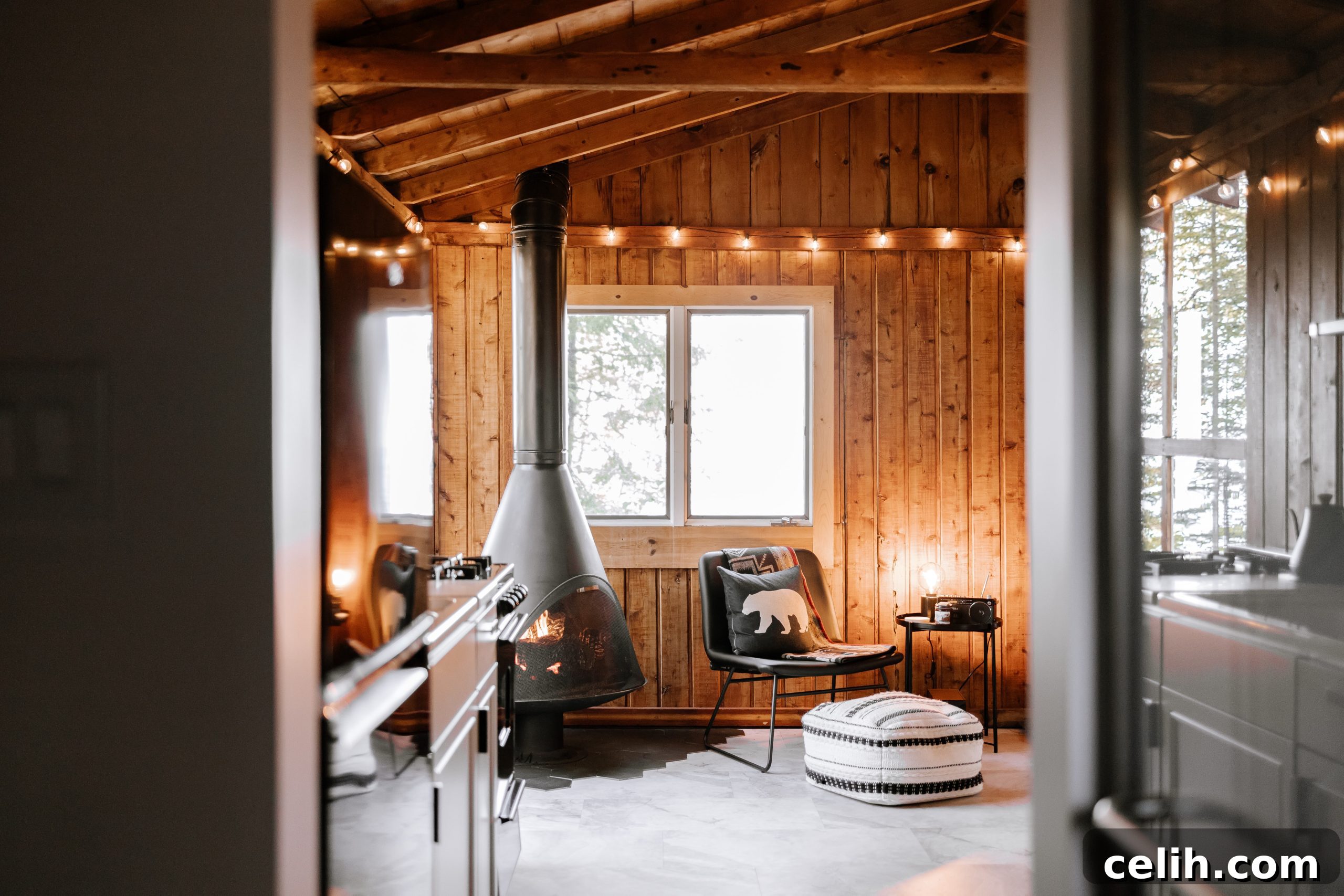
Beyond natural light, a well-planned artificial lighting scheme is paramount. Layering different types of light creates depth and ensures every corner feels inviting. Start with ambient lighting, which provides overall illumination—think flush mounts, track lighting, or recessed lighting, ideally with dimmers to adjust the mood. Supplement this with task lighting, such as reading lamps by armchairs or under-cabinet lights in a small kitchenette area, to illuminate specific activities. Finally, accent lighting can highlight architectural features or artwork, adding a touch of drama and warmth. Fairy lights, string lights, and uplights can cast a soft glow that enhances the cozy cabin feel. Choose warm-toned LED bulbs to complement the natural warmth of the wood rather than cool-toned lights that might feel stark.
The Power of Color: Lightening the Load
Don’t be afraid to introduce lighter colors to balance the dominance of wood. Painting parts of the internal structure—like ceilings, window frames, or even an accent wall—in white or off-white shades can instantly brighten the space and create a stark, yet harmonious, contrast with the natural timber. This approach is particularly effective in smaller wooden buildings where light reflection is critical. If painting walls isn’t an option or desired, choose furniture, rugs, and accessories in neutral tones like cream, beige, light grey, or even soft pastels. These colors reflect light, making the room feel more spacious and less enclosed. A large, light-colored area rug, for instance, can anchor the room and brighten the floor space significantly.
Harmonizing Materials and Textures: Building Depth and Comfort
Once the lighting strategy is in place, you can delve into the exciting world of furniture, materials, and decorative details. Wood, being a foundational element, pairs beautifully with a surprising array of other textures, allowing you to craft a multi-dimensional and tactile space.
Blending Modernity with Rustic Charm
Consider materials that complement wood’s organic feel while adding a touch of contemporary flair or traditional robustness. Glass and iron are exceptional choices. Iron fixtures—be it a minimalist light pendant, a sturdy shelving unit, or elegant chair legs—introduce an industrial-chic edge that contrasts beautifully with the softness of wood. Glass, on the other hand, contributes to the feeling of spaciousness and clarity. Opt for furniture pieces with glass elements, such as coffee tables with glass tops, display cabinets with glass doors, or even internal glass partitions if your layout allows. These transparent elements prevent the space from feeling heavy and reflect light, further enhancing the sense of amplitude.
Layering Textiles for Ultimate Coziness
To truly transform your wooden building into a lounging spot you’ll never want to leave, layering textiles is indispensable. Introduce rich, tactile materials like leather, faux fur, wool, and linen. An inviting leather armchair, plush faux fur throws draped over a sofa, soft wool rugs underfoot, and linen cushions can instantly elevate the comfort factor. Stick to neutral tones for larger textile pieces to maintain a serene aesthetic, but don’t shy away from incorporating subtle patterns or richer accent colors through smaller items like throw pillows or decorative blankets. These elements invite touch and create a sense of luxurious warmth, perfect for chilly evenings. In warmer months, these heavier textures can be stored away, allowing the more minimalist, rustic aspects of the wood to shine, perhaps complemented by lighter cotton or linen fabrics.
Thoughtful Furniture Selection
When selecting furniture, consider both aesthetics and functionality. In smaller wooden buildings, multi-functional pieces are invaluable—an ottoman with storage, a sofa bed, or nesting tables can save space without compromising style. Choose furniture that complements the scale of your room; oversized pieces can overwhelm a compact space, while too many small items can make it feel cluttered. For an authentic rustic vibe, salvaged or antique wooden pieces can add character, creating a beautiful interplay with the existing timber. Alternatively, Scandinavian-inspired designs with clean lines and light wood finishes can bring a sense of modern simplicity.
Personalizing Your Space: Art, Decor, and Greenery
A wooden building, with its inherent charm, is an ideal backdrop for showcasing personal style. Don’t let the wood walls deter you from hanging art or incorporating decorative elements. When styled properly, a few well-chosen pictures or even wall art pieces will look fantastic, adding character and warmth.
Curated Wall Decor
Consider a gallery wall with various frame styles and sizes, mixing family photos with nature-inspired prints or abstract art that complements your chosen color palette. Tapestries or woven wall hangings can add another layer of texture and absorb sound, making the space feel even cozier. Floating shelves can display books, ceramics, or small sculptures, breaking up the expanse of wooden walls while providing functional storage and display areas. The key is to select pieces that resonate with you and contribute to the overall ambiance, without overwhelming the natural beauty of the wood.
Bringing Nature Indoors: Greenery and Organic Elements
One of the most effective ways to enhance the natural feel of your wooden building is by bringing the outdoors in. Houseplants, in stylish pots or hanging planters, add vibrancy, purify the air, and soften the lines of the interior. Succulents, ferns, or trailing plants can thrive in various light conditions and infuse life into any room. Think about placing larger potted plants in corners to fill empty spaces, or smaller arrangements on shelves and tables. Beyond live plants, consider incorporating other organic elements: a bowl of polished river stones, a collection of dried flowers, or even a branch used as a decorative accent can reinforce the connection to nature that a wooden structure inherently provides. These simple additions enhance beauty and create a calming, restorative atmosphere.
Creating an Inviting Exterior: Seamless Indoor-Outdoor Living
The decor journey doesn’t stop at the threshold. The exterior of your wooden building offers a wonderful opportunity to extend your style and create a cohesive indoor-outdoor living experience. Think of it as a natural extension of your interior design, inviting you to enjoy your surroundings.
Functional and Stylish Outdoor Furnishings
Wickerwork pieces, such as comfortable benches, small tables, or even an outdoor lounge chair, are perfect for garden buildings. They offer a stylish spot to enjoy a good book during warm afternoons or a morning coffee amidst nature. For ultimate relaxation, why not install a hammock bed? It’s a wonderful place to unwind and adds a charming, bohemian touch to your special retreat. Choose durable, weather-resistant materials for outdoor furniture, such as treated wood, rattan, or powder-coated metal, ensuring they withstand the elements while maintaining their aesthetic appeal.
Exterior Lighting and Landscaping
Just as interior lighting is crucial, exterior lighting can transform your wooden building’s facade and surrounding area after dusk. String lights draped across a porch, lanterns hanging from eaves, or solar-powered path lights can create a magical ambiance and enhance safety. Small potted plants, strategically placed flower arrangements, or even a tiny herb garden by the entrance can further integrate the structure into its natural environment, making it feel less like an addition and more like an integral part of your garden landscape. Consider a small stepping stone path leading up to the entrance, enhancing the inviting approach.
Seasonal Adaptability and Final Touches
One of the joys of decorating a wooden building is its adaptability to the changing seasons. Heavier textiles and rich colors can provide warmth and coziness in winter, while lighter fabrics and brighter accents can refresh the space for spring and summer. This flexibility allows your wooden sanctuary to evolve, always feeling current and comfortable. Don’t forget the power of scent—diffusers with essential oils like cedarwood or pine can subtly reinforce the natural, tranquil atmosphere.
Ultimately, decorating your wooden building is about creating a space that feels personal, comfortable, and reflective of its natural surroundings. By thoughtfully considering lighting, materials, textures, and personal touches, you can transform your wooden structure into a beautiful, functional, and deeply relaxing haven that truly embodies the spirit of warmth and well-being.