
Creating a home that is truly accessible and effortless to navigate is a fundamental aspect of enhancing the quality of life for anyone facing mobility challenges. Whether you or a cherished family member experiences limited mobility due to the natural process of aging, a temporary injury, or a permanent disability, implementing thoughtfully designed additions and modifications can transform your living space into a haven of safety, comfort, and unwavering accommodation. This comprehensive guide delves into some of the most impactful and practical mobility enhancements you can integrate into your home, fostering greater independence and peace of mind for everyone.
Embracing Universal Design: Why Mobility Additions Are Essential for Modern Homes
The concept of universal design advocates for creating environments that are usable by all people, to the greatest extent possible, without the need for adaptation or specialized design. Integrating mobility-friendly additions into your home is a direct application of this principle, significantly improving the quality of life by systematically dismantling accessibility barriers. These modifications enable individuals to navigate their personal environment with newfound confidence and dignity, transforming living spaces from mere structures into supportive ecosystems. Beyond meeting immediate physical demands, these enhancements cultivate an atmosphere of comfort, convenience, and profound respect for every resident’s autonomy. They allow individuals to “age in place” – remaining in their familiar home environment longer – and provide essential support during recovery from injuries or managing chronic conditions. Investing in an accessible home is not just a practical decision; it’s an investment in independence, well-being, and a more inclusive future.
Transforming Your Home: Key Mobility-Friendly Additions for Enhanced Living
Here are some of the most impactful and practical additions you can consider to make your home a truly inclusive and accessible space for yourself and your loved ones, promoting safety, comfort, and unrestricted movement throughout every corner of your property.
- Ramps: Paving the Way for Seamless Entry and Exit
- Stairlifts: Effortless Navigation Between Levels
- Grab Rails: Essential Support for Stability and Fall Prevention
- Widened Doorways: Creating Unrestricted Movement Within Your Home
- Walk-In Showers and Baths: Safe and Comfortable Bathroom Solutions
- Non-Slip Flooring: Mitigating the Risk of Falls
- Lever-Style Door Handles: Enhancing Accessibility for All
- Adjustable-Height Worktops and Sinks: Tailored Comfort and Functionality
- Smart Home Technology: The Future of Accessible Living
- Wheelchair-Friendly Landscaping: Accessible Outdoor Spaces
Ramps stand out as one of the most fundamental and universally recognized mobility additions, serving as an indispensable alternative to stairs. They significantly ease the process of entering and exiting a home for wheelchair users, individuals using walkers, and anyone with limited mobility. When considering a ramp, meticulous attention must be paid to its design and installation. Crucially, it must feature a gentle slope, ideally adhering to ADA (Americans with Disabilities Act) guidelines where applicable, to ensure maximum safety and ease of use. A non-slip surface is also paramount, providing secure traction in various weather conditions. Ramps can be custom-built from an array of durable materials, including sturdy wood, lightweight yet robust aluminum, or long-lasting concrete. This versatility allows them to be seamlessly integrated into your home’s existing design and landscape, whether as a permanent structure, a modular system, or a portable solution for temporary needs. Proper planning ensures that the ramp not only functions perfectly but also complements your home’s aesthetic, making it an invaluable part of an accessible home.
For multi-level homes, the presence of stairs can pose a significant and often insurmountable barrier for individuals with mobility challenges. A stairlift offers an ingenious and invaluable solution, acting as a motorized chair that smoothly glides along a rail discreetly mounted to the staircase. This innovative device empowers users to move effortlessly and safely between different floors of their home, reinstating their independence and eliminating the risk associated with climbing stairs. Stairlifts have evolved considerably, with modern versions offering a vast array of sophisticated features designed for comfort, convenience, and paramount safety. These can include foldable seats to keep the staircase clear for other users, secure safety belts, swivel seats for easy dismounting, and intuitive remote controls. Available for both straight and curved staircases, and even outdoor applications, the cost of a stairlift can vary widely depending on the model, features, and complexity of installation. Investing in a stairlift is a strategic decision for creating an accessible and future-proof home, offering a reliable pathway to continued independence.
Simple in design yet profoundly effective in function, grab rails (commonly known as grab bars) are indispensable mobility aids designed to provide critical support and enhance stability. Strategically placed, they dramatically reduce the risk of falls in areas where they are most likely to occur, such as bathrooms, near toilets and showers, along staircases, and in hallways. These sturdy fixtures offer a reliable handhold, assisting users in maintaining balance when sitting, standing, or transitioning between movements. Grab rails are available in a variety of styles, finishes, and materials, ensuring they can blend seamlessly with your home’s decor. More importantly, they offer versatile installation options; they can be mounted horizontally for pulling up, vertically for balance support, or at an angle to assist with specific movements like exiting a shower. Proper installation, typically into wall studs or with heavy-duty anchors, is crucial to ensure they can withstand substantial weight and provide dependable support, making them a cornerstone of home safety for individuals with limited mobility.
Narrow doorways present one of the most significant and often frustrating obstacles for wheelchair users, individuals utilizing scooters, or even those relying on wider walkers. The inability to pass freely between rooms can severely limit independence and comfort within one’s own home. Widening doorways to a minimum of 32-36 inches (or greater, depending on specific mobility device dimensions) can dramatically enhance accessibility, transforming confined spaces into areas of unrestricted movement. While this modification may involve structural changes, such as adjusting door frames and possibly altering nearby wall sections, the profound improvement in mobility, freedom, and overall quality of life it provides is an investment well worth considering. This change allows for seamless transitions between living areas, kitchens, bathrooms, and bedrooms, fostering a more inclusive and functional home environment where every space is easily reachable and usable by all residents.
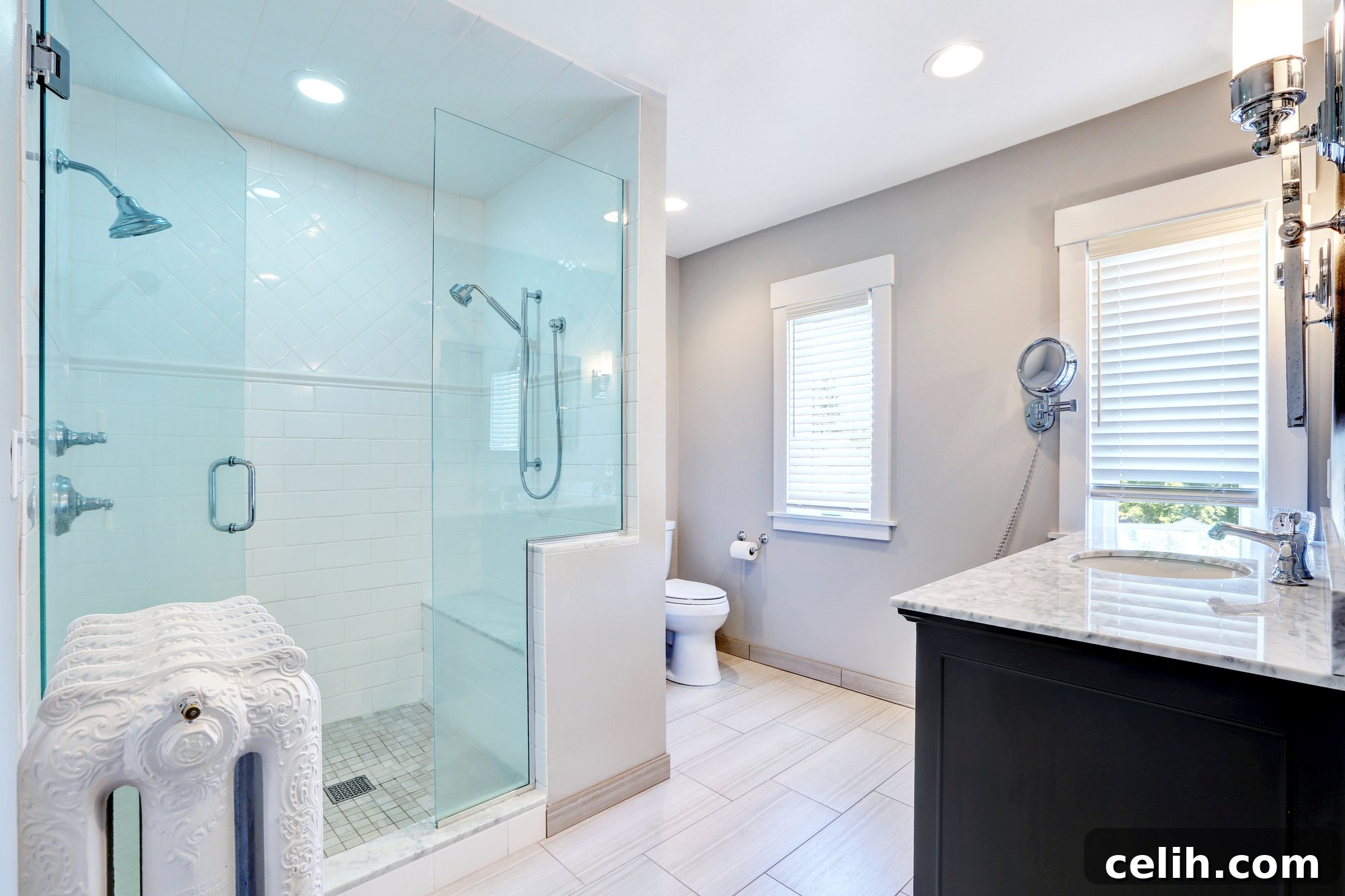
For individuals with mobility issues, bathrooms frequently represent the most challenging and potentially hazardous rooms in a home. Traditional bathtubs and showers, with their high ledges and slippery surfaces, can be notoriously difficult to access and pose a significant risk of slips and falls. Walk-in showers and baths are meticulously designed to eliminate these barriers, featuring low or entirely threshold-free entry points that allow for effortless access, often even for wheelchair users. Many advanced models incorporate a suite of safety-enhancing features, including built-in seating for comfort and stability, integrated grab rails for secure support, and non-slip surfaces throughout to maximize traction. Walk-in showers can be spacious and barrier-free, allowing for roll-in access, while walk-in baths often include a watertight door for easy entry before filling. These thoughtful bathroom transformations not only prioritize safety but also restore dignity and independence, turning a once-daunting task into a comfortable and secure personal routine.
Slips and falls constitute a prevalent and dangerous hazard for individuals with mobility challenges, often leading to serious injuries. A critical step in creating a safer, more accessible home is to replace inherently slippery flooring materials with robust non-slip alternatives. This strategic modification significantly reduces the risk of accidents by providing superior traction. A wide range of non-slip flooring options is available, including durable textured vinyl, resilient rubber, certain types of matte-finish or textured ceramic and porcelain tiles, and even cork flooring. These materials are engineered to offer enhanced grip, even when wet, making them perfectly suited for high-risk areas such as kitchens, bathrooms, laundry rooms, and entryways where moisture is common. Beyond their practical safety benefits, modern non-slip flooring also comes in various designs and colors, allowing for both functionality and aesthetic appeal, contributing to a secure and stylish accessible home environment.
Traditional round door knobs, requiring a twisting and grasping motion, can present considerable difficulty for individuals with limited hand strength, dexterity issues, or conditions like arthritis. Lever-style door handles offer a vastly superior and more accessible alternative. Their design allows them to be operated with a simple downward push, making them easy to manipulate with a closed fist, an elbow, or even minimal hand pressure. This seemingly minor change can have a profound impact on daily independence, allowing individuals to open doors effortlessly throughout their home. Replacing all traditional door knobs with lever handles throughout the home can greatly enhance overall accessibility and flow, ensuring smooth transitions between rooms without frustrating struggles. Furthermore, lever handles are available in a wide range of stylish designs and finishes, ensuring that accessibility enhancements do not compromise your home’s aesthetic appeal.
In key areas like kitchens and bathrooms, where daily tasks involving preparing food, washing dishes, or personal grooming take place, fixed-height worktops and sinks can be highly impractical for individuals with varying mobility needs. Adjustable-height worktops and sinks provide an innovative and ergonomic solution, allowing these essential features to be raised or lowered to suit the user’s specific requirements. This adaptability is particularly beneficial for wheelchair users, enabling them to comfortably access surfaces and sinks without straining. It also accommodates individuals who may have difficulty bending, reaching, or standing for extended periods, or those with varying heights. Many advanced models can be adjusted electronically with the mere touch of a button, offering unparalleled convenience and promoting greater independence in daily routines. This customization transforms utilitarian spaces into highly personalized and functional areas, central to an accessible and comfortable home.
Smart home technology represents a revolutionary leap forward in enhancing accessibility and independence for individuals with mobility challenges. Voice-activated assistants, such as Amazon’s Alexa, Google Home, or Apple’s Siri, empower users to control a vast array of household functions using simple verbal commands. This includes adjusting lighting, regulating thermostats, locking doors, and even operating entertainment systems, all without requiring physical effort or movement. Beyond voice control, automated lighting systems can activate upon entry or on a schedule, motorized blinds can be opened or closed remotely, and smart locks can be managed from anywhere. These interconnected devices create an integrated, responsive home environment that significantly boosts convenience, security, and safety. By minimizing the need for physical interaction with switches and controls, smart home technology allows users to manage their living space with unprecedented ease, fostering a deeper sense of control and autonomy in an accessible home.
True home accessibility extends beyond the interior walls, encompassing the outdoor environment as well. Thoughtful wheelchair-friendly landscaping ensures that garden areas, patios, and pathways are just as accessible as the inside of the home, promoting engagement with nature and facilitating outdoor activities. Key considerations include the creation of smooth, even pathways constructed from materials like compacted gravel, pavers, or concrete, with adequate width (at least 36 inches) and gentle slopes where gradients are necessary. Accessible garden beds, particularly raised garden beds, are incredibly beneficial as they allow individuals to enjoy gardening without the need for uncomfortable bending or kneeling. This promotes physical activity, mental well-being, and a continued connection with hobbies. Additionally, accessible seating areas, strategically placed lighting for evening navigation, and clear routes to entryways all contribute to a comprehensive outdoor mobility plan, making the entire property a cohesive, accessible living space.
Investing in Independence: The Lasting Benefits of an Accessible Home
Creating a home that is truly accessible and accommodating for individuals with mobility challenges requires meticulous planning, informed decisions, and the integration of thoughtful, purpose-driven additions. By strategically incorporating features such as gentle ramps, effortless stairlifts, sturdy grab rails, and cutting-edge smart home technology, you can cultivate a living environment that is not only inherently safer and more comfortable but also deeply empowering. These enhancements transcend mere convenience; they are vital investments in promoting independence and fostering a profound sense of self-reliance for those navigating mobility limitations. Furthermore, these modifications offer invaluable peace of mind for their loved ones, knowing that their family members can live securely and comfortably. Whether you are contemplating minor adjustments or embarking on comprehensive renovations, these essential mobility additions play a crucial role in ensuring your home remains a sanctuary of comfort, dignity, and enduring independence for years to come.