
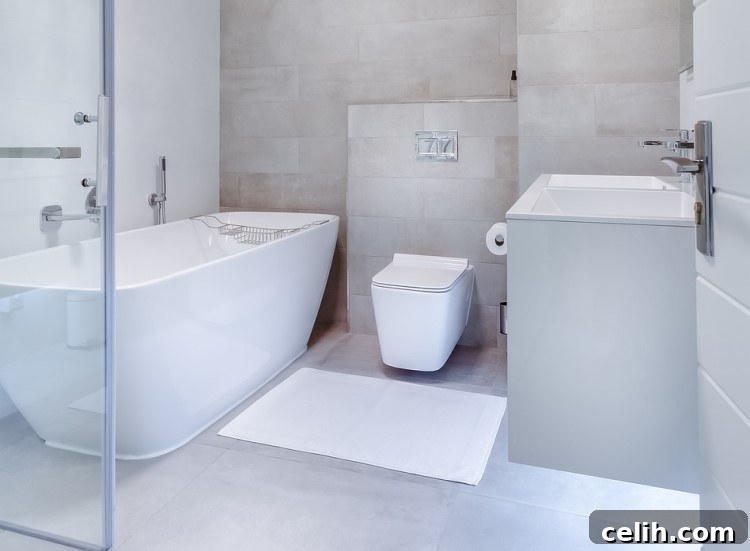
Choosing the right flooring for your bathroom is one of the most critical decisions during a renovation or new build. Unlike other rooms in your home, bathrooms present unique challenges: constant exposure to moisture, the need for slip resistance, and a desire for both aesthetic appeal and easy maintenance. With so many options available today, from time-honored classics to cutting-edge materials, making the perfect choice can feel overwhelming. This comprehensive guide aims to simplify your decision-making process by exploring a variety of popular bathroom flooring options, detailing their distinct advantages and disadvantages. We’ll delve into the characteristics of each material, helping you balance durability, style, safety, and budget to achieve the bathroom of your dreams.
1. Porcelain Flooring: The Robust and Versatile Choice
Porcelain tiles have long been a favored option for bathrooms, and for good reason. Engineered from dense clay fired at extremely high temperatures, porcelain boasts a non-porous surface that makes it exceptionally resistant to water absorption. This inherent characteristic ensures that moisture simply beads on the surface, preventing water damage, mold growth, and staining, making it an ideal candidate for wet environments like bathrooms.
Beyond its impressive practicality, porcelain offers an unparalleled aesthetic versatility. Manufacturers have mastered the art of creating porcelain tiles that can convincingly mimic the appearance of other materials, including natural wood, luxurious stone, and even concrete, complete with realistic textures and intricate patterns. If you’ve ever dreamt of a classic wood floor in your bathroom but were deterred by concerns about warping or water damage, wood-effect porcelain tiles present a stunning and low-maintenance alternative that looks surprisingly authentic. The sheer variety in size, shape, color, and finish means there’s a porcelain tile to complement any bathroom design, from minimalist modern to rustic farmhouse.
Pros of Porcelain Flooring:
- Exceptional Water Resistance: Its non-porous nature makes it virtually impervious to water, preventing damage and mold.
- High Durability: Porcelain is incredibly tough, resistant to scratches, chips, and heavy foot traffic, ensuring a long lifespan.
- Low Maintenance: Easy to clean with just water and mild detergent, and highly stain-resistant.
- Versatile Aesthetics: Available in an extensive range of designs, colors, patterns, and textures, including highly realistic wood and stone effects.
- Hygienic: The dense surface prevents the absorption of allergens and bacteria, contributing to a healthier environment.
- Underfloor Heating Compatible: Excellent thermal conductivity allows it to work seamlessly with underfloor heating systems, addressing the ‘cold underfoot’ issue.
Cons of Porcelain Flooring:
- Cold Underfoot: Without underfloor heating, porcelain can feel cold, especially in cooler climates. This can be mitigated with strategic rug placement.
- Hard Surface: While durable, the hard surface can be unforgiving if items (or people) are dropped on it.
- Heavy: Porcelain tiles are denser and heavier than some other options, which might require consideration for subfloor support in older homes.
- Installation Complexity: Due to its hardness, cutting and installing porcelain can be more challenging and often requires professional expertise, which can increase overall project cost.
2. Engineered Wood Flooring: Warmth and Natural Elegance
Natural wood flooring, in its solid form, has traditionally been considered a problematic choice for bathrooms due to its susceptibility to moisture, which can lead to warping, rotting, and the development of unsightly gaps. However, engineered wood flooring offers a compelling solution, providing the undeniable beauty and warmth of real wood with significantly enhanced stability for environments prone to humidity.
Unlike solid wood, engineered wood is constructed from multiple layers. A core of high-density fiberboard (HDF) or plywood is topped with a thin veneer of real hardwood. This layered construction makes engineered wood far more dimensionally stable than solid wood, meaning it’s less prone to expanding and contracting with changes in temperature and humidity. While it looks and feels like traditional solid wood, its internal structure is designed to better withstand moisture, making it a viable, albeit cautious, option for bathrooms.
Pros of Engineered Wood Flooring:
- Natural Beauty and Warmth: Provides the authentic look and feel of real wood, adding a timeless elegance and inviting warmth to the bathroom.
- Comfort Underfoot: It’s a softer and warmer surface to stand on compared to tile or stone, enhancing comfort.
- Improved Stability: The engineered construction offers greater resistance to warping and swelling from humidity fluctuations compared to solid wood.
- Adds Value: Real wood flooring, even engineered, can significantly increase the aesthetic appeal and resale value of your home.
- Repairable: Minor damage, such as scratches or scuffs, can often be removed by light sanding and refinishing (though the number of times this can be done depends on the thickness of the top veneer).
- Insulating Properties: Offers better thermal insulation than hard tiles, contributing to a warmer room.
Cons of Engineered Wood Flooring:
- Moisture Sensitivity: While more resistant than solid wood, engineered wood is not impervious to water. Standing water on the floor, prolonged puddles, or excessive humidity will eventually compromise the seal and damage the flooring, leading to swelling or delamination. Immediate cleanup of spills is crucial.
- Maintenance Requirements: Requires specific care, including regular cleaning with appropriate products and potential re-sealing to maintain its protective layer and appearance.
- Cost: Generally more expensive than ceramic tiles or LVT, though often less than solid hardwood.
- Limited Refinishing: The thin hardwood veneer limits the number of times the floor can be sanded and refinished, typically once or twice.
- Installation Considerations: Proper sealing around edges and careful installation are vital to prevent moisture ingress.
3. Ceramic Tiles: The Budget-Friendly and Versatile Standard
Ceramic tiles remain a staple in bathroom design, particularly for those seeking a balance between aesthetics, functionality, and cost-effectiveness. Made from natural clay, sand, and other minerals, ceramic tiles are fired at high temperatures and typically finished with a durable glaze. While generally more porous than their porcelain counterparts, modern ceramic tiles are still highly suitable for bathrooms, offering excellent moisture resistance when properly installed and maintained.
Their popularity stems from their impressive versatility and affordability. Ceramic tiles are available in an astounding array of colors, patterns, and sizes, ranging from classic subway tiles to intricate mosaics and large-format options. This allows homeowners to achieve virtually any design vision without breaking the bank. The glazed surface not only contributes to their aesthetic appeal but also provides a protective layer that makes them resistant to stains and easy to clean, adding to their practical charm.
Pros of Ceramic Tiles:
- Cost-Effective: Generally more affordable than porcelain, natural stone, or engineered wood, making them an excellent choice for budget-conscious renovations.
- Wide Design Selection: Offers a vast array of colors, shapes, patterns, and sizes to suit any design preference.
- Easy to Clean: The glazed surface makes ceramic tiles very easy to wipe down and maintain, resisting most stains.
- Durable: Despite being more porous than porcelain, they are still quite tough and can withstand daily wear and tear in a bathroom.
- Underfloor Heating Compatible: Like porcelain, ceramic tiles conduct and retain heat well, making them ideal for use with underfloor heating systems.
- DIY Friendly: While professional installation is always recommended for the best finish, ceramic tiles are often considered more accessible for DIY installation than porcelain due to being softer and easier to cut.
Cons of Ceramic Tiles:
- Chipping Potential: More prone to chipping than porcelain tiles, especially if a heavy object is dropped. Once chipped, they cannot be repaired and usually require replacement (keeping spare tiles is advisable).
- Porous Body: The unglazed body is more porous, meaning that if the glaze is compromised or the grout fails, moisture can be absorbed. Proper sealing of grout lines is essential.
- Cold Underfoot: Similar to porcelain, ceramic tiles can feel cold, especially without underfloor heating.
- Hard Surface: The hard surface can be uncomfortable for standing for long periods and offers no give if items are dropped.
- Grout Maintenance: Grout lines can accumulate dirt and mildew and may require regular cleaning and sealing to stay pristine.
4. Natural Stone: Unrivaled Luxury and Organic Beauty
Natural stone flooring encompasses a broad and magnificent category that includes elegant marble, rustic travertine, sophisticated slate, earthy limestone, and durable granite, among others. Each type of stone boasts its own unique geological characteristics, veining, color variations, and textures, ensuring that no two natural stone floors are ever exactly alike. This inherent individuality contributes significantly to the luxurious and bespoke feel that natural stone brings to any space, instantly transforming a bathroom into a high-end retreat.
However, this unparalleled beauty comes with considerations. Natural stone is a dense and heavy material. Therefore, any plan to install natural stone flooring will necessitate a thorough assessment of your subfloor to ensure it has the structural integrity to support the significant weight. While natural stone offers incredible durability against wear, its porous nature makes it vulnerable to certain types of damage if not properly cared for. Despite its challenges, for those seeking to create a truly distinctive and opulent bathroom, natural stone remains an unparalleled choice.
Pros of Natural Stone Flooring:
- Unrivaled Aesthetic Appeal: Offers a unique, luxurious, and timeless look that enhances the sophistication of any bathroom.
- Unique Patterns: As a natural material, each slab or tile is distinct, guaranteeing a one-of-a-kind floor.
- Increases Home Value: Natural stone is a high-end material that adds significant perceived and actual value to a property.
- Durability (with care): When properly sealed and maintained, natural stone can last for generations.
- Thermal Mass: Excellent at retaining heat, making it highly effective with underfloor heating systems.
- Can be Refinished: Many types of natural stone can be sanded and re-polished to restore their original luster and remove surface damage.
Cons of Natural Stone Flooring:
- High Cost: Natural stone is one of the most expensive flooring options, both in terms of material and professional installation.
- Porous Nature: Most natural stones are porous and highly susceptible to staining and etching from acidic substances (e.g., lemon juice, certain cleaning products).
- Requires Regular Sealing: To protect against moisture and stains, natural stone floors must be regularly sealed and potentially re-sealed, typically annually or bi-annually, depending on the stone type and traffic.
- Slippery When Wet: Polished natural stone can be extremely slippery in wet conditions. Opting for textured, honed, or tumbled finishes, or using anti-slip sealants, is crucial for safety.
- Cold Underfoot: Like porcelain, natural stone can feel very cold without underfloor heating.
- Heavy: Its significant weight demands a sturdy subfloor, which might require structural reinforcement in some homes.
- High Maintenance: Requires specific, pH-neutral cleaners and careful attention to spills to prevent damage.
5. Luxury Vinyl Tiles (LVT): The Smart, Practical, and Stylish Choice
For those seeking a flooring solution that combines exceptional practicality with impressive aesthetics at a pocket-friendly price, Luxury Vinyl Tiles (LVT) are an outstanding contender. LVT isn’t a traditional tile in the ceramic or porcelain sense; rather, it’s a sophisticated multi-layered synthetic product designed to replicate the look and feel of natural materials with remarkable accuracy. Constructed from several layers of PVC, including a high-definition printed design layer and a durable wear layer, LVT planks and tiles offer an incredibly realistic imitation of wood, stone, and even ceramic, often complete with authentic textures.
LVT is available in various formats, including planks (mimicking wood flooring) and tiles (mimicking stone or ceramic), and can be installed using a glue-down method or a convenient click-lock system, making it a favorite for both DIY enthusiasts and professional installers. Its construction makes it inherently water-resistant, with many modern LVT products now boasting 100% waterproof capabilities, making them an ideal and worry-free choice for bathrooms.
Pros of Luxury Vinyl Tiles (LVT) Flooring:
- Highly Water-Resistant (Often Waterproof): Its synthetic composition makes it extremely resistant to moisture, with many products being fully waterproof, perfect for bathrooms.
- Comfortable and Warm Underfoot: LVT is softer and warmer to the touch than ceramic, porcelain, or natural stone, enhancing comfort and providing better insulation.
- Excellent Sound Insulation: The multi-layered structure helps absorb sound, reducing noise in the bathroom.
- Wide Design Variety: Offers an incredible range of realistic wood, stone, and ceramic visuals, allowing for versatile design possibilities.
- Durable Against Wear: The protective wear layer makes LVT resistant to scratches, scuffs, and stains from everyday use.
- Affordable: Generally less expensive than natural materials like wood or stone, offering premium looks without the premium price tag.
- Easy Installation: Click-lock systems make DIY installation feasible, saving on labor costs.
- Low Maintenance: Simple to clean with a damp mop and mild cleaner; no special sealants or waxing required.
- Thin Profile: Its thinner construction makes it a good option if you have limited clearance under doors or fixtures during renovation.
Cons of Luxury Vinyl Tiles (LVT) Flooring:
- Not as Durable as Hard Tiles: While tough, LVT can still be scratched or dented by very sharp objects or heavy furniture, and may not have the same longevity as porcelain or stone.
- Can Fade: In areas exposed to prolonged direct sunlight, LVT can eventually fade over time, especially in lower-quality products.
- Not a “Natural” Material: For those who prioritize natural materials, LVT, being synthetic, may not be the preferred choice.
- Difficult to Repair: If a tile or plank is significantly damaged, it often requires replacing the entire piece, which can be challenging if it’s a glued-down installation or if replacement planks aren’t available.
- Environmental Concerns: As a PVC-based product, its environmental impact can be a concern for some, although many manufacturers are now offering greener, recyclable options.
Ultimately, the best bathroom flooring for your home will depend on a careful balance of your aesthetic desires, budget constraints, maintenance preferences, and the specific demands of your bathroom environment. By understanding the unique attributes of each option, you can make an informed decision that ensures beauty, durability, and comfort for years to come.
All images (c) Pixabay