
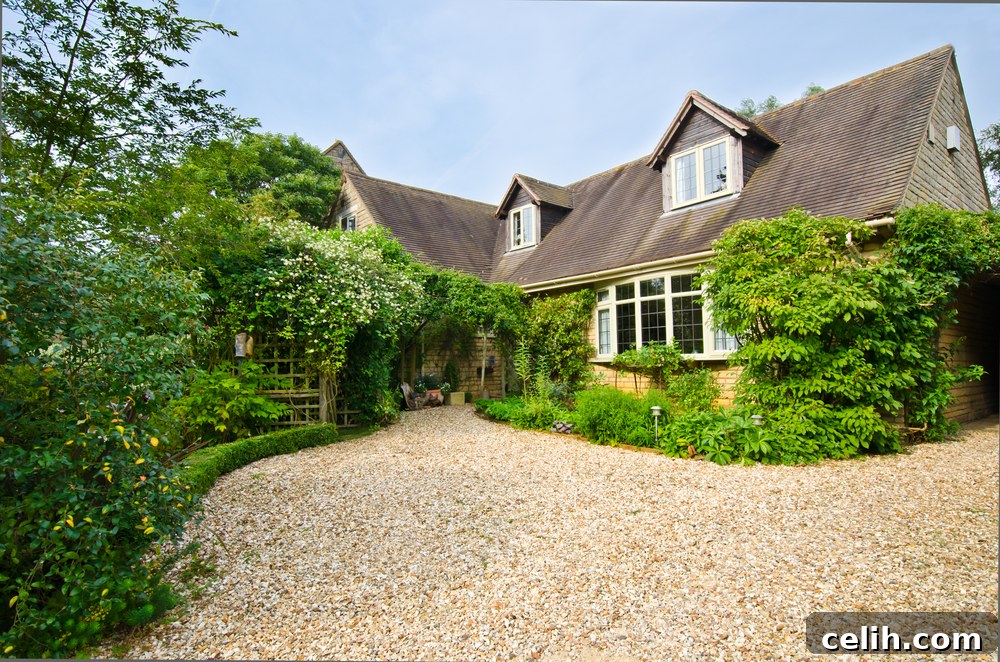
Your driveway is more than just a path to your garage; it’s a critical element of your home’s curb appeal and overall functionality. As the first impression visitors often get, a well-maintained and aesthetically pleasing driveway speaks volumes about your property. With an estimated 63% of homes featuring some type of driveway, and this number steadily climbing due to dwindling on-street parking options, investing in this essential exterior feature has never been more important.
Among the myriad of driveway materials available, gravel stands out as a timeless and often budget-friendly choice. Its natural aesthetic, rustic charm, and relative simplicity of installation make it a popular option for homeowners seeking both beauty and practicality. However, the true art of a high-quality gravel driveway extends far beyond merely dumping stones onto a surface. It involves meticulous planning, precise execution, and ongoing care to ensure longevity and visual appeal. This comprehensive guide will delve into expert tips and tricks to help you achieve a stunning and durable gravel driveway that enhances your home’s exterior for years to come.
1. Invest in Proper Gravel Driveway Installation
Many homeowners, especially those new to property ownership, are often led to believe that gravel driveways are a cheap and simple DIY project. While the material cost can be lower than asphalt or concrete, the installation process requires significant expertise. Unfortunately, countless “affordable” gravel drives quickly fall into disrepair precisely because they were not installed correctly from the outset. A truly robust and long-lasting gravel driveway is a complex layering system designed to withstand heavy loads, prevent weed growth, and manage water effectively.
The first critical step in proper gravel driveway installation is meticulous site preparation. This involves excavating the area down to at least 12 inches to create a stable foundation. Clearing all organic matter, debris, and existing pavement is crucial. Once excavated, the subgrade (the natural soil beneath the driveway) must be thoroughly compacted. This compaction prevents future settling and creates a firm base for the subsequent layers. Neglecting this step often leads to uneven surfaces, rutting, and drainage issues down the line.
Following subgrade compaction, a high-quality woven geotextile fabric is installed. This fabric serves multiple vital purposes: it acts as a barrier to prevent weeds from growing through the gravel, separates the subgrade from the base material to prevent mixing and contamination, and aids in drainage by allowing water to pass through while keeping the layers distinct. This barrier is a small investment that offers significant long-term benefits in terms of weed control and structural integrity.
Next comes the primary base material, typically an eight-inch layer of larger, angular crushed stone. This material provides the bulk of the driveway’s structural support. It should be spread in multiple “lifts” (e.g., two four-inch layers or three three-inch layers), with each lift thoroughly compacted using heavy machinery. This ensures maximum density and stability, distributing weight evenly and preventing shifting. Proper grading during this phase is also essential, establishing a slight crown or slope to direct water away from the driveway’s center and edges.
After the base, some installations may include an intermediate layer of slightly finer aggregate to further stabilize the surface before the final top layer. Finally, effective edging material, such as Belgian blocks or other durable stone, must be installed to contain the gravel and define the driveway’s boundaries, preventing material from spreading onto lawns or gardens.
Sourcing the right gravel is another often-overlooked aspect. While “gravel” is a general term, different types, sizes, and aggregate compositions exist. The most efficient and cost-effective way to source the substantial amount of gravel needed for a proper installation is typically through a local aggregate hauling service. For example, if you’re undertaking a new driveway project at your residence in Waco, Texas, your best bet is to source bulk gravel from suppliers within or very near Waco. Sourcing from non-local providers will incur significantly higher delivery fees, making the overall project more expensive. A professional installer will have established relationships with local suppliers and can ensure you receive the appropriate type and quality of aggregate for your specific project.
Ultimately, while a properly installed gravel driveway might initially cost more than a poorly executed one, and sometimes even rival the cost of basic asphalt or concrete, its long-term durability, reduced maintenance needs, and classic aesthetic make it a superior investment. Skimping on any of these crucial installation steps—from flimsy edging and an uncompacted base to a lack of proper leveling and insufficient layering—will inevitably lead to significant maintenance problems, erosion, and premature deterioration within just a few years.
2. Make Your Drive Pop with Belgian Block Edging
The choice of edging material can dramatically influence both the aesthetic appeal and the functional performance of your gravel driveway. While often viewed as a decorative afterthought, robust edging is critical for containing gravel, maintaining the driveway’s shape, and preventing erosion. Among the various options, Belgian block stands out as a particularly effective and visually striking choice.
Belgian blocks, often characterized by their natural, hand-chiseled appearance and impressive durability, create a beautiful and defined border for any gravel driveway. These jumbo stone blocks, resembling large cobblestones, bring a classic, Old-World charm that can instantly elevate the perceived value and sophistication of your home. When meticulously installed, they create crisp, straight lines that guide the eye elegantly towards your garage or carport, offering a sharp contrast to the textured gravel surface.
Beyond their undeniable aesthetic appeal, Belgian blocks serve vital functional roles. They act as a strong, permanent containment system, preventing gravel from scattering onto your lawn, flowerbeds, or sidewalks, especially during heavy rains or snow removal. This containment not only keeps your driveway looking tidy but also reduces the need for frequent gravel replenishment. Furthermore, well-installed Belgian block edging can help manage drainage by directing water flow, protecting the edges of your driveway from erosion and preventing water from undermining the base layers. Unlike flimsier plastic or timber edgings that can warp, crack, or deteriorate over time, Belgian blocks offer exceptional longevity and resistance to chipping and cracking, standing up to the elements and vehicle traffic for decades.
Investing in quality Belgian block edging is an investment in both the beauty and the structural integrity of your gravel driveway, transforming it from a simple path into a distinguished landscape feature.
3. Carry Out Annual Maintenance
It’s a common misconception that certain driveway materials are “maintenance-free.” In reality, no driveway material is entirely immune to the elements and the wear and tear of daily use. Even concrete drives require periodic cleaning and sealing to maintain their appearance and prevent cracking. Gravel driveways, with their unique composition, have a distinct set of maintenance requirements that are crucial for their long-term functionality and aesthetic appeal.
One of the most essential annual maintenance tasks for a gravel driveway is re-grading. Over time, vehicle traffic, rain runoff, and gravity can cause the gravel to shift, leading to the formation of ruts, potholes, and uneven surfaces. Annual re-grading, typically performed with a pull-behind driveway grader or similar equipment, helps redistribute the gravel evenly, smooth out imperfections, and restore the driveway’s intended crown or slope. This process not only keeps your driveway looking pristine but also ensures proper drainage, preventing water from pooling and undermining the base layers.
Another significant issue to address is sinking, particularly in areas of heavy traffic or where the base material may not have been perfectly compacted. If you’ve invested in a proper installation with woven geotextile fabric and a compacted base, these issues should be minimized. However, localized sinking can still occur. Professional annual maintenance includes identifying and rectifying these low spots, often by adding fresh gravel and re-compacting the affected areas. Allowing sinking to persist can exacerbate problems, as runoff and rainwater will collect in these depressions, leading to further erosion and gravel displacement.
Weed control is another ongoing aspect of gravel driveway maintenance. While geotextile fabric significantly reduces weed growth, persistent weeds can still find their way through, especially along the edges or in areas where the fabric may have been compromised. Regular manual removal, targeted herbicide application, or the use of pre-emergent products can help keep your driveway clear and neat. Addressing weeds promptly prevents them from establishing deep root systems that can disrupt the gravel layers and become more difficult to remove later.
Finally, periodic top-dressing—adding a thin layer of new gravel—may be necessary every few years to replenish material that has been lost due to scattering, erosion, or compaction. This revitalizes the surface, restoring its depth and fresh appearance. For optimal results and to ensure the longevity of your investment, annual maintenance conducted by a professional is highly recommended. Their expertise can identify subtle issues before they become major problems, preserving the beauty and integrity of your gravel driveway for many years.
4. Use Gravel to Collect Water (Permeable Driveway Systems)
In an era where environmental consciousness and sustainable living are growing priorities, homeowners are increasingly seeking ways to minimize their ecological footprint. Green initiatives, such as water conservation and effective stormwater management, are becoming integral to modern home design. Your driveway, often encompassing a substantial amount of square footage, presents an excellent opportunity for collecting and managing rainwater that can be repurposed for landscaping needs.
While a traditional, compacted gravel driveway itself is not inherently a permeable material—meaning water doesn’t easily seep directly through it to the ground below—gravel can be a crucial component of a larger permeable driveway system designed for water collection and stormwater runoff reduction. Such systems are engineered to allow rainwater to infiltrate the ground, replenishing groundwater and reducing the strain on municipal drainage systems, unlike impervious surfaces that contribute to runoff and potential flooding.
To use gravel for water collection effectively, the driveway must be designed as a permeable pavement system. This involves a specialized layering approach that differs significantly from conventional gravel driveway construction. Instead of an entirely compacted base, a permeable gravel driveway typically incorporates a robust, open-graded aggregate base layer with void spaces that allow water to filter through. Beneath this, a geotextile fabric might be used to prevent soil migration, followed by a deeper reservoir layer—often a large, crushed aggregate base—that temporarily stores water before it slowly infiltrates the subsoil or is directed to an underground cistern for later use.
The precise depth and composition of each layer within a permeable system will vary considerably based on several factors: your local soil conditions (e.g., clay vs. sandy soil), the average rainfall in your region, the intended water collection volume, and local regulations concerning stormwater management. For instance, a system designed to simply enhance infiltration might have shallower layers than one intended to feed a significant underground reservoir for irrigation. Some permeable systems may also integrate specialized gridwork or cellular confinement systems within the gravel layers to stabilize the surface while maintaining permeability.
Given the complexity of designing and installing an effective permeable gravel driveway system, professional expertise is absolutely essential. An experienced landscape architect or driveway contractor specializing in permeable solutions can assess your specific site, soil characteristics, and water collection goals. They can engineer a custom plan that optimizes water infiltration, prevents clogging, ensures structural integrity, and complies with all local environmental codes. Investing in such a system not only contributes to water conservation but can also enhance the overall sustainability and value of your property.
5. Opt for a Shallow Pea Gravel Surface Layer and Stabilizers
One of the most frequent complaints voiced by homeowners with gravel driveways is the appearance of tire ruts and the constant shifting of the surface gravel. These unsightly ruts can make a driveway look unkempt and poorly maintained, often prompting homeowners to consider alternative materials like asphalt or concrete. However, with strategic planning and material choices, these issues can be significantly minimized.
Regular and pronounced rutting is often a clear indicator that the top gravel layer is too deep. When the surface layer exceeds a certain depth, individual gravel pieces lack sufficient interlock and support from the layers below. This allows the gravel to move laterally and displace easily whenever a vehicle drives over it, resulting in noticeable depressions and displaced material. To prevent this shifting and reduce the frequency of needing to regrade your drive, it is highly recommended to opt for a shallow pea gravel layer, ideally less than three inches in depth.
Pea gravel, known for its smooth, rounded edges and uniform size, offers a beautiful aesthetic and a softer texture underfoot. However, its rounded shape also means it doesn’t interlock as well as angular crushed stone, making it more prone to displacement if the layer is too thick. A shallow application, combined with a properly compacted base, ensures that vehicles are primarily supported by the stable base layers, with the pea gravel serving as a decorative and permeable top dressing rather than the primary load-bearing surface.
To further combat rutting and enhance stability, many professional installers now recommend incorporating specialized gravel gridwork or cellular confinement systems underneath the surface layer. These grid systems, often made from durable recycled plastic, create a honeycomb-like structure that holds the gravel in place, preventing lateral migration and maintaining an even surface. By confining the gravel within individual cells, these stabilizers significantly reduce rutting, minimize gravel loss, and provide a more stable driving surface, even with a shallow top layer of pea gravel.
While gridwork offers excellent benefits, it’s important to be aware of a potential maintenance consideration: if the top layer of gravel becomes too thin or displaces excessively, the gridwork can become visible, detracting from the natural aesthetic. Regular inspection and occasional top-dressing with a fresh, thin layer of pea gravel can prevent this issue and ensure the gridwork remains effectively concealed while performing its stabilizing function. By combining a shallow pea gravel surface with the strategic use of gravel stabilizers, homeowners can enjoy the aesthetic appeal of gravel without the frustrations of constant rutting and maintenance.
6. Embrace the Natural Look with Local Stone
Unlike manufactured materials such as concrete or asphalt, gravel is not a standardized product with a universal appearance. Its inherent beauty lies in its natural diversity, as the color and composition of gravel are directly influenced by the geological characteristics of its origin. This means that every region across the country will naturally produce its own unique color and type of gravel, derived from the local stone quarries.
For example, gravel sourced from quarries in North Carolina tends to exhibit lighter hues, often incorporating shades of gray, white, and subtle blues, reflecting the granite and quartz prevalent in that area. Conversely, other regions might yield gravels with deeper browns, rich reds, or even distinct pink tones, depending on the local bedrock, such as sandstone, limestone, or volcanic rock. This regional variation is a fundamental aspect of gravel’s charm and authenticity.
When selecting gravel for your driveway, embracing this natural diversity is key to achieving a harmonious and aesthetically pleasing result that genuinely complements your home and its surrounding landscape. Instead of simply choosing the gravel color you find most appealing from a sample, prioritize gravel that is derived from local stone. Opting for local materials offers several advantages beyond just aesthetics. It ensures that your driveway naturally integrates with the regional architecture and existing landscape, creating a cohesive and authentic look that enhances your home’s curb appeal in a subtle yet profound way. Furthermore, sourcing local gravel often reduces transportation costs and environmental impact, contributing to a more sustainable project.
A driveway constructed with local stone will feel intrinsically connected to its environment, providing a sense of place and timeless elegance. The subtle variations in color and texture found in regional gravel can also add depth and character that a uniform, imported material simply cannot replicate. By embracing the natural, local character of gravel, you’re not just building a driveway; you’re weaving your home into the fabric of its unique geographical setting.
7. Style Your Gravel with Your Home’s Architecture
The design of your driveway is not an isolated decision; it’s an integral part of your home’s overall aesthetic and should be carefully considered in relation to its architectural style. A well-designed driveway acts as a seamless extension of your home, enhancing its character and curb appeal. Conversely, a mismatched driveway can create visual discord, detracting from even the most beautiful property. If you find yourself grappling with the right design for your gravel driveway, let your existing home’s architecture serve as your guiding principle.
Gravel driveways historically have a strong affinity for certain architectural styles, where their natural, rustic, and often grand appearance perfectly aligns with the home’s design philosophy. They are an impeccable fit for traditional colonial-style buildings, which evoke a sense of heritage and formality, or sprawling large estates and country homes, where the expansive gravel surface contributes to an elegant, stately entrance. Farmhouse-style homes also benefit immensely from gravel, as it reinforces their natural, earthy, and welcoming aesthetic, bridging the gap between the built structure and the natural landscape.
On the other hand, modern homes are typically designed with clean lines, minimalist aesthetics, and often feature materials like concrete, asphalt, or sleek pavers that complement their contemporary geometry. Introducing a traditional gravel driveway to a highly modern, avant-garde landscape can sometimes create a jarring contrast. The loose, organic nature of gravel might clash with the sharp angles and refined finishes characteristic of contemporary architecture. While it’s not impossible to integrate gravel into a modern design, it requires a very thoughtful approach—perhaps using a structured gravel grid system, selecting a very uniform gravel type, or incorporating it into specific geometric patterns that echo the home’s modernism, rather than a sprawling, free-form application.
Ultimately, a gravel driveway inherently offers a traditional, old-fashioned look that is best suited for homes that either boast historical significance, embody classic architectural styles, or lean into a natural, pastoral aesthetic. It’s about creating harmony between your home and its approach. Before settling on gravel, take a step back and consider how this classic material will interact with your home’s unique character. When styled thoughtfully, a gravel driveway can become a defining feature that elevates your property’s charm and authenticity.
8. Beware of the Climate: Gravel in Extreme Weather
When making any significant alteration to your home’s exterior, particularly one as substantial as a driveway, the local climate should always be a primary consideration. The environmental conditions prevalent in your region can profoundly impact the suitability, longevity, and maintenance requirements of any material. This holds especially true for gravel driveways, particularly in areas prone to harsh winters or heavy rainfall.
One of the most critical climate factors to consider is regular snowfall during the winter months. If your neighborhood experiences significant annual snowfall, you must carefully factor these extreme weather conditions into your decision to opt for gravel. Plowing a gravel drive is notably less straightforward and more challenging than clearing other materials like asphalt or concrete. The primary concern is the displacement of gravel, which can lead to thinning of the surface layer, creation of ruts, and even damage to the driveway’s underlying base if the plow blade scrapes too deep.
Special considerations and techniques are required for snow removal on gravel driveways. Professional plowing for gravel typically involves lifting the plow blade slightly above the driveway surface or attaching rubber shoes or extensions to the blade to minimize contact with the gravel. This approach helps clear most of the snow while leaving a thin layer of snow or ice that protects the gravel from being disturbed. Homeowners using snowblowers also need to exercise caution, ensuring the machine’s skids are set high enough to avoid sucking up and discharging gravel. In many cases, an experienced professional familiar with gravel driveways is highly recommended for snow removal to avoid inadvertently destroying your drive.
Beyond snow, consider the impact of freeze-thaw cycles. While gravel itself is resilient, the underlying base and subgrade can be affected. Proper compaction and drainage during installation are paramount to prevent water from freezing, expanding, and causing frost heave that can lead to an uneven surface. In regions with heavy rainfall, inadequate drainage can lead to washouts, where significant amounts of gravel are displaced by rushing water. A well-designed driveway with proper grading and perhaps even a permeable system can mitigate these risks.
Despite these challenges, gravel is a remarkably strong and sturdy material that can generally stand up well against extreme heat and cold. Unlike asphalt drives, which can become brittle and crack in severe cold or soften and rut in intense heat, gravel does not suffer from these material-specific thermal expansion and contraction issues. Properly installed, gravel offers excellent resistance to temperature fluctuations, often requiring far less maintenance in this respect compared to other materials prone to cracking or deforming with climate shifts. The key is thorough planning and professional installation that accounts for the specific climatic challenges of your location.
9. Is it Time to Excavate? Recognizing When Your Gravel Driveway Needs Replacement
Even the most meticulously installed and well-maintained gravel driveways have a finite lifespan. Over decades of use, exposure to the elements, and the constant passage of vehicles, the underlying structure and surface material will inevitably degrade to a point where simple repairs are no longer sufficient. Recognizing the warning signs that your gravel driveway has reached the end of its functional life is crucial for avoiding unnecessary repair attempts and making an informed decision about complete replacement.
One of the most obvious and persistent indicators of a failing gravel driveway is **extreme rutting**. While some minor rutting can be addressed with annual regrading, persistent and deep ruts that reappear quickly after maintenance suggest a fundamental failure in the base layers or inadequate compaction during the initial installation. If vehicles are constantly sinking into the drive, or if the ruts are so deep they hold standing water, it’s a strong sign that the structural integrity of your driveway has been compromised beyond simple surface repair.
**Excessive and uncontrollable weed growth** is another critical warning sign. While occasional weeds can sprout along edges, widespread weed infestation, especially if you had a geotextile fabric installed, can indicate that the fabric has degraded, been compromised, or was improperly installed. Weeds can aggressively break through compromised layers, destabilizing the gravel and creating further avenues for water penetration and erosion. If you’re constantly battling a carpet of weeds despite your best efforts, it’s a sign of deeper issues.
Perhaps the most concerning sign is an **unstable or soft subgrade**, characterized by areas of the driveway that persistently feel spongy, sink underfoot, or create uneven surfaces. This often points to poor subgrade compaction, drainage issues, or the breakdown of the base material. An unstable subgrade provides no firm foundation for the gravel layers above, leading to continuous settling, rutting, and an overall unreliable driving surface. These soft spots can be dangerous and are a clear indication that the entire structure needs attention.
Other signs include significant **gravel loss** where material constantly migrates off the driveway, leaving bald spots, or **poor drainage** resulting in large puddles that never seem to dry. These issues can accelerate deterioration and indicate a fundamental design or installation flaw.
When these warning signs become pervasive, investing in a complete replacement and reinstallation, following all the best practices outlined earlier, often proves to be the most cost-effective long-term solution. Attempting to patch or superficially repair a fundamentally compromised driveway is usually a temporary fix that wastes money and prolongs the inevitable. Before making such a significant investment, it is highly advisable to seek a professional consultation. An experienced driveway contractor can assess the extent of the damage, identify the root causes, and provide an expert recommendation on whether repair is feasible or if a full excavation and reinstallation are necessary to restore your driveway to optimal condition and ensure its longevity.
Conclusion
Choosing a gravel driveway means embracing a blend of timeless style, natural beauty, and robust functionality that evokes the charm of bygone days. When thoughtfully designed and properly installed, a gravel driveway can significantly enhance your home’s curb appeal and provide a durable, classic entrance. However, like any significant home exterior material, gravel comes with its own set of advantages and considerations, demanding a clear understanding of its characteristics and maintenance requirements.
From the foundational importance of professional installation, complete with proper excavation, subgrade compaction, and geotextile fabric, to the aesthetic and functional benefits of quality edging like Belgian blocks, every step contributes to a driveway’s success. Understanding how to manage common issues like rutting through shallow surface layers and gravel stabilizers, and recognizing the critical role of annual maintenance—including regrading and weed control—is essential for preserving its integrity and appearance.
Furthermore, aligning your gravel choice with your home’s architectural style and local geological palette creates a harmonious and authentic landscape. Being mindful of your specific climate, especially concerning snow removal and drainage, ensures your driveway stands resilient against environmental challenges. Finally, knowing when your gravel driveway has run its course and requires a full replacement, rather than continuous, futile repairs, is key to smart home management.
By carefully weighing your maintenance obligations, the initial installation costs, and the long-term benefits, you can confidently decide whether a gravel driveway is the perfect type and style of entrance for your home. When done right, it’s more than just a path; it’s a statement of classic elegance and enduring quality.
What’s your ideal driveway material, and what factors guide your choice?