
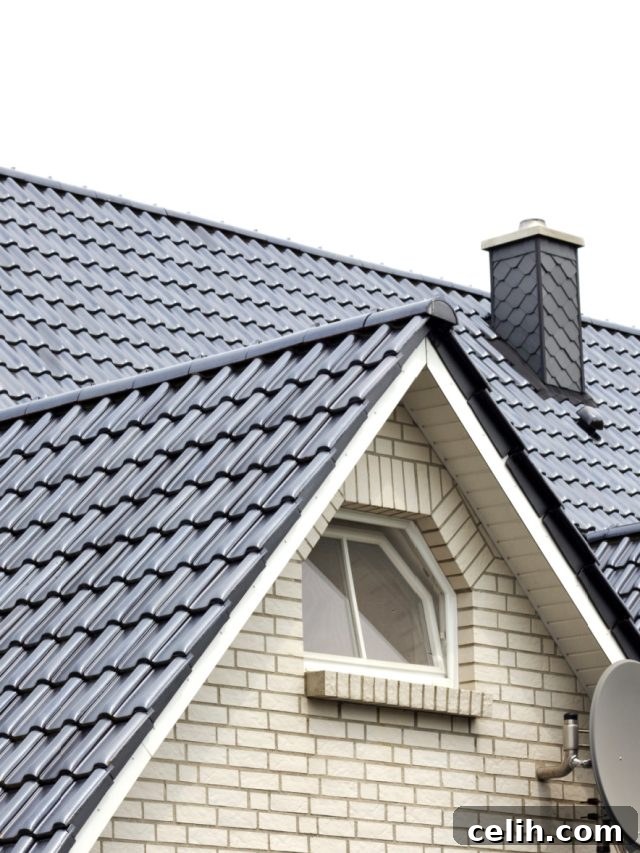
Your roof is much more than just a cover; it’s a critical component of your home’s structural integrity, aesthetic appeal, and overall functionality. Constantly exposed to the elements – from torrential rain and scorching sun to strong winds and heavy snow – a well-maintained roof tirelessly protects everything beneath it. A robust roofing structure doesn’t just keep water out; it plays a vital role in your home’s energy efficiency, maintains indoor comfort, and contributes significantly to your property’s value. Proactive roof maintenance is key to extending its lifespan, drastically reducing the need for costly emergency repairs, and safeguarding your investment for decades to come. This comprehensive guide outlines essential strategies and expert tips designed to help you prolong your roof’s life, ensuring it remains in optimal condition year-round and continues to provide unparalleled protection.
Choosing the Optimal Roofing Material for Longevity and Performance
The longevity and performance of your roof are fundamentally determined by the material it’s made from. Selecting the right roofing material is one of the most significant decisions you’ll make, impacting everything from initial cost to long-term maintenance and energy efficiency. While budget-friendly asphalt shingles are a popular choice due to their widespread availability and ease of installation, typically lasting 15 to 30 years, they generally offer a shorter lifespan compared to more durable alternatives like metal or clay.
Metal roofs, for instance, have garnered an exceptional reputation for their remarkable longevity, superior fire resistance, and impressive energy efficiency. Many metal roofing systems are designed to last anywhere from 40 to 70 years, and with diligent maintenance, some can even exceed 80 years. Their reflective surfaces can significantly reduce heat absorption, leading to lower cooling costs in warmer climates. Options range from standing seam metal roofs, known for their sleek lines and robust weather resistance, to metal shingles that mimic traditional roofing styles.
Beyond metal, other premium options include clay and concrete tiles, which offer immense durability, often lasting 50 to 100 years or more. These materials are highly resistant to fire, rot, and insects, and their thermal mass provides excellent insulation. However, they are heavier and can be more expensive to install. Slate roofs represent the pinnacle of durability and aesthetics, boasting lifespans of 75 to 200 years, but come with a significant cost and installation complexity due to their weight and fragility.
When undertaking a new roof installation or constructing a property, a slightly higher upfront investment in a superior roofing material is a wise financial strategy. Consider your local climate’s unique challenges—be it intense sun exposure, heavy snowfall, strong winds, or frequent hail—and choose a material specifically engineered to withstand these conditions. Always verify that the chosen materials are backed by comprehensive, long-term warranties from reputable manufacturers, and ensure the installation is performed by certified professionals. This initial foresight will pay dividends in roof longevity, reduced repair costs, and sustained home value.
Prompt and Proper Leak Detection and Repair: A Critical Imperative
Even the smallest roof leak can escalate into an astronomical amount of damage over time if left unaddressed. Water is relentlessly destructive, and once it breaches your roof’s defenses, it can wreak havoc throughout your entire home. Ignoring even a minor drip or subtle stain can lead to insidious problems like mildew and mold growth, timber rot in your roof deck and structural supports, and unsightly sagging ceilings. These issues not only compromise the structural integrity of your roof but also create unhealthy living environments and significantly diminish your property’s value.
The moment you observe any tell-tale signs of a leak – whether it’s faint water stains on your ceiling or walls, peeling paint, a persistent musty odor in your attic, water-damaged insulation, or undeniable dripping water – immediate action is paramount. Delaying intervention allows water to penetrate deeper, leading to more extensive and costly repairs. Water can travel along structural elements, making the visible stain far removed from the actual point of entry, which often complicates DIY repairs and underscores the need for professional expertise.
The consequences of unchecked leaks are far-reaching. Beyond visible damage, chronic moisture can saturate attic insulation, severely diminishing its thermal performance and leading to higher energy bills. It can foster the growth of toxic black mold, posing serious health risks to occupants. Structural wood rot can weaken rafters and trusses, potentially leading to catastrophic roof failure. Furthermore, water infiltration can damage electrical systems, creating hazardous conditions. For specific roofing types, such as a metal roof, there are specialized procedures and materials required for effective repair. Addressing common issues like holes, loose fasteners, and corroded seams often requires specific sealants and techniques to ensure a lasting fix. Consulting a reputable metal roof leak repair guide or, better yet, engaging a skilled professional, can help ensure your roof is restored to its top protective shape, safeguarding your home from further water intrusion.
Implementing Regular Professional Roof Inspections
Regular roof inspections are the cornerstone of effective roof maintenance and a crucial preventative measure against premature roof failure. Just as you service your car, your roof requires periodic check-ups to identify and address any minor issues before they escalate into significant, expensive problems. Industry experts recommend a minimum of two professional roof inspections annually: once in the spring to assess any damage from winter weather, and again in the autumn to prepare your roof for the upcoming colder months and potential heavy precipitation.
These inspections provide a vital opportunity to identify early signs of wear and tear, such as loose, cracked, or missing shingles, deteriorated flashing around critical penetration points, granule loss on asphalt shingles, or minor leaks that might not yet be visible inside your home. A comprehensive roof inspection typically involves a thorough examination of several key areas:
- Roof Surface: Checking the condition of shingles, tiles, or panels for damage, blistering, or warping.
- Flashing: Inspecting metal flashing around chimneys, vents, skylights, and valleys for cracks, corrosion, or improper sealing, as these are common areas for water intrusion.
- Gutters and Downspouts: Ensuring they are clear of debris, properly sloped, and securely attached.
- Soffits and Fascia: Looking for signs of rot, water damage, or pest infestations.
- Attic Interior: Examining the underside of the roof deck for water stains, mold, proper ventilation, and adequate insulation.
While a homeowner can perform basic visual checks from the ground, a professional roofer possesses the expertise, experience, and safety equipment to conduct a detailed, hands-on inspection. They can spot subtle indicators of potential issues that might be overlooked by an untrained eye. Critical areas like vents, chimneys, and skylights are particularly vulnerable to leaks and often require specialized attention, including ensuring double-sealing is intact. Entrusting these inspections to a certified professional ensures that every potential vulnerability is meticulously examined and addressed, providing peace of mind and significantly extending the longevity and strength of your entire building’s foundation, protecting your home for years to come.
Optimizing Roof Ventilation and Insulation for Peak Performance
The health and longevity of your roof are inextricably linked to the efficiency of your attic’s ventilation and insulation system. These two components work in tandem to create a balanced environment that protects your roof structure and enhances your home’s overall energy performance. Inadequate ventilation, whether due to blockages or insufficient design, can trap immense amounts of heat and moisture within your attic space, leading to a cascade of detrimental effects.
During the summer months, a poorly ventilated attic can become incredibly hot, causing heat to radiate into your living spaces and forcing your air conditioning system to work harder, leading to dramatically increased energy bills. This excessive heat also accelerates the degradation of roofing materials, particularly asphalt shingles, by drying out their protective oils and causing them to crack, curl, and age prematurely. In winter, inadequate ventilation prevents the attic from staying cold, which can contribute to the formation of ice dams. Ice dams occur when heat from your home melts snow on the roof, and the water refreezes at the colder eaves, creating a barrier that forces meltwater back up under your shingles, leading to severe leaks and water damage.
Beyond temperature regulation, proper ventilation is crucial for managing moisture. Every household activity, from showering to cooking, generates moisture that can rise into the attic. Without adequate airflow, this moisture can condense on the cooler surfaces of the attic structure, creating an ideal breeding ground for mold and mildew. This leads to wood rot in the roof decking and framing, compromised indoor air quality, and potential health issues for residents. Furthermore, trapped moisture can cause roof decking to buckle and warp, severely undermining the structural integrity of your roof.
Insulation complements ventilation by creating a thermal barrier between your conditioned living space and the unconditioned attic. It keeps heat inside during winter and outside during summer. When combined with a properly functioning ventilation system—which includes both intake vents (like soffit vents) and exhaust vents (such as ridge vents or static vents)—you achieve a balanced system. This not only controls interior temperatures more effectively, reducing the strain and energy consumption of your heating and cooling system, but also adds significantly to the lifespan of your roofing materials by preventing extreme temperature fluctuations and moisture buildup. While investing in proper ventilation and insulation represents an upfront cost, the long-term rewards in energy savings, extended roof life, and enhanced home comfort make it an invaluable investment for any property owner.
Essential Gutter Maintenance and Surrounding Area Care
Often overlooked, the humble gutter system plays an indispensable role in safeguarding your roof and entire home from water damage. Functioning as your roof’s drainage system, gutters channel rainwater safely away from the roof, preventing it from saturating the fascia boards, siding, foundation, and surrounding landscape. When gutters become clogged with leaves, twigs, pine needles, and other debris, their ability to perform this critical function is severely compromised, leading to a host of serious problems.
Clogged gutters cause water to overflow, which can lead to water backing up behind your shingles, rotting the fascia boards, and seeping into your attic or walls, resulting in costly leaks and structural damage. The overflowing water can also erode landscaping, damage garden beds, and, most critically, saturate the soil around your home’s foundation. This can lead to foundation cracks, basement leaks, and expensive structural repairs over time. In colder climates, clogged gutters are a primary cause of ice dam formation, where melting snow cannot drain and refreezes, pushing water under shingles and into your home.
To prevent these issues, regular gutter cleaning is non-negotiable. It’s recommended to clean your gutters at least twice a year – typically in late spring after tree pollen and small debris have fallen, and again in late autumn after all leaves have dropped. Homes surrounded by numerous trees may require more frequent cleaning. This relatively fast and simple maintenance process yields immense preventative benefits. Beyond clearing the gutters themselves, it’s equally important to address the surrounding areas:
- Clear Roof Deck: Regularly remove any obvious obstructions such as accumulated leaves, pine needles, and twigs from the roof surface. These organic materials not only harbor moisture, creating a breeding ground for mold, mildew, and algae, but they also trap water against your roofing material, accelerating its degradation.
- Trim Overhanging Branches: Prune any tree branches that hang directly over your roof. This reduces the amount of debris falling onto the roof and into gutters, minimizes the risk of branches abrading the roof surface in windy conditions, and deters pests like squirrels and raccoons from gaining easy access to your attic.
- Address Moss and Algae: If you notice moss or algae growth, especially on shaded parts of your roof, address it promptly. These growths retain moisture and can cause damage to shingles and other roofing materials.
By keeping your gutters clear and maintaining a tidy roof and surrounding environment, you ensure proper water management, prevent costly water-related damage, and contribute significantly to the overall health and longevity of your roofing system. This diligent care also has the added benefit of ensuring cleaner water collection if you utilize rainwater harvesting systems.
Concluding Thoughts on Proactive Roof Care
Ultimately, a resilient and long-lasting roof is not a matter of chance but the result of a deliberate, proactive approach to maintenance. By integrating the right strategies – from making an informed decision about your roofing material to committing to consistent upkeep and addressing repairs promptly – you can ensure your roof will truly stand the test of time. It’s a holistic process that combines careful selection, diligent regular inspections, timely minor repairs, and effective management of elements like ventilation and drainage.
Remember, the lifespan of your roof directly impacts your home’s safety, energy efficiency, and market value. Neglecting routine maintenance can transform minor issues into expensive, complex problems that compromise your entire property. To guarantee the highest standards of installation and maintenance work, always partner with top-class, reputable roofing contractors. Their expertise will not only ensure efficiency and quality but also provide invaluable peace of mind, knowing that your home’s primary protector is in capable hands. Invest in your roof today, and enjoy the lasting benefits of a secure, beautiful, and valuable home for decades to come.