

[AD]
Unlock Your Home’s Potential: Navigating the World of Home Improvements and Smart Savings
Embarking on a journey of home improvements is a popular aspiration for many homeowners across the UK, offering an appealing alternative to the often-stressful and expensive process of moving house. Whether you dream of a sleek new kitchen, an expansive extension, or simply want to enhance your living space, renovating your existing property can bring immense satisfaction and tangible benefits. However, the potential financial outlay for such projects often becomes a primary concern, prompting careful consideration of how to fund these exciting changes.
The path to a more beautiful or functional home isn’t always smooth. While some home improvements are meticulously planned and saved for, life often throws unexpected curveballs. A sudden boiler breakdown in the depths of winter, an urgent roof repair, or unforeseen plumbing issues can arise without warning, demanding immediate financial attention. These unplanned expenditures highlight the critical importance of having a robust emergency fund. Being prepared for these “what if” scenarios ensures that your home remains a comfortable and safe haven, preventing minor issues from escalating into major, costly problems.
Understanding the national landscape of saving habits provides valuable context for homeowners contemplating renovations. A revealing YouGov survey, conducted on behalf of Shepherds Friendly, shed light on the state of UK saving habits. The findings were quite striking: only 42% of respondents reported saving money each month specifically for unexpected needs. Furthermore, a significant 32% admitted to not budgeting their spending at all, suggesting a widespread lack of financial planning among a considerable portion of the population. Among those who did actively save, 16% were diligently putting money aside to finance home improvements, while 12% had their sights set on saving to purchase a new home. These statistics underscore the need for greater financial literacy and disciplined saving strategies, especially for those with home renovation ambitions.
Beyond Aesthetics: The Tangible Benefits of Thoughtful Home Improvements
While the initial cost of home improvements, particularly unexpected ones, can be daunting, they are almost invariably a worthwhile investment in the long run. Addressing necessary repairs promptly prevents further deterioration and potentially more expensive fixes down the line. Moreover, planned home improvements offer a wealth of advantages, from significantly boosting functionality to increasing your property’s overall market value. Imagine a growing family suddenly needing more space; a loft conversion can transform an unused attic into a vibrant new bedroom or a much-needed home office, adapting your home to your evolving lifestyle. Major structural changes, such as a well-executed extension, a modern kitchen overhaul, or a luxurious new bathroom, are not just about personal enjoyment; they are strategic investments that can considerably enhance your property’s appeal and resale value.

Popular Home Improvements and Their Impact on Your Property
The scope and cost of home improvements can vary dramatically, depending on the scale of the project and your specific aspirations. However, certain improvements consistently rank among the most popular choices for homeowners in the UK, as highlighted by industry surveys. Let’s delve into some of these common upgrades and explore their potential benefits:
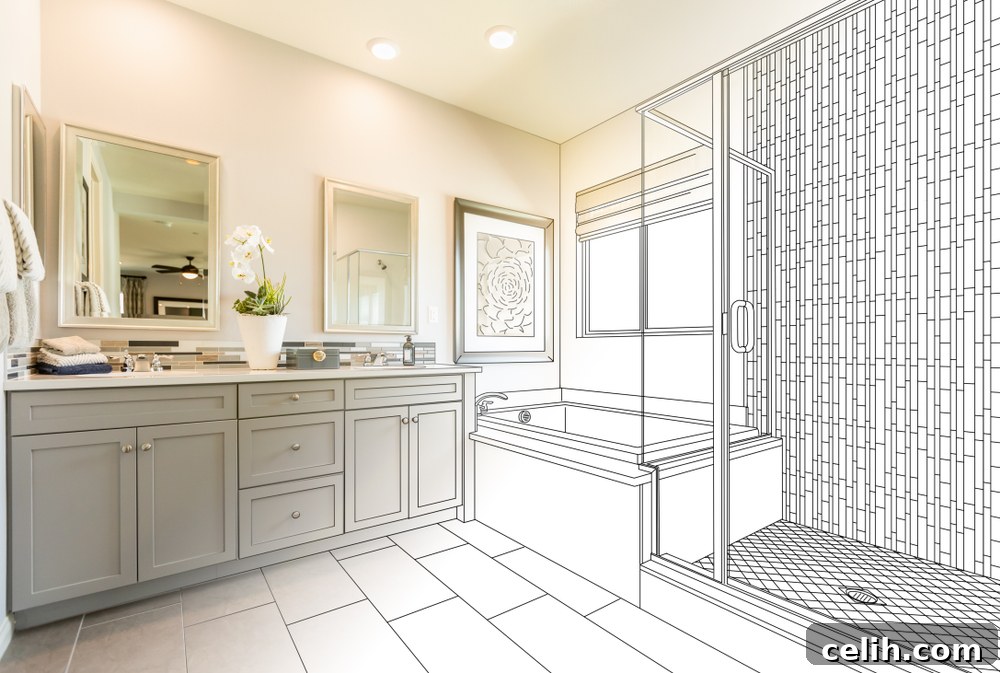
- A New Bathroom: Far more than just a functional space, a modern bathroom can transform a property. Updating fixtures, tiling, and layout not only enhances daily comfort and relaxation but also offers an excellent return on investment, making your home more attractive to potential buyers.
- A New Kitchen: Often considered the heart of the home, a kitchen renovation is one of the most impactful improvements. A well-designed, contemporary kitchen can significantly improve a home’s aesthetic appeal, functionality, and overall value. From open-plan living to smart appliance integration, a new kitchen elevates the entire living experience.
- A New Boiler or Central Heating System: While less visually exciting, upgrading your central heating system is a crucial investment. A modern, energy-efficient boiler not only ensures reliable warmth and hot water but can also drastically reduce your energy bills, offering significant long-term savings and contributing to a greener home.
- A Garden Makeover: Extending your living space outdoors, a beautifully landscaped garden adds immense curb appeal and provides a sanctuary for relaxation and entertainment. From new decking and patios to thoughtful planting and outdoor lighting, a garden makeover can boost your property’s desirability and offer a wonderful lifestyle enhancement.
- Double Glazing: An essential upgrade for many older properties, installing or upgrading double glazing improves energy efficiency by reducing heat loss, significantly cutting down heating costs. It also enhances sound insulation, creating a quieter indoor environment, and increases home security.
- Building an Extension: For those needing more space without moving, an extension is often the ideal solution. Whether it’s a new kitchen-diner, an extra bedroom, or a dedicated home office, an extension can dramatically increase the square footage and versatility of your home, adding substantial value.
- Knocking Down Interior Walls: Embracing open-plan living is a popular trend, and removing non-load-bearing interior walls can create a more spacious, light-filled, and modern living area. This transformation can dramatically alter the feel and flow of a home, making it feel larger and more connected.
- Solar Panels: A forward-thinking investment, solar panels offer a sustainable way to generate electricity, reducing reliance on the grid and lowering energy bills. They also enhance your home’s environmental credentials and can even qualify for government incentives, making them an attractive long-term investment.
- A Loft Conversion: Often the most cost-effective way to add an extra room, a loft conversion can transform an unused attic into a spacious bedroom, a home office, or a play area. This improvement significantly increases habitable space and adds considerable value to your property, especially in areas where space is at a premium.
- Adding an Extra Bedroom: Whether through an extension, loft conversion, or reconfiguring existing space, adding an extra bedroom is a proven way to increase property value, particularly for families. More bedrooms mean more versatility and broader appeal to potential buyers.
Top Strategies for Saving Money for Home Improvements
Whether you’re saving for those essential unexpected repairs or eagerly anticipating a grand renovation project, cultivating smart saving habits is paramount. Financial planning for home improvements doesn’t have to be overwhelming. Here are our comprehensive tips to help you build a robust savings fund and manage the cost of your home enhancements effectively:
Automate Your Savings: Put a Set Amount in Savings Each Month
One of the most effective ways to save consistently is to automate the process. Set up a standing order to transfer a predetermined amount of money from your current account into a separate, dedicated savings account each month, ideally on payday. This “pay yourself first” strategy ensures that your savings grow steadily without you having to actively think about it. Knowing exactly how much you’re saving and watching it accumulate over the course of a year will provide immense motivation and clarity, enabling you to plan more realistically for your home improvement projects.
Master Your Money: Create a Detailed Budget
If you haven’t already, creating a comprehensive spending budget is an indispensable step towards financial freedom and achieving your savings goals. Start by tracking all your income and outgoings for at least a month to get a clear picture of where your money is going. Categorize your expenses into essentials (housing, utilities, food, transport) and non-essentials (entertainment, dining out, subscriptions). A well-structured budget can help you identify areas where you can cut back, reduce impulse spending, and free up valuable funds that can be redirected into your home improvement savings pot. Tools and apps are readily available to simplify this process.
Scrutinize Your Spending: Review Your Existing Expenses
Beyond creating a budget, regularly reviewing your existing expenses can uncover hidden opportunities for savings. Take a critical look at your recurring outgoings. Do you really need all those streaming subscriptions? Could you switch to a cheaper mobile phone plan or insurance provider? Even small daily habits can add up significantly over time. For example, a daily takeaway coffee might seem insignificant, but over a month or a year, it represents a substantial sum. By consciously reviewing and adjusting your spending habits, you can find numerous practical ways to cut back and save money, both at home and when you’re out and about. For more insights on budgeting while funding your home improvements, you can read more here. Making the right changes for your financial well-being has never been more accessible.
Prioritize Financial Health: Deal with Existing Debts
Before embarking on significant new financial commitments like major home improvements, it’s wise to address any existing debts you may have. High-interest debts, such as credit card balances or personal loans, can quickly erode your financial flexibility and make saving much harder. Focus on paying off these debts first. By eliminating or significantly reducing your debt burden, you’ll free up more disposable income, improve your credit score, and create a much more stable financial foundation for undertaking future home renovation plans without added stress.
Embrace Small Wins: Collect Loose Change
This simple yet surprisingly effective trick can help build your savings in an understated way. If you often find loose change in your pockets, purse, or scattered around the house, designate a specific container – a jar, piggy bank, or decorative box – to collect it. Every few months, when the container is full, take it to your bank and deposit the accumulated amount into your savings account. To supercharge this method, make a conscious effort to collect one or two-pound coins specifically; these add up remarkably quickly and provide a satisfying boost to your fund.
Shop Smart: Buy During Special Offers or Use Discount Codes
When purchasing materials, appliances, or even hiring services for your home improvements, timing and research are key. Always be on the lookout for special offers, seasonal sales, and clearance events. Many retailers offer significant discounts during specific times of the year (e.g., Black Friday, January sales, bank holiday weekends). Before making any purchase, search online for discount codes or vouchers that could apply. Patience and strategic shopping can lead to substantial savings on the components of your renovation. Don’t forget to look out for deals and inspiration on platforms like Fresh Design Blog!
Do It Yourself (DIY) Where Possible
For smaller tasks and cosmetic updates, consider tackling them yourself rather than hiring professionals. Painting rooms, assembling furniture, minor repairs, or garden landscaping can all be rewarding DIY projects. Not only does this save on labor costs, but it also provides a sense of accomplishment and helps you gain valuable skills. Be realistic about your abilities and safety, though; complex electrical, plumbing, or structural work should always be left to qualified tradespeople.
Research Thoroughly and Get Multiple Quotes
Never settle for the first quote you receive for a major home improvement project. Always solicit at least three detailed quotes from different reputable contractors or suppliers. This allows you to compare prices, understand the scope of work included, and assess the professionalism of each provider. Don’t be afraid to negotiate or ask for a breakdown of costs. Thorough research ensures you’re getting the best value for your money and helps avoid potential overspending.
Prioritize Improvements and Phase Your Projects
If your list of desired home improvements is extensive, it might be more financially manageable to prioritize and tackle them in phases. Decide which improvements are most urgent or will provide the greatest impact (e.g., a new boiler for efficiency, or a kitchen upgrade for daily living). Spreading out the cost over several months or even years allows you to save specifically for each phase, preventing you from overextending your budget and accruing unnecessary debt.
Consider Financing Options Carefully (with Caution)
For larger, planned projects, exploring financing options might be necessary. This could include low-interest personal loans, remortgaging to release equity, or even specific home improvement loans. However, it is crucial to approach these options with extreme caution. Understand all terms, interest rates, and repayment schedules before committing. Only borrow what you can comfortably afford to repay, and ideally, use financing as a last resort or for improvements with a guaranteed high return on investment that you’ve meticulously planned for.
Images courtesy of Shutterstock
Collaborative post.