
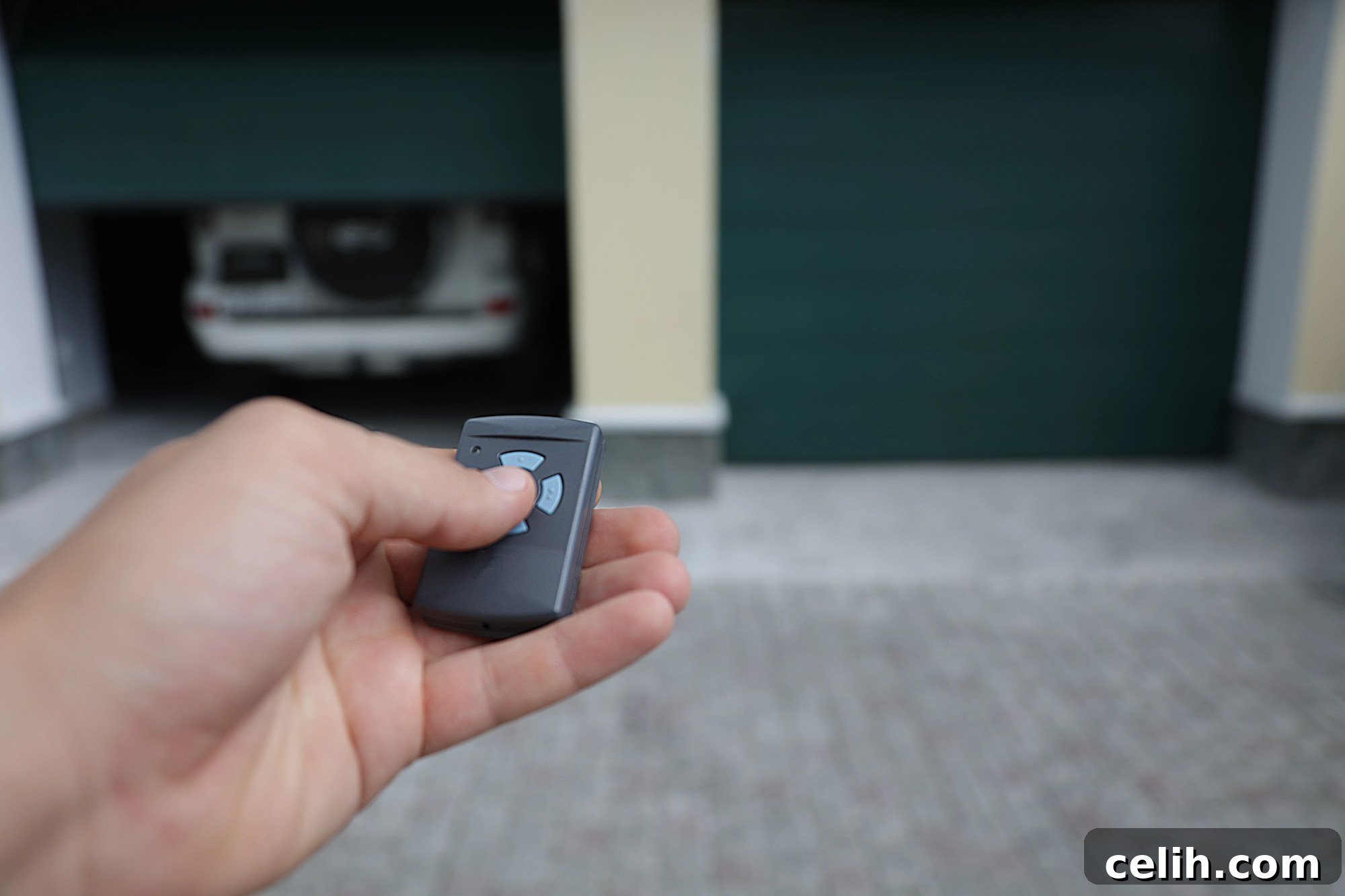
A functioning garage door opener is often an unsung hero of the modern home. It silently facilitates daily routines, granting convenient access to your garage and providing an essential layer of home security. Yet, like any mechanical system, garage door openers are subject to wear and tear. The moment one falters, that seamless convenience transforms into a frustrating, heavy obstacle, leaving homeowners to manually wrestle with a door weighing hundreds of pounds. This abrupt shift from effortless access to inconvenient struggle quickly brings the importance of a reliable opener into sharp focus.
Across the United States, homeowners encounter a diverse range of issues, from worn-out motors and misaligned safety sensors to unresponsive remotes and keypads. These common malfunctions inevitably lead to a critical question: What is the true cost of professional garage door opener repair and installation? Many homeowners find themselves exploring garage door opener installation services when their existing system becomes outdated, unreliable, or a potential safety hazard. Understanding the various factors that influence pricing, the nuances of repair vs. replacement, and the available upgrade options is crucial for making an informed decision that ensures peace of mind and long-term functionality for your home.
Factors Influencing Garage Door Opener Repair Costs
The cost of repairing a garage door opener is highly variable, primarily depending on the specific component that has failed within the complex system. Often, the entire opener unit isn’t completely broken; instead, a smaller, critical part may be the root cause of the problem. A professional technician’s first step is always a thorough diagnostic assessment to pinpoint the exact issue.
Common repair issues that impact cost include:
- Worn Gears Inside the Motor: Over time, the plastic or metal gears within the opener’s motor can strip or wear down, leading to grinding noises or a complete failure to move the door. This often requires disassembling the motor unit to replace the gear assembly.
- Loose or Damaged Wiring: Electrical connections can become loose, corroded, or damaged due to pests, age, or accidental impact. This can cause intermittent operation or a complete loss of power, and often involves tracing and repairing specific wire segments.
- Misaligned Safety Sensors: These crucial infrared sensors, positioned near the bottom of the garage door tracks, must be perfectly aligned to ensure the door reverses if an obstruction is detected. Even a slight bump can misalign them, preventing the door from closing. This is typically a quick and inexpensive fix.
- Remote and Keypad Failures: Issues can range from dead batteries and programming glitches to physical damage. Diagnosing these often involves testing signal strength and re-programming the devices, which is generally a lower-cost repair.
- Chain or Belt Tension Problems: The chain or belt that drives the trolley along the rail can stretch or become loose, causing the door to operate unevenly, make excessive noise, or fail to open/close properly. Adjusting tension is usually straightforward, but replacement of a worn belt or chain is more involved.
- Circuit Board Malfunctions: The logic board is the “brain” of the opener, controlling all its functions. A power surge, electrical short, or component failure on the circuit board can render the unit inoperable. Replacing a circuit board is one of the more expensive repairs due to the cost of the part itself.
- Limit Switch Problems: These switches tell the opener how far to open and close the door. If they malfunction, the door may not open fully, close too far, or reverse prematurely.
- Trolley or Carriage Issues: The trolley moves along the rail, pulling the door up and down. If it breaks, gets stuck, or disengages, the door won’t operate.
Beyond identifying the specific problem, a technician will also inspect the overall door balance and spring system. A garage door that is out of balance can put undue strain on the opener, leading to premature failure. Only after a comprehensive inspection can they confirm whether a repair is a sensible, long-term solution or if a full replacement offers better value.
Typical Garage Door Opener Repair Cost Ranges in the U.S.
In the United States, the cost for garage door opener repairs typically falls within a moderate range when compared to the investment of a complete system replacement. However, this range can vary significantly based on several key factors. For minor issues like sensor adjustments, re-programming remotes, or replacing a simple part such as a worn gear or a broken spring on the trolley, homeowners can expect to pay anywhere from $85 to $200. These are often quick fixes that restore full functionality without extensive labor or costly components.
Conversely, more complex repairs involving critical components like the motor assembly, logic board, or complete drive chain/belt replacement can push costs higher, typically ranging from $200 to $500 or more. The upper end of this spectrum is especially common for older opener models where replacement parts might be harder to source, potentially increasing both part cost and labor time.
The biggest pricing factors that influence these costs usually include:
- Type of Opener System: Different opener types (chain-drive, belt-drive, screw-drive, jackshaft) have varying complexities and part costs. Repairing a belt-drive system might cost more for the belt itself compared to a chain, for example.
- Age of the Unit: Older openers (10-15+ years) are more prone to multiple points of failure. Parts for discontinued models can be scarce or require special ordering, increasing both cost and repair time.
- Parts Availability: If a specific component is proprietary, difficult to find, or needs to be shipped from a distant supplier, the overall repair cost will increase due to part expense and potential expedited shipping fees.
- Labor and Service Time: Technician hourly rates vary by region and company. Complex repairs that require extensive diagnostic work or intricate disassembly will naturally incur higher labor costs.
- Emergency or After-Hours Calls: Urgent service outside of standard business hours typically comes with a premium fee, often an additional $50-$150, reflecting the immediate availability of a technician.
- Geographical Location: Labor rates and cost of living vary significantly across different states and metropolitan areas, impacting the overall service cost.
It’s important to consider that if an opener is very old, repairs can sometimes become a series of temporary patches rather than a durable, long-term solution. When repair costs approach or exceed half the cost of a new unit, homeowners should seriously weigh the benefits of replacement, which often includes enhanced safety features, improved reliability, and a new warranty.
Understanding the Cost of Garage Door Opener Installation in the United States
Installing a new garage door opener represents a significant upgrade for many homeowners, offering smoother, quieter, and safer operation, along with enhanced features. The overall cost of a new garage door opener installation in the U.S. is influenced by the type of opener chosen, additional features, the complexity of the installation, and regional labor rates. Typically, homeowners can expect to pay between $300 and $800 for the opener unit itself, with installation costs adding another $100 to $300, bringing the total average cost to approximately $400 to $1100.
The most common opener types and their typical characteristics include:
- Chain-Drive Openers: These are the most traditional and budget-friendly option. They operate by pulling a metal chain along a track to move the door. While highly reliable and durable, they are notably louder, making them less ideal for garages attached to living spaces. Cost range: $150 – $300 for the unit.
- Belt-Drive Openers: Utilizing a steel-reinforced rubber belt instead of a chain, belt-drive openers are significantly quieter and smoother in operation. This makes them extremely popular for homes with attached garages, where noise reduction is a priority. They are generally more expensive than chain-drive models but offer a superior user experience. Cost range: $200 – $500 for the unit.
- Screw-Drive Openers: These openers feature a threaded steel rod that rotates to move the door. They have fewer moving parts than chain or belt drives, potentially leading to greater durability and less maintenance. Their noise level is moderate, falling between chain and belt drives. Cost range: $180 – $400 for the unit.
- Wall-Mounted Jackshaft Openers: A more modern and space-saving solution, jackshaft openers mount on the side of the garage door’s torsion bar, freeing up ceiling space. This is ideal for garages with high ceilings, obstructed ceiling areas, or those used for car lifts. They are quiet, powerful, and often come with advanced features, making them the most premium option. Cost range: $350 – $700+ for the unit.
Beyond the basic drive mechanism, new installations may also involve upgrades that affect the total cost. These can include:
- Smart Controls and Wi-Fi Connectivity: Allowing homeowners to monitor and operate their garage door remotely via a smartphone app.
- Battery Backup: Ensures the opener functions during power outages, a crucial safety and convenience feature.
- Stronger Lifting Capacity: Necessary for heavier, oversized, or custom garage doors, requiring more powerful motors.
- Rolling Code Technology: Enhanced security features that change the access code each time the remote is used, preventing code interception.
- Integrated LED Lighting: Providing brighter, more energy-efficient illumination within the garage.
Each of these additional features contributes to the overall cost but significantly enhances the functionality, safety, and convenience of the new garage door opener system.
When Installation Becomes a Smarter Investment Than Repair
While repairing a faulty garage door opener can sometimes be the more immediate and cost-effective solution, there are many instances where a full replacement, or new installation, proves to be the smarter long-term investment. The decision often hinges on a careful evaluation of the unit’s age, the frequency of breakdowns, the cost of parts, and desired features.
Installation may be the definitively better choice if:
- The Opener is More Than 10–15 Years Old: Garage door openers, like most electronics and mechanical systems, have a finite lifespan. Beyond 10-15 years, components begin to wear out more frequently, and the risk of multiple failures increases. Investing in a new unit prevents recurring repair costs and offers greater reliability.
- Replacement Parts Are Hard to Find: For older or discontinued models, finding compatible replacement parts can be a challenge. This often leads to extended downtime, higher part costs, or the need to use generic parts that may not perform optimally, making replacement a more practical option.
- The Motor Struggles or Overheats: A motor that consistently struggles to lift the door, operates slowly, or overheats is a clear sign of significant internal wear. Continuing to use it risks further damage, potential safety hazards, and likely indicates the motor is nearing the end of its operational life.
- Safety Features Are Outdated or Non-Existent: Older openers may lack modern safety features like infrared auto-reverse sensors (mandated since 1993) or rolling code technology. Upgrading provides essential protection for family members, pets, and property, aligning with current safety standards.
- You Desire Quieter Operation or Smart Features: If your current opener is excessively noisy, especially if the garage is attached to living areas, or if you wish to integrate smart home technology (e.g., smartphone control, remote monitoring), a new installation is necessary to achieve these modern conveniences and improved quality of life.
- Frequent Breakdowns and Increasing Repair Costs: If you find yourself calling for repairs every few months, the cumulative cost can quickly exceed that of a new opener. Frequent issues indicate systemic problems that a single repair might not resolve.
- Reduced Energy Efficiency: Older motors can be less energy-efficient than newer models, leading to higher electricity bills over time. A modern opener can offer improved energy consumption.
Thinking of it like upgrading from an old flip phone to a modern smartphone offers a great analogy. Both devices perform the basic function of communication, but the newer model provides a vastly superior, safer, and more feature-rich experience. Similarly, a new garage door opener performs the same core job but delivers a dramatically better, more reliable, and secure experience for your home.
Early Signs Your Garage Door Opener Needs Professional Attention
Being proactive about garage door opener issues can save you money and prevent significant inconvenience down the line. Homeowners should pay attention to several early warning signs that indicate their opener may be in need of professional repair or replacement. Ignoring these signals can lead to more severe damage, higher repair costs, or even a complete system failure at the most inconvenient time.
- Unusual Noises: Grinding, squeaking, rattling, or excessively loud operation beyond the typical sounds of your opener can signal worn gears, loose chains/belts, or issues within the motor.
- Slow or Erratic Operation: If your garage door opens or closes much slower than usual, or if its movement is jerky and inconsistent, it could indicate a failing motor, an imbalanced door, or issues with the drive mechanism.
- Intermittent Function: An opener that works sometimes but not others, or requires multiple presses of the remote/keypad, often points to electrical issues, failing circuit boards, or misaligned sensors.
- Door Reverses for No Reason: If the door reverses before hitting the ground or unexpectedly reverses when closing, it’s a critical safety concern. This could be due to misaligned safety sensors, improperly set force limits, or an obstruction detection system malfunction.
- Lights Flashing but Door Not Moving: If the opener light flashes but the door remains still, it typically indicates a problem with the safety sensors or a system error code that prevents operation.
- Remote or Keypad Not Working: Beyond dead batteries, if your remote or keypad consistently fails to operate the door, it could be a programming issue, signal interference, or a fault within the opener’s receiver.
- Lack of Response from Wall Button: If the wall-mounted button also fails to operate the door, it points to a more fundamental issue with the opener’s power supply or internal components.
Observing any of these signs warrants immediate professional inspection to diagnose the problem accurately and prevent further complications.
DIY Garage Door Opener Repair vs. Professional Service
In the age of online tutorials, many homeowners consider attempting garage door opener repairs themselves. However, when it comes to garage door systems, a DIY approach can be both dangerous and costly in the long run. Garage door openers, along with the entire garage door system, involve heavy moving parts, high-tension springs, and complex electrical components that require specialized knowledge and tools.
- Safety Risks: The most critical concern is safety. Garage doors are the largest moving objects in many homes, and they operate under extreme tension. Improper handling can lead to severe injuries, including crushed limbs, lacerations, or even death. Professionals are trained to work safely with these powerful systems.
- Complexity of Diagnosis: Diagnosing the root cause of an opener malfunction is often not straightforward. What appears to be a simple problem might be a symptom of a larger, underlying issue. Professionals have diagnostic equipment and extensive experience to accurately identify problems.
- Specialized Tools and Parts: Many repairs require specific tools that most homeowners don’t possess. Furthermore, using incorrect replacement parts can compromise the opener’s performance, safety, and void its warranty.
- Voiding Warranties: Attempting DIY repairs on a unit that is still under warranty can often void that warranty, leaving you without coverage for future issues.
- Potential for Further Damage: An inexperienced repair attempt can inadvertently cause more damage to the opener or the garage door itself, leading to more expensive repairs down the road.
For these reasons, it is almost always recommended to entrust garage door opener repairs and installations to certified professionals. Their expertise ensures the job is done safely, correctly, and effectively, providing peace of mind and extending the lifespan of your system.
The Vital Role of Garage Door Opener Services Nationwide
Garage door openers are integral to the daily rhythm of most American households, operating multiple times a day. Their reliable function underpins several crucial aspects of home life:
- Enhanced Home Security: A properly functioning opener ensures your garage door closes securely, safeguarding your vehicles, belongings, and providing a strong barrier against unauthorized entry into your home. Modern openers often include rolling code technology and secure locks to further enhance security.
- Unparalleled Daily Convenience: The ability to open and close your garage door with a simple press of a button, often from the comfort of your car, is a convenience most homeowners rely on implicitly. It saves time, effort, and offers protection from adverse weather.
- Safe Entry and Exit: A well-maintained opener, with properly calibrated safety sensors and force settings, ensures the door operates smoothly and reverses if an obstruction is detected, protecting people, children, pets, and property from potential injury or damage.
- Protection for Vehicles and Storage: The garage often serves as a primary entry point and a valuable storage area for vehicles, tools, and recreational equipment. A reliable opener ensures these assets remain protected from weather elements and theft.
When an opener fails, it doesn’t just create a minor inconvenience; it disrupts routines fast. Homeowners can find themselves stuck inside, locked out, or forced to manually lift extremely heavy doors, which is not only difficult but also carries a risk of injury. These disruptions underscore why professional opener repair and installation services are critical across the U.S., regardless of whether you reside in a bustling urban center, a quiet suburban neighborhood, or a sprawling rural area. The need for a functional, safe, and secure garage door system is universal.
A Quick Anecdote From a Common Service Call
One homeowner humorously recounted, “My opener worked flawlessly for years… then decided to quit the very day it rained for the first time in months.” This common scenario highlights that garage door problems have an uncanny knack for striking at the most inconvenient times. Fortunately, after a quick replacement by a professional team, the garage was back to normal by dinner, averting prolonged disruption.
What to Expect During a Professional Opener Installation
A professional garage door opener installation is a meticulous process that goes far beyond simply bolting a motor to the ceiling. It involves a series of precise steps to ensure the system operates safely, efficiently, and for its intended lifespan. When you hire a trained technician, you can expect a comprehensive service that includes:
- Initial Inspection and Old Opener Removal: The technician will first assess the existing garage door system, including the door itself, its springs, cables, and tracks. If replacing an old unit, they will safely disconnect and remove the old opener.
- Inspect the Garage Door Balance: Crucially, the garage door must be perfectly balanced for the opener to function correctly and avoid premature wear. The technician will test the door’s balance and make any necessary adjustments to the springs.
- Confirm Door Weight and Opener Compatibility: Ensuring the new opener has the appropriate horsepower and features for the specific weight and type of your garage door is vital for optimal performance and longevity.
- Install Mounting Brackets and Rails: The new head unit and track system are securely mounted to the garage ceiling and header above the door, ensuring proper alignment and stability.
- Assemble and Mount the Opener Head: The motor unit is assembled with its drive system (chain, belt, or screw) and securely attached to the mounting brackets.
- Connect Safety Sensors and Controls: The crucial infrared safety sensors are precisely installed and aligned near the bottom of the door tracks. All electrical wiring for the wall control panel and safety sensors is carefully connected and secured.
- Test the Full Open/Close Cycle: The technician will run the door through several complete open and close cycles, observing its movement for smoothness, speed, and any irregularities.
- Set Limits and Force Adjustments: Precise programming of the opener’s travel limits (how far the door opens and closes) and force sensitivity (how much resistance causes the door to reverse) is essential for both safety and proper function.
- Program Remotes and Keypads: All wireless remotes and external keypads are programmed to work seamlessly with the new opener.
- Final Safety Check and User Briefing: A comprehensive safety check is performed, testing all features, especially the auto-reverse mechanism. The technician will then typically walk the homeowner through the opener’s basic operation, safety features, and maintenance tips.
This meticulous process ensures that the system runs safely, efficiently, and prevents unnecessary strain on both the new opener and the garage door itself, providing reliable operation for years to come.
Maintaining Your Garage Door Opener for Extended Longevity
While professional repair and installation services are crucial, regular maintenance also plays a significant role in extending the life and ensuring the smooth operation of your garage door opener. Proactive care can prevent many common issues and help you identify potential problems before they escalate into costly repairs.
- Perform Regular Visual Inspections: Once a month, visually inspect the entire system. Look for loose bolts, frayed wires, worn rollers, or damaged springs. Check the drive chain or belt for proper tension and wear.
- Keep Safety Sensors Clean and Clear: Dust, cobwebs, or debris on the safety sensors can obstruct the infrared beam, causing the door to reverse or not close. Wipe them clean with a soft cloth regularly.
- Lubricate Moving Parts: Annually, apply a silicone-based lubricant to the opener’s drive chain or screw drive (if applicable), hinges, rollers, and springs. Avoid using grease or oil, as these can attract dirt and debris.
- Test the Reversal Mechanism: Every month, place a 2×4 piece of wood flat on the ground in the path of the closing door. The door should immediately reverse upon contact. If it doesn’t, the force settings need adjustment, and you should contact a professional.
- Listen for Unusual Sounds: Pay attention to any new or increased noises during operation. Squeaks, grinding, or excessive rattling can be early indicators of worn parts or misalignments.
- Check Door Balance: Disengage the opener (pull the emergency release cord) and manually lift the door halfway. It should stay in place without assistance. If it drifts up or down, the springs are out of balance and require professional adjustment.
- Don’t Ignore Small Issues: Even minor inconveniences like an intermittent remote or a slightly sluggish door can be symptoms of developing problems. Addressing them promptly can prevent more significant failures.
Adhering to a simple maintenance schedule can significantly enhance the reliability and lifespan of your garage door opener, ensuring it remains a convenient and safe part of your home for many years.
FAQ: Garage Door Opener Repair and Installation Costs
Here are answers to some of the most frequently asked questions regarding garage door opener repair and installation services:
How much does garage door opener repair usually cost?
The cost varies significantly based on the issue. Minor repairs, such as sensor adjustments or gear replacements, might range from $85 to $200. More complex issues like motor or circuit board replacements can cost $200 to $500 or more, especially for older or specialty units.
Is it cheaper to repair or replace a garage door opener?
Repairs are often cheaper in the short term. However, if your opener is over 10-15 years old, frequently breaks down, or lacks modern safety features, replacement often offers better long-term value, enhanced safety, and greater reliability.
How long does a typical garage door opener installation take?
Most standard garage door opener installations, from start to finish, can be completed by a professional technician within a few hours, typically 2 to 4 hours. More complex installations, such as jackshaft openers or those requiring extensive adjustments to the door itself, might take longer.
Do new openers come with better safety features than older models?
Absolutely. Modern garage door openers include significantly improved safety features. These include advanced infrared sensors, auto-reverse systems that detect obstructions, rolling code technology for enhanced security, and often battery backup systems to ensure operation during power outages. They comply with current federal safety standards.
What is the average lifespan of a garage door opener?
The average lifespan of a well-maintained garage door opener is typically 10 to 15 years. This can vary depending on the quality of the unit, frequency of use, and local environmental conditions.
Can I install a garage door opener myself to save money?
While it is technically possible, DIY installation is strongly discouraged. Garage door systems involve heavy parts, high-tension springs, and complex electrical wiring, posing significant safety risks. Improper installation can lead to injury, damage to the door or opener, and can void product warranties. Professional installation ensures safety and proper functionality.
What types of warranties are available for new garage door openers?
Most new garage door openers come with manufacturer warranties. These typically cover the motor for 5 years to a lifetime, and parts for 1 to 5 years. Installation companies also often provide a separate labor warranty for their service, usually for 30 days to 1 year.
How often should I have my garage door opener serviced?
It is recommended to have your entire garage door system, including the opener, professionally inspected and serviced at least once a year. This annual maintenance helps identify and address potential issues before they become major problems, ensuring safe and reliable operation.
Choosing a Trusted Garage Door Company for Service
Given that garage door openers involve intricate electrical work, powerful moving parts, and critical safety systems, the choice of a professional service provider is paramount. Entrusting these tasks to an experienced and reputable company ensures not only the correct functionality of your system but also the safety and security of your household.
Homeowners across the U.S. consistently prioritize technicians who are not only well-trained and fully equipped but also deeply familiar with both the nuances of opener repair and the precision required for full installation work. A trustworthy company will offer transparent pricing, provide clear explanations of any issues, and stand behind their work with warranties.
Companies like US Garage Door Heroes Repair & Install exemplify the qualities homeowners seek. They are recognized as a top-rated garage door company in Queen Creek and San Tan Valley for their commitment to professional service, reliable opener replacement, and expert installation support. Choosing such a provider means investing in the long-term safety, convenience, and performance of one of your home’s most frequently used systems.