
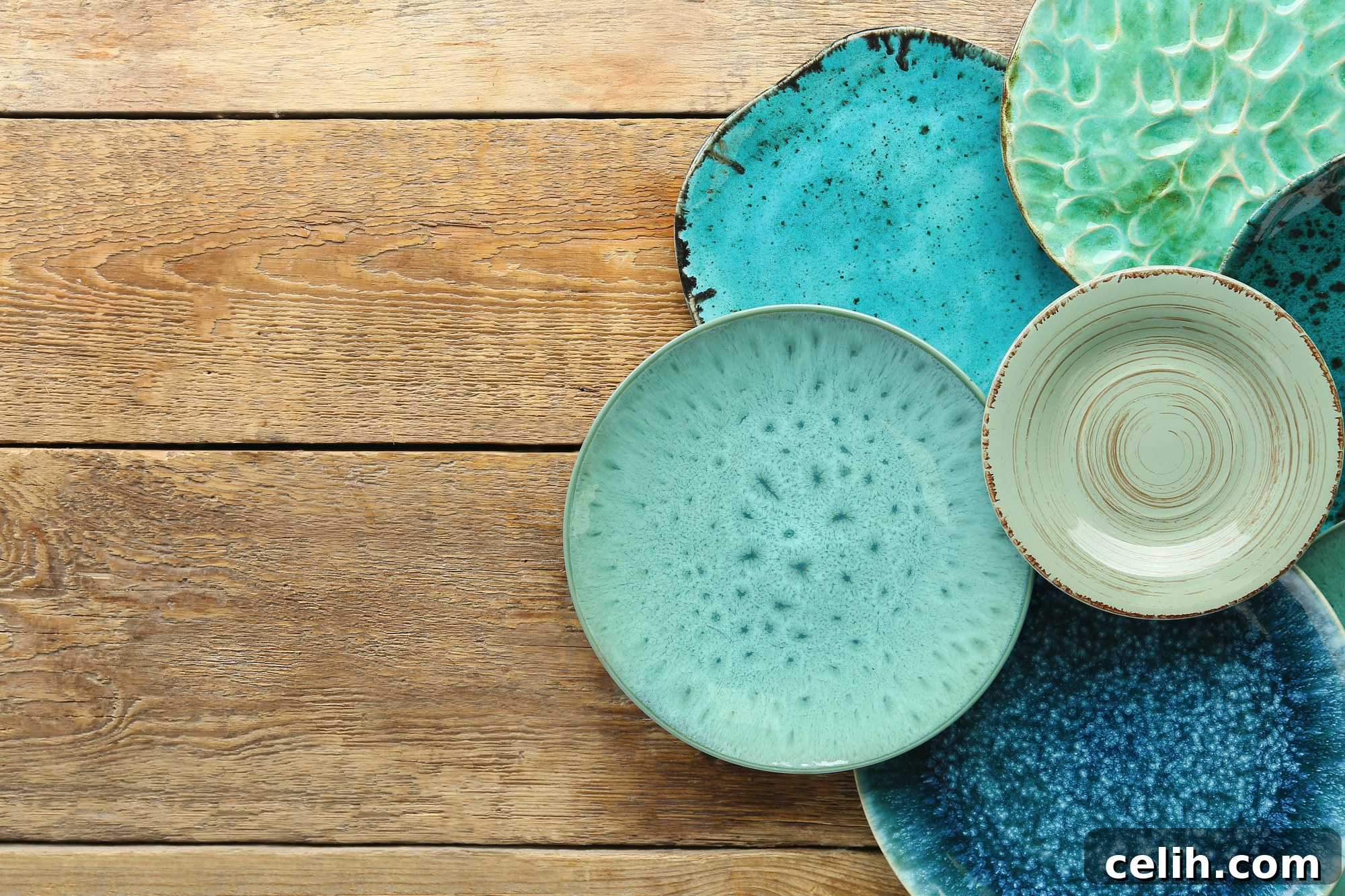
In the vast world of kitchenware, ceramic serveware holds a distinguished place, celebrated for its enduring appeal and remarkable versatility. From rustic, handcrafted earthenware that evokes warmth and tradition to sleek, contemporary designs that speak to modern minimalism, ceramic pieces effortlessly infuse any dining setting with a unique touch of elegance and character. More than just functional items, they are often artistic expressions, transforming everyday meals into special occasions and cherished gatherings.
However, the inherent beauty and long-lasting durability of these beloved ceramic pieces are not solely dependent on their initial quality. They are profoundly influenced by how diligently and thoughtfully they are used and cared for. Ceramics, by their very nature, possess certain characteristics – a degree of porosity and a notable susceptibility to rapid temperature fluctuations – that necessitate a mindful approach to their maintenance. Implementing a proper care routine is paramount to ensuring your ceramic serveware continues to grace your table with its charm for many years to come, preserving both its aesthetic integrity and its practical safety for daily use.
A fundamental understanding of the composition and characteristics of ceramic serveware forms the cornerstone of effective maintenance. Typically crafted from natural clays, these pieces undergo an intense firing process at extremely high temperatures. This transforms the raw clay into a durable, relatively impermeable material. While this process imbues ceramics with significant strength, they remain vulnerable to common forms of damage such as chipping, cracking, and staining if not handled with appropriate care and attention. Recognizing these inherent properties empowers you to adopt preventative measures that safeguard your investment.
Contrary to popular belief, a comprehensive care routine for ceramic items is far from overly complicated or time-consuming. It primarily demands consistent attention and a commitment to adhering to a few specific guidelines. These practices are designed to prevent damage, mitigate wear and tear, and significantly extend the functional and decorative lifespan of your treasured serveware. By integrating these simple yet effective habits into your kitchen routine, you can ensure that your ceramic collection remains as stunning and reliable as the day you first acquired it. Continue reading to discover essential tips and best practices for preserving the exquisite beauty and robust durability of your ceramic serveware.
1. Gentle Yet Effective Cleaning
The foundation of ceramic serveware maintenance begins with its cleaning. The delicate glaze that adorns most ceramic pieces is crucial for both their appearance and protection. Abrasive scrubbing tools, such as steel wool, harsh scouring pads, or stiff brushes, can irrevocably scratch, dull, or even entirely wear away this protective glaze. Similarly, strong chemical cleaning products, especially those containing bleach or highly acidic compounds, can also degrade the glaze over time. Instead, always opt for a soft sponge, a microfiber cloth, or a gentle dishcloth paired with a mild, pH-neutral dish soap. After washing, ensure thorough rinsing with warm water to eliminate any soap residue, which can leave unsightly streaks or a dull film if left to dry.
For stubborn, stuck-on food particles, avoid aggressive scraping. Instead, allow the item to soak in warm, soapy water for 15-30 minutes. This will soften the residue, making it much easier to gently wipe away without causing damage. For delicate or hand-painted pieces, hand-washing is always the safest method, regardless of manufacturer claims.
Dishwasher Considerations: Navigating Machine Washing
While the convenience of a dishwasher is undeniable, its use for ceramic serveware requires careful consideration. Many contemporary ceramic tableware pieces are indeed designed to be dishwasher-safe, but this label does not universally apply to all ceramics. Several critical factors must be assessed to ensure proper care and prevent potential damage:
- Manufacturer Guidelines are Paramount: The first and most crucial step is to always consult the manufacturer’s instructions or check for specific labels on your ceramic tableware. Manufacturers understand the precise firing temperatures, clay types, and glaze compositions used in their products. Their guidelines will explicitly state whether an item is dishwasher safe and may even suggest preferred settings. Ignoring these instructions can lead to unforeseen damage.
- Understanding Glaze Quality: The protective glaze on ceramic tableware is key to its dishwasher resilience. A high-quality, durable glaze provides a robust barrier that prevents water absorption into the porous ceramic body and shields it from the high temperatures, strong water jets, and harsh detergents commonly found in dishwashers. Lower quality or improperly applied glazes may not offer sufficient protection, making the ceramic susceptible to water damage, chipping, or dulling.
- Temperature Settings and Their Impact: If your ceramic tableware is confirmed as dishwasher-safe, it’s highly advisable to use a gentle cycle with a lower temperature setting if your appliance offers this option. Extreme heat, particularly rapid changes from cold to hot or vice versa, can induce thermal shock. This stress can cause the ceramic body and its glaze to expand and contract at different rates, potentially leading to cracking or ‘crazing’ (the development of fine, spiderweb-like cracks in the glaze surface), which is often irreversible.
- Strategic Loading of the Dishwasher: Proper loading techniques are essential to prevent physical damage. Ensure that your ceramic serving bowls and platters are placed in the dishwasher with adequate space in between them. Avoid overcrowding or nesting items where they might come into direct contact. During the wash cycle, vigorous water jets and vibrations can cause pieces to knock against each other, leading to chips, cracks, or scratches, especially along the rims and edges.
- Frequency of Dishwashing: Even for ceramics labeled as dishwasher-safe, frequent exposure to the harsh environment of a dishwasher can take its toll over time. The cumulative effect of strong detergents, high temperatures, and forceful water action can gradually erode or dull the glaze. This is particularly true for hand-painted ceramics, pieces with delicate decorative accents, or those with less robust glazes. Consider hand-washing these items more often to prolong their pristine condition.
Furthermore, exercise extreme caution with vintage, antique, or handmade ceramics. These items were often produced using different technologies, materials, and firing techniques than modern mass-produced ceramics. They may not possess the same level of heat and chemical resistance and are significantly more susceptible to damage in a dishwasher. Hand-washing is almost always the recommended approach for these irreplaceable treasures.
2. Avoiding Thermal Shock
Ceramics are notably sensitive to abrupt and extreme shifts in temperature. This phenomenon, known as thermal shock, occurs when different parts of a ceramic piece heat up or cool down too quickly and unevenly, causing internal stress that can lead to cracks or breakage. For this reason, it is crucial to avoid transferring your serveware directly from a cold refrigerator or freezer into a preheated, hot oven, or conversely, plunging a hot dish into cold water. Such drastic changes can be catastrophic to the integrity of the ceramic.
To prevent thermal shock, always allow ceramic items to gradually reach room temperature before exposing them to extreme heat or cold. For instance, if you are planning to bake in a ceramic dish that has been refrigerated, take it out well in advance to temper it. When removing a hot dish from the oven, place it on a wooden trivet, a cork mat, or a heat-resistant surface, rather than directly onto a cold countertop, which could also induce shock. Similarly, if you need to wash a hot dish, let it cool down significantly before introducing it to water. Gradual temperature transitions are key to preserving the structural soundness of your ceramic serveware.
3. Proper Storage Techniques
Effective storage is a cornerstone of ceramic serveware preservation, protecting pieces from accidental damage and keeping them organised. For items in regular use, storing ceramic tableware in cupboards or on open shelves is ideal. To maximize space and prevent wear, consider using a metal or wooden plate rack. These racks allow you to store plates vertically, which not only prevents them from rubbing against each other but also makes it significantly easier to retrieve individual pieces without needing to shift an entire stack. For stacked bowls or platters, place a soft cloth, felt pad, or even a paper plate in between each item to create a protective barrier against scratches and chips.
For special ceramic pieces, antiques, or those not in regular rotation, long-term storage requires extra consideration. Store them in a cool, dry place, away from areas of high humidity or direct sunlight, which can cause fading or damage over extended periods. When stacking, always place cushioning layers of soft, non-abrasive material – such as felt, cork, or even bubble wrap – between each piece to prevent scratching and chipping. Custom-fit storage boxes or padded containers can provide superior protection for particularly delicate or valuable items. Alternatively, displaying your cherished ceramics on sturdy shelves, in display cabinets, or even using secure wall hangers can be an elegant way to store and showcase your collection while keeping them safe from accidental bumps and knocks.
4. Handling With Utmost Care
While ceramic tableware boasts remarkable strength, it remains inherently fragile and susceptible to breakage upon impact or improper handling. Even the most robust stoneware can shatter if dropped or knocked against a hard surface. Therefore, conscious handling is vital. Always lift and carry your ceramic serveware with both hands, supporting it firmly from the base rather than relying solely on handles or edges. Handles, rims, and delicate decorative elements are often the weakest points of a ceramic piece and are far more prone to snapping or chipping under stress.
When placing ceramics on countertops or tables, do so gently. Avoid sliding them across hard surfaces, as this can cause scratches or weaken the base. For added protection, especially with delicate or unglazed bottoms, consider using placemats, coasters, or trivets. These not only protect your furniture but also provide a softer landing surface for your ceramic pieces. Instilling a habit of mindful handling will significantly reduce the risk of accidental damage and ensure your serveware remains intact for years to come.
5. Safe Microwave Use Guidelines
The convenience of reheating food in the microwave makes it a common kitchen appliance, but not all ceramic serveware is suitable for microwave use. It is absolutely essential to check if your ceramic item is explicitly labeled as “microwave-safe” or “microwavable.” This label signifies that the ceramic has been rigorously tested and confirmed to be safe for microwave ovens. It indicates that the material will not absorb microwave energy, which could lead to dangerous overheating, potential damage to the ceramic itself, or even the microwave unit.
Crucially, never use items with metallic paint, gold or silver rims, or any metal embellishments in the microwave. Metal in a microwave oven can cause electrical arcing, producing sparks, flames, and potentially leading to a fire or damage to the appliance. The risk is significant and should always be avoided.
Furthermore, poorly glazed or unglazed ceramics can absorb water over time, especially if they are porous. When these items are heated in a microwave, the absorbed water rapidly turns into steam, creating internal pressure that can lead to cracking or even shattering of the ceramic due to thermal expansion. This is a common cause of damage for older or lower-quality ceramic pieces. Similarly, older or antique ceramics, which may not have been manufactured with the same advanced technologies and material compositions as modern microwave-safe ceramics, are generally more susceptible to damage and should be kept out of the microwave. Additionally, ceramics with any pre-existing cracks, chips, or flaws should never be microwaved, as the heating process can exacerbate these imperfections, causing them to worsen or break entirely.
To perform a quick at-home test for microwave safety if a label is absent, place the empty ceramic dish in the microwave alongside a glass of water. Heat both on high for one minute. If the ceramic dish remains cool to the touch (while the water is hot), it is likely microwave-safe. If the dish becomes hot, it is absorbing microwave energy and should not be used in the microwave for food. While many ceramics are safe for microwave use, always prioritize checking for a microwave-safe label and being mindful of metallic accents or any existing damage. When in doubt, it is always the safest option to avoid microwaving the item or to refer to the manufacturer’s specific guidelines for reassurance.
6. Treating Stains And Odours Effectively
Over time, ceramic serveware, especially lighter-colored pieces, can develop stubborn stains from tea, coffee, wine, or deeply pigmented foods. Similarly, porous ceramics might occasionally retain odors from strong-smelling dishes. To effectively remove these stains and lingering odors, a simple and natural solution is often the best approach: baking soda.
For general stains or persistent odors, prepare a mixture of warm water and a generous amount of baking soda in your sink or a basin. Submerge the stained ceramic item and allow it to soak for a few hours, or even overnight, depending on the severity of the stain. Baking soda acts as a mild abrasive and an excellent odor absorber, gently lifting impurities without harming the glaze. After soaking, wash the ceramic as usual with mild dish soap and rinse thoroughly.
For more stubborn or concentrated stains, create a thick paste by mixing baking soda with a small amount of water. Apply this paste directly to the stained area, ensuring it covers the mark completely. Allow the paste to sit on the stain for at least 30 minutes, or longer for very deep stains, before gently scrubbing with a soft sponge and washing it clean. For particularly tough tea or coffee rings, a mixture of equal parts vinegar and water can also be effective, but always rinse vinegar solutions quickly to avoid potential long-term effects on some glazes. Avoid abrasive cleaners or bleach, as these can strip the glaze and potentially damage the ceramic’s finish.
7. Repairing Minor Chips And Maintaining Luster
Despite the most diligent care, accidents can happen, leading to minor chips or hairline cracks in your beloved ceramic serveware. If your ceramic piece does sustain damage, the first step is to carefully assess its safety and functionality. For purely aesthetic minor chips that do not compromise the structural integrity or food safety, a food-safe epoxy adhesive can be used for repair. Ensure the epoxy is specifically designed for ceramics and food contact, and follow the manufacturer’s instructions for application and curing precisely. While these repairs can extend the life of a piece, they are generally best suited for items that will not come into direct contact with food or liquids that are prone to extreme temperatures.
However, for larger cracks, extensive breakage, or damage that affects the usability and safety of the item – especially if it is intended for serving or cooking food – it is often best to refrain from attempting a repair for functional use. Instead, consider repurposing the item decoratively. A broken ceramic bowl can become a unique planter for succulents, or a chipped plate can be transformed into wall art. Some even embrace the Japanese art of Kintsugi, where broken pottery is repaired with gold lacquer, celebrating the damage as part of the item’s unique history rather than hiding it.
Beyond repairs, maintaining the glossy finish of glazed ceramics contributes significantly to their enduring beauty. Occasionally polishing and buffing your pieces can help achieve this. Use a soft, dry microfiber cloth to gently buff the surface of your glazed ceramics. This simple action helps to remove any lingering dust, water spots, or faint smudges, and restores their original shine and luster. Regular light buffing also helps maintain the integrity of the glaze, keeping your serveware looking pristine and cared for.
Conclusion
Caring for your ceramic serveware is a rewarding endeavor that extends far beyond merely preserving its functionality. It is an act of cherishing the artistry, craftsmanship, and rich tradition that each piece embodies. By conscientiously following these straightforward yet highly effective maintenance tips, you ensure that your ceramic collection remains not only a beautiful and integral part of your culinary experiences but also a lasting testament to mindful living and appreciation for quality.
Remember, the true secret to the longevity and enduring beauty of ceramics lies in a combination of gentle care and thoughtful, mindful handling. Each step, from careful washing and strategic storage to understanding temperature sensitivities and safe microwave practices, contributes to the overall well-being of your serveware. With the right approach and a little consistent effort, your ceramic pieces will continue to serve you faithfully, enhancing your dining table and kitchen for many years to come, standing as both invaluable functional assets and elegant reflections of your discerning taste and sophisticated style.