
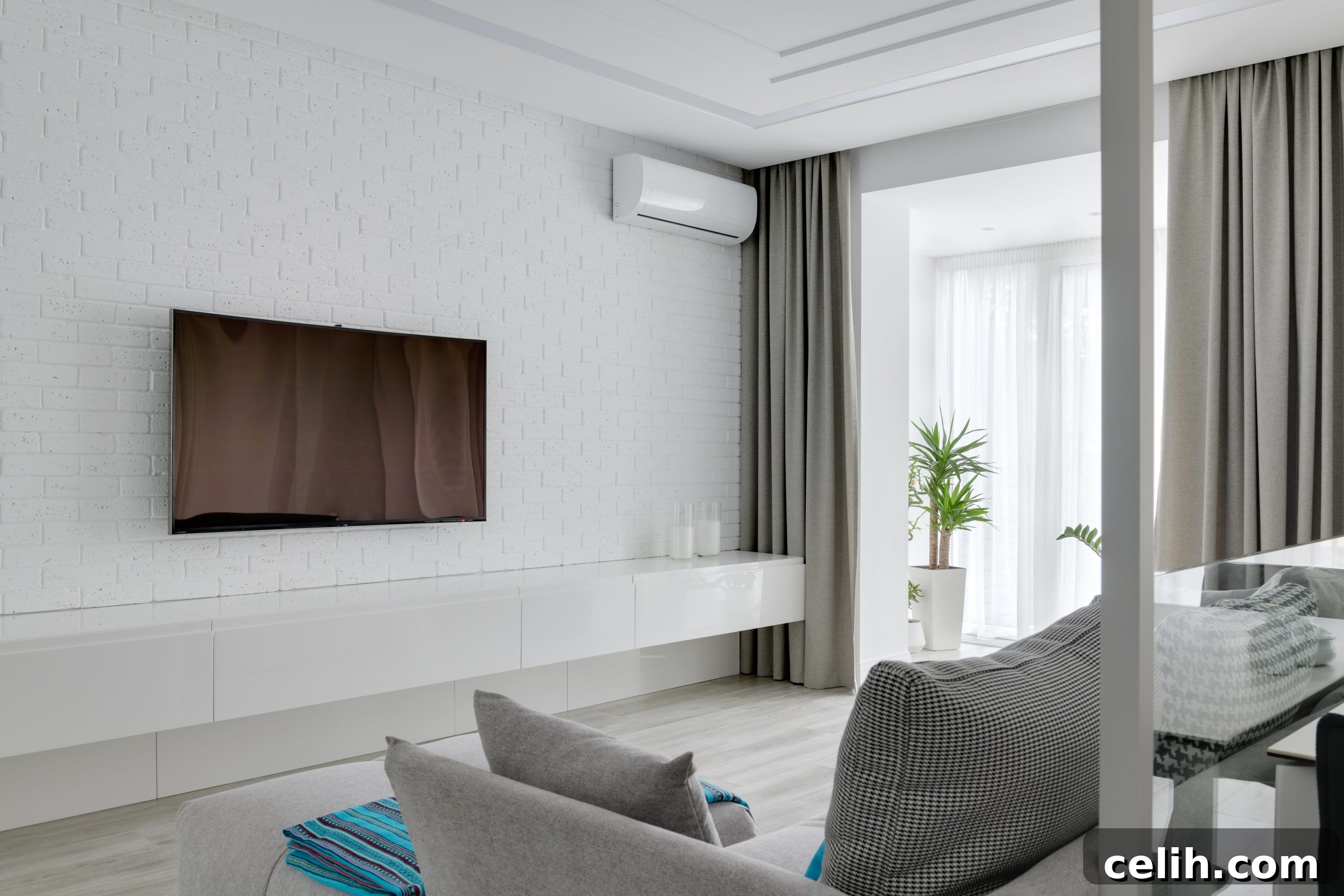
Transforming your home or commercial space into an aesthetically pleasing sanctuary doesn’t necessitate an extravagant budget. The dynamic world of interior design generously offers a vast array of fabrics that masterfully blend visual allure with remarkable affordability. Whether you’re refreshing a cozy home environment or designing a sophisticated commercial setting, the judicious selection of fabrics is paramount to realizing your design aspirations within practical financial constraints.
This comprehensive guide invites you to explore the exciting realm of budget-friendly designer fabrics. We’ll provide actionable insights, expert guidance, and innovative strategies to navigate the myriad options available, empowering you to craft an impressive, inviting, and truly cost-effective ambiance that reflects your unique style without compromising on quality or elegance.
Understanding Designer Fabrics: Composition, Versatility, and Impact
At the very heart of comprehending designer fabrics lies an understanding of their fundamental composition. These exquisite textiles are meticulously fashioned from a diverse range of high-quality materials, encompassing both natural and synthetic fibers. Natural fibers, such as luxurious silk, resilient wool, breathable cotton, and classic linen, offer an unparalleled tactile experience and are celebrated for their inherent durability and superior breathability. Conversely, synthetic fibers like robust polyester, versatile nylon, and resilient acrylic often provide enhanced resistance to daily wear and tear, stains, and fading, making them ideal for high-traffic areas or environments requiring minimal maintenance.
Often, the most innovative designer fabrics are intricate blends of different fibers. These unique combinations ingeniously marry the best attributes of both worlds, offering an optimal balance of comfort, luxurious feel, and long-lasting durability. For instance, a cotton-linen blend can provide the crispness of linen with the softness of cotton, while a polyester-wool blend might offer the warmth and texture of wool with the enhanced resilience and wrinkle resistance of polyester.
The utility of designer fabrics extends far beyond conventional upholstery. These adaptable textiles serve a myriad of purposes within any sophisticated design concept, acting as key elements that define character, add warmth, and enhance functionality. While upholstering furniture pieces like sofas, armchairs, and ottomans remains a primary application, showcasing the fabric’s aesthetic impact and structural integrity, their role in draperies and window coverings is equally significant. Here, they introduce vital color, texture, and pattern to a space, simultaneously managing light filtration, ensuring privacy, and even contributing to thermal insulation.
Furthermore, designer textiles are instrumental in creating luxurious touches through decorative elements such as throw pillows, custom cushions, and elegant bedding, which serve to tie together diverse design components and infuse a sense of cohesion. They also find their way into innovative wall coverings, where they can establish distinctive focal points, add tactile depth, or provide crucial acoustic insulation, transforming a flat surface into a dynamic visual and auditory experience. Understanding the expansive and varied applications of designer textiles empowers designers and homeowners alike to make informed decisions that adeptly complement both the practical requirements and the aesthetic aspirations of any given space, contributing to its overall mood, functionality, and unique personality.
Navigating Budget-Friendly Options: Smart Shopping for Designer Fabrics
Embarking on the quest for budget-friendly designer fabrics can feel like an exhilarating treasure hunt, brimming with possibilities. The key to success lies in prioritizing your specific needs, accurately identifying the desired type of fabric, and diligently seeking out sources that align perfectly with your budget. Dive into the vast oceans of online textile stores or explore local fabric warehouses and discount outlets to uncover hidden gems that are both remarkably trendy and economically sound. Many reputable online retailers specialize in offering designer fabrics at significantly reduced prices by sourcing end-of-roll batches, discontinued lines, or overstocked items. Keep an eye out for seasonal sales, clearance events, and special promotions.
When selecting fabrics, cultivate an open mind and embrace creativity. Thrift stores, antique shops, and even estate sales can be unexpected havens for discovering unique, high-quality textiles at incredibly reasonable costs. These finds often carry a nostalgic charm and an individual character that mass-produced fabrics simply cannot replicate. Furthermore, leverage the power of DIY methods to significantly cut down expenses. Invest a little time in learning fundamental sewing techniques – from basic hemming to more complex pattern making. These skills will empower you to transform everyday materials or inexpensive fabric remnants into stunning, personalized creations tailored precisely to your preferences. Consider repurposing vintage garments or recycling fabric leftovers into bespoke throw pillows, unique wall art, or custom table runners. This not only saves money but also contributes positively to sustainable fashion and eco-conscious design practices.
Don’t underestimate the value of networking within the vibrant crafting and design community. Connect with fellow designers, skilled artisans, and passionate DIY enthusiasts through social media groups, online forums, or local textile and fashion events. These connections can be invaluable, providing insider information about flash sales, reduced discounts from prominent designers, or direct links to online marketplaces specifically targeting affordable designer fabric solutions. Participating in fabric swaps or local crafting guilds can also yield unexpected treasures and foster a sense of community.
When searching for designer textiles on a budget, it’s crucial to think beyond conventional retail channels. Embrace the thrill of discovering wonderful fabrics at an unbeatable price, but always remember to consider fabric durability and meticulously review care recommendations. This diligent approach will ensure that your carefully chosen masterpieces not only look fantastic but also stand the test of time, enduring beautifully for many years to come and providing lasting value for your investment.
Strategic Fabric Selection and Placement: Crafting Cohesive and Impactful Spaces
1. Purpose-Driven Selection
The journey of strategic fabric selection commences with a thorough understanding of the intended purpose and functional role of each fabric within your overarching design scheme. Different fabrics inherently possess distinct qualities that make them suitable for specific applications. For example, upholstery fabrics must be robust enough to withstand significant wear and tear, making durability and high rub counts primary considerations. Conversely, drapery fabrics require a delicate balance between effective light filtration and ensuring optimal privacy, alongside their aesthetic contribution to the room’s ambience. By precisely identifying the intended use of each fabric—whether it’s for a high-traffic family room, a serene bedroom, or an outdoor patio—designers can make truly informed decisions that harmonize both aesthetic aspirations and crucial practical needs, including factors like stain resistance, fade resistance, and ease of cleaning.
2. Texture and Layering
Texture is a profoundly powerful element in interior design, capable of providing immense depth, visual intrigue, and a palpable physical appeal to any space. Strategic fabric selection masterfully entails combining a diverse range of textures to orchestrate a rich, three-dimensional sensory experience. The art of layering contrasting textures—such as juxtaposing a smooth, lustrous silk fabric with a coarse, rustic linen, or placing soft velvet against a chunky wool knit—instantly injects depth and compelling aesthetic interest. This nuanced approach is exceptionally effective in generating welcoming, comfortable, and visually dynamic spaces. The interplay of soft and rough, smooth and tactile, can effortlessly transform a monotonous area into an enthralling and engaging environment, inviting interaction and exploration. Consider using a variety of textures within a single color palette to add sophistication without overwhelming the eye.
3. Proportions and Scale
Understanding dimensions and scale is an absolutely critical aspect of effective fabric selection and placement. A common design pitfall is using overly large patterns or excessively bright colors in small, intimate areas, which can easily overwhelm the space and make it feel cramped. Conversely, delicate materials or tiny patterns might appear lost and insignificant in expansive, grand rooms. The goal is to choose fabrics that exist in perfect balance and harmony with the room’s overall size, ceiling height, and existing architectural features. When combining multiple patterns, scale becomes even more paramount. A sophisticated approach involves mixing textiles with varied degrees of pattern scale—for example, pairing a bold geometric print with a subtle stripe and a tiny floral motif—to offer rich visual interest without ever becoming overbearing or chaotic. Always ensure there’s enough plain or subtly textured fabric to act as a visual resting point.
4. Color Harmony
Fabrics are one of the most effective tools for introducing color into a space and establishing a cohesive color palette. When selecting fabrics, consider how their hues interact with existing elements like wall paint, furniture, and flooring. Fabrics can be used to introduce accent colors, create a harmonious monochromatic scheme, or balance a vibrant, eclectic palette. The saturation and intensity of fabric colors also play a role in setting the mood; muted tones create tranquility, while bold colors inject energy and drama. Understanding the principles of color theory can significantly elevate your fabric choices.
5. Personalization and Individuality
Ultimately, intelligent fabric selection and placement offer an unparalleled opportunity for profound self-expression and genuine customization. Designer textiles serve as a powerful medium to reflect the unique personalities, cherished preferences, and individual tastes of the residents, effectively infusing a space with distinct character and undeniable charm. Incorporating custom-made elements, bespoke fabrics, or one-of-a-kind, artisanal materials introduces an extraordinary level of uniqueness to the design. This ensures that the aesthetic not only resonates deeply but also authentically connects with the individuals who inhabit the space, making it a true reflection of their identity and story. Think beyond off-the-rack options and explore possibilities like custom dyeing, embroidery, or even digitally printed designs to create truly bespoke pieces that tell your unique tale.
Final Thoughts and Recommendations: Mastering Budget-Friendly Design
Navigating the rich and varied world of budget-friendly designer fabrics is truly an art form, demanding a blend of creativity, astute planning, and a deep appreciation for the diverse range of possibilities at your fingertips. By thoughtfully utilizing adaptable fabrics, playfully experimenting with various patterns and textures, and judiciously integrating cost-effective elements, you possess the power to curate a design scheme that elegantly marries sophistication with practicality, proving that exceptional style doesn’t have to come with an exorbitant price tag.
The ultimate goal is to thoroughly grasp the inherent potential of each fabric type, to strategically capitalize on its unique strengths, and to fearlessly allow your creative vision to blossom within the practical constraints of your budget. Remember, true originality and lasting beauty often emerge from the harmonious synergy between thoughtful design and responsible financial management. This approach ultimately culminates in creating settings that are not only profoundly aesthetically appealing but also distinctively representative of your personal style, resourcefulness, and unique narrative. Embrace the journey of discovery, trust your instincts, and revel in the process of transforming your space into a reflection of your best self, all while staying within your desired budget. With these strategies, you can achieve a high-end look and feel that is both accessible and sustainable, proving that smart design is always in vogue.