
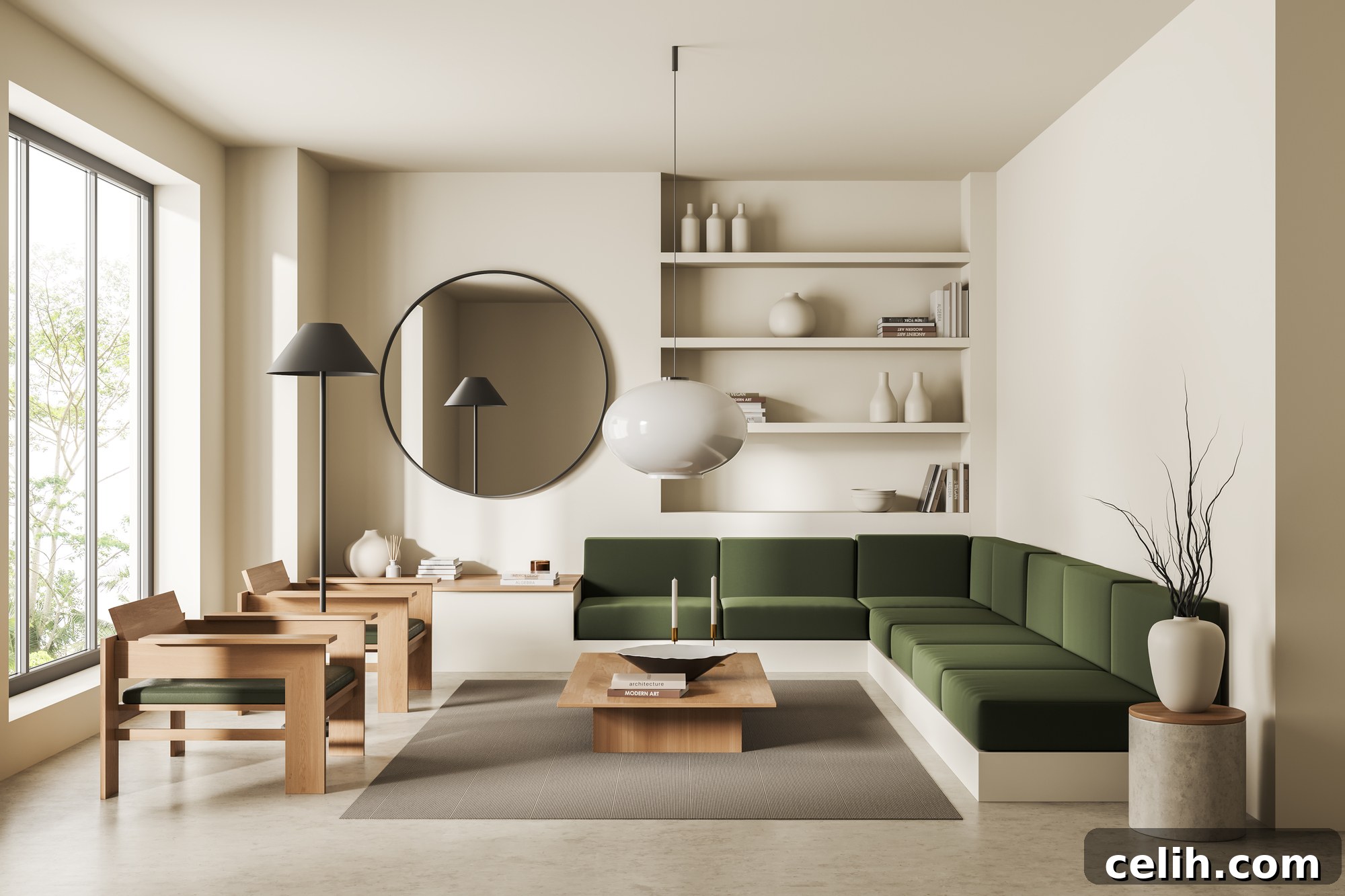
In today’s competitive real estate landscape, the presentation of a property can significantly influence its marketability and ultimate sale price. Home staging, far from being a mere aesthetic enhancement, is a strategic investment that unlocks a property’s full potential, creating an undeniable appeal for prospective buyers. Data from the National Association of Realtors (NAR) consistently highlights its impact, with a striking 81% of buyers’ agents reporting that staging helps buyers envision themselves living in the home. This crucial visualization fosters an emotional connection, dramatically increasing the likelihood of a successful offer.
The importance of staging is particularly pronounced in key areas of the home. NAR statistics confirm that the living room, primary bedroom, and kitchen are paramount, with 39%, 36%, and 30% of buyers’ agents, respectively, identifying these spaces as essential. Optimizing these high-impact areas ensures that a property makes a memorable first impression, both online and during in-person viewings. Beyond visualization, the financial benefits are clear: 20% of agents across both buyer and seller sides observe an increase in offer values by 1% to 5% for staged homes compared to their unstaged counterparts. This empirical evidence underscores the tangible financial returns associated with a well-executed staging strategy.
The Psychology of Attraction: Why Staging Works
The effectiveness of home staging is deeply rooted in human psychology. It’s about more than just making a house look pretty; it’s about crafting an experience and facilitating a buyer’s emotional journey. A strategically staged home provides a “blank canvas” – not literally empty, but thoughtfully designed with neutral tones and minimal, yet impactful, décor. This approach empowers potential buyers to project their own lives and furnishings into the space, rather than being distracted by the seller’s personal style or clutter.
Creating an emotional connection is paramount. Buyers often purchase based on feeling, and a staged home is engineered to evoke positive emotions. By presenting an aspirational lifestyle, buyers can more easily imagine themselves enjoying a morning coffee in a sunlit kitchen, relaxing in a cozy living room, or unwinding in a serene primary bedroom. Sensory elements play a critical role in this process. Subtle background music, the inviting scent of a clean home or freshly baked cookies, and warm, inviting lighting all contribute to an atmosphere that feels welcoming, comfortable, and, crucially, like “home.” This holistic sensory experience helps solidify an emotional resonance with the property, moving it from just a house to a potential future.
Furthermore, staging guides the buyer’s journey through the property. It subtly highlights the functionality of each space, demonstrating how rooms can be utilized effectively—perhaps a corner transformed into a functional home office, or a dining area set to suggest elegant entertaining. Staging also adeptly manages flow and proportion. By carefully arranging furniture and décor, professional stagers can make rooms appear more spacious, well-proportioned, and navigable, eliminating awkward layouts or underutilized areas. This clear definition of space reduces cognitive load for the buyer, allowing them to focus on the home’s potential rather than its current state or perceived flaws.
Staging as a Strategic Investment: Unlocking Higher Returns
The financial advantages of home staging are well-documented and extend beyond anecdotal evidence. Staging is not an expense but a strategic investment that consistently yields tangible returns for sellers. Professionally staged homes consistently outperform their unstaged counterparts in both sale price and speed.
Boosting property value is one of staging’s most significant financial benefits. A survey by the Real Estate Staging Association (RESA) revealed that professionally staged homes sold, on average, $40,000 above their list price and nine days faster than properties that weren’t staged. This direct correlation between staging and increased financial gain for sellers is compelling. The perceived value of a well-presented home can lead to more competitive offers, and in some cases, even spark bidding wars. Furthermore, a meticulously staged home can influence appraisal values, as appraisers, like buyers, are subconsciously swayed by a property’s overall presentation and perceived condition.
Accelerating time on market is another critical advantage, especially in dynamic real estate environments. The NAR’s 2023 Profile of Home Staging indicates that 48% of sellers’ agents report a reduction in the time properties spend on the market when staged. Selling faster translates directly into financial savings for sellers, reducing carrying costs such as mortgage payments, utilities, and insurance. It also minimizes the stress and inconvenience associated with extended listing periods. In a market where first impressions are paramount, a staged home stands out in online listings and captivates buyers during viewings, often leading to quicker decisions and fewer price reductions.
The expertise of professional stagers plays a crucial role in maximizing these benefits. These experts possess an objective eye, understanding market trends, buyer demographics, and the most effective ways to highlight a home’s best features while downplaying its imperfections. They have access to a curated inventory of furniture and accessories, ensuring a cohesive and appealing design that would be challenging for most homeowners to achieve independently.
The Digital Showcase: Capturing Buyers Online
In the digital age, the journey of a potential homebuyer often begins online. The necessity for high-quality visual content has dramatically escalated, particularly since the beginning of the COVID-19 pandemic, fundamentally transforming how properties are marketed. The NAR emphasizes this shift, with 82% of buyers’ agents highlighting the critical importance of photos, videos, and virtual tours in their listings.
Beyond static photos, videos and virtual tours have become indispensable tools. These dynamic elements offer a 24/7 open house, allowing potential buyers to explore a property at their convenience from anywhere in the world. This not only broadens the reach of a listing but also helps pre-qualify buyers, ensuring that those who schedule in-person viewings are genuinely interested and more serious. A staged home naturally translates into superior visual content. Every room, every angle, and every detail is meticulously prepared to photograph and film beautifully, presenting the property in its most appealing light. High-quality visuals of a staged home reduce buyer skepticism and significantly increase click-through rates on online platforms, making a listing stand out in a crowded digital marketplace.
Optimizing online listings means ensuring that the visual narrative of the home is compelling and consistent. Professional photography and videography, featuring a well-staged interior, create an immersive experience that digital tools alone cannot achieve with an unstaged property. This synergy between expert staging and professional media production is crucial for capturing attention, generating interest, and ultimately driving foot traffic to the property.
Mastering Modern Aesthetics: Current Staging Trends
Staying abreast of current and emerging trends in home staging can further amplify a property’s appeal, positioning it as modern, desirable, and move-in ready. Design elements and color palettes continually evolve, and incorporating popular styles can significantly enhance buyer interest.
Embracing texture and warmth is a prominent trend. Materials like boucle, fringe, and rattan are gaining considerable popularity, predicted to be highly influential in 2024 and beyond. These elements add a tactile dimension and character to a home, creating a sense of coziness and sophisticated comfort that resonates with contemporary buyers. Boucle upholstery, for instance, adds a luxurious, inviting softness to seating, while rattan accents can introduce an organic, relaxed elegance. Fringe details on textiles or throws offer a subtle touch of bohemian chic. Incorporating these textures strategically can transform a sterile space into an inviting sanctuary.
The power of color palettes is another key trend. While neutral backgrounds remain fundamental for a “blank canvas,” the strategic use of “moody colors” like black, dark gray, and deep purples can create an atmosphere of elegance, sophistication, and dramatic depth. These darker hues, when used thoughtfully as accent walls, in sophisticated furniture pieces, or through curated accessories, can lend a high-end, boutique hotel feel to a property, appealing to buyers seeking a refined aesthetic. The key is balance, ensuring these deeper tones complement rather than overwhelm the overarching neutral palette.
Furthermore, the rise of hybrid living has underscored the importance of functional and flexible spaces. Modern buyers often seek homes that can adapt to multiple needs, such as dedicated home offices, versatile guest rooms, or multi-generational living arrangements. Staging can effectively showcase a room’s versatility, perhaps by setting up a corner as an efficient workspace or demonstrating how a larger room can accommodate both relaxation and entertainment, thereby appealing to a broader range of potential occupants.
The economic advantages offered by home staging are quantifiable. Tools like a home value estimator can provide sellers with an objective understanding of their property’s worth in the current market, allowing them to gauge the potential impact of investments in staging on the overall home value. This analytical approach empowers sellers to make informed decisions that maximize their return on investment.
Strategic Staging: Focusing on Key Areas and Sensory Details
Effective home staging extends to meticulous attention to visual and sensory appeal, influencing both in-person viewings and crucial online listings. The strategic focus on high-impact rooms, combined with subtle sensory cues, is paramount to creating an irresistible environment.
Prioritizing high-impact rooms is essential for maximizing staging efforts and budget. As previously noted, the living room, primary bedroom, and kitchen are the most critical spaces according to agents. For the living room, staging should emphasize an inviting seating arrangement that encourages conversation and relaxation, perhaps centered around a clean, functional fireplace or a stylish media console. The primary bedroom should be transformed into a serene retreat with luxurious bedding, minimal clutter, and soft lighting, conveying comfort and privacy. The kitchen, often considered the heart of the home, must radiate cleanliness, functionality, and modern appeal. Clear countertops, updated hardware, and perhaps a bowl of fresh fruit or a single elegant plant can create an aspirational culinary space. These specific staging tips for each room ensure that buyers perceive maximum value and functionality.
The subtle art of sensory marketing significantly enhances the overall buyer experience. Beyond visual aesthetics, the atmosphere of a home—how it feels, sounds, and smells—plays a crucial role in forging an emotional connection. Natural light should be maximized by opening curtains and blinds, creating a bright and airy feel. Thoughtfully planned ambient lighting, such as lamps with warm bulbs, can add warmth and depth, especially in the evenings. The importance of cleanliness cannot be overstated; a spotless home conveys care and reduces perceived maintenance for buyers. Subtle sensory cues, such as soft background music playing at a low volume or a faint, pleasant scent (like vanilla, citrus, or a clean linen smell, rather than overpowering air fresheners), can significantly enhance buyers’ overall experience. Conversely, it is critical to eliminate any unpleasant odors, such as pet smells, dampness, or lingering cooking aromas, as these can be immediate deal-breakers.
In conclusion, home staging is an indispensable tool in the modern real estate market, transforming properties from mere structures into aspirational homes that captivate buyers. By leveraging psychological principles, achieving tangible financial returns through increased value and faster sales, embracing digital marketing imperatives, and incorporating contemporary design trends, staging proves its worth as a strategic investment. From the immediate visual impact to the subtle sensory cues, every element of a staged home works in concert to maximize its appeal and ensure a successful, profitable sale. For sellers looking to truly distinguish their property and unlock its full market potential, professional home staging is not merely an option, but a necessity.