

Readers of Fresh Design Blog often focus on design details that finish a room—the right light fixture, a complementary paint color, or a thoughtful garden layout. Those elements matter, but they can be undone in an instant by pests: ants across the kitchen counter, spiders in newly styled corners, or rodents in hidden spaces. Pests are the uninvited guests that undermine good design, showing up when you least expect them.
That is why pest prevention deserves the same careful planning you apply to renovations or seasonal decor updates. Homeowners in warm, humid regions face continuous pest pressure, and working with a local team experienced with the area can help you stay ahead of ants, roaches, and rodents that thrive in Georgia’s climate. Consider this checklist a maintenance routine for your home’s defenses—just as essential as cleaning gutters or sealing a deck.
Seal Entry Points and Secure Your Home’s Perimeter
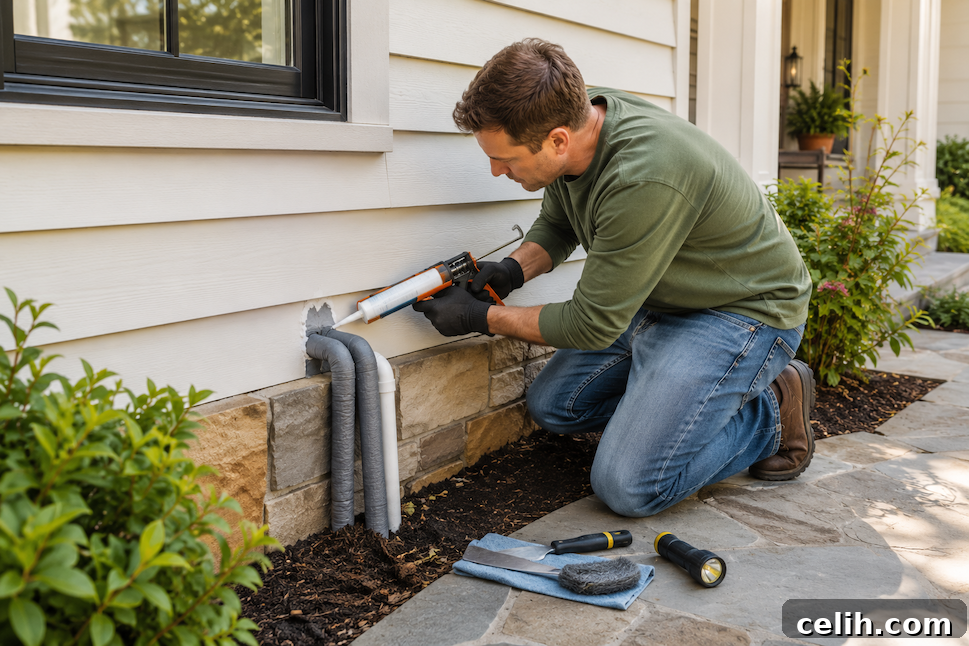
Small gaps around a house act like open doors to insects and rodents. Begin with a careful walk around the exterior and address the common weak spots:
- Check foundation cracks and gaps around utility lines,
- Inspect weatherstripping on doors and windows and replace worn strips,
- Install fine mesh screens over vents, attic openings, and chimneys,
- Repair damaged siding, fascia, or soffits where moisture has softened wood, and
- Trim tree branches that touch the roofline, because they serve as bridges for ants and rodents.
Many homeowners prioritize sealing cracks and gaps as part of fall preparation; doing this twice a year—once in spring and again in late fall—reduces the number of easy entry points pests can exploit. A caulk gun, some steel wool for larger holes, and a flashlight for crawlspaces are often all you need to start. The goal is practical prevention: remove obvious openings so pests look elsewhere.
Eliminate Food, Water, and Shelter Sources Inside Your Home

Once the exterior is secured, turn attention to everyday habits. Pests that do get inside are usually attracted by food, moisture, or shelter. Make these practices routine:
- Store dry goods in airtight containers rather than original bags,
- Wipe counters and stovetops nightly to remove crumbs and grease,
- Fix leaky faucets and plumbing promptly—standing moisture attracts roaches and silverfish,
- Empty trash regularly and keep bins sealed, and
- Declutter basements, attics, and closets so pests have fewer hiding places.
Kitchens and bathrooms deserve special attention because they combine food, water, and warmth. Even a damp sponge left overnight or a small trail of crumbs can invite scouts from a nearby colony. Consistency matters more than an occasional deep clean: a brief five-minute wipe each evening prevents far more problems than infrequent intensive cleaning.
Maintain Your Yard and Garden to Prevent Outdoor Pest Bridges

The garden is often the first contact point between outdoor pests and your home. Seasonal garden care reduces the chance that your landscape becomes a staging area for an indoor infestation:
- Keep mulch beds several inches from the foundation to reduce moisture buildup,
- Store firewood off the ground and away from external walls,
- Remove standing water from birdbaths, gutters, and plant saucers to prevent mosquito breeding,
- Mow regularly and keep shrubs trimmed back from siding, and
- Inspect raised beds and compost piles for rodent activity or burrows.
Integrated pest management emphasizes prevention and low-toxicity methods over frequent reactive spraying. Choosing plants that deter pests, rotating mulch, and maintaining a balanced compost reduce the likelihood that your outdoor area becomes a pathway indoors.
Conduct Regular Inspections and Know When to Call a Professional
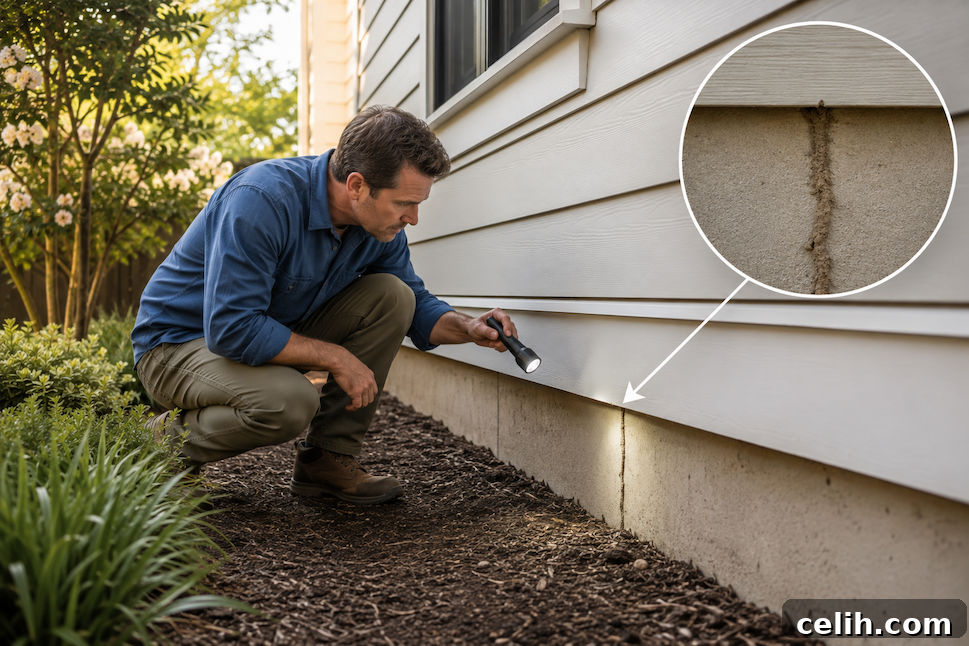
Most pest problems begin small and remain manageable if detected early. Make these inspection steps part of your seasonal routine:
- Check attics and crawlspaces twice a year for droppings, nests, or chew marks,
- Look beneath sinks and around appliances for signs of moisture damage,
- Inspect stored boxes, linens, and fabric for evidence of fabric pests or rodent gnawing,
- Monitor foundation walls for termite mud tubes and other subtle signs, and
- Schedule a professional inspection annually, even if you see no obvious signs.
Structural damage from pests is more common than many expect, and professionals have tools and training that homeowners usually do not. For issues like termites, carpenter ants, or established rodent populations, expert assessment and treatment are often the most effective way to prevent costly repairs. Addressing a problem early almost always reduces both expense and stress compared with waiting until damage is visible throughout the house.
| Statistic | Figure |
| Households experiencing an ant problem annually | 50% |
| Average annual homeowner spending on pest control (2023) | $489 |
| Homeowners focused on preventing ants, spiders, rodents | 66%, 60%, 58% |
| Homeowners taking proactive fall pest prevention steps | 55% |
| Homeowners experiencing structural pest damage | 50% |
Pest prevention rarely receives the same attention as a fresh paint job or a new fixture, yet it safeguards everything you invest in your home. A sealed perimeter, regular cleaning habits, well-maintained landscaping, and routine inspections work together as a quiet, effective defense. Treat this checklist like any other seasonal maintenance and you’ll keep your home both stylish and pest-free throughout the year.