
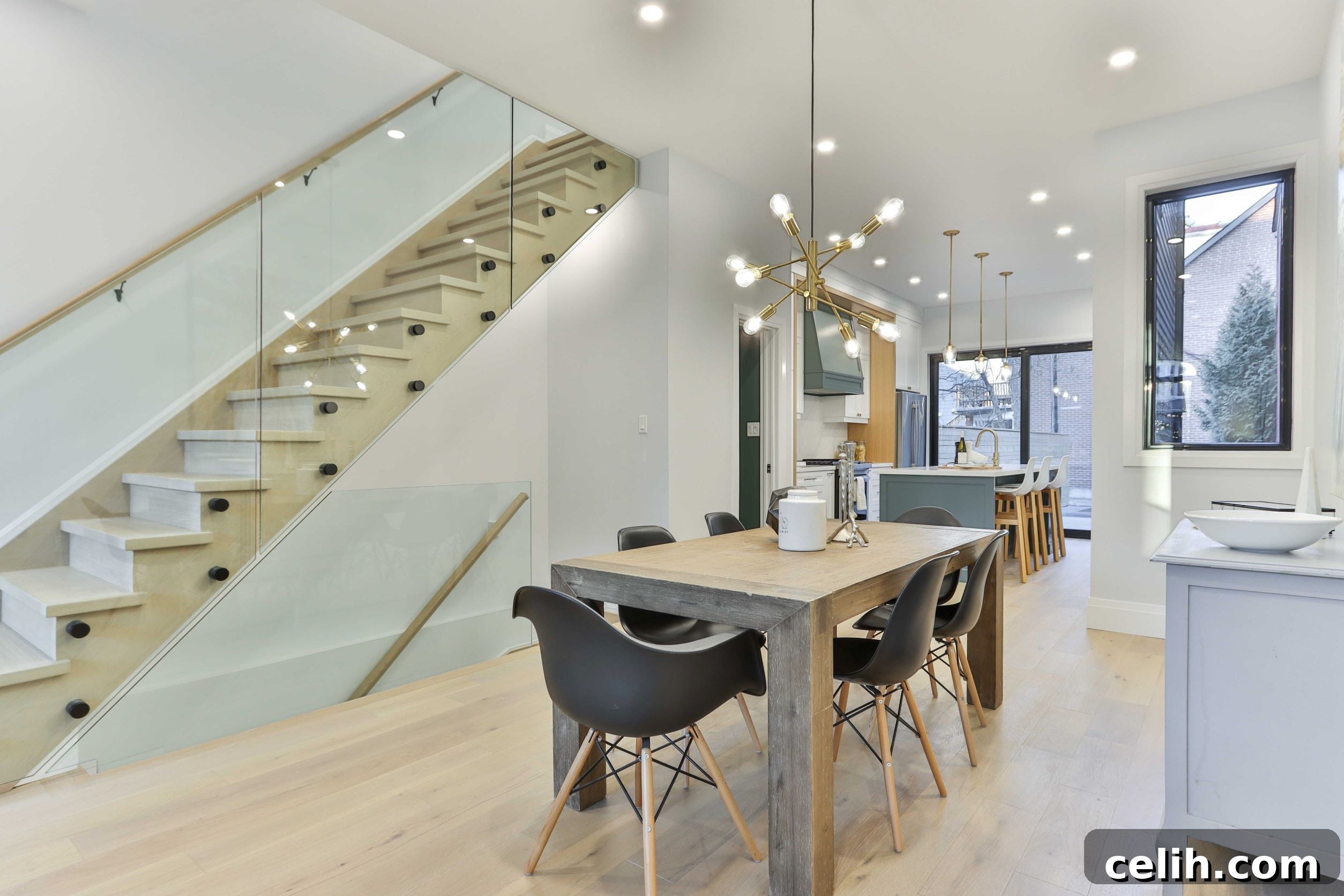
As the calendar flips to a new year, many of us find ourselves envisioning fresh updates and transformative changes for our homes. The dawn of 2022 brings with it exciting shifts in interior design, promising spaces that are not only aesthetically pleasing but also deeply connected to our well-being. We’ve meticulously curated a list of the most impactful and inspiring trends predicted to define home decor this year. From embracing the calming influence of nature to reintroducing the charm of the past, these trends offer a blueprint for creating living environments that resonate with comfort, authenticity, and style. Dive into our comprehensive guide to discover how you can infuse your home with the essence of 2022’s leading design movements, transforming your space into a true sanctuary.
Embracing Biophilia: Nature-Inspired Design for Serene Spaces
The allure of nature-inspired design is far from new, yet its enduring popularity continues to reach new heights. This year, it firmly cements its position as a cornerstone of contemporary home interiors, driven by a collective yearning for peace and grounding amidst the complexities of modern life. An interior design scheme rooted in nature offers more than just visual appeal; it’s a powerful antidote to stress, fostering a sense of calm, boosting mood, and enhancing overall well-being. This philosophy, often referred to as biophilic design, seeks to connect inhabitants with the natural environment through direct and indirect experiences of nature.
To infuse your home with this trend, begin with a foundation of natural materials. Think the raw beauty of stone, the warmth and texture of various types of wood – from light ash to rich walnut – and the organic imperfections of cork and rattan. These materials not only add visual interest but also bring an authentic, tactile quality to your space. Complement this material palette with a sophisticated array of earth-toned colors. Imagine the soft glow of terracotta, the rich depth of rusts, the comforting familiarity of browns, and the vibrant energy of burnt oranges and deep ochres. These hues mimic the natural world, creating an enveloping atmosphere that feels both comforting and invigorating.
The profound impact of recent global events, particularly the pandemic, has fundamentally altered our relationship with our homes. We no longer just view them as places to live, but as essential havens of comfort, safety, and nourishment. This shift has amplified the demand for spaces that provide a sense of cosy nurture and personal retreat. Erick Garcia, a renowned designer from the Los Angeles-based firm Maison Trouvaille, recently highlighted this evolving client desire in Vogue magazine, noting a distinct preference for ‘warmth, comfort, and airiness.’ This sentiment perfectly aligns with and further propels the nature-inspired trend, underscoring our innate need for environments that soothe the soul and provide a gentle escape from the outside world. Integrating elements like abundant natural light, indoor plants, water features, and views of greenery further amplifies the biophilic experience, creating a harmonious balance between human habitation and the natural world.
The Soft Revolution: Embracing Curved and Rounded Surfaces
After navigating a period marked by uncertainty and often harsh realities, our collective psyche yearns for softness, comfort, and a sense of security. This emotional landscape is beautifully reflected in the emerging prominence of curved and rounded surfaces in home decor. These organic forms offer a gentle counterpoint to the starkness of rigid, angular designs, creating spaces that feel inherently more welcoming, comforting, and visually friendly. The sharp lines and geometric precision that once dominated minimalist aesthetics are making way for a softer, more fluid approach to interior architecture and furniture design.
The trend towards flowing and organic shapes represents a deliberate move away from the rigid and overtly geometric. Psychologically, curved lines are often associated with safety, harmony, and approachability, making a room feel more nurturing and less intimidating. This design philosophy translates into everything from furniture pieces with softened edges and sinuous forms to architectural details that embrace gentle arcs and rounded corners. Sofas with voluptuous curves, circular coffee tables, arched doorways, and even subtly curved walls are all manifestations of this desire for a more empathetic and comforting environment.
Incorporating this trend doesn’t necessarily demand a complete overhaul of your existing furniture. You can effortlessly tap into the ‘soft revolution’ by strategically introducing rounded elements. Enhance the comfort and visual appeal of your current seating arrangements with the addition of plump, circular, or unusually shaped cushions in luxurious textures. Swap out rectangular rugs for large, inviting circular or irregularly shaped rugs on bare floorboards, instantly softening the room’s hard edges and anchoring the space with a sense of flow. Accessories like spherical vases, rounded mirrors, and sculptural lighting fixtures with gentle forms can further reinforce this aesthetic. Even something as simple as choosing artwork with soft, abstract shapes rather than sharp geometrics can contribute to a more fluid and harmonious interior. This trend encourages a playful yet sophisticated approach to design, inviting a sense of ease and visual tranquility into every corner of your home.
Expanding Horizons: The Rise of Outdoor Living Spaces
The desire to seamlessly blend indoor comfort with the refreshing appeal of the outdoors continues to grow, making outdoor living an undeniably significant trend for 2022. This isn’t just about placing a patio set on a deck; it’s about extending our living spaces beyond the conventional walls of our homes, creating versatile areas that can adapt to various weather conditions and social occasions. With many urban dwellers and apartment residents facing limitations in outdoor space for dedicated, bulky garden furniture, there’s a burgeoning demand for more adaptive and multi-functional pieces that bridge the gap between interior and exterior aesthetics.
We anticipate a distinct shift towards more rustic and resilient living room furniture that possesses the inherent flexibility to be effortlessly transported outdoors when the weather permits. Imagine sofas constructed with simple yet sturdy wooden or sleek metal frames, adorned with plush, loose cushions that are either weather-resistant or easily stored indoors. These lightweight and often modular pieces are designed for mobility, making it a breeze to transfer them to balconies, sunrooms, covered patios, or even directly into your garden. This adaptability allows for spontaneous gatherings, al fresco dining, or simply a change of scenery for your morning coffee.
To truly encapsulate the relaxed and inviting atmosphere of this trend, consider creating zones within your outdoor area. Layering is key: generous floor cushions and poufs provide comfortable, low-slung seating options, encouraging a laid-back, picnic-style vibe. Pair these with low-profile tables – perhaps made of natural wood or durable concrete – perfect for holding drinks, snacks, or a good book. Don’t forget the power of textiles; soft throws and blankets, especially those made from outdoor-friendly fabrics, not only offer warmth on cooler evenings but also inject color, pattern, and a sense of cosiness. String lights, outdoor rugs, and potted plants further blur the lines between inside and out, crafting an enchanting and functional extension of your home. This approach to outdoor living celebrates flexibility, comfort, and a deeper connection with the natural environment right at your doorstep.
The Sensory Experience: Embracing Tactile Textures
Having spent unprecedented amounts of time within the confines of our homes, many of us have undergone a profound re-evaluation of what makes a living space truly comfortable and inviting. This introspection has led to a crucial realization: when it comes to home furnishings and decor, our sense of touch can be just as, if not more, important than our sense of sight. This year, the trend for tactile textures is paramount, transforming homes into multi-sensory experiences that engage and delight.
The emphasis is on creating environments that invite interaction, encouraging us to physically connect with our surroundings. There’s an undeniable pleasure in wrapping yourself in a luxuriously chunky knit blanket on a crisp evening, or running your hand across the grain of a finely crafted wooden surface. This appreciation for the haptic qualities of materials translates into a deliberate selection of items that stimulate the sense of touch. Beyond mere visual appeal, these textures add depth, character, and a profound sense of cosiness to any room, contributing to a feeling of groundedness and comfort.
To embody this trend, prioritize natural fibers for your soft furnishings. Look for the breathable comfort of linen, the crisp softness of cotton, the insulating warmth of wool, the earthy texture of jute, and the sustainable resilience of hemp. These materials, often minimally processed, offer an authentic touch and a rich visual texture. Incorporate them through throws, cushions, curtains, upholstery, and rugs. Beyond fabrics, extend this tactile philosophy to furniture and decorative accents. Seek out pieces crafted from raw, unfinished wood that showcase its natural knots and grains, or elements featuring the cool, smooth solidity of stone. Even ceramics with unglazed, matte finishes or handcrafted pieces with visible tool marks can contribute to this rich sensory tapestry. By layering different textures – from plush velvets to rugged sisal – you can create a dynamic and inviting space that not only looks good but also feels incredibly good to live in, making your home a truly immersive and comforting sanctuary.
Stories from the Past: The Irresistible Charm of Vintage Vibes
In an era increasingly focused on sustainability and individuality, the allure of vintage pieces within the interior design world remains as potent as ever. More than just a passing fad, vintage decor represents a conscious choice for environmentally friendly living and a celebration of unique artistry. The intrinsic value of vintage lies not only in its aesthetic appeal but also in the compelling narrative each item carries. Many individuals are deeply drawn to the concept of acquiring a singular piece with its own rich backstory, imagining the lives it touched and the journeys it undertook before finding its way into their home.
Beyond the ethical and sentimental advantages, the process of discovering your perfect vintage find is an enjoyable adventure in itself. Days spent exploring bustling flea markets, perusing curated antique fairs, or even unearthing treasures at local car boot sales can be surprisingly rewarding and offer a delightful escape from everyday routines. The thrill of the hunt, the negotiation, and the eventual triumph of securing a truly special item contribute to a sense of personal connection and accomplishment that mass-produced items simply cannot replicate. Each vintage piece brings with it character, history, and a touch of the unexpected, ensuring your decor is anything but ordinary.
To prevent your interior from feeling stagnant or overly dated, the key lies in the artful juxtaposition of vintage finds with contemporary accessories. This delicate balance creates a dynamic and sophisticated aesthetic that feels both timeless and current. For example, imagine a beautifully preserved original Victorian chaise longue, its classic lines given a fresh lease on life with vibrant, modern cushions crafted from unexpected fabrics and bold colors. This blend of old and new ensures that the vintage item acts as a focal point, telling its story without overwhelming the space. Leading designers are increasingly embracing this trend by recontextualizing vintage materials for modern applications. Consider bespoke curtains fashioned from exquisite vintage sari material, transforming a traditional textile into a contemporary design statement. These one-of-a-kind pieces not only speak volumes about sustainable design but also guarantee that your home decor is utterly unique, reflecting a curated taste that stands apart from the ubiquitous. Embracing vintage means investing in pieces that endure, evolve, and tell a story that is uniquely yours, creating a home filled with personality and conscious charm.
Making Trends Your Own: Personalizing Your Space
As you explore these captivating design trends for 2022, remember that the ultimate goal is to create a home that reflects your personal style and enhances your daily life. If you find yourself drawn to a particular trend but are unsure about committing to a complete overhaul, consider testing the waters with inexpensive accessories. Items like throw pillows, soft furnishings, small decorative objects, or even a new paint color in a trendy shade can provide a low-risk way to experiment with an aesthetic before investing in larger pieces. This allows you to gauge how a trend integrates into your existing decor and, more importantly, how it truly makes you feel within your space.
It’s crucial to acknowledge that while a trend might be widely popular or highly recommended, it doesn’t automatically mean it’s the perfect fit for you and your home. Your personal taste, lifestyle, and comfort should always be the primary guiding factors in all your design decisions. A truly well-designed home is one that resonates deeply with its inhabitants, offering comfort, functionality, and a true sense of belonging. Use these trends as inspiration, a starting point for exploration, but always filter them through the lens of your own preferences. Ultimately, the most stylish home is one that genuinely feels like yours, reflecting your unique personality and creating a sanctuary where you love to live.
Main image: Photo by Sidekix Media on Unsplash