
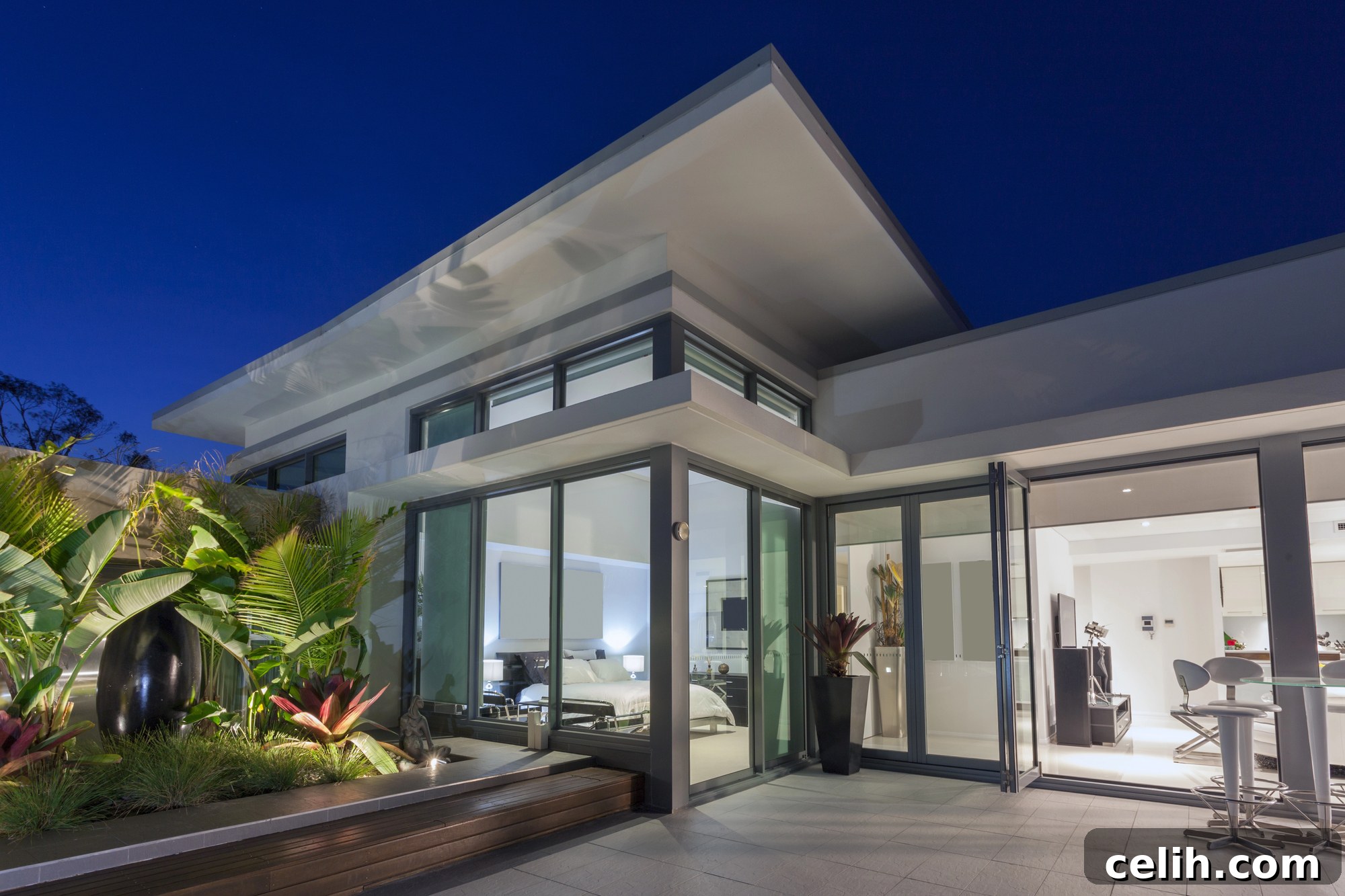
In the dynamic world of modern construction, the conversation has moved far beyond mere trends; it now centers on future-proofing structures with materials that offer unparalleled performance, sustainability, and aesthetic appeal. Among the myriad of choices available, one material has unequivocally risen to prominence, particularly within the residential sector where foresight is paramount: aluminium. Its remarkable properties are reshaping how architects, contractors, and developers approach building design and execution, making aluminium windows and doors not just a choice, but a strategic imperative for tomorrow’s homes.
From its inherent strength and impressive flexibility to its groundbreaking recyclability and superior energy efficiency, aluminium stands as a beacon of innovation. These multifaceted advantages position aluminium as the leading material for creating resilient, environmentally responsible, and aesthetically sophisticated residential buildings that are designed to excel for decades to come.
Engineered for Excellence: Durability and Fire Safety for the Modern Home
Aluminium’s reputation as an incredibly durable material is well-earned, retaining its structural integrity even under the most extreme environmental and structural pressures. Unlike traditional materials such as wood, which is susceptible to rot, decay, and pest infestation, or PVC, which can warp, discolour, and become brittle with prolonged exposure to UV radiation and temperature fluctuations, aluminium maintains its shape, strength, and appearance over extensive periods. This inherent robustness makes it an ideal choice for residential buildings, offering homeowners long-term peace of mind and significantly reducing the need for costly maintenance and replacements.
Beyond its unparalleled strength, performance in modern construction increasingly demands robust protection, especially concerning fire safety. Contemporary residential projects, from multi-story apartment complexes to high-end custom homes, are subject to increasingly stringent fire safety standards. This is where advanced fire-rated window and door systems become indispensable. Leading manufacturers like Aluprof have pioneered systems that seamlessly integrate elegant aluminium profiles with certified fire-resistant properties. These sophisticated solutions are meticulously engineered to prevent the rapid spread of flames and smoke, creating crucial compartmentalization that protects occupants and property, all while maintaining essential visibility and maximizing natural daylight penetration. Investing in such systems is not merely about compliance; it’s about prioritizing the safety and well-being of residents and enhancing the overall resilience of the structure.
Uncompromising Performance: Energy Efficiency Meets Contemporary Style
The misconception that aluminium constructions are limited to purely industrial or utilitarian designs is rapidly dissipating. Today’s aluminium window and door systems are at the forefront of combining exceptional thermal performance with sophisticated aesthetics. Thanks to continuous innovation in thermal break solutions and advanced glass technology, modern aluminium products deliver outstanding energy efficiency, significantly contributing to the creation of comfortable and cost-effective living spaces. These advancements translate directly into tangible benefits for end-users, primarily through substantially lower energy costs, which undoubtedly pleases both clients and tenants alike.
Manufacturers like Aluprof are dedicated to engineering aluminium profiles with energy performance as a core design principle. Their cutting-edge solutions, such as the MB-86N or MB-79N series, exemplify this commitment. These systems are not only designed to minimize heat transfer and reduce energy consumption but also integrate harmoniously into a diverse range of architectural concepts. Whether the design calls for minimalist sleekness or a bold architectural statement, these aluminium profiles provide superior thermal insulation without ever compromising on design creativity or aesthetic appeal. This synergy of form and function ensures that residential buildings can achieve optimal energy performance while simultaneously embodying the highest standards of contemporary architectural design.
The Sustainability Imperative: Why Aluminium Dominates the Green Building Landscape
For discerning construction professionals who are acutely aware of the global shift towards environmental responsibility and are actively pursuing prestigious green building certifications like BREEAM and LEED, the answer is unequivocally clear: aluminium delivers monumental sustainability advantages. Aluminium holds the unparalleled distinction of being the most recycled product globally, a testament to its enduring value and circular economy potential. Astonishingly, an estimated 75% of all aluminium ever produced in human history remains in active use today, highlighting its extraordinary lifecycle and minimal waste footprint.
This remarkable closed-loop life cycle is profoundly significant in the context of contemporary strategies aimed at drastically lowering carbon footprints across all industries. The energy required to recycle aluminium is a mere fraction of that needed for primary production, resulting in substantial reductions in greenhouse gas emissions. When this inherent recyclability is combined with the ongoing innovation in low-carbon manufacturing processes by leaders such as Aluprof, the result is a material that sits squarely at the heart of the circular economy model. This paradigm, which emphasizes resource efficiency, waste reduction, and continuous reuse, is rapidly transforming from an aspirational goal into an absolute necessity in both urban development and modern architectural design. Specifying aluminium systems contributes significantly to achieving crucial points in green building certification schemes, enhancing a project’s environmental credentials and market appeal.
Adaptive Design: Where Functionality Seamlessly Meets Flexibility
The inherent adaptability of aluminium frames provides unparalleled design freedom, supporting an extensive variety of opening types and configurations to suit any architectural vision or practical requirement. From classic casement and awning windows to innovative tilt-and-turn mechanisms, and expansive sliding and folding doors, aluminium systems offer solutions for every scenario. This versatility makes them exceptionally well-suited for contemporary mixed-use buildings, where optimizing space utilization, ensuring efficient air movement, and maximizing user comfort must all work in perfect harmony. Aluminium’s superior strength-to-weight ratio allows for the creation of larger glazed areas with slimmer frames, enabling architects to push the boundaries of design.
In residential construction, the strategic integration of natural light is paramount, not only for enhancing aesthetic appeal but also for significantly impacting the well-being and productivity of occupants. Aluminium’s characteristic slim sightlines are a critical advantage here, as they maximize the glazing area, allowing an abundance of natural light to flood interior spaces. This generous light penetration fosters brighter, more inviting environments, reduces reliance on artificial lighting, and can even contribute to passive solar heating in cooler climates. Crucially, this maximization of daylight is achieved without sacrificing high insulation values, thanks to advanced thermal break technology. It represents a powerful double win, delivering both exceptional form and superior function, thereby creating healthier, more energy-efficient, and visually stunning residential spaces.
Strategic Investment: Longevity and Enduring Value
Beyond the undeniable sustainability credentials, the long-term lifecycle cost of building materials is a critical consideration for both building owners and astute investors. Aluminium window and door systems distinguish themselves by being remarkably low maintenance, delivering exceptional value over the entirety of their extensive lifespan. Unlike materials that require regular painting, sealing, or extensive repairs to combat rot, rust, or warping, aluminium simply needs occasional cleaning to maintain its pristine appearance and optimal functionality. This significantly reduces ongoing operational costs and minimizes the hassle associated with property upkeep, aspects that sophisticated building owners and investors take very seriously.
Furthermore, in an era of escalating demand for strict compliance with fire safety regulations, the decision to specify high-performance systems, such as Aluprof’s certified fire-rated windows and doors, transcends mere safety enhancement. It represents a profoundly smart business decision. Proactively incorporating such advanced systems mitigates significant risks, protects investments, and ensures compliance with ever-evolving building codes. This foresight not only safeguards occupants and assets but also enhances a property’s marketability and long-term value, positioning it as a responsible, resilient, and desirable investment in a competitive real estate landscape. The total cost of ownership for aluminium systems, when factoring in their longevity, minimal maintenance, and superior performance, invariably proves to be a compelling financial argument.
Proactive Vision: Investing in the Future of Residential Building
In an industry characterized by demanding schedules, complex challenges, and high stakes, identifying the optimum solution often requires a forward-thinking perspective. Aluminium’s unique combination of flexibility, inherent strength, and minimal environmental footprint elevates it far beyond the realm of passing architectural trends. It represents a robust, long-term strategy for constructing the buildings of the future – structures that are not only aesthetically pleasing and functionally superior but also inherently sustainable and resilient. By embracing aluminium, developers and architects are making a conscious choice to invest in materials that deliver enduring value and performance.
Regardless of the specific form or scale of residential building being constructed—be it a luxury single-family home, an innovative multi-family dwelling, or a large-scale urban development—aluminium systems are perfectly equipped to meet and exceed diverse requirements. Their adaptability to various climatic conditions, design parameters, and performance specifications makes them an unparalleled choice. Notably, industry leaders like Aluprof are consistently at the forefront, relentlessly demonstrating the extraordinary capabilities and limitless potential of aluminium systems, pushing the boundaries of what is achievable in modern residential architecture. Their continuous innovation ensures that aluminium will continue to define the benchmarks for excellence in building performance, design, and environmental responsibility for generations to come. Choosing aluminium is choosing a future-proof foundation for any home building project.