
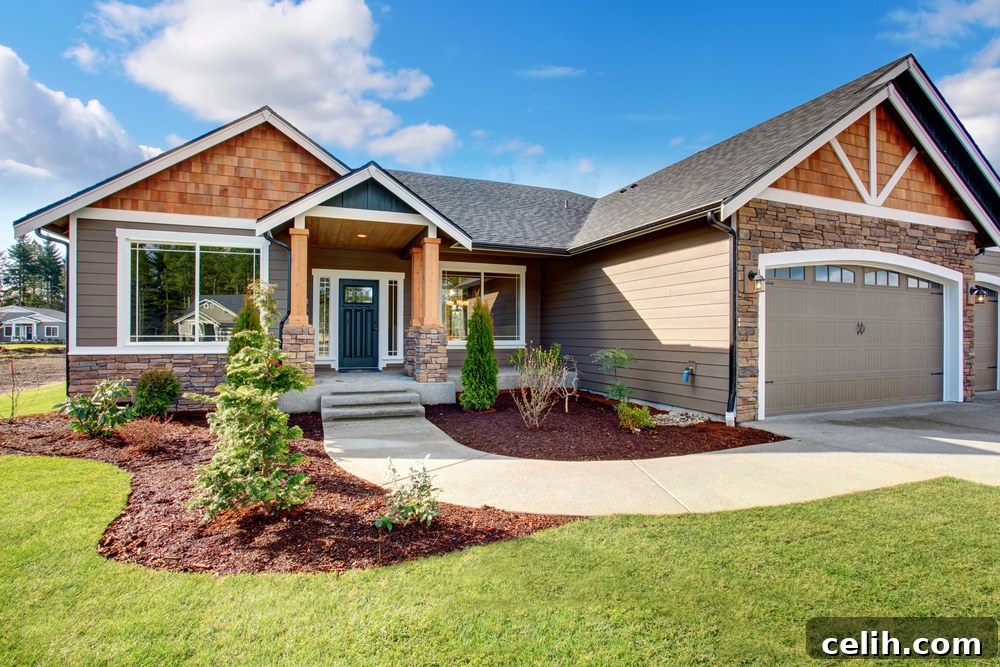
When homeowners think about improving their property, kitchens, bathrooms, and living rooms often come to mind first. Yet some of the most effective upgrades happen at the home’s thresholds: the doors, gates, and access points that shape how we move through and use our property every day. Two areas deserve more attention than they usually receive: the residential garage door and the broader delivery and access infrastructure. Both quietly affect a home’s functionality, security, and curb appeal.
The Garage Door: Your Home’s Hardest-Working Feature
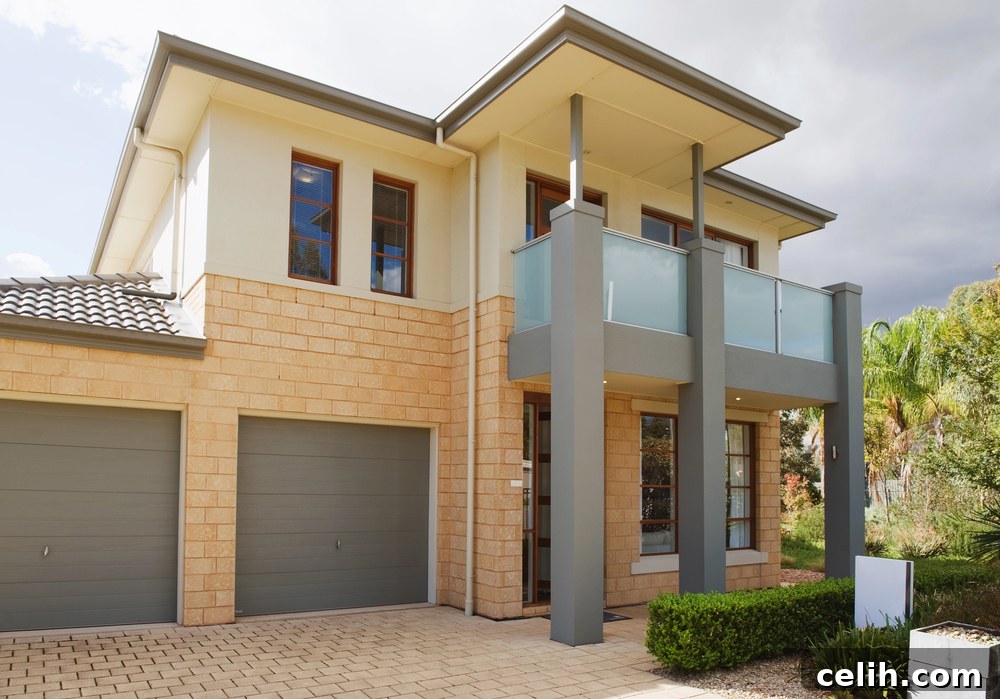
It’s easy to take a garage door for granted: it opens, it closes, and it keeps vehicles and storage dry. But the average residential garage door completes roughly 1,200–1,500 cycles each year, making it one of the most frequently used mechanical systems on a property. It works in all weather, at all hours, and often without any routine maintenance.
Neglecting basic upkeep usually leads to sudden, inconvenient failures: a snapped spring on a Monday morning, a gap that lets driving rain in, or an opener that grinds and fails. These outcomes aren’t random—they are predictable results of deferred care and are typically costlier to fix than to prevent.
Creating a simple maintenance routine protects this investment. Aim to inspect the door twice a year, ideally in spring and autumn. Spend 15–30 minutes checking springs and cables for wear, fraying, or corrosion. Lubricate rollers, hinges, and tracks with a silicone-based spray. Test the door’s balance by disconnecting the opener and lifting the door manually to waist height; a balanced door should remain in place. Clean sensor lenses and verify the auto-reverse safety function using a wooden board or similar object in the door’s path.
When issues arise over the door’s 15–25 year lifespan, addressing them promptly prevents small faults from becoming expensive problems. Professional repair and maintenance services can resolve worn rollers, misaligned tracks, broken springs, and failed control boards, restoring safe, quiet operation. The key is not to wait: if a door sounds different, moves unevenly, or responds slowly, arrange an inspection quickly to limit repair costs and avoid safety risks.
Thinking Beyond the Garage: Home Delivery and Access Planning
Home delivery has changed dramatically. Where once a weekly grocery run was the main form of delivery, households now receive parcels, meal kits, furniture, building materials, and equipment on a frequent basis. For owners of larger properties—those with workshops, outbuildings, converted barns, or smallholdings that need regular deliveries of feed, fuel, or materials—managing this flow efficiently has become a real design and logistical challenge.
Principles used in professional loading dock design offer a useful framework for domestic access planning. In commercial settings, a loading dock creates a safe, efficient, and weather-protected transition between vehicle and building. The same logic applies at home: a well-designed delivery and access area reduces physical strain, protects goods from the elements, and keeps the property ordered rather than chaotic.
Designing a Smarter Home Access Area
You don’t need a full commercial dock to benefit from these principles. Small, targeted improvements to a home’s delivery and access zone can yield meaningful benefits.
A covered receiving area—even a simple lean-to or canopy over a side entrance—protects deliveries from rain and keeps items dry until you retrieve them. A level, hard-standing surface at the drop-off point makes moving heavy items safer and easier. Clear, well-lit pathways from the street or driveway to the delivery area reduce the risk of trips and falls, especially in darker months.
For larger rural properties, you can take this further. A dedicated delivery bay with a modest raised platform makes unloading bulk deliveries far less strenuous. Pairing that with a robust, remotely operable outbuilding door turns a physically demanding task into a smooth, safe operation. The key elements—level transitions, weather protection, and precise vehicle positioning—translate directly into practical upgrades that serious homesteaders and rural property owners will value.
The Bigger Picture: Treating Your Home as a System
What links the garage door and the delivery area is the broader idea that a house works best when treated as an integrated system rather than a set of isolated features. A garage door is more than an entry: it contributes to security, the thermal envelope, daily workflow, and curb appeal. The delivery area is more than a path: it governs how your household receives supplies, manages logistics, and presents itself as an organized home.
Seeing these elements systemically makes the value of maintaining and upgrading them clear. A well-maintained garage door that operates quietly, perhaps integrated with a smart opener and security system, noticeably improves daily life. Likewise, a thoughtfully designed delivery area that handles everything from courier parcels to bulk materials without hassle offers a real, practical upgrade.
Practical Next Steps
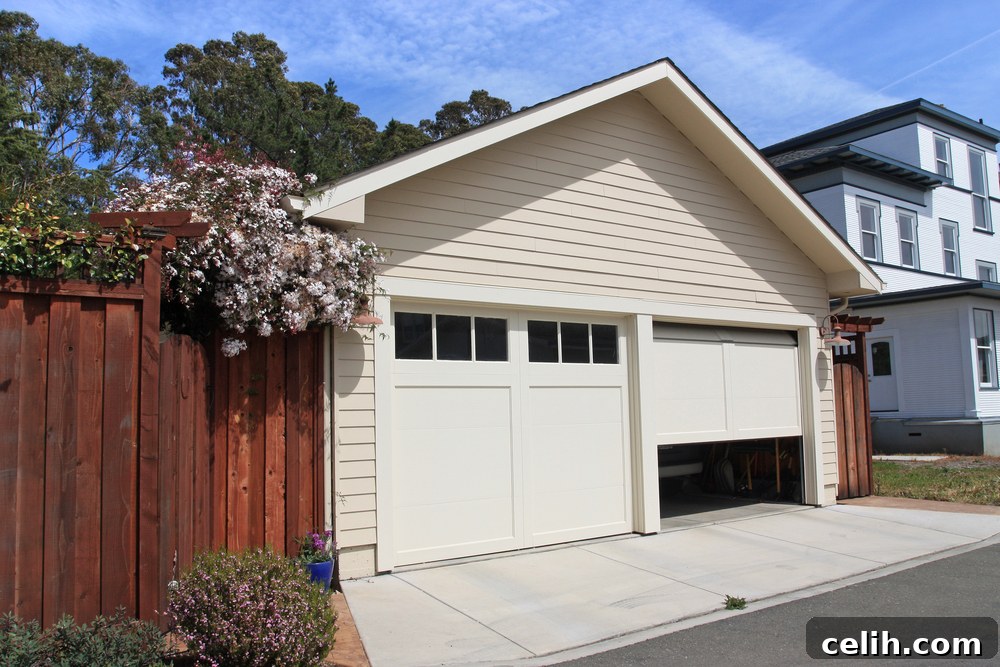
If your garage door is over ten years old and hasn’t been professionally inspected, start there. Schedule a service visit with a reputable garage door specialist to assess its condition. Often, a modest investment in springs, rollers, and new weatherstripping will extend the door’s life by a decade or more. In some cases, full replacement is the more economical long-term choice; modern insulated and automated doors can represent a significant upgrade in durability and comfort.
For access and delivery areas, begin with a simple audit: where do deliveries currently drop, how are items moved to their destination, and where does the process create friction or risk? Small improvements—better lighting, a hard-standing surface, a weather canopy, and a clearly marked access path—can materially improve safety and convenience.
Homes are always works in progress. By focusing attention on the systems at a property’s edges—the doors, thresholds, and access points that mediate between the house and the wider world—you create a property that operates more smoothly, stays in better condition, and serves its occupants more effectively every day.