
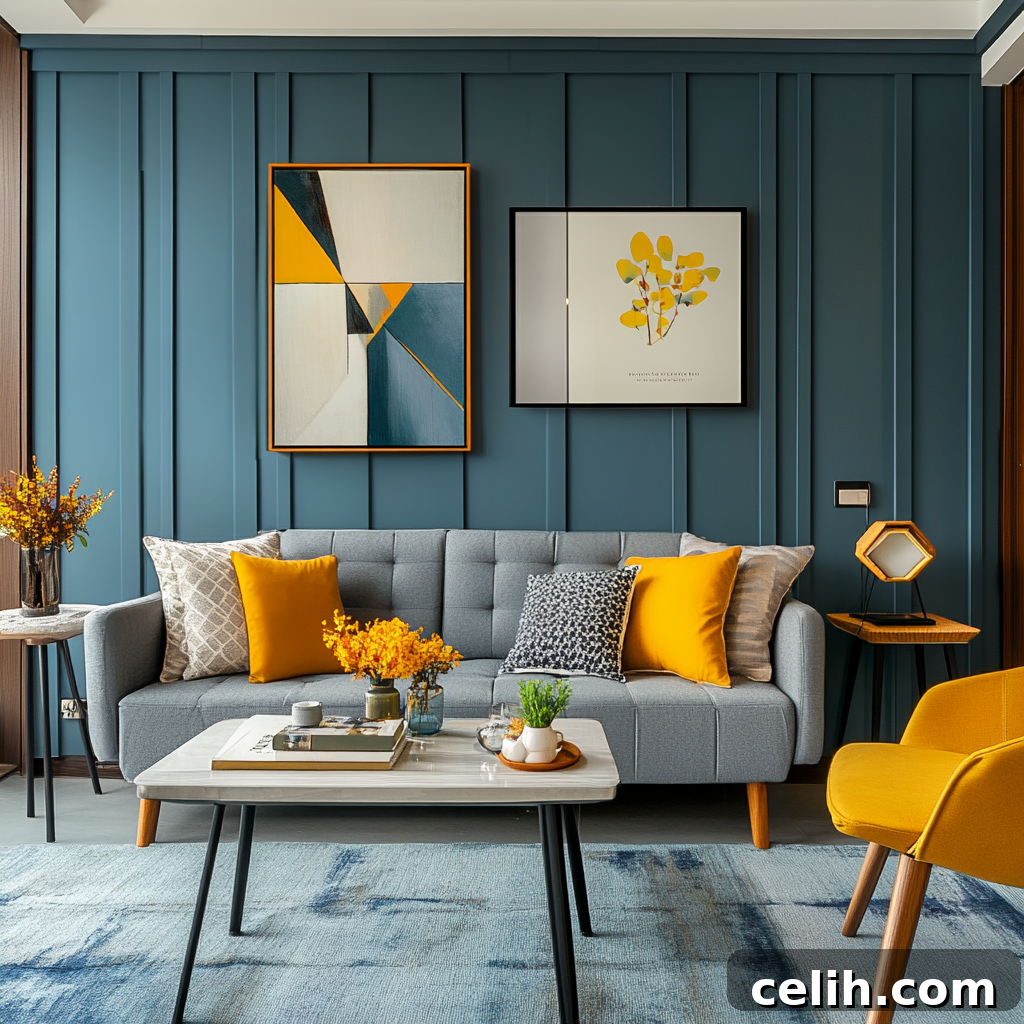
Transforming your home into a space that feels luxurious and high-end doesn’t always require an extensive renovation or a designer budget. Many homeowners believe that only grand mansions or interiors filled with bespoke designer furniture can achieve that coveted upscale aesthetic. However, the truth is far more accessible: a sophisticated, well-designed home often emerges from a series of thoughtful, seemingly minor adjustments. These subtle choices, rather than screaming for attention, quietly elevate the entire ambiance, making a profound difference in how a space looks and feels.
You don’t need to embark on disruptive structural changes or engage expensive contractors for every upgrade. Sometimes, the most impactful improvements are those that subtly shift the mood and perception of a room the moment you step inside. Once you understand the key elements that contribute to an expensive-looking home, you’ll discover that even small, strategic fixes can yield dramatic results, crafting an environment that feels tailor-made and effortlessly chic.
Illuminate Your Space: The Power of Thoughtful Lighting Design
One of the quickest and most effective ways to elevate the perceived value and comfort of any room is through strategic lighting. Many homes are outfitted with generic, purely functional flush-mount ceiling fixtures that offer adequate illumination but little in the way of style or atmosphere. Swapping these out for fixtures that possess distinctive shapes, elegant materials, or unique character can instantly transform a room’s aesthetic. This simple update can redefine the entire visual landscape, making everything else in the space appear more curated and intentional, even if not a single piece of furniture has been moved.
However, enhancing your home’s lighting extends far beyond just upgrading a single fixture. The true magic lies in how light interacts with your space, creating depth, warmth, and visual interest. Consider incorporating layered lighting, a technique designers frequently employ. This involves combining ambient (general room illumination), task (for specific activities like reading), and accent lighting (to highlight artwork or architectural features). Introduce smaller table lamps on side tables, stylish floor lamps beside a cozy reading chair, or even discreet wall sconces in a hallway nook. The soft, directional glow from these additional sources adds nuanced shadows and strategic illumination, making even the most familiar furniture feel more sophisticated and inviting. The right balance of light and shadow is crucial for making your home feel custom and luxurious, rather than uniformly lit and bland.
Moreover, don’t underestimate the profound impact of natural light. If your home is blessed with ample windows, capitalize on this free and abundant resource. Heavy, opaque curtains can often make a room feel smaller and darker. Instead, pull back thick draperies and consider replacing them with lighter, more elegant window treatments such as sheer linen, Roman blinds, or woven wood shades. These options offer essential privacy while allowing soft, diffused sunlight to filter through, brightening the space and enhancing its perceived openness. An airy, light-filled room inherently exudes a sense of spaciousness and understated elegance, instantly elevating its expensive appeal.
Paint: More Than Color, It’s an Experience and an Investment
A fresh coat of paint remains one of the most budget-friendly yet highest-impact home improvements you can undertake. It’s an incredibly versatile tool for transformation, capable of completely altering a room’s mood and aesthetic without moving a single piece of furniture. However, selecting paint isn’t merely about picking a color that’s currently “on trend.” For achieving a high-end look, many sophisticated homes lean towards timeless palettes: soft, creamy whites, muted grays, soothing earthy tones, or warm greiges. These subtle hues create a serene and cohesive backdrop, allowing furniture and decor to shine while making the entire space feel calm, unified, and impeccably pulled together.
While subtle tones often underpin a luxurious aesthetic, bold colors, when applied thoughtfully, can also contribute to an expensive feel. Imagine a jewel-toned deep navy in a small powder room, transforming it into an elegant jewel box, or a rich, moody forest green in a dedicated study, imbuing it with depth and gravitas. Such intentional use of dramatic color can make a home feel distinctly more tailored, dramatic, and bespoke, rather than overwhelming. The key is control and purpose; when colors, whether subtle or striking, appear deliberately chosen and integrated into the overall design scheme, every other element in the room—even cherished thrift store finds—suddenly feels intentional and elevated.
Beyond the main walls, consider the often-overlooked surfaces: your trim, doors, and ceilings. Giving these areas a fresh coat of paint, perhaps in a crisp white to contrast with colored walls or a slightly darker shade to add depth, can powerfully define the architectural lines of a space. This simple step can make even standard builder-grade rooms feel more structured, architectural, and custom. The objective isn’t to create a loud statement, but rather to foster a sense of thoughtful layering and history, as if the room’s narrative has unfolded with quiet elegance over time. Don’t forget the impact of different paint finishes—matte for a velvety, modern feel, or satin/eggshell for durability and a subtle sheen—each choice further refines the sensory experience of your home.
The Subtlety of Architectural Details: Elevating Your Home’s Core
When aiming for an expensive aesthetic, many homeowners focus solely on furniture and decor, often overlooking the fundamental elements that truly give a room its character and structure: architectural details. Features like crown molding, substantial baseboards, elegant door casings, and wall trim are the “bones” that define a space. Upgrading or adding these elements is one of the most impactful yet often underestimated ways to inject a sense of richness and permanence into your home, without needing to replace a single piece of furniture.
Even simpler additions, like installing a chair rail in a dining room or creating picture frame molding on a plain wall, can dramatically alter the ambiance. These details add visual weight, create appealing symmetry, and lend a sophisticated presence that makes a space feel more considered, meticulously designed, and enduring. Such enhancements communicate a sense of craftsmanship and attention to detail that is synonymous with high-end properties. Beyond molding, consider the often-neglected functional details: swap out standard, plain air vents, plastic outlet covers, and basic hardware for options with more texture, a premium finish, or a unique design. Think brushed brass outlet covers, decorative cast iron air grates, or sleek, modern door handles. While these details might not be immediately obvious to everyone, they collectively contribute to a subconscious feeling of quality and refinement that resonates deeply with visitors and residents alike. It’s akin to choosing a well-crafted leather handbag over a mass-produced tote—the overall outfit (your home) might be similar, but the message of quality and intentionality is distinctly different.
The beauty of these architectural enhancements lies in their ability to transform a standard room into a bespoke environment. They provide visual interest, break up large expanses of wall, and offer a foundation for more elaborate decor. Whether you opt for intricate Victorian-style crown molding or minimalist, sleek baseboards, the choice of trim fundamentally shapes the character of your interior. Investing in these foundational elements ensures that your home doesn’t just look furnished, but truly feels built with enduring quality and a sophisticated design vision.
Beyond Aesthetics: The Unsung Hero of High-End Homes—Functionality
Here’s a crucial insight that often goes unmentioned when discussing expensive-feeling homes: everything must work flawlessly. You can possess the most beautifully decorated space imaginable, adorned with exquisite art and luxurious furnishings, but if fundamental elements fail, the illusion of luxury quickly crumbles. A dripping faucet, a rocking toilet, inconsistent water pressure in the shower, or a malfunctioning appliance instantly detracts from any sense of high-end living. These functional flaws don’t just create inconvenience; they communicate neglect and a lack of proper maintenance, which are antithetical to a truly sophisticated home.
This is precisely where the value of reliable service professionals becomes invaluable. When a critical system falters, an emergency plumber or a skilled handyman is worth their weight in gold. Their prompt, efficient intervention ensures that issues are resolved swiftly, restoring not just functionality but also your peace of mind. Nothing makes a home feel cheaper or more chaotic than unsightly water stains, persistent strange odors emanating from pipes, or unsettling creaks and groans from failing infrastructure. A small, timely repair, executed correctly, can prevent extensive damage to your walls, preserve the integrity of your floors, and ultimately safeguard your investment and comfort. Proactive maintenance, rather than reactive emergency fixes, is a hallmark of truly upscale living.
While unforeseen issues can always arise, cultivating a proactive approach to home maintenance is key. Having a trusted list of contractors for plumbing, electrical, and general repairs, and regularly inspecting your home for minor problems before they escalate, is paramount. This diligence in maintaining the “invisible stuff”—the plumbing, electrical systems, and structural integrity—is a silent but powerful indicator of a high-end home. It speaks to an owner who is attentive, prepared, and committed to preserving the long-term value and livability of their property, creating an environment where comfort and reliability are never compromised.
Cultivating Serenity: The Art of Cleanliness and Thoughtful Organization
There’s a distinct and crucial difference between a home that feels “lived-in” and one that appears perpetually messy or cluttered. A lived-in space feels welcoming, comfortable, and full of personality; a messy one, conversely, evokes a sense of chaos and disarray. It is incredibly challenging for any environment to convey an expensive or sophisticated aura when the eye is constantly distracted by tangled cords, stacks of papers, overflowing surfaces, or that infamous “catch-all” corner. A visually uncluttered space allows key design elements to stand out, creating a sense of calm and order that is fundamental to a high-end aesthetic.
Achieving this doesn’t necessitate a sterile, museum-like environment devoid of personal touches or the presence of children’s toys. Instead, it involves implementing smart organization and ensuring that everything has an designated place. Invest in stylish storage solutions such as woven baskets, elegant closed cabinets, decorative boxes, and sleek shelving units. These clever helpers allow you to keep essential items easily accessible yet neatly out of sight, preventing visual overload. A home can absolutely retain its unique personality, tell its stories through decor, and still maintain an impeccably polished and inviting appearance. Consider also tackling visible clutter like cables and wires; simple cable management solutions can make a surprising difference to the perceived tidiness and modernity of a room.
Beyond visual order, the subtle influence of scent plays an enormous role in how a home is perceived. Walking into a space that smells genuinely clean, fresh, or infused with a warm, inviting fragrance instantly enhances the entire dwelling’s perceived state of maintenance and comfort. Whether it’s the subtle aroma of natural essential oils, fresh flowers, or a high-quality candle, these sensory cues contribute to a holistic sense of well-being and luxury. Guests might not consciously articulate it, but a pleasant aroma leaves a lasting positive impression. More importantly, this sensory uplift benefits you daily, making every return to your sanctuary a more delightful and reaffirming experience.
The Cumulative Effect: Small Changes, Profound Transformation
Ultimately, making your house feel more expensive and luxurious is not solely about a hefty budget or the intervention of a professional interior design team. It’s about cultivating a discerning eye and adopting a holistic approach to your living environment. Begin by consciously observing your space: pay close attention to the quality and distribution of light, the clean lines of architectural elements, the impact of your chosen color palette, and the seamless functionality of every corner. Address any elements that detract from comfort or aesthetic appeal. Introduce softness and warmth where areas feel cold or sterile. Maintain cleanliness without stripping the home of its vibrant, lived-in character.
Remember, the most truly luxurious and desirable spaces are not necessarily the largest, the most ornate, or the boldest in their design statements. Instead, they are the ones that inherently feel cherished, meticulously cared for, and thoughtfully assembled. They embody a sense of completeness and intentionality, even if they remain an ongoing work in progress. By focusing on these accessible, impactful adjustments—from optimized lighting to pristine functionality—you can create a home that not only looks expensive but genuinely feels like a sanctuary, reflecting both your personal style and a sophisticated attention to detail.