
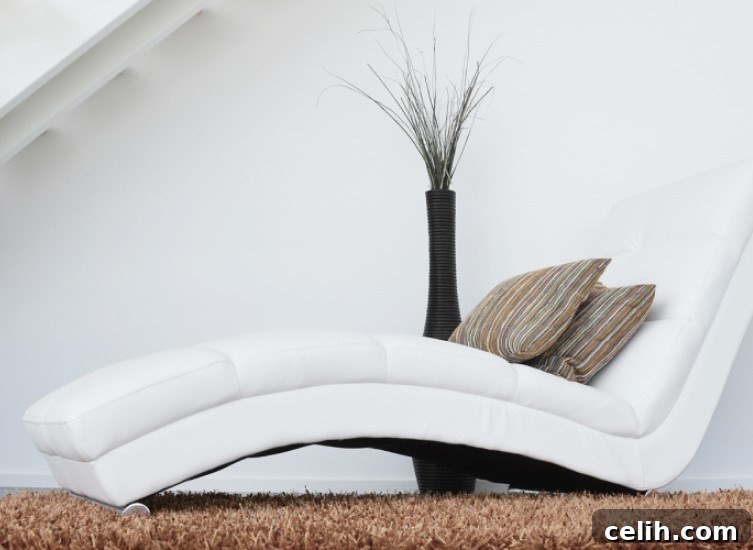
Unlocking the Science of Sanctuary: How Neuroarchitecture Transforms Your Home for Well-being
Have you ever stepped into a friend’s home and immediately felt a sense of calm, comfort, and belonging? Or perhaps, conversely, entered a space that felt strangely unsettling, almost as if it subtly agitated your senses and made you eager to leave? These strong, often subconscious, reactions to our surroundings are far more than mere personal preference. While factors like a soothing color palette, a familiar scent, or ample natural light certainly play a role, there’s a deeper, more scientific interplay at work between our environment and our brains. This intricate connection is precisely what the burgeoning field of neuroarchitecture seeks to understand and harness.
What is Neuroarchitecture? The Brain-Building Connection
Neuroarchitecture is an exciting interdisciplinary field that studies how the built environment impacts the human brain, emotions, and behavior. For a while, this concept has been applied to commercial and institutional buildings, such as hospitals, schools, and offices, where creating an environment conducive to healing, learning, or productivity is paramount. Architects and designers utilize neuroscientific insights to optimize patient recovery, improve concentration, and reduce stress in these settings.
However, recent advancements and a growing awareness of holistic well-being have led designers to increasingly apply these principles to domestic settings. We’ve always intuitively known that certain spaces evoke specific feelings – think of the awe inspired by walking into a grand cathedral, or the cozy intimacy of a small, well-lit nook. What’s new is the scientific rigor now applied to these observations. Thanks to sophisticated tools like virtual reality (VR) modeling, biometric sensors, and neuroimaging techniques, scientists can precisely measure our physiological and psychological responses to different architectural elements. This data allows them to refine their understanding and translate complex brain functions into actionable design strategies for our homes.
The moment you step into a new room, your brain instantly performs a sophisticated assessment, constructing what scientists call a “cognitive map.” This rapid, subconscious scan processes countless pieces of information: the layout, ceiling height, amount of light, perceived safety, and even the lack of perceived threats. For instance, a room with few windows might subconsciously register as threatening, while an open, airy space might signal safety and freedom. These initial signals are then relayed throughout your body, prompting an immediate physical reaction – perhaps a relaxing sigh, a heightened sense of alertness, or a feeling of unease. Understanding these immediate brain responses is fundamental to designing spaces that nurture rather than detract from our well-being.
Designing for Well-being: Key Principles of Neuroarchitecture in Your Home
Considering the sheer amount of time we spend within our homes, it’s paramount that these spaces are designed to support our physical and mental health. Architects and interior designers are increasingly advocating for human-centric design, focusing on creating environments that genuinely make us feel relaxed, inspired, and productive. If you’re eager to transform your living space into a sanctuary of well-being, here are the key neuroarchitectural principles to consider:
Harnessing the Power of Light
Light, both natural and artificial, profoundly influences our mood, energy levels, and circadian rhythms – our natural sleep-wake cycle. While we certainly need “task lighting” for specific activities like cooking, reading, or working, constant exposure to bright, harsh, or poorly distributed light can be detrimental to our psychological state. It can contribute to eye strain, headaches, and even anxiety, disrupting our natural flow.
To combat this, consider installing dimmer switches in various rooms, granting you precise control over the intensity of light throughout the day. Maximize natural light wherever possible by keeping windows unobstructed, using sheer curtains, and positioning mirrors to reflect daylight deeper into rooms. Furthermore, be mindful of “blue light” emitted by televisions, smartphones, and other electronic devices, especially in bedrooms. This spectrum of light can significantly interfere with melatonin production, thereby disrupting sleep patterns. It’s advisable to switch off these devices at least an hour before bedtime or utilize “night mode” settings to filter out blue light. Incorporating different layers of lighting – ambient, task, and accent – can also create a more dynamic and comforting atmosphere, adapting to your various needs and moods.
The Subtle Art of Scent
Our sense of smell is powerfully linked to our memories and emotions, often bypassing conscious thought to trigger immediate psychological responses. A particular aroma can instantly transport us back to a childhood memory or evoke feelings of calm, energy, or nostalgia. While personal preferences vary based on individual experiences, some general guidelines exist for scents that promote well-being. Citrus scents (lemon, orange, grapefruit) are widely recognized for their uplifting and energizing properties, helping to reduce stress and improve focus. Floral scents (jasmine, lavender, rose) often induce relaxation and can improve sleep quality. Earthy notes like sandalwood or cedarwood can create a grounded, comforting atmosphere.
You can introduce these beneficial aromas through essential oil diffusers, high-quality candles, or natural sources. For instance, incorporating houseplants is an excellent strategy, as they not only purify the air but can also introduce pleasant, subtle scents. A flowering jasmine plant, for example, combines air purification with a wonderfully calming fragrance, effectively addressing two neuroarchitectural principles simultaneously.
The Zen of Organization and Decluttering
Clutter is not just an aesthetic problem; it’s a cognitive burden. Every item out of place demands a tiny, subconscious decision from your brain: “What is this? Where does it go? Do I need it?” While your conscious mind might be tackling complex work tasks, your subconscious is constantly scanning for that misplaced pen or remote control, creating a low-level hum of mental friction. This continuous stream of micro-decisions contributes to mental fatigue and stress, making it harder to relax and focus in your own home.
Creating an organized environment with sufficient, intuitive storage solutions can significantly alleviate daily stress. When everything has a designated place, your brain doesn’t have to work overtime to locate items. This allows your conscious mind to remain focused on important tasks and your subconscious to truly unwind. Implementing practical strategies such as dedicated storage for specific categories of items, maintaining clear countertops, and regularly decluttering can transform your home into a more soothing, efficient, and mentally clear space. An organized home fosters a sense of control and predictability, which the brain interprets as safety and calm.
The Psychology of Form, Texture, and Flow
Our brains react instinctively to the shapes, textures, and spatial arrangements within a room. While individual responses may vary, general guidelines suggest that certain design elements tend to foster a sense of calm and comfort. Curved surfaces and soft, organic shapes, for instance, are often perceived as more inviting and less threatening than sharp angles and rigid lines. Our primal brains associate sharp corners with potential danger, whereas curves are often found in nature, promoting a sense of ease.
Texture also plays a vital role. Incorporating a variety of textures, particularly soft, natural ones like wool, linen, wood, and stone, can engage our tactile senses and add depth and warmth to a space. Smooth, hard surfaces can feel cold and uninviting, while a blend of textures creates a more dynamic and comforting environment. Furthermore, the flow of a room – how easily one can move through it – impacts our sense of freedom and openness. Avoiding cluttered pathways and arranging furniture to create clear circulation routes can reduce feelings of confinement and enhance mental ease.
The Impact of Color Psychology
Although not explicitly detailed in the original article, color is a powerful neuroarchitectural tool. Colors have a direct psychological impact on our mood, energy levels, and perception of space. Warm colors like reds, oranges, and yellows tend to evoke feelings of energy, passion, and warmth, making them suitable for social spaces but potentially overwhelming in areas of rest. Cool colors such as blues, greens, and purples are known for their calming, soothing, and expansive qualities, making them ideal for bedrooms, bathrooms, and meditation spaces. Neutrals like grays, whites, and beiges provide a versatile backdrop, promoting a sense of calm and allowing other elements to shine.
When selecting a color palette for your home, consider the primary function of each room and the emotional response you wish to cultivate. Muted tones often promote relaxation, while brighter hues can stimulate creativity or activity. Understanding the psychology of color allows you to intentionally design spaces that support specific moods and cognitive functions.
Embracing Biophilic Design: Nature Indoors
Our innate connection to nature, known as biophilia, plays a significant role in our well-being. Incorporating natural elements into our homes has profound neuroscientific benefits, including reduced stress, improved cognitive function, and enhanced mood. Houseplants are a simple yet effective way to bring nature indoors, offering air purification, visual appeal, and a sense of vitality. Beyond plants, consider maximizing natural light, incorporating natural materials like wood and stone, and ensuring views of nature from your windows. Even natural patterns and textures can mimic the calming effect of the outdoors, creating a more restorative living environment.
Personalizing Your Sanctuary: Adaptability and Freshness
Our relationship with our environment is dynamic. While familiarity can breed comfort, too much stagnation can lead to an unconscious feeling of dullness or lack of inspiration. To keep your responses fresh and your brain engaged, it’s beneficial to periodically introduce subtle changes to your home environment. This doesn’t require a complete overhaul; even minor alterations can significantly transform how you perceive and interact with a space.
Simple acts like altering the color of an accent wall, recovering an old chair with new fabric, hanging new blinds, or rearranging artwork can have a surprising impact. These subtle shifts prevent your brain from becoming overly habituated to its surroundings, encouraging renewed perception and appreciation. Personalizing your space with items that hold special meaning to you also reinforces a sense of belonging and comfort, making your home truly a reflection of your inner self and a haven for your well-being.
Conclusion: Design Your Home, Design Your Mind
The principles of neuroarchitecture empower us to move beyond purely aesthetic considerations in home design. By understanding how our brains process and react to our surroundings, we can intentionally craft living spaces that don’t just look good, but actively support our mental health, emotional balance, and overall well-being. From the gentle glow of carefully controlled lighting and the calming embrace of natural scents to the mental clarity offered by thoughtful organization and the subtle comfort of biophilic elements, every design choice has a profound impact.
If you’re contemplating alterations to your home, take the time to reflect on what truly makes you feel happy, relaxed, and invigorated. Then, consciously apply these neuroarchitectural insights, thinking about how light, color, scent, texture, and spatial organization can contribute to your personal sanctuary. Your brain, and indeed your entire self, will undoubtedly thank you for the thoughtful investment in your environment.
All images (c) Pixabay