
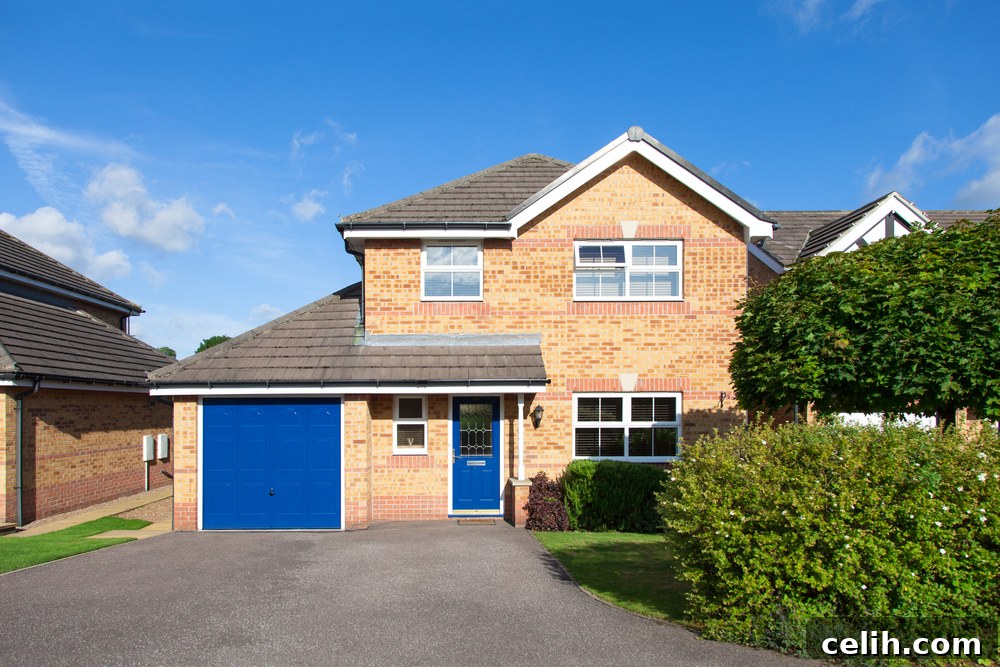
Walk down almost any residential street and you’ll see that the garage door is often the largest single visual element on the front of a house. It can occupy up to a third of the frontage, making it a major contributor to kerb appeal, yet it is frequently overlooked in design and renovation plans.
Beyond looks, a garage door is a complex functional system that must balance security, thermal performance, ease of use, and long-term durability across thousands of cycles. Knowing what separates an excellent overhead door from a mediocre one — and understanding the performance standards applied to modern overhead door systems — will help you choose a door that improves your home for decades.
The Overhead Door as a Design Statement

The era of the plain flat-panel door is largely behind us. Today’s residential overhead doors come in a wide variety of styles, materials, and finishes that can suit almost any architectural language — from a Victorian terrace to a contemporary new build.
Carriage-house doors remain a favourite for traditional and period properties. They evoke the charm of original coach house doors with decorative hardware, crossbuck detailing, and panel configurations that complement classic brickwork and timber joinery. Modern versions keep that aesthetic while adding the convenience of automated operation.
On contemporary homes, flush or minimally detailed panels in steel, aluminium, or composite materials provide a clean, architectural look. Full-width glazing, either clear or frosted, brings daylight into the garage and enhances a modern facade. Some owners choose doors clad in real or composite timber to match external decking or cladding elsewhere on the property, creating cohesive visual flow.
Colour matters. While white and off-white remain reliable choices, darker palettes — deep charcoal, forest green, navy, or matte black — have grown more popular, reflecting a trend toward bolder, more considered exterior colour schemes.
Materials: Weighing the Options
The material you select affects appearance, durability, insulation, maintenance, and weight — which in turn influences spring system and operator choices.
Steel is the most common choice for residential doors: strong, relatively lightweight, low-maintenance, and available across a broad price range. Insulated steel doors, with a foam core between two steel skins, deliver excellent thermal performance and are the sensible default for attached or frequently used garages.
Aluminium is lighter than steel and naturally resistant to corrosion, making it ideal for coastal locations where salt air accelerates rust. Its strength-to-weight ratio also suits large-span glazed doors, allowing slim framing around glass panels for a contemporary aesthetic.
Timber offers warmth and authenticity that few materials can match, but it requires more upkeep. Regular painting or staining is necessary, and timber can be more prone to warping in damp climates. Well-maintained hardwood doors are durable and can add character and value to period homes.
Composite and GRP (glass-reinforced plastic) doors bridge timber’s looks with modern practicality. They can replicate timber grain while resisting moisture and temperature change, demanding minimal maintenance while preserving a traditional appearance.
Thermal Performance and Energy Efficiency
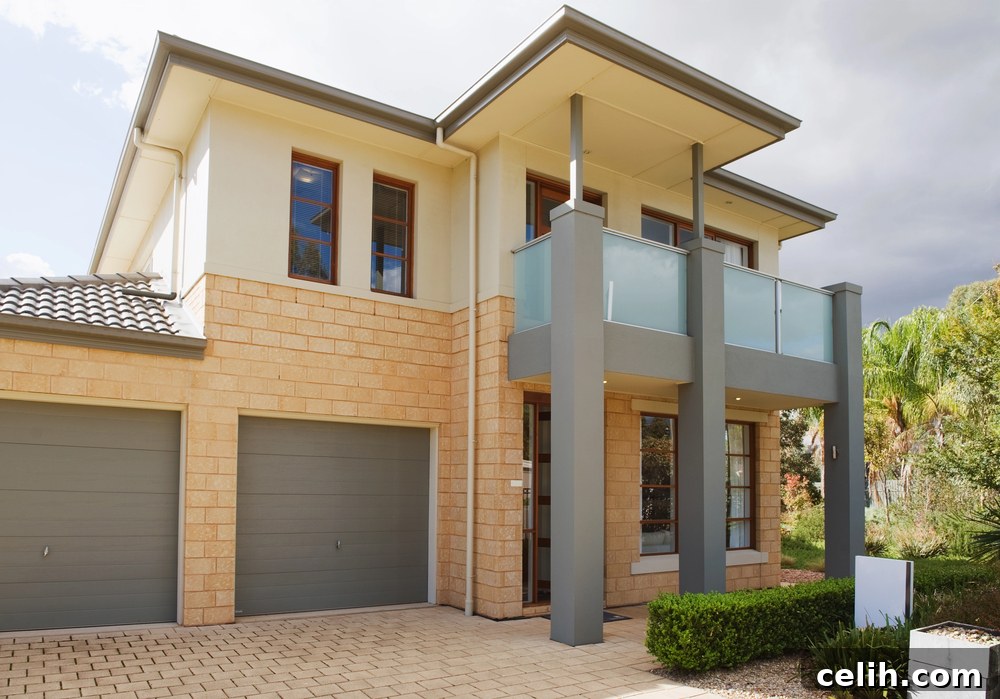
A door’s insulation is measured by its R-value: the higher the R-value, the greater the resistance to heat transfer. If your garage doubles as a living or working space, an insulated door is essential. Even for garages used mainly for vehicle storage, good insulation protects vehicles from extremes and reduces thermal transfer to adjoining rooms.
Advances in commercial door engineering have driven improvements in residential insulation technology, so many high-end residential doors now achieve R-values once reserved for specialist cold-store applications. The result is genuinely improved thermal performance in an attractive residential product.
Weatherstripping around the door perimeter is as important as core insulation. A well-insulated panel fitted with worn or poorly seated seals will still let in draughts, water, and pests. Inspect and replace weatherstripping every three to five years, or sooner if you detect draughts or moisture.
Spring Systems and Operational Balance
Springs are the component most homeowners ignore until they fail. Springs counterbalance the door’s weight so the operator motor — or a person — can lift it with minimal effort. Properly tensioned springs are vital for safe, smooth operation and for protecting the operator’s lifespan.
Torsion springs, mounted horizontally above the opening, are the preferred choice for modern installations. They provide more controlled, balanced operation than extension springs and typically offer longer service life, often rated for 10,000 to 20,000 cycles.
Extension springs run along the tracks on either side of the door and are common in older garages or where headroom is limited. They work well but place more lateral stress on tracks and require safety cables to contain the spring if it breaks under tension.
Never try to adjust or replace springs yourself: they are under extreme tension and can cause serious injury. Spring replacement is a maintenance task for a qualified door technician.
Kerb Appeal and Property Value
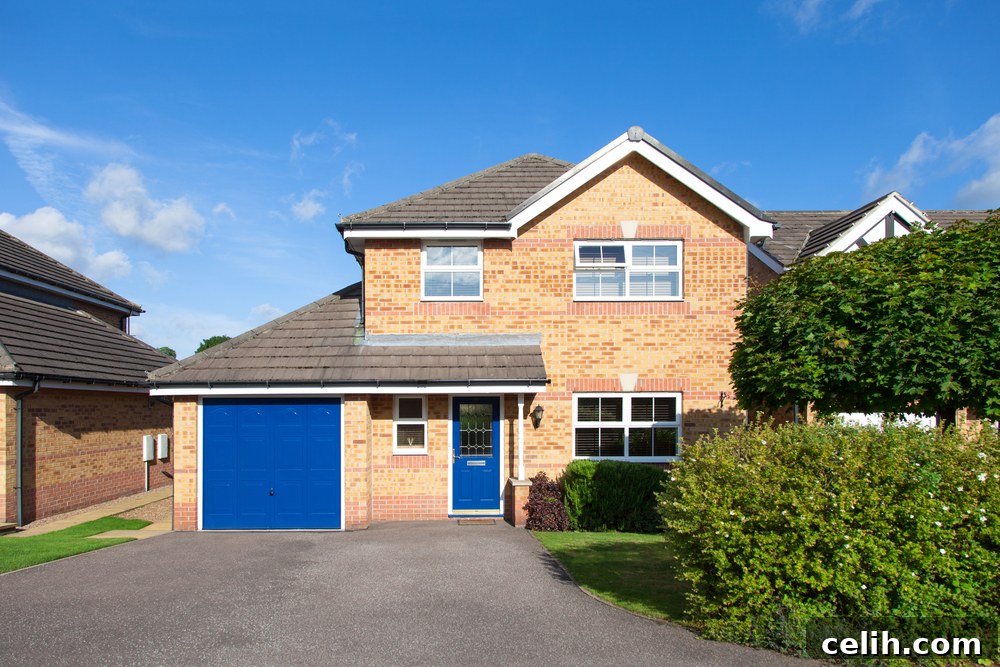
A new overhead door can significantly boost kerb appeal and, by extension, a home’s market value. Estate agents consistently rank the garage door among the most cost-effective exterior improvements, delivering visual impact that often exceeds the investment.
Replacing a dated door can modernise a facade, unify disparate architectural elements, and signal to buyers that the property has been maintained and thoughtfully updated. On properties where the garage dominates the frontage — for example, detached homes with double garages — the door is usually the first thing visitors and prospective buyers notice.
When choosing a replacement, think beyond personal taste and consider the house’s architectural character and future buyers’ likely preferences. Neutral, high-quality choices typically retain value better than highly personalised or trend-driven designs.
Choosing an Installer You Can Trust
Installation quality matters as much as the door itself. Poor fitting — misaligned tracks, incorrectly tensioned springs, or insufficient header reinforcement — will undermine performance and shorten service life, regardless of how well the door was manufactured.
Seek installers accredited by recognised industry bodies, with appropriate public liability insurance and a workmanship warranty in addition to the manufacturer’s product warranty. A reputable installer will perform a full site assessment, recommend suitable products, and explain correct operation and maintenance.
Expect the same standards of engineering, safety compliance, and long-term service that are applied to professional operator systems. Don’t compromise on installation for what is one of the most visible and functional features of your home.
Final Thoughts
The overhead door deserves more attention during home design and renovation. When chosen and installed well, it elevates the property’s appearance, improves comfort and energy efficiency, and provides reliable, low-maintenance service for years. Chosen poorly, it becomes a source of frustration, expense, and reduced kerb appeal.
Take time to explore materials, insulation performance, and spring systems, invest in quality products and a trusted installer, and maintain the system with seasonal care. A thoughtfully selected and well-installed overhead door is a daily reward — every time you arrive home and every time someone sees your house for the first time.