
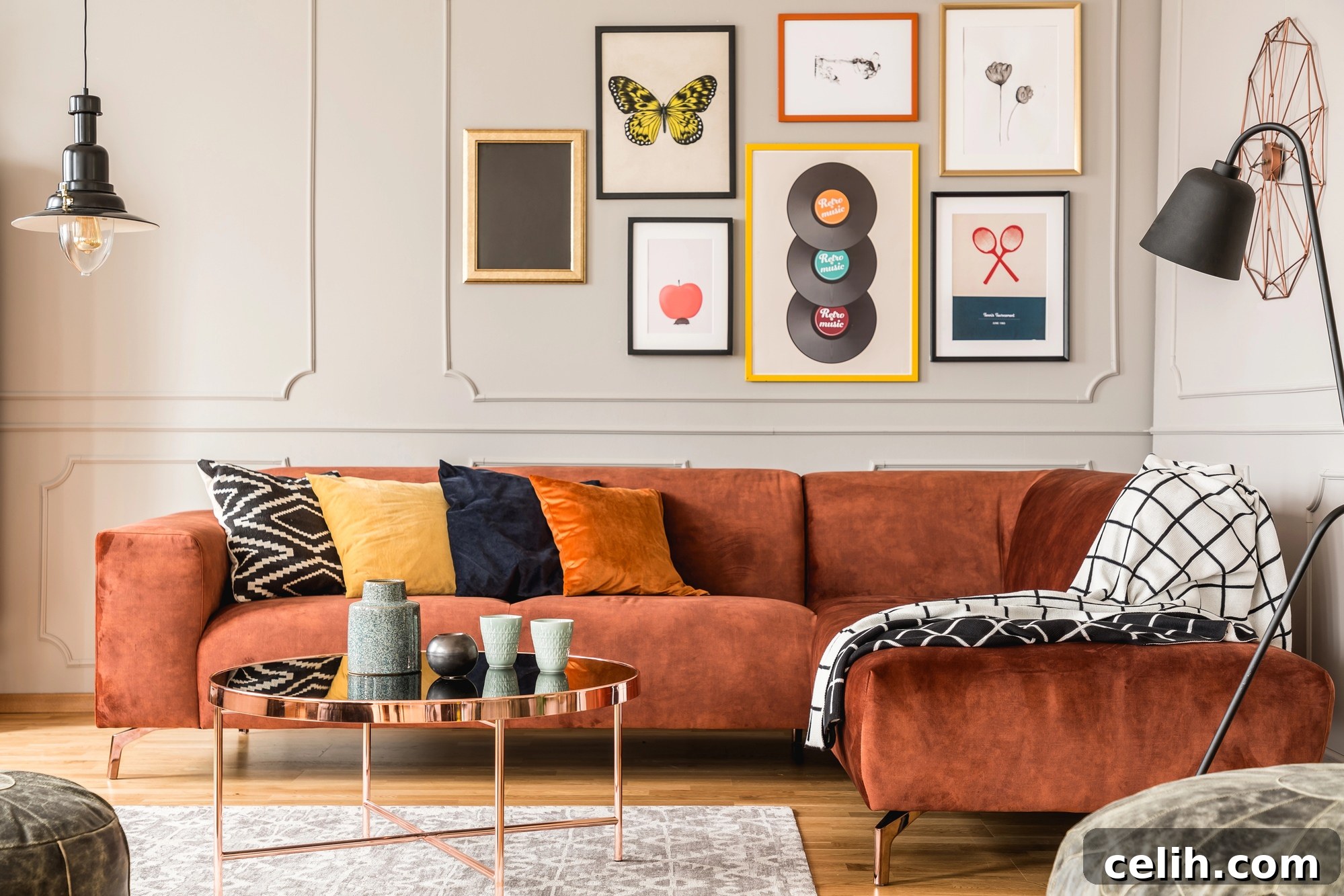
Transforming a house into a home, or an office into an inspiring workspace, goes far beyond simply choosing aesthetically pleasing decor. Truly exceptional interior design hinges on a harmonious balance of several fundamental elements, each playing a critical role in creating a space that is not only visually appealing but also profoundly functional, comfortable, and reflective of its occupants. Overlooking any of these foundational pillars can lead to a disjointed or impractical environment, no matter how beautiful individual pieces may be. To craft an interior that genuinely enhances your lifestyle and well-being, you must master the art of space planning, curate a thoughtful colour scheme, implement effective lighting design, make discerning furniture selections, and strategically integrate a rich mix of textures and materials. These five essential aspects interweave to create depth, purpose, and a captivating narrative within your surroundings. Ready to unlock the full potential of your living or working area? Let’s delve into each of these crucial design components and discover how they coalesce to elevate any interior into a masterpiece of comfort and style.
Strategic Space Planning: The Foundation of Functional Design
Space planning is the undeniable backbone of any successful interior design project, serving as the blueprint that transforms a mere room into a truly functional and inviting haven. It’s an intricate process that extends far beyond the simple arrangement of furniture; it’s about meticulously orchestrating every element within a given area to optimize its utility, enhance visual appeal, and create an intuitive flow that seamlessly supports your daily activities and lifestyle. A well-planned space feels effortless, allowing for clear movement, comfortable interaction, and distinct zones for various functions, whether it’s work, relaxation, dining, or entertainment.
To embark on effective space planning, begin with a thorough assessment of your environment. Accurately measure the room’s dimensions, noting the precise location of doorways, windows, electrical outlets, radiators, and any other architectural features like built-in niches or fireplaces. This detailed understanding provides the canvas upon which you’ll create your design. Next, define the primary activities that will take place in the room. Will it be a multi-functional living area that needs to adapt from a cozy reading nook to a vibrant gathering space? Or a dedicated home office requiring focused work zones? Prioritizing these needs is paramount, as they will guide your subsequent design choices and dictate how different areas are delineated.
One of the most critical aspects is establishing clear and unobstructed traffic flow. Imagine pathways throughout the room, ensuring there’s ample space for people to move comfortably without bumping into furniture or feeling confined. A general guideline is to allow at least 3 feet for main pathways. Consider the scale and proportion of your furniture in relation to the room’s size. Oversized pieces can quickly overwhelm a compact room, making it feel smaller and cramped, while diminutive items might appear lost and insignificant in a vast, open-plan space. Utilize tools like floor plan software, paper cut-outs, or even painter’s tape on the floor to visualize layouts before committing to purchases.
Furthermore, effective space planning integrates smart storage solutions, ensuring that every item has a designated place, which contributes significantly to a clutter-free and serene environment. Think about vertical storage, built-in shelving, or multi-functional furniture pieces that offer hidden storage. By carefully considering these elements – measurements, functional zones, traffic flow, furniture scale, and storage – you’ll create an environment that is not only aesthetically pleasing but also intuitively functional, making every moment spent in your space a true joy and a testament to intelligent design.
Harmonious Colour Schemes: Setting the Mood and Character
While often perceived as merely an aesthetic choice, a well-chosen colour scheme is a profoundly powerful element that dictates the entire mood, atmosphere, and perceived character of an interior space. Colours possess an incredible ability to evoke emotions, influence perceptions of size, and even impact your psychological well-being. The right palette can transform a cold, unwelcoming room into a warm, inviting sanctuary, or an ordinary space into an energizing hub of creativity. Understanding the basics of colour theory is essential to harness this power effectively and create an environment that resonates with your desired ambiance.
To craft a truly harmonious and impactful environment, consider these foundational aspects of colour schemes and how they interact:
- Colour Psychology: Begin by considering the emotional impact of different colours. Warm colours like reds, oranges, and yellows tend to be stimulating, energetic, and cozy, often used in living rooms or dining areas to encourage conversation and warmth. Cool colours such as blues, greens, and violets are typically calming, serene, and expansive, making them ideal for bedrooms, bathrooms, or offices where tranquility is desired. Neutrals like whites, grays, and beiges provide a versatile backdrop, promoting a sense of calm and sophistication while allowing other elements to stand out.
- Applying Colour Theory Principles:
- Complementary Colours: Pairing colours directly opposite each other on the colour wheel (e.g., blue and orange, red and green) creates vibrant, high-contrast combinations that add drama and energy. Imagine a deep sapphire accent wall contrasted with subtle coral cushions, instantly injecting dynamism into a neutral living space.
- Analogous Colours: These are colours located next to each other on the colour wheel (e.g., blues, blue-greens, and greens). Analogous schemes create a serene, cohesive, and comfortable feel, often found in nature. Picture a tranquil bedroom with soft greens, from mint to sage, promoting relaxation and understated elegance.
- Monochromatic Palettes: Utilizing varying shades, tints, and tones of a single colour creates an exceptionally cohesive, sophisticated, and soothing look. This approach adds depth without introducing additional colours, maintaining a unified aesthetic.
- Triadic Colours: Using three colours evenly spaced on the colour wheel (e.g., red, yellow, and blue) creates bold, vibrant, and well-balanced schemes, though they can be harder to manage without careful balancing.
- The 60-30-10 Rule: A popular guideline for achieving balance, this rule suggests dedicating 60% of the room to your dominant colour (walls, large rugs), 30% to a secondary colour (upholstery, curtains), and 10% to an accent colour (throw pillows, artwork, decorative objects). This framework helps ensure visual harmony and allows for pops of personality.
- Accent Colours: Inject personality, highlight architectural features, or draw the eye to specific areas with bold accent colours. Visualize a sophisticated neutral living room, perhaps with charcoal gray walls and cream upholstery, instantly brought to life with striking mustard yellow throw pillows and a captivating emerald green artwork. These carefully placed colour bursts create focal points and prevent a scheme from feeling flat or monotonous.
By thoughtfully considering these principles, you can craft a colour scheme that not only pleases the eye but also profoundly influences the atmosphere, functionality, and emotional response within your beautifully designed space.
Masterful Lighting Design: Illuminating Form and Function
Lighting is arguably one of the most transformative elements in interior design, possessing the power to dramatically alter the perception, mood, and functionality of any room. Effective lighting design goes far beyond simply installing fixtures; it’s about strategically layering different types of light to illuminate form, highlight features, and create a dynamic, adaptable ambiance that complements the space’s purpose and the inhabitants’ activities. Without a well-considered lighting plan, even the most exquisitely designed room can feel dull, uninviting, or impractical.
The secret to masterful lighting lies in a layered approach, incorporating three primary types of illumination:
- Ambient Lighting: This is the general illumination that provides overall brightness to a room, ensuring basic visibility. Sources include overhead fixtures like chandeliers, recessed lighting, track lighting, or flush-mounts. In your living room, opt for warm, soft ambient light to create a welcoming and cozy atmosphere for gatherings and relaxation. For hallways and entryways, consistent ambient light guides movement and sets a positive first impression.
- Task Lighting: Essential for specific activities that require focused illumination, task lighting prevents eye strain and enhances productivity. In a kitchen, bright, directed under-cabinet lights are crucial for illuminating countertops where chopping, mixing, and cooking occur. A desk lamp is indispensable for a home office, while a floor or table lamp beside an armchair provides adequate light for reading. These fixtures should be positioned to minimize shadows and glare, ensuring optimal functionality.
- Accent Lighting: This type of lighting is used to highlight architectural features, artwork, plants, or other decorative elements, drawing the eye and adding character and depth to the space. Spotlights, wall washers, picture lights, and uplights are common forms of accent lighting. Don’t shy away from incorporating statement pieces like a striking chandelier in a dining room or unique sconces flanking a fireplace; these fixtures not only provide light but also become sculptural elements and conversation starters, elevating the room’s aesthetic appeal. For expert guidance on crafting this kind of sophisticated lighting ambiance, consider the innovative design insights from COOPER Design Build & Remodeling of Portland.
Beyond these layers, consider the colour temperature of your light bulbs, measured in Kelvin (K). Warmer temperatures (2700K-3000K) emit a soft, yellowish glow, perfect for creating a relaxing and intimate atmosphere in bedrooms and living rooms. Cooler temperatures (3500K-5000K) provide a brighter, more invigorating white or blueish light, ideal for task-oriented areas like kitchens, bathrooms, and home offices. The use of dimmers is also paramount, allowing you to adjust the intensity of light to suit different moods, times of day, or activities, offering unparalleled flexibility and energy efficiency.
Finally, the integration of natural light is indispensable. Maximize daylight penetration by using appropriate window treatments like sheer curtains or blinds that allow light to filter in while maintaining privacy. Strategically placed mirrors can also amplify natural light, bouncing it deeper into the room and making the space feel larger and more open. By thoughtfully orchestrating these elements, you can create a lighting scheme that is both beautiful and highly functional, transforming your home into a radiant and adaptable sanctuary.
Discerning Furniture Selection: Defining Style and Ensuring Comfort
Choosing the right furniture is far more than simply filling an empty room; it’s a profound act of curating pieces that collectively define the character, style, and inherent comfort of your home. Furniture acts as the structural and aesthetic backbone of your interior, dictating functionality, guiding traffic flow, and setting the overall tone and vibe that resonates with your personal taste and lifestyle. Each piece should be a deliberate choice, balancing form, function, and durability to create a cohesive and inviting environment that feels both luxurious and lived-in.
When approaching furniture selection, consider these crucial aspects:
- Functionality and Comfort: Prioritize how each piece will be used. A sofa isn’t just for looking good; it must be comfortable for lounging, reading, or entertaining. For instance, a plush, oversized sofa invites you to sink into its cushions after a long day, surrounded by cozy throws and vibrant cushions that spark joy. Dining chairs should provide adequate support for extended meals. Evaluate the ergonomics of desks and office chairs if you plan to work from home extensively.
- Scale and Proportion: As discussed in space planning, the size of your furniture must be proportionate to the room. A massive sectional sofa will overwhelm a small apartment living room, while dainty chairs might get lost in a grand, high-ceilinged space. Always measure your room and consider the dimensions of furniture pieces carefully to ensure a balanced and harmonious look.
- Style Cohesion: Your furniture choices should align with the overall design aesthetic you wish to achieve. Whether you prefer modern minimalism, rustic farmhouse charm, classic elegance, or eclectic bohemian, each piece should contribute to that overarching theme. Mixing styles can be done, but it requires a discerning eye to ensure it looks intentional and curated, rather than haphazard.
- Quality and Durability: Furniture is an investment. Opt for well-constructed pieces made from quality materials that will withstand daily use and remain aesthetically pleasing for years to come. Solid wood frames, durable upholstery fabrics, and sturdy joinery are indicators of lasting quality.
- Material and Texture: While a dedicated section follows, consider how the materials of your furniture (wood, metal, glass, fabric) contribute to the room’s texture profile. A rustic wooden coffee table, for example, not only anchors the room but introduces natural texture and invites gatherings, showcasing your favorite books or a fragrant candle. Stylish accent chairs, perhaps upholstered in velvet or a unique pattern, can become conversation starters, adding flair and personality.
- Versatility and Multi-functionality: Especially in smaller spaces, furniture that serves multiple purposes is invaluable. Ottomans with storage, sofa beds, nesting tables, or benches that double as seating and storage are excellent choices for optimizing space without sacrificing style.
By thoughtfully considering these elements, you can select furniture that not only looks stunning but also functions impeccably, creating a home that is truly a reflection of your unique personality and a sanctuary of comfort.
Enriching Texture and Materials: Adding Depth and Sensory Appeal
While often overlooked in favor of colour or furniture, the strategic use of texture and materials is absolutely vital for adding depth, warmth, and a rich sensory dimension to any interior space. Texture refers to the perceived surface quality of an object, whether it’s rough or smooth, soft or hard, dull or glossy. When you expertly layer and mix various materials and textures, you create an environment that engages not just the visual sense but also the tactile, making a room feel more inviting, dynamic, and truly complete. Without a thoughtful integration of textures, even a beautifully coloured and furnished room can appear flat, one-dimensional, and less engaging.
Consider the powerful impact of juxtaposition: the smoothness of polished dark wood flooring against the rustic unevenness of a reclaimed brick accent wall immediately energizes a space, creating compelling visual interest. Similarly, pairing the plush softness of a velvet cushion with the sleek, cool surface of a leather sofa or the crispness of linen drapery invites a varied tactile experience that enhances comfort and sophistication. These contrasts prevent monotony and add a dynamic rhythm to the design.
Integrating different types of textures allows you to craft specific moods and styles:
- Soft Textures: Fabrics like velvet, wool, cashmere, faux fur, and thick pile rugs instantly add warmth, comfort, and a luxurious feel. They are perfect for creating cozy nooks in living rooms and bedrooms, inviting relaxation and tactile engagement.
- Hard Textures: Materials such as polished stone, glass, metal (brass, steel, chrome), and sleek lacquered wood provide structure, modernity, and a sense of sophistication. These are often found in countertops, tables, decorative objects, and hardware, offering clean lines and reflective surfaces.
- Rough and Natural Textures: Think about exposed brick, raw wood, natural woven fibers like jute or sisal, linen, or concrete. These materials bring an organic, grounded, and often rustic or industrial charm to a space. Incorporating natural materials like bamboo, cork flooring, or rattan furniture also promotes sustainability and introduces an earthy, calming touch.
- Shiny and Reflective Textures: Mirrors, metallic finishes, glass, and highly polished surfaces reflect light, adding glamour, expanding perceived space, and introducing a sense of lightness and sparkle.
The beauty of texture also lies in how it interacts with light. Warm, ambient lighting can dramatically highlight the intricate weave of textiles, the natural grain of wood, or the subtle sheen of metallic finishes, creating intriguing shadows and depth that transform a room’s atmosphere throughout the day. Conversely, strong, direct light can emphasize the crispness of hard surfaces or the vibrancy of a rough texture.
As you explore your options, remember that texture isn’t just visual—it’s profoundly tactile. Consider how different materials feel to the touch: the softness of a sheepskin rug underfoot, the cool smoothness of marble in the kitchen, or the comforting roughness of a chunky knit throw. By thoughtfully curating a rich tapestry of textures and materials, you can create an interior that is not only visually stunning but also deeply comforting, engaging, and personal, adding layers of interest that invite exploration and prolonged enjoyment.
Conclusion: Crafting a Holistic and Inspiring Interior
Successfully integrating these five essential aspects of interior design is the key to transforming any space into a truly holistic, inspiring, and deeply personal sanctuary. We’ve explored how strategic space planning lays the groundwork for functionality and flow, ensuring every square foot serves a purpose. We’ve seen how carefully selected colour schemes set the emotional tone, influencing mood, perception, and even well-being. The profound impact of layered lighting design on atmosphere and task performance has been illuminated, demonstrating its ability to shape the very essence of a room. Furthermore, we’ve highlighted the importance of discerning furniture selection, where each piece contributes to both comfort and the overarching style narrative. Finally, the critical role of texture and materials in adding depth, warmth, and a rich sensory experience has been emphasized, making spaces truly come alive.
These elements are not isolated components; they are interconnected threads in the fabric of your design. When masterfully woven together, they create an environment that is not merely decorated but thoughtfully composed, offering a seamless blend of aesthetics and practicality. It’s a testament to the power of design that studies suggest individuals often report feeling significantly more productive, relaxed, and inspired in well-designed environments. By understanding and applying these foundational principles, you’re not just arranging items; you’re actively shaping an atmosphere that invigorates your senses, supports your lifestyle, and reflects your unique identity. So, embrace this comprehensive approach to your next design project, and watch as your vision culminates in a space that truly enriches your everyday experience and stands as a testament to thoughtful, beautiful living.