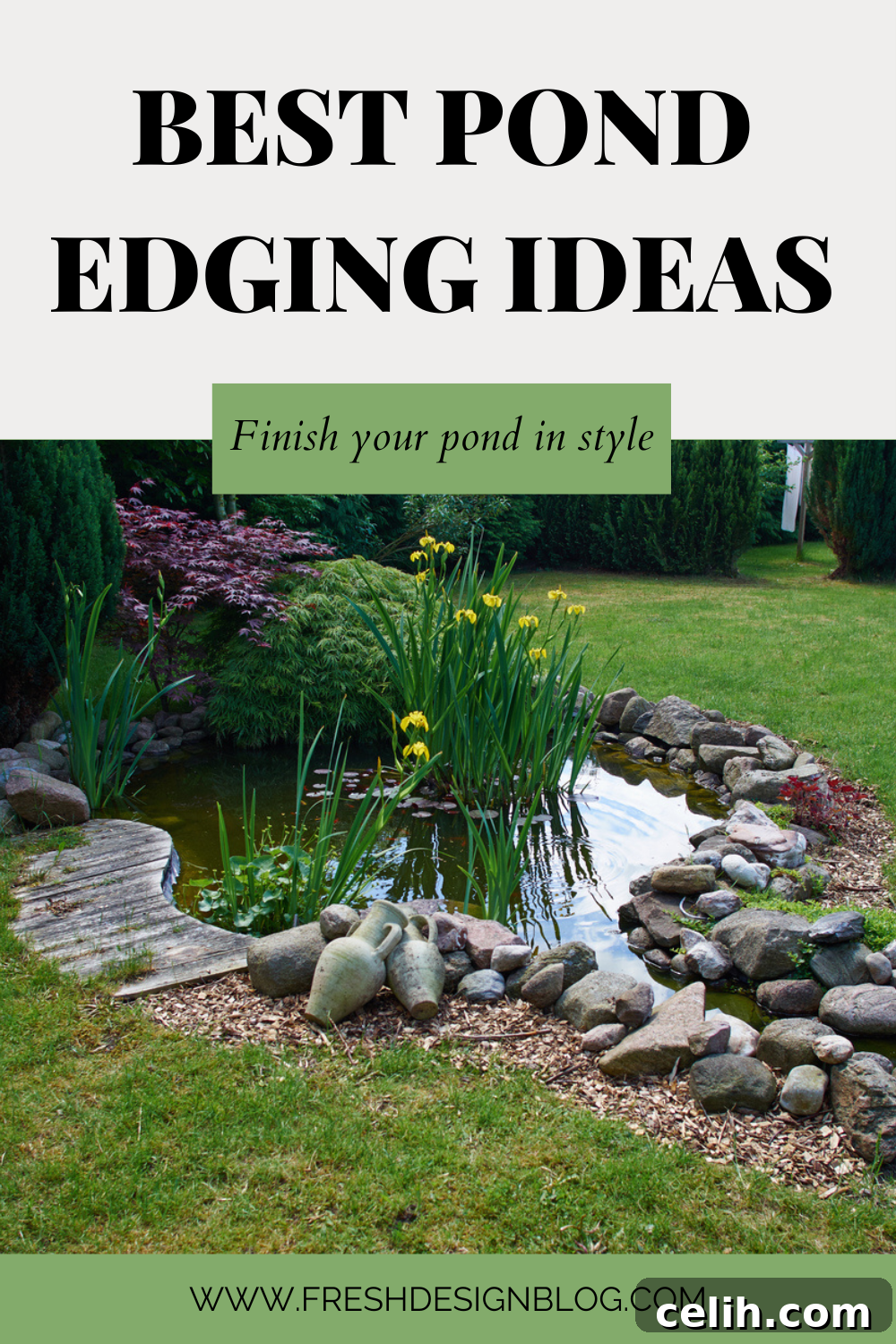
A garden pond is more than just a body of water; it’s a living ecosystem and a captivating focal point in your outdoor space. The key to integrating it seamlessly and beautifully into your landscape lies in thoughtful pond edging. Whether you’re embarking on a new pond project or seeking to rejuvenate an existing water feature, the right edging not only enhances aesthetic appeal but also plays a crucial role in maintaining the pond’s health, protecting its liner, and creating a welcoming habitat for local wildlife. From rugged natural stones to sleek modern concrete, the possibilities are vast and varied. This comprehensive guide will explore a diverse range of garden pond edging ideas, offering insights into materials, design principles, and practical considerations to help you craft a stunning and functional aquatic oasis.
Selecting the perfect edging material involves balancing your personal style, the overall garden aesthetic, budget, and the practical needs of your pond and its inhabitants. We’ll delve into popular choices like natural stones, elegant paving, classic brickwork, rustic timber, and the softness of carefully selected plants, offering inspiration and expert tips to transform your pond’s perimeter into a true work of art. Get ready to discover how to create an edge that not only looks fantastic but also supports a thriving pond environment, ensuring your water feature remains a source of joy and tranquility for years to come.
Natural Stone and Rock Pond Edging
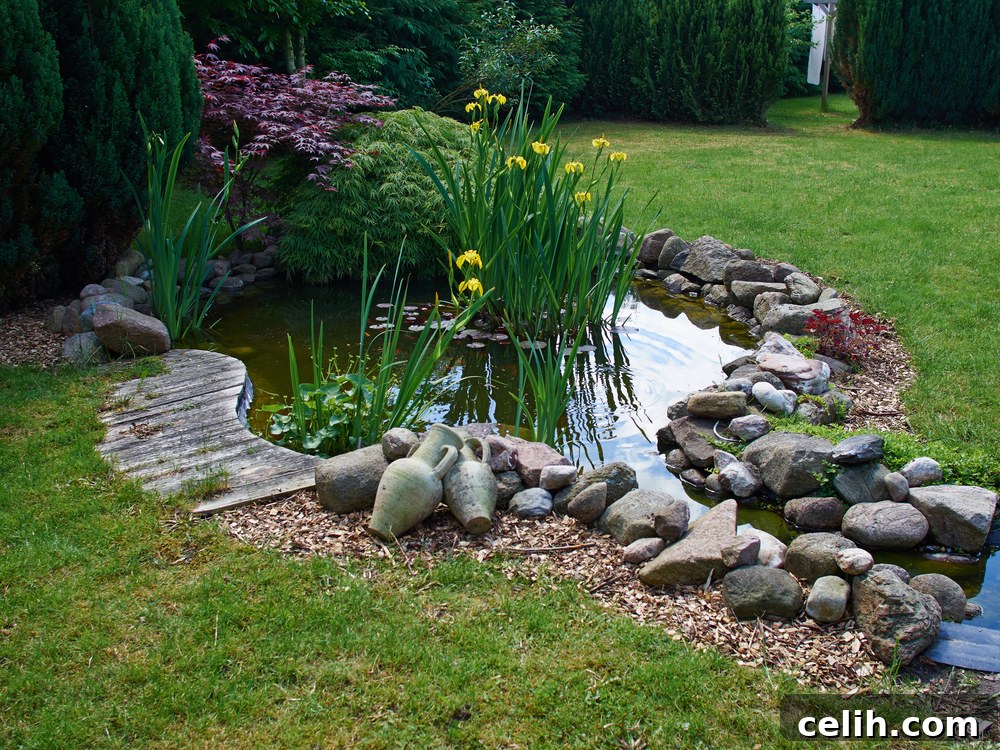
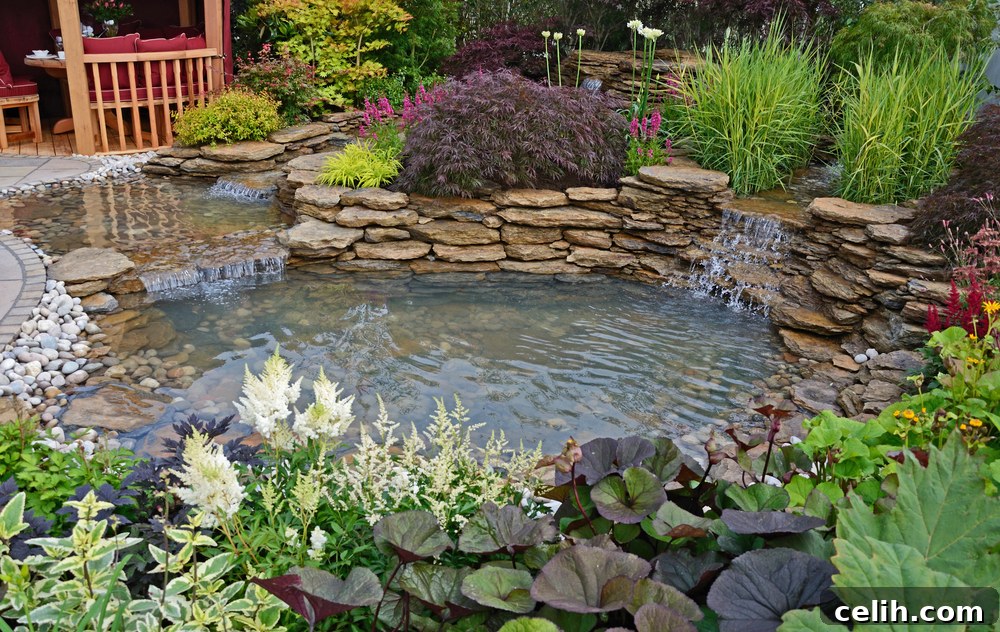
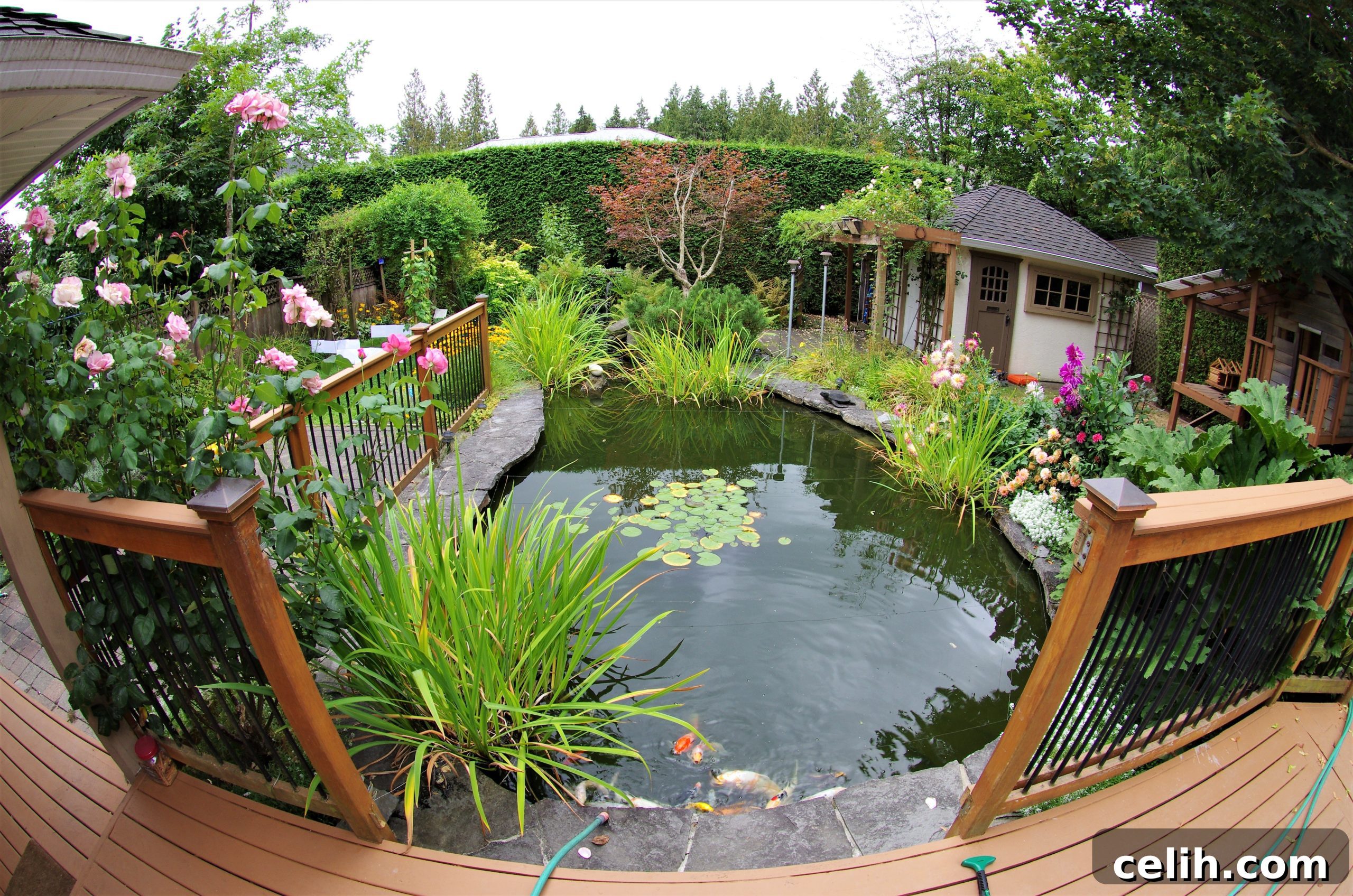
Stones and rocks are perhaps the most popular and versatile materials for garden pond edging, celebrated for their organic beauty and ability to blend seamlessly with natural landscapes. Pebbles, river rocks, and boulders offer an authentic, rugged appeal that can instantly make your pond feel like a natural part of the environment. Their affordability and widespread availability make them an excellent choice for many homeowners. Beyond aesthetics, strategically placed stones serve a practical purpose: they secure the pond liner, preventing it from being exposed to UV light or accidental damage, and they help define the pond’s shape, masking any artificial edges for a truly integrated look.
The beauty of natural stone lies in its incredible variety. From cool greys and earthy browns to soft beiges and crisp whites, you can select stones that complement your garden’s existing palette and enhance the water’s reflective qualities. To achieve a rustic, naturalistic pond edge, consider mixing different sizes of pebbles, cobbles, and even larger boulders. This creates a visually dynamic ‘pebble beach’ effect, mimicking natural shorelines and adding depth and texture to the perimeter. This multi-sized approach also creates varied nooks and crannies that are ideal for small creatures seeking shelter or a safe way to enter and exit the pond.
For wildlife enthusiasts, using smaller pebbles or rounded stones allows for the creation of a gentle, sloping edge. This subtle gradient provides an easy access point for amphibians, insects, and small mammals, transforming your pond into a welcoming habitat. Any small gaps between stones can be artfully filled with marginal plants such as irises, marsh marigolds, or creeping Jenny, which not only soften the hard lines of the stones but also contribute to the pond’s ecological balance. Imagine adding a compact garden fountain nestled amongst these stones and plants; its gentle trickle will amplify the natural ambiance, turning your pond into a serene focal point with soothing sounds.
Integrating tall grasses around the pond’s edge can also provide crucial hiding spots and shelter for wildlife, further enhancing biodiversity. Don’t forget to introduce a variety of aquatic plants, including water lilies and submerged oxygenators, within the pond itself. These additions are vital for creating a balanced ecosystem, improving water quality, and completing the natural aesthetic of a thriving wildlife pond.
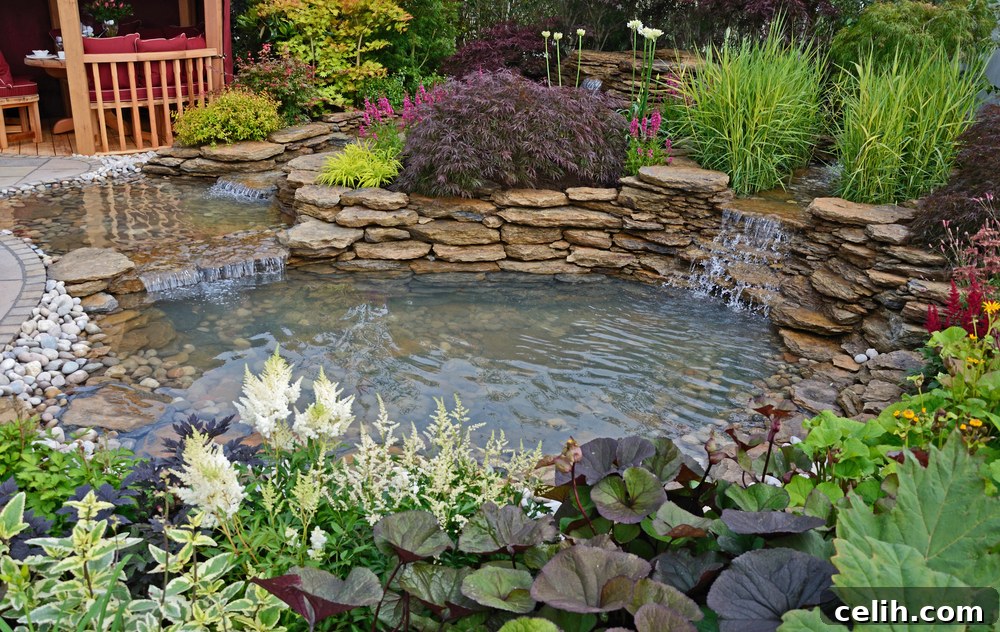
For more dramatic effects or to introduce an elegant water feature, flat stones can be skillfully stacked vertically. This technique allows you to create varying heights around the pond, perfect for integrating a small, cascading waterfall or a terraced planting area. When stacking stones, especially larger ones, ensure they are securely positioned and interlocked to prevent shifting or collapse, prioritizing safety and longevity. This method can add architectural interest and a sense of permanence to your pond design.
If your garden style leans towards a more contemporary or formal aesthetic, uniform pebbles or precisely cut flagstones of a consistent size and color might be a better choice than a rustic mix. This approach creates clean lines and a refined finish. Regardless of your chosen style, always opt for stones with smooth, rounded edges. Sharp or jagged stones pose a significant risk of puncturing the pond liner, leading to leaks and costly repairs. Prioritizing liner safety ensures your pond remains a beautiful and low-maintenance feature for many years.
Paving Tile Garden Pond Edges
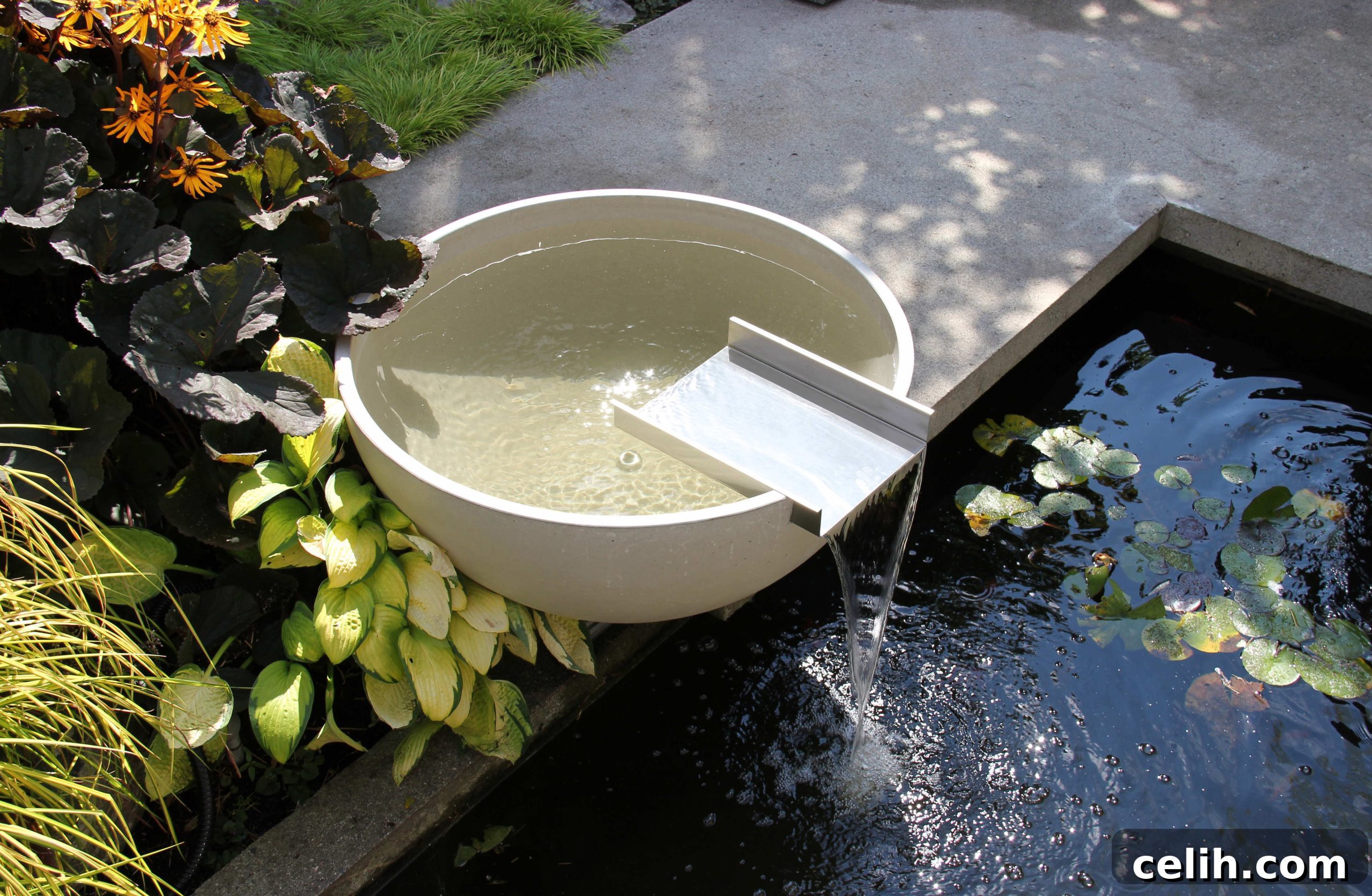
Paving tiles offer a sleek, low-maintenance, and incredibly durable option for garden pond edging, making them an excellent choice for modern and formal garden designs. These tiles, available in a vast array of materials such as natural stone, concrete, and porcelain, can seamlessly integrate with existing patios or pathways, creating a cohesive and polished look throughout your outdoor living space. Their smooth, flat surfaces are easy to clean and resist algae buildup, significantly reducing the maintenance demands compared to more porous materials.
Most commonly, paving tiles are laid horizontally around the perimeter of the pond, creating a neat, defined edge that enhances the water feature’s clean lines. This method is particularly effective for rectangular or geometric ponds, where precision and symmetry are desired. However, for those seeking a more distinctive and artistic touch, paving tiles can be positioned vertically. This less conventional approach creates a dramatic, elevated border that adds textural interest and a contemporary flair. By varying the height or arrangement of vertical tiles, you can design a truly unique pond edge that becomes a striking focal point in your water garden, drawing the eye and accentuating the pond’s shape.
When selecting paving tiles, consider their slip resistance, especially if the area around the pond will be a high-traffic zone. Materials like natural stone or textured concrete offer better grip than highly polished surfaces. The choice of material and color can also profoundly impact the overall garden design; light-colored tiles can brighten the area, while darker tones create a sense of depth and contrast against lush greenery. The robust nature of paving tiles ensures a long-lasting pond edge that can withstand various weather conditions, providing a stable and attractive border for years to come. This robust edging solution not only elevates the aesthetic of your pond but also provides a stable surface for decorative elements or seating, further enhancing your outdoor enjoyment.
Brick Edging for Garden Ponds
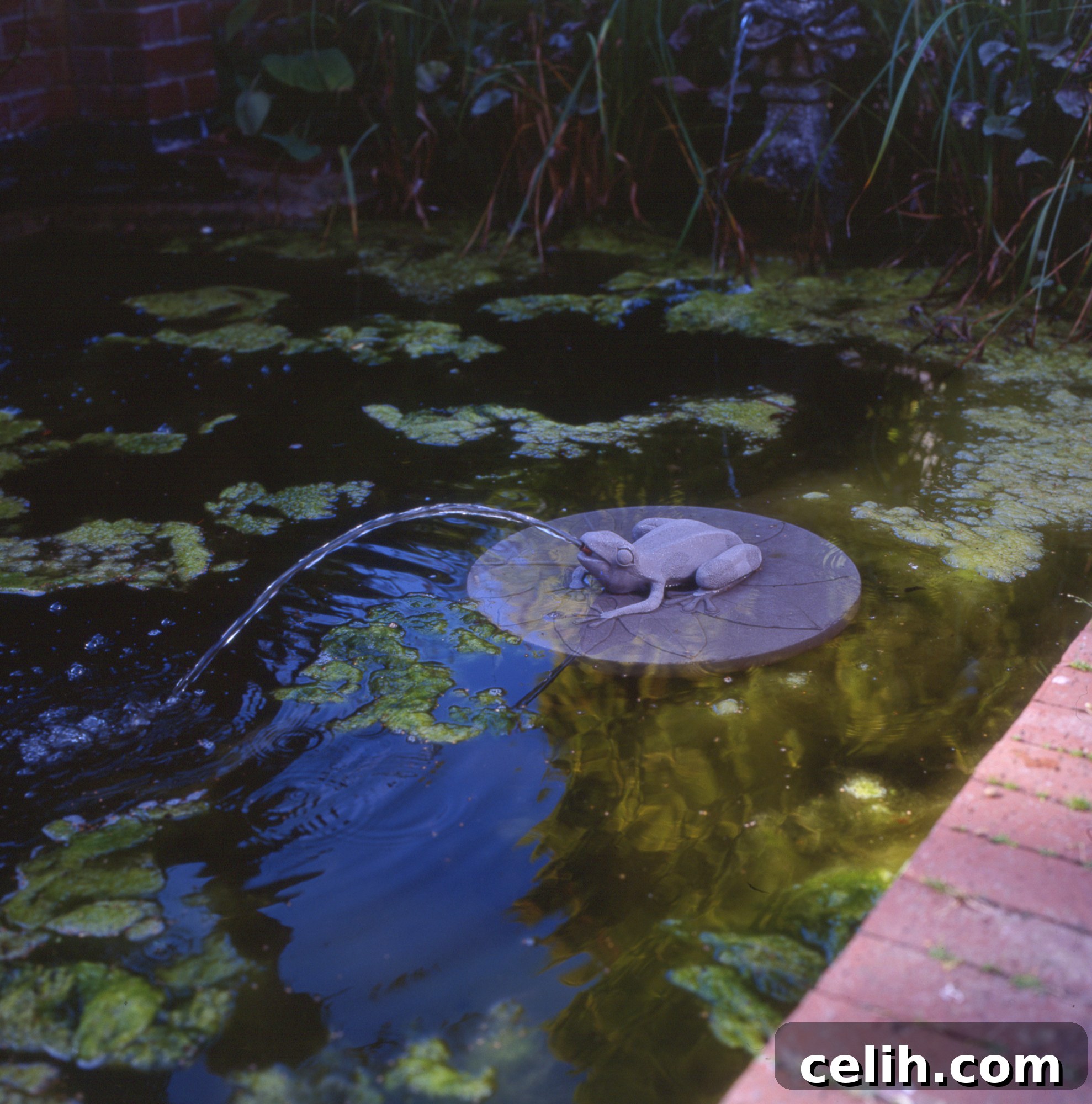
Brick offers a timeless and elegant solution for garden pond edging, providing a classic aesthetic that can range from traditional and formal to charmingly rustic. Similar to natural stone, brick is an incredibly versatile material that works well in almost any garden style. Bricks can be laid in a continuous pattern around the entire pond, creating a unified and polished look, or used selectively to define specific feature areas, such as a small waterfall or a designated planting zone. Their uniform size and shape make them ideal for creating precise, geometric edges, which are particularly suited for formal pond designs or integrated water features.
One of the significant advantages of brick edging is its ability to facilitate the creation of raised ponds or integrated seating areas. A raised brick pond adds architectural interest and can make the water feature more accessible, reducing the need for deep bending. By extending the brickwork, you can construct sturdy, attractive benches around the pond, inviting contemplation and relaxation. This not only enhances the pond’s functionality but also transforms it into a central gathering spot in your garden. Furthermore, bricks are readily available, often at an affordable price point, and can frequently be recycled from other landscaping or construction projects, making them an environmentally conscious and budget-friendly choice.
The variety of brick types available, including reclaimed bricks, new common bricks, and decorative facing bricks, allows for significant customization. Reclaimed bricks offer a weathered, antique charm that can instantly imbue your pond with a sense of history and character, perfect for cottage gardens or traditional settings. Newer bricks provide a more uniform and crisp appearance, ideal for contemporary or highly structured designs. When laying bricks, different patterns such as stretcher bond or header bond can create distinct visual textures. Ensuring proper mortar work and a solid foundation is crucial for the longevity and stability of your brick edge, preventing shifting and cracks over time. A well-built brick edge will not only contain your pond beautifully but also withstand the elements, offering enduring appeal and functionality for many years.
Wooden Garden Pond Edging
Wooden logs, sleepers, and decking offer a wonderfully natural and rustic aesthetic for garden pond edging, bringing warmth and organic texture to your water feature. This material choice is particularly effective for creating a woodland feel or complementing informal garden designs. Logs can be positioned horizontally, mimicking fallen timber along a natural stream bank, or vertically, creating a more structured yet still rustic border. While wood can be more challenging to adapt to intricate curves or perfectly round ponds compared to flexible materials, creative cuts and placements can still achieve stunning results, embracing the wood’s inherent form.
For those looking to create a more integrated outdoor living space around their pond, wooden decking is an exceptionally popular choice. Building a deck that extends to the water’s edge not only defines the pond but also provides a functional walkway or a charming seating area, transforming the pond into a focal point for relaxation and entertainment. Decking boards can be laid to create clean lines or gently curved pathways, offering versatility in design. When opting for wood, it’s essential to choose treated timber or naturally resistant woods like cedar or redwood to withstand constant exposure to moisture and prevent rot. Composite decking is another durable, low-maintenance alternative that offers the look of wood without the susceptibility to decay.
For a truly unique and eco-friendly pond edge, consider foraging for pieces of driftwood if you live near a coast or have access to suitable natural sources. Driftwood, with its weathered textures and unique shapes, can create an artistic and truly one-of-a-kind border that tells a story. Regardless of the type of wood selected, regular maintenance, such as sealing or staining, will help preserve its appearance and extend its lifespan. Wooden edging not only provides a beautiful visual boundary but can also attract certain wildlife, offering perching spots for birds or basking areas for amphibians, further enriching your garden’s biodiversity.
Trailing Plants for Pond Edging
Incorporating trailing plants as part of your garden pond edging is an excellent way to introduce natural softness, vibrant color, and vital ecological benefits to your water feature. Depending on your pond’s design and your desired aesthetic, these plants can beautifully cascade over hard edges, blurring the lines between the pond and the surrounding landscape. They add a dynamic layer of texture and visual interest, creating a lush, organic transition that instantly makes the pond feel more integrated and established. Beyond their aesthetic appeal, trailing plants provide invaluable shade for pond life, helping to keep water temperatures stable and reducing excessive algae growth by blocking sunlight.
Trailing plants can be integrated in several ways. For a naturalistic look, they can be planted directly in the soil along the pond’s perimeter, perhaps nestled amongst small rocks or gravel. This allows them to spread naturally, creating a verdant fringe. Alternatively, for more controlled designs or in areas where direct soil planting isn’t feasible, trailing plants can be housed in pots and strategically arranged around the pond’s edge. This method offers flexibility for seasonal changes and allows you to easily reposition plants for optimal effect or care. When choosing trailing plants, it’s crucial to select species that thrive in damp conditions near water, but also tolerate occasional dry spells, as not all trailing plants are suited for consistently moist environments.
Excellent trailing plant options that flourish around ponds include Lobelia, known for its vibrant blue or red flowers; Creeping Zinnia (Sanvitalia procumbens), offering bright yellow blooms; Marsh Marigold (Caltha palustris), a wetland native with cheerful yellow flowers; and Creeping Jenny (Lysimachia nummularia), famous for its bright chartreuse foliage that drapes gracefully. Other notable choices include Water Forget-Me-Nots (Myosotis scorpioides) for delicate blue flowers and Mazus (Mazus reptans) for a low-growing, mat-forming effect. These plants not only contribute to the visual beauty but also support biodiversity by attracting pollinators and providing cover for small creatures. Their root systems can also help stabilize the soil, preventing erosion at the pond’s edge. By choosing a variety of trailing plants, you can ensure continuous interest and ecological vitality throughout the growing season.
Bog Plants for Edging a Pond
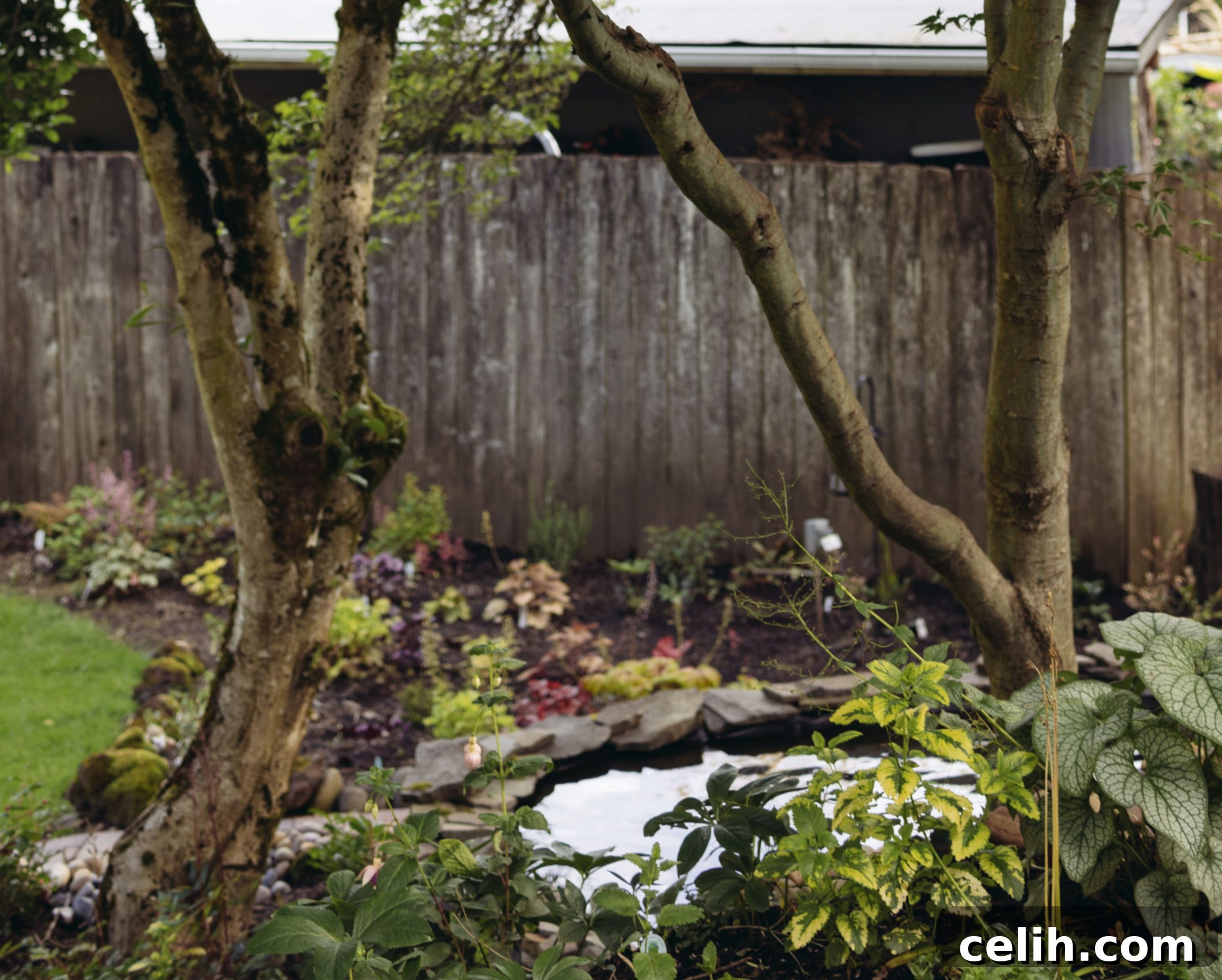
Bog plants are an exceptional choice for creating a dynamic and ecologically rich pond edge, particularly if you envision a naturalistic wildlife haven. Unlike typical garden plants, bog plants are specifically adapted to consistently damp, waterlogged conditions, making them ideally suited for the transitional zone around your pond. They can be integrated seamlessly with other edging methods, such as stones or wood, or utilized as the primary edging material to achieve a truly organic and soft border. The key to successful bog planting is ensuring they are positioned at ground level directly at the pond’s edge, where their roots can access constant moisture without being fully submerged in the deeper pond water.
Beyond their unique beauty, bog plants play a crucial role in the pond’s ecosystem. Their dense root systems help stabilize the soil, preventing erosion and keeping the pond water clear. They also act as natural filters, absorbing excess nutrients that could otherwise lead to algae blooms, thereby improving water quality. From a wildlife perspective, bog plants provide essential shelter, nesting sites, and foraging opportunities for a wide array of creatures, including frogs, newts, dragonflies, and various beneficial insects. Their diverse foliage and vibrant blooms add seasonal interest and attract pollinators, further boosting your garden’s biodiversity.
Consider a variety of bog plants to create a layered and textured edge. Irises, particularly Siberian and Louisiana irises, offer a spectacular burst of color when in bloom, with their sword-like foliage providing elegant vertical accents even when not flowering. Their leaves also offer excellent shade and cover for small animals seeking refuge from predators or harsh sun. Watercress (Nasturtium officinale) can create a lush, edible groundcover, while Canna Lilies bring a touch of tropical drama with their bold leaves and bright flowers. Other excellent choices for a natural pond edge include Heuchera (Coral Bells) for their diverse foliage colors, Hostas for their broad leaves and shade tolerance, various Fern species for delicate textures, and Alchemilla Mollis (Lady’s Mantle) for its charming, pleated leaves that hold dewdrops like jewels. By carefully selecting a mix of these plants, you can design a bog garden that not only finishes your pond beautifully but also transforms it into a thriving, self-sustaining micro-habitat.
Concrete Garden Pond Edging Ideas
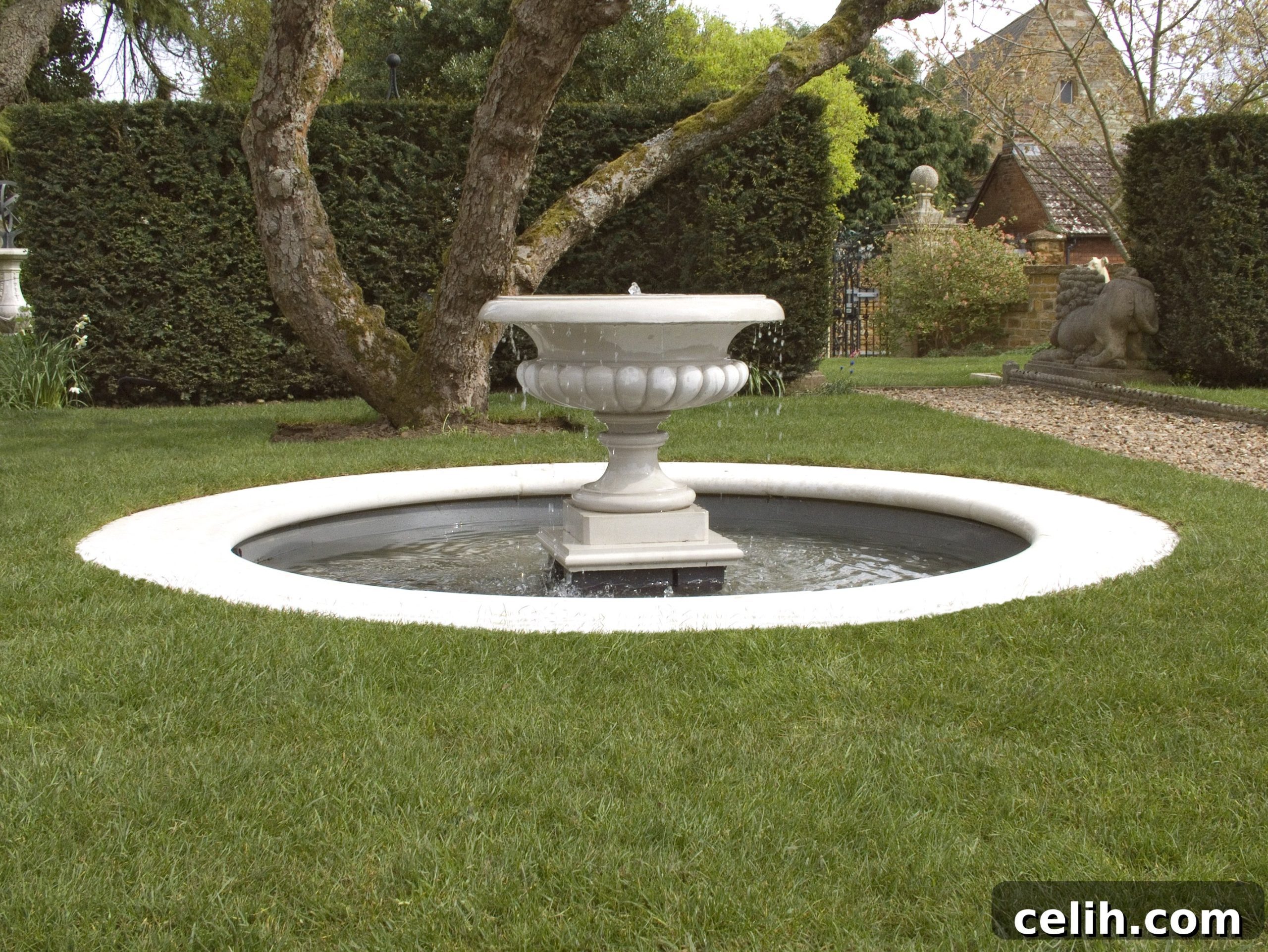
Concrete offers a powerful and versatile solution for garden pond edging, capable of delivering a remarkably neat, sleek, and highly customized finish. It is the material of choice for formal garden ponds or contemporary designs where crisp lines, geometric shapes, and a minimalist aesthetic are paramount. While often perceived as industrial, concrete can be transformed through various techniques to complement a wide range of styles. Its inherent strength and durability ensure a long-lasting, stable edge that can gracefully define your water feature for decades, standing up to the elements with minimal wear.
One of concrete’s greatest advantages is its ability to be molded into virtually any shape, allowing for bespoke designs that perfectly fit your vision, from sharp angles to sweeping curves. This flexibility is unmatched by many other materials. While the initial cost of professional concrete installation can be higher due to labor and materials, the result is a truly custom, seamless finish that requires very little maintenance once cured. It provides a solid, flat surface that can look strikingly dramatic against the vibrant green of a lawn or the varied textures of surrounding garden beds. For an added touch of sophistication, concrete can be stained, painted, or stamped to mimic natural stone, wood, or tile, offering endless possibilities for personalization without sacrificing durability.
Beyond its structural benefits, a concrete pond edge provides a clean and stable platform for decorative elements. Plant pots, sculptural art, modern lighting fixtures, or even a sleek water fountain can be effortlessly placed onto the smooth surface, creating an attractive and visually harmonious addition to your pond. Professional companies specializing in decorative concrete, such as Minneapolis Concrete Artisans, can craft exquisite concrete edging works, blending artistry with functionality to elevate the aesthetic appeal of your outdoor space. When considering concrete, ensure proper expansion joints are incorporated to prevent cracking due to temperature fluctuations, and consider sealing the concrete to enhance its longevity and protect its finish. While not the most natural choice, the clean lines and permanence of concrete can create a stunning and sophisticated pond landscape that acts as a true architectural feature.
Grass Edging for a Pond
For a truly natural and understated pond edge, simply allowing your lawn to meet the water is an appealing option, particularly if your pond is nestled within a grassy area of your garden. This approach embodies simplicity and can create an incredibly organic aesthetic, making the pond feel as if it has always been a part of the landscape. It’s the most cost-effective and straightforward option, as it requires no additional materials or complex installation. However, while seemingly simple, a pure grass edge comes with its own set of considerations, primarily related to maintenance and the integrity of the pond liner.
One of the main challenges of a grass edge is mowing. Without a clear buffer or physical barrier, operating a lawnmower close to the pond’s edge can be tricky, risking accidental damage to the liner or even clippings falling into the water, which can contribute to nutrient buildup and algae growth. To mitigate this, some homeowners create a small, shallow trench or use a plastic mowing strip buried just below ground level to separate the lawn from the pond, making mowing easier and safer. Alternatively, if you’re aiming for a completely natural and wildlife-friendly aesthetic, you can choose to let the grass grow longer in the immediate vicinity of the pond. This creates a soft, meadow-like transition that provides excellent cover for amphibians, insects, and small mammals, blurring the line between managed lawn and natural habitat.
A grass edge can also be beautifully combined with other edging materials to create a contrasting effect. For instance, a formal pond with a stone or concrete edge can be softened and highlighted by a meticulously manicured lawn leading up to it. The vivid green of the grass will make the structured edge stand out, enhancing the overall elegance of the design. Conversely, a pond with a naturalistic, informal shape can be framed by longer, wilder grasses, creating a seamless transition into a broader wildlife garden. When opting for a grass edge, it’s crucial to ensure the pond liner is adequately protected and concealed beneath the soil and turf, preventing exposure to sunlight which can degrade the material over time. Regular monitoring for erosion is also important, as heavy rainfall or foot traffic can wear down the soil around the edge, potentially exposing the liner. With careful planning and maintenance, a grass-edged pond can be a tranquil and visually appealing feature, promoting a harmonious blend of nature and design in your garden.
Choosing Your Perfect Pond Edging
With such a diverse array of garden pond edging ideas available, the task of selecting the “perfect” solution can seem daunting. However, by considering a few key factors, you can narrow down your options and choose an edge that perfectly complements your vision, lifestyle, and the unique characteristics of your garden. The ideal pond edge should not only be visually appealing but also functional, durable, and harmonious with its surroundings. Think about the overall style of your garden first: is it modern and minimalist, rustic and natural, or a classic, formal design? This will immediately guide your material choices.
Budget is another crucial consideration. Natural pebbles and grass are often the most cost-effective options, while custom concrete or intricate stonework may require a larger investment. Beyond initial costs, consider long-term maintenance. Paving tiles and concrete offer low upkeep, whereas wood may require periodic sealing or treatment. The primary purpose of your pond also plays a significant role. If you’re creating a wildlife haven, a gentle, sloping edge made from small stones, bog plants, or long grass will be more beneficial for creatures entering and exiting the water. For a formal ornamental pond, precise brickwork or sleek concrete might be preferred for their refined appearance and ease of integrating features like fountains.
Finally, consider the practical aspects of installation and safety. Some materials, like large boulders or complex brick patterns, might require professional help, while simple pebble or grass edges can be a rewarding DIY project. Ensure any chosen material with sharp edges is either smoothed or carefully positioned away from the liner to prevent damage. With these considerations in mind, you can confidently explore the possibilities, combine different elements, and truly unleash your creativity. The right garden pond edging will transform your water feature from a simple basin into a cherished landscape masterpiece, providing endless beauty and tranquility for years to come.
Pin it!