
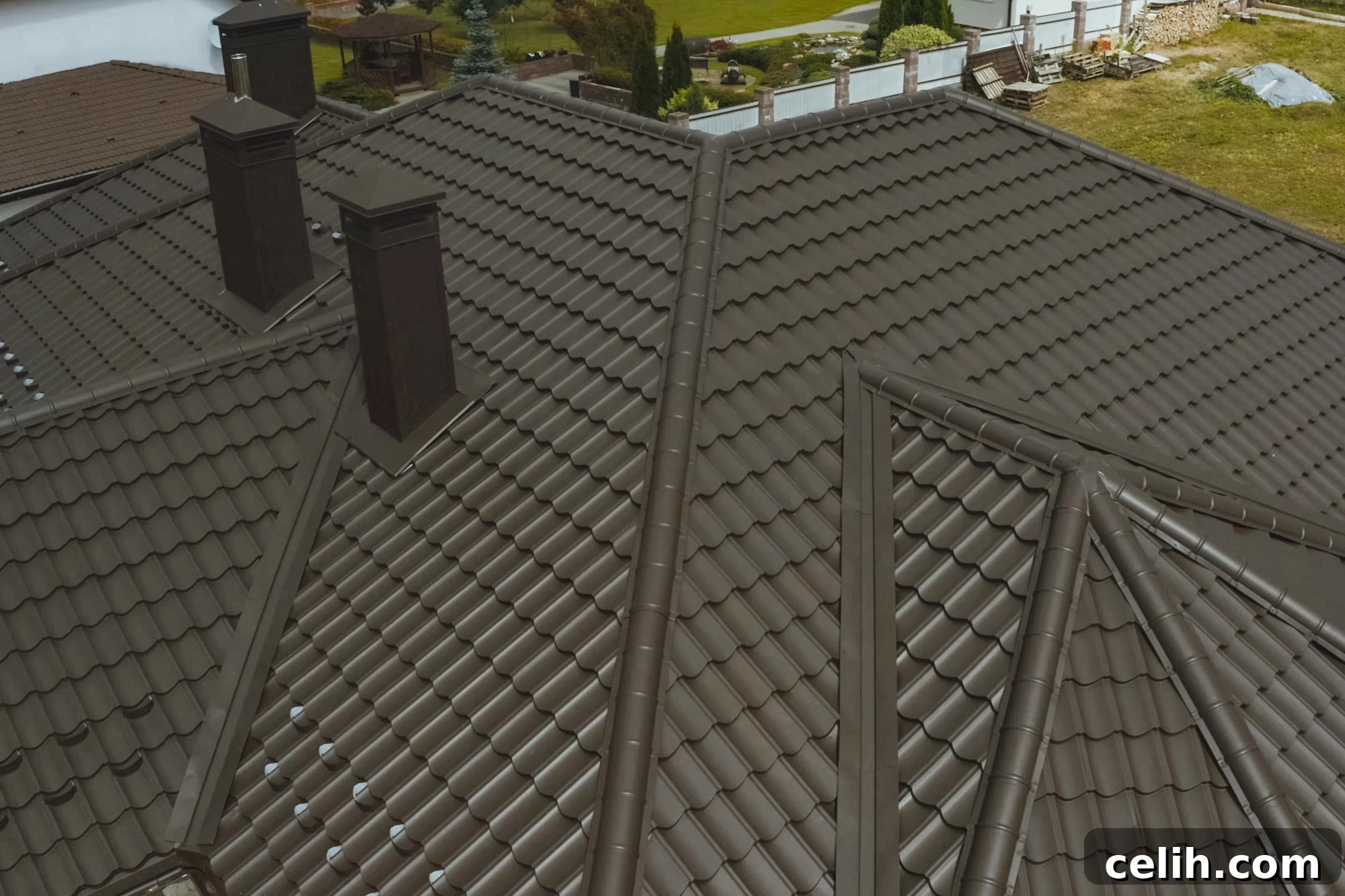
Mastering Complex Roof Shapes: Expert Strategies for Repair and Maintenance
The roof stands as a paramount feature of any building, embodying both its aesthetic appeal and its structural integrity. However, managing the intricacies of complex roof shapes and sophisticated designs presents a unique set of challenges for even the most experienced roofing companies. From the graceful curves of modern architecture to the steep pitches and multi-faceted contours of traditional styles, addressing these complexities demands meticulous planning, specialized techniques, and flawless execution. This comprehensive guide will investigate how top-tier roofing professionals adeptly navigate the difficulties associated with repairing and maintaining roofs featuring complex shapes and intricate designs, ultimately ensuring both enduring durability and visual harmony for homeowners and commercial property managers alike. We’ll delve into the strategies that transform potential headaches into stunning, long-lasting roofing solutions.
Decoding the Challenges of Complex Roof Shapes and Designs
Intricate roof shapes inherently introduce a diverse array of challenges that necessitate specialized approaches and a deep understanding of structural dynamics. Features such as multiple intersecting slopes, varying angles, dramatic changes in elevation, and intricate curves make any roof repair or maintenance task significantly more labor-intensive and demand an exceptionally precise level of craftsmanship. For instance, valleys, hips, and dormer intersections between different roof sections are inherently vulnerable points, highly prone to water penetration and leaks if not meticulously sealed and consistently maintained. These areas accumulate debris and funnel large volumes of water, making proper design and installation absolutely critical.
Furthermore, roofs with unconventional designs, particularly those with historical significance or bespoke architectural elements, often require custom-fabricated materials or bespoke fittings. This not only increases the overall cost but also extends the time required for sourcing, manufacturing, and installing these specialized components. Beyond the direct repair, complex designs can also lead to increased material waste during installation, greater challenges with ventilation, and unique thermal expansion considerations. Recognizing and thoroughly understanding these inherent challenges is the foundational first step in developing effective, long-term strategies to address them, thereby ensuring that the roof remains robustly functional, aesthetically pleasing, and a resilient guardian against the elements.
1. Meticulous Planning and Comprehensive Assessment for Complex Roof Repair
When tackling repairs on complex roof designs, thorough planning and a comprehensive assessment are not just crucial, they are absolutely paramount. Expert roofing companies typically initiate the process by conducting a highly detailed inspection, employing a combination of visual analysis, advanced drone technology for inaccessible areas, and even thermal imaging to identify hidden moisture intrusion or insulation deficiencies. This multi-faceted approach helps to precisely pinpoint problem areas, evaluate the structure’s overall condition, and understand the intricate nuances of the roof’s unique characteristics, such as its specific pitch, the types of materials used, the existing drainage systems, and the underlying structural framework.
Accurate measurements, detailed CAD drawings, and thorough structural assessments guide the development of a tailored and highly precise repair plan. This ensures that every single aspect of the project, from material procurement to scaffolding placement and workforce deployment, is meticulously accounted for. By investing significant time and resources into this initial planning and assessment phase, roofing companies can effectively minimize unexpected challenges during execution, mitigate potential costly delays, optimize resource allocation, and streamline the entire repair process, ultimately leading to superior outcomes and greater client satisfaction.
2. Selecting Optimal Materials for Complex Roof Installations
The judicious selection of materials plays a genuinely pivotal role in successfully managing repairs and new installations on complex roof shapes. The chosen materials must not only be exceptionally durable and compatible with the existing structural integrity but also possess the unique properties required to handle the specific demands imposed by the intricate design. For instance, highly flexible materials like standing seam metal roofing or advanced synthetic membranes are frequently the preferred choice for curved, domed, or rounded roof sections, offering both adaptability and superior waterproofing capabilities.
Conversely, areas with extremely steep slopes or challenging angles may necessitate materials known for their excellent water-shedding properties and resistance to high winds, such as natural slate, robust architectural asphalt shingles, or durable cedar shakes. Professional roofing contractors often collaborate closely with specialized manufacturers to source or custom-fabricate materials that ensure a perfect, seamless fit for truly unique roof designs. This careful material selection process is critical for enhancing both the long-term functionality and the aesthetic longevity of the entire roofing system, providing maximum protection and curb appeal.
3. Advanced Drainage and Water Management Solutions
Effective water management and robust drainage systems are absolutely critical for complex roof designs, as any failure in this area can lead to severe issues such as persistent leaks, destructive water pooling, accelerated material degradation, and significant structural damage. Leading roofing companies address these challenges by meticulously designing and installing bespoke drainage systems that are precisely tailored to the roof’s intricate layout and local climate conditions. Highly skilled professionals, often including those with a reputation for precision and craftsmanship like Amish roofers, ensure that all gutters, downspouts, scuppers, and flashing are strategically positioned and expertly installed to effectively channel water away from vulnerable areas, protecting the building envelope.
For roofs featuring multiple slopes, valleys, dormers, or parapet walls, installing additional drainage channels, internal gutter systems, specialized waterproof membranes, and high-performance ice and water shields can provide crucial layers of extra protection. Implementing robust overflow systems and ensuring proper pitch in all valleys are also key considerations. By prioritizing and implementing advanced drainage solutions, roofing professionals not only safeguard the entire structure against pervasive water-related issues but also significantly extend its functional lifespan, preventing costly future repairs and maintaining the building’s integrity.
4. Prioritizing Safety in Complex Roof Repair and Maintenance
Repairing and maintaining complex roof shapes frequently involves navigating extremely steep pitches, working at significant elevations, and maneuvering around challenging angles and precarious surfaces. In such environments, prioritizing safety is not merely a regulation but an absolute imperative. Reputable roofing companies implement rigorous, industry-leading safety protocols to stringently protect their workers and minimize potential risks. This encompasses the mandatory use of specialized safety equipment, including comprehensive personal fall arrest systems, sturdy harnesses, life ropes, secure anchor points, and robust scaffolding or elevated work platforms to ensure stability and accessibility during all phases of repair.
Furthermore, extensive and ongoing safety training, coupled with strict adherence to OSHA (Occupational Safety and Health Administration) guidelines and local safety regulations, is fundamental in reducing the likelihood of accidents or injuries. Regular site safety briefings, equipment inspections, and the presence of a designated safety officer are standard practices. By establishing and enforcing a culture of paramount safety, roofing companies not only protect their invaluable teams but also ensure that all roof repair projects are completed efficiently, to the highest quality standards, and without incident, fostering trust and professionalism.
5. Crafting Custom Solutions for Unique Architectural Features
Buildings often feature unique architectural elements such as turrets, cupolas, dormers, skylights, intricate gables, and decorative cornices, all of which demand bespoke, custom solutions during roof repair and maintenance. These distinctive elements frequently involve intricate detailing, specialized craftsmanship, and precise integration with the surrounding roof structure and overall building design. Leading roofing companies collaborate closely with architects, heritage consultants, and designers to develop repair strategies that meticulously preserve the original aesthetic integrity and historical accuracy while simultaneously addressing all functional and structural needs. This collaboration ensures that the spirit of the original design is maintained.
For example, specialized flashing techniques, custom-fabricated metalwork, or precisely custom-cut materials may be necessary to create seamless, watertight transitions around these elaborate features. Replicating historical details or integrating modern skylights into an older, complex roof requires an artisan’s touch and deep expertise. By maintaining a sharp focus on these tailored solutions, roofing professionals ensure that they not only restore the functionality but also uphold the distinct beauty and architectural significance of these one-of-a-kind roof designs, making the roof a true crown jewel of the property.
6. Harmonizing Aesthetics and Long-Term Functionality
A truly successful roof repair project, especially for a complex design, must achieve a delicate and sophisticated balance between preserving the roof’s aesthetics and ensuring its long-term functionality. Esteemed roofing companies understand that repairs must not only resolve structural issues and prevent leaks but also meticulously maintain and enhance the visual harmony and architectural intent of the original design. This often involves careful consideration and selection of materials, colors, textures, and finishes that perfectly match or complement the existing roof, ensuring a cohesive and integrated appearance.
Acute attention to detail in every aspect of the repair – from the precise alignment of edges and ridges to the flawless sealing of intersections and valleys – is crucial for achieving a cohesive and professional appearance. This dedication ensures that the repaired sections blend seamlessly with the older parts of the roof, avoiding a disjointed look. By skillfully combining profound technical expertise with an experienced eye for design, roofing professionals deliver repairs that significantly enhance both the practical performance and the enduring beauty of the roof, adding substantial value and curb appeal to the property.
7. Embracing Advanced Technological Innovations in Roofing
Modern technology plays an increasingly significant and transformative role in efficiently managing complex roof repairs and installations. State-of-the-art tools such as high-resolution drones equipped with thermal and optical cameras enable specialized roofing companies to conduct comprehensive inspections of hard-to-reach areas, precisely identify damage, and accurately create detailed 3D models and digital plans. Building Information Modeling (BIM) software allows for pre-visualization of projects, precise material calculations, and clash detection, significantly reducing errors.
Furthermore, advanced materials, including self-healing membranes, highly reflective cool coatings, solar-integrated shingles, and smart roofing systems equipped with sensors for moisture detection or temperature regulation, provide innovative and sustainable solutions for unique challenges. Robotics and automated equipment are also emerging for certain installation tasks. By proactively embracing and integrating these technological advancements, roofing companies can dramatically improve project efficiency, reduce labor costs, enhance worker safety, and achieve superior, more durable results. Staying continually up-to-date with these rapid developments ensures that they are optimally equipped to handle even the most intricate and demanding roof designs with unparalleled effectiveness and foresight.
8. Understanding Cost Considerations for Complex Roof Repairs
The financial investment required for repairing complex roof shapes can vary quite significantly, contingent upon factors such as the design’s intricacy, the specific types of materials chosen, the specialized labor requirements, and the logistical challenges involved. Reputable roofing companies provide detailed, transparent estimates that meticulously break down expenses for each aspect of the project. This helps homeowners and property managers to thoroughly understand the financial implications, including costs for specialized equipment rental, custom material fabrication, engineering fees, and permits.
While these complex repairs often involve higher initial costs compared to standard, straightforward roofs, investing in quality workmanship, superior materials, and experienced professionals ensures long-term value and mitigates the risk of recurring issues. The durability and extended lifespan provided by expert repair often result in a significant return on investment over time. Proper budgeting, clear communication with the chosen contractor, and a thorough understanding of the warranty coverage are essential steps for homeowners to make informed decisions and achieve the desired, high-quality outcomes without encountering unexpected expenses or hidden fees.
9. The Invaluable Role of Experience in Complex Roofing Projects
Effectively managing repairs and installations for complex roof designs demands more than just technical skill; it requires an invaluable depth of practical experience. Roofing companies with a proven, extensive track record in successfully handling intricate projects bring a wealth of valuable insights, adaptive problem-solving capabilities, and a refined understanding of unique structural behaviors. Their seasoned ability to anticipate potential challenges, devise creative solutions, and adapt seamlessly to unforeseen circumstances is often the critical determinant of a project’s ultimate success and longevity.
Homeowners and property developers significantly benefit from partnering with experienced professionals who possess the expertise to navigate the multifaceted complexities of these specialized designs. These experts can ensure the delivery of durable, aesthetically pleasing results that stand the test of time and weather. This profound expertise extends beyond mere installation; it encompasses efficient project management, established supplier networks for custom materials, robust quality assurance processes, and an unwavering commitment to customer satisfaction. This added layer of confidence and peace of mind is truly invaluable throughout the entire complex roof repair or installation process, making experience the cornerstone of exceptional results.
Final Thoughts: Ensuring Excellence for Intricate Roofing
In conclusion, roofing companies play an absolutely vital and indispensable role in expertly managing the myriad challenges posed by complex roof shapes and intricate designs. Through a combination of meticulous planning, strategic material selection, innovative engineering solutions, stringent safety protocols, and a commitment to aesthetic excellence, these professionals ensure that repairs and new installations are not only robustly functional but also visually harmonious and architecturally authentic. By proactively addressing critical issues such as advanced drainage, worker safety, custom architectural details, and leveraging cutting-edge technology, specialized roofing professionals tirelessly preserve the structural integrity and inherent beauty of these intricate structures.
Investing in skilled craftsmanship, partnering with experienced companies, and embracing advanced techniques ensures that even the most complex and demanding roofs remain durable, secure, and visually appealing for many decades to come. The enduring beauty and reliable performance of a well-maintained complex roof are a testament to the expertise and dedication of the roofing specialists who master these formidable challenges.