
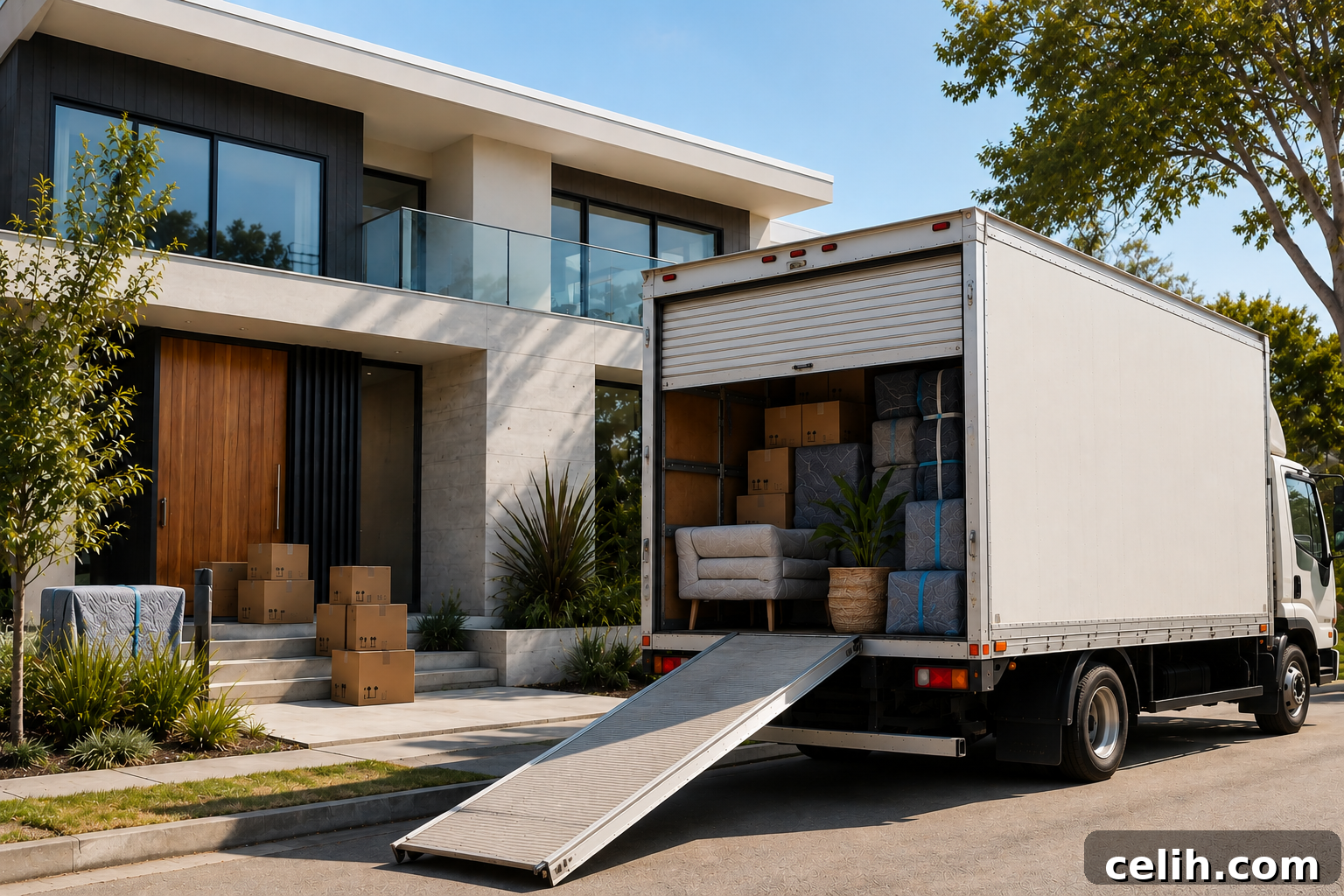
Contemporary furniture often becomes the centerpiece of a modern home. With clean lines, mixed materials, and minimalist forms, these pieces are both a style statement and a daily comfort. Moving them across long distances, however, requires more than simply carrying them out the door. Relocating is mentally and physically demanding, and concerns about damaging a designer sofa, modular shelving, or a glass dining table add extra stress. That anxiety can make the entire process feel overwhelming.
The Logistics of Long-Distance Furniture Transport
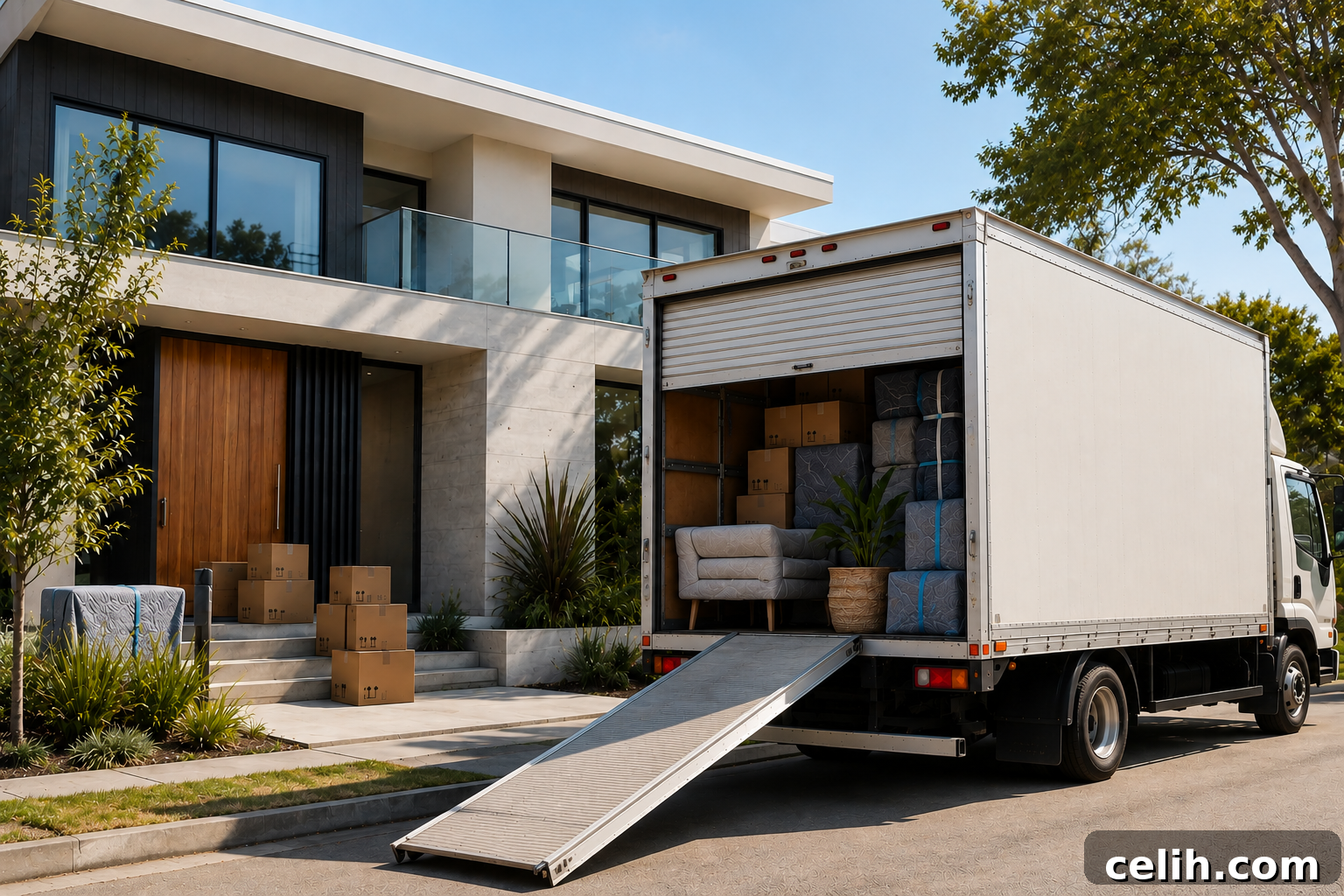
Interstate moves involve extended travel times, changing road conditions, and multiple handling stages, all of which increase the risk to modern furniture. Unlike heavier, traditional wooden pieces that may tolerate a few knocks, contemporary designs often include delicate joints, cantilevered metal frames, and fragile veneers that demand specialised handling.
For cross-country moves, hiring experienced professionals is usually the safest option. Professional removalists bring heavy-duty equipment, custom crating options, and the spatial experience needed to handle complex items correctly. This expert support protects your modern pieces during transit and lets you focus on other important aspects of the move.
Essential Packing Strategies for Modern Pieces

Even when using professionals, knowing the right packing techniques helps ensure your furniture arrives intact. Contemporary pieces need particular protection to avoid scratches, dents, and structural damage during loading and unloading.
Key packing strategies include:
- Disassemble modular units: Break down sectionals and shelving systems before moving. Wrap each piece separately to prevent abrasion and to reduce shipment size.
- Protect glass and stone surfaces: Wrap tabletops and stone pieces in thick moving blankets, use rigid corner protectors, and label packages as fragile for careful handling.
- Shield leather and velvet: Avoid applying plastic directly to sensitive upholstery; use breathable cotton sheets first, then an outer protective layer to prevent condensation and fabric damage.
- Secure moving parts: Lock or zip-tie mechanisms on recliners, extending tables, and adjustable desks so they cannot open or shift during transit.
Mapping Out Your New Space
Protecting furniture goes beyond transport: planning where items will be placed on arrival prevents unnecessary heavy lifting and reduces the chance of damage to floors and furnishings. Deciding layouts only after the removal truck arrives often leads to repeated moves of heavy items and increases risk.
Before moving day, measure your new home and plan the interior layout carefully. Clear instructions for the removal team about where to place large items on the first attempt will save time and minimise handling. Reviewing practical space-planning tips can help you recreate a familiar, comfortable arrangement in your new home while ensuring a smooth transition for your existing pieces.
Acclimatising Timber and Upholstery in a New Climate

Relocating between different climate zones—common in interstate moves—can stress timber and upholstered furniture. Rapid changes in humidity or temperature may cause solid wood to warp or crack if it doesn’t acclimatise gradually. After moving, avoid positioning wooden pieces or delicate upholstery directly in front of air-conditioning vents, heaters, or in intense direct sunlight.
Maintain a stable indoor environment for the first few weeks to allow materials to settle. Consider applying a suitable wax to timber finishes or a recommended conditioner to leather to help them adjust to new humidity levels and protect finishes during the transition.
Moving a household filled with contemporary furniture requires thoughtful planning, correct packing methods, and dependable logistical support. Preparing items correctly and relying on experienced professionals reduces the risk of damage and ensures your pieces arrive ready to enhance your new home.
Related Posts
How to Pack China Like a Pro When Moving House
Essential Tips to Pack Artwork Safely