
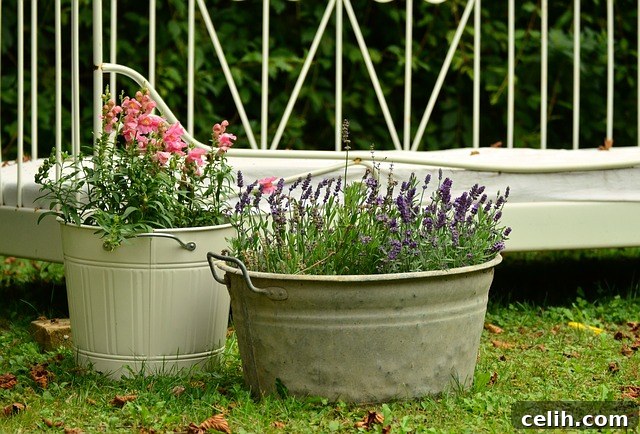
Transforming even the most confined outdoor areas into lush, vibrant green spaces is now more accessible and exciting than ever before. For those with limited space, such as balconies, patios, or even just a windowsill, container gardening offers a versatile and rewarding solution. What was once a simple practice of planting a few flowers in a basic terracotta pot has evolved into a captivating art form, fueled by the growing trends of recycling and upcycling. This innovative approach elevates container gardening beyond the ordinary, inviting gardeners to unleash their creativity and craft truly unique displays that not only beautify their surroundings but also contribute to a more sustainable lifestyle.
The modern era of container gardening encourages a departure from conventional pots, challenging us to look at everyday objects with a fresh perspective. It’s time to infuse your outdoor decor with personality, utilizing an imaginative array of unusual containers, experimenting with bold colors and varied textures, playing with different sizes, and making diverse plant choices. This guide will help you embark on your own journey into the world of creative, upcycled container gardening, offering a wealth of ideas to inspire your next project.
Embracing the Upcycled Container Garden Revolution
Upcycled container gardening isn’t just a trend; it’s a movement towards sustainability and personalized outdoor living. By repurposing items that would otherwise end up in landfills, you’re not only reducing waste but also creating a garden that is authentically yours. This approach is incredibly budget-friendly, often utilizing materials you already own or can acquire for free. Moreover, it allows for unparalleled artistic expression, turning mundane objects into captivating focal points within your garden or patio.
The Art of Choosing Your Unique Containers
The beauty of upcycling lies in its boundless possibilities. When selecting an item to transform into a planter, your primary considerations should be its outdoor durability and its ability to hold soil effectively. Will it withstand varying weather conditions, from scorching sun to heavy rain? And can it provide a stable environment for your plants? Once these basic criteria are met, the sky’s the limit for your creativity.
Imagine an old filing cabinet, given a new lease on life with a vibrant coat of spray paint, serving as a multi-tiered planter box. Its open drawers are perfect for cascading plants like lobelia and fuchsias, creating a striking vertical display. The transformation of such an industrial item into a horticultural masterpiece is truly remarkable.
Another excellent candidate for repurposing is an old, weathered chest of drawers. While it may no longer serve its original purpose indoors, its drawers can be individually removed, treated with yacht varnish for weather protection, and transformed into ideal raised vegetable beds. The varying depths of the drawers can accommodate different types of plants, from shallow-rooted herbs to deeper-rooted carrots. Other innovative suggestions include large antique metal watering cans, sturdy stock drinking troughs, classic terracotta chimney pots, and even colorful kitchen mixing bowls. Each item, with its unique shape and history, adds character and a story to your garden.
Preparing Your Upcycled Planters for Success
Proper preparation is crucial for the health of your plants. One of the most important aspects is drainage. Depending on the material, you may be able to drill drainage holes in the bottom of your chosen container. For items where drilling isn’t feasible or safe, such as antique ceramics or certain plastics, you can create an effective drainage layer. Start by adding a thick base layer of stone chippings, broken terracotta pot pieces, coarse gravel, or even packing peanuts. This layer prevents soil from becoming waterlogged, allowing excess water to escape and roots to breathe. Without adequate drainage, plant roots can rot, leading to plant death.
Conversely, some upcycled containers, like an old enamel colander, might be too perforated. In such cases, the challenge is to retain moisture. A simple yet effective solution is to line the container with a layer of sphagnum moss or coconut fiber. This natural lining helps to keep the soil and moisture in place while still allowing for some air circulation, mimicking the conditions of a hanging basket.
Consider the material of your container. Wooden items, like wine boxes or old pallets, will benefit greatly from a coat of weather-resistant paint or sealant to prevent rot. Metal containers, unless specifically designed for outdoor use, might rust over time, which can be an aesthetic choice for a rustic look or mitigated with rust-resistant paint. Plastic items are often naturally durable but might need cleaning and possibly painting to enhance their appearance. Always ensure that any previous contents of the container were non-toxic, especially if you plan to grow edibles.
Other imaginative container ideas include old tires (painted brightly and stacked), vintage bathtubs or sinks (excellent for miniature water gardens or large displays), discarded toolboxes, and even classic red wagons. Each offers a unique canvas for your planting endeavors.
Cultivating Life: Choosing Plants for Your Upcycled Planters
Once your unique containers are ready, it’s time for the exciting part: selecting the plants. Many plants thrive in containers, some even preferring the confined space. When designing your container arrangements, consider the “thriller, filler, spiller” concept. A “thriller” is a tall, dramatic plant that provides a vertical element, often placed in the center or back. “Fillers” are mid-height plants that add volume and texture around the thriller. “Spillers” are trailing plants that cascade over the sides of the container, softening its edges and creating a lush, abundant look.
For a stunning visual contrast, arrange your containers in a tiered fashion, placing larger plants and containers at the back to create depth. Climbing plants, such as clematis or morning glories, are excellent choices for containers, but they will require a trellis or support structure. You can extend your upcycling creativity here too: an old umbrella frame, a discarded walking stick, or even lengths of rebar can be repurposed as unique trellises. Incorporate architectural evergreens like maidenhair fern, Korean feather reed grass, or dwarf conifers to provide year-round structure and texture. These can be complemented by a rotating display of vibrant, easy-to-replace annuals and bedding plants for seasonal bursts of color.
Don’t limit your container garden to just flowers. Mixing containers of fresh vegetables like tomatoes, rocket, and various lettuces with your ornamental plants creates a visually appealing and edible feast. Herbs such as basil, rosemary, thyme, and mint also thrive in containers and offer both beauty and culinary delight. Consider dwarf fruit varieties like strawberries or compact blueberries for a rewarding harvest in small spaces. Succulents and cacti can also create stunning, low-maintenance displays in appropriately shallow or well-drained containers.
The Dynamic Garden: Benefits of Mobile Containers
Imagine a garden that adapts to your mood, the weather, and your entertaining needs. Mobile containers offer this incredible flexibility. Fixing wheels to crates, using commercially available wheeled plant stands, or even repurposing old wheelbarrows or well-cleaned shopping trolleys allows you to effortlessly reposition your plants. This means you can move sun-loving plants into prime sunlight, shelter delicate specimens from harsh winds or frost, or rearrange your garden layout for an outdoor party. The ability to ‘dress’ different areas of your garden on a whim adds an exciting, dynamic dimension to your outdoor space.
For larger, heavier containers like half-barrels or deep troughs, sturdy casters can be attached to the base. For smaller, lighter pots, simple wheeled caddies from garden centers work perfectly. Old dollies or hand trucks can also be creatively adapted to serve as mobile plant stands, adding a touch of industrial chic to your setup. This mobility ensures that your plants always get the light they need, and your garden always looks its best, no matter the occasion.
Tailoring Your Green Space: Specialized Container Gardens
One of the true joys of container gardening is the ability to create dozens of miniature, specialized plots within your main garden. This allows for incredible customization and thematic gardening.
- Pollinator Havens: Dedicate containers to attracting beneficial insects like bees and butterflies. Plant species such as lavender, coneflowers (Echinacea), salvia, verbena, and cosmos. These vibrant plants not only enhance biodiversity but also add lively movement to your garden.
- Edible Delights: Create herb gardens with easy access from your kitchen door. Grow a variety of culinary herbs like parsley, cilantro, oregano, and chives. You can also establish “salad bowls” with mixed lettuces, spinach, and radishes for a constant supply of fresh greens.
- Sensory Gardens: Design containers with plants that engage all five senses. Choose fragrant plants like jasmine, scented geraniums, or sweet alyssum for their aroma. Include plants with interesting textures such as lamb’s ear or ornamental grasses that rustle in the breeze.
- Pest-Deterrent Zones: Strategically place containers of mint, lemon balm, and citronella near your outdoor eating areas to help naturally repel insects. Marigolds are known to deter nematodes and other garden pests, making them a practical and pretty addition.
- Seasonal Displays: Easily swap out plants to reflect the changing seasons. Spring bulbs can be replaced by summer annuals, which then give way to autumn mums and ornamental cabbages, ensuring year-round interest.
- Family & Mood Gardens: Allocate a container to each family member, allowing them to choose and care for their own plants. Or, design containers based on a specific color scheme or mood – a calming all-white garden, or a fiery red and orange display.
Essential Care Tips for Thriving Container Gardens
To ensure your upcycled container garden flourishes, consistent care is essential. Plants in containers often require more frequent watering than those in the ground because their root systems are confined and the soil dries out faster, especially in smaller containers or during hot, windy weather. Check the soil moisture daily by sticking your finger about an inch deep; water if it feels dry.
Nutrients in potting mix are gradually depleted over time. Therefore, regular feeding with a balanced liquid fertilizer is crucial, typically every two to four weeks during the growing season. Deadheading spent blooms will encourage more flowering, and occasional pruning will help maintain plant shape and vigor. Keep an eye out for pests and diseases, addressing any issues promptly with organic solutions when possible. Finally, consider repotting plants into larger containers or refreshing the soil every one to two years to provide them with renewed nutrients and space for root growth.
Unlock Your Creativity: The Joy of Upcycled Container Gardening
Upcycled container gardening offers a wonderful opportunity to express your individuality, embrace sustainable practices, and create a truly unique outdoor space. It’s a testament to the idea that beauty and functionality can be found in the most unexpected places. By rethinking what constitutes a “pot” and experimenting with various plants, you can cultivate a thriving, personal oasis that is as eco-friendly as it is aesthetically pleasing. So, gather your repurposed treasures, get your hands dirty, and let your imagination blossom into a magnificent, one-of-a-kind garden.
(All images: Pixabay)