
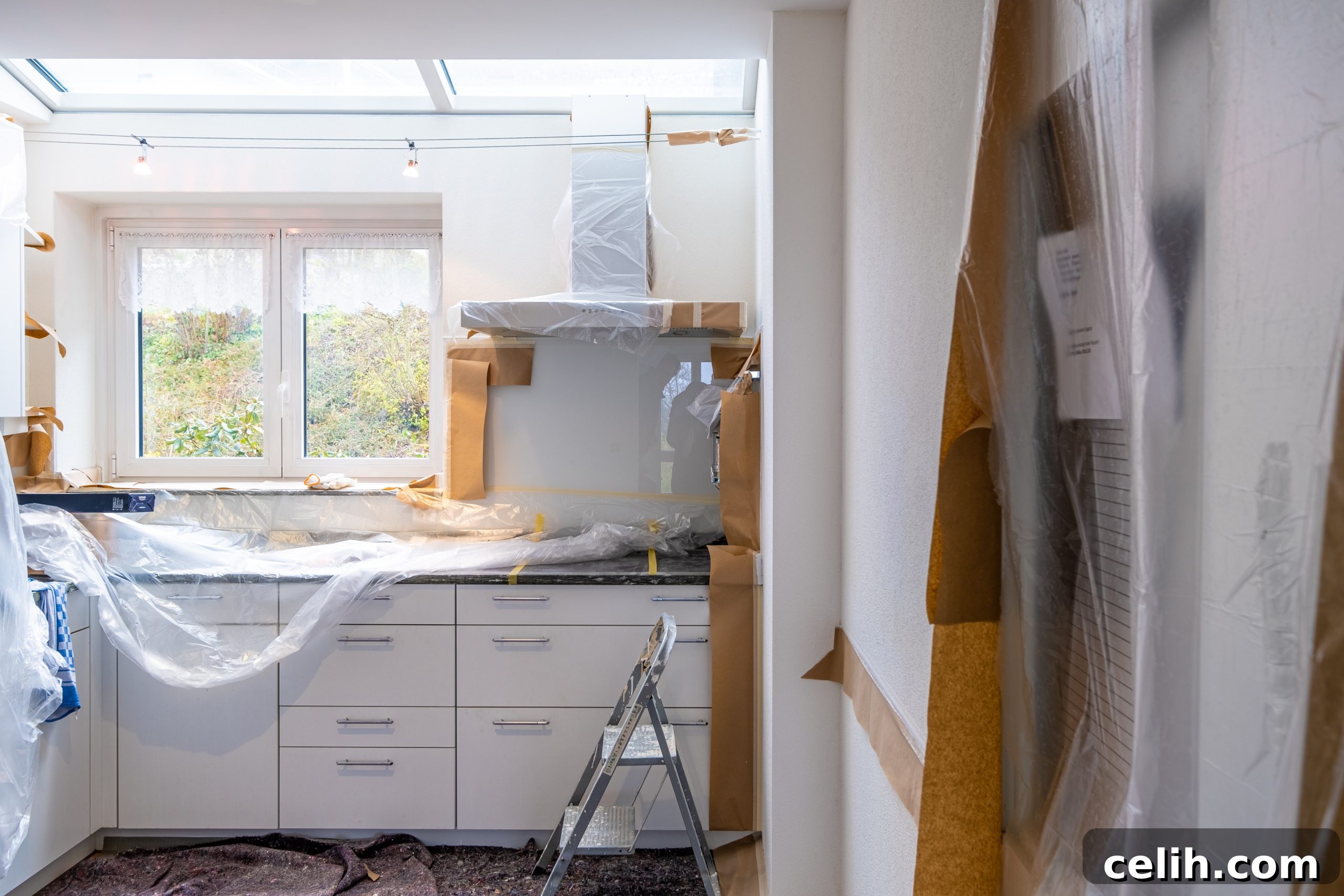
Embarking on a home renovation project is an exciting journey, filled with visions of fresh paint, modern layouts, and enhanced living spaces. Yet, amidst the myriad decisions about aesthetics and functionality, one crucial element often gets overlooked: your home’s heating, ventilation, and air conditioning (HVAC) system. Neglecting your HVAC during renovations can lead to a host of unexpected problems, from diminished indoor air quality and inefficient operation to costly repairs and premature system failure. Proactive HVAC maintenance isn’t just a suggestion; it’s an essential step to ensure your newly transformed home remains comfortable, healthy, and energy-efficient long after the dust settles. Prioritizing your HVAC system during this period is an investment in your home’s long-term comfort and the lifespan of your critical climate control infrastructure.
The Profound Impact of Home Renovations on HVAC Systems
Home renovation projects, regardless of their scale, inherently alter your home’s thermal dynamics and air distribution requirements, placing new demands on your existing HVAC system. Most HVAC systems are precisely sized and installed to meet the specific heating and cooling load of a home at the time of construction. When you make significant changes, such as expanding square footage, reconfiguring room layouts, or upgrading insulation, you fundamentally change this original load calculation. Without proper adjustments or professional oversight, your HVAC system may struggle to effectively heat or cool your home, leading to inconsistent temperatures, excessive energy consumption, and undue wear and tear on components.
Common Renovation Activities That Can Affect HVAC Systems
Several common renovation activities, seemingly unrelated to your heating and cooling, can significantly impact your HVAC system’s performance and efficiency:
- Wall Removal or Construction: Altering interior walls changes airflow patterns, potentially creating hot or cold spots and requiring ductwork modifications.
- Installing New Windows or Doors: Upgraded windows and doors improve insulation, reducing heat transfer and changing the overall thermal load your HVAC needs to manage.
- Flooring Installation: Sawdust and fine particles generated during flooring projects can easily infiltrate and clog air filters and ductwork.
- Adding Insulation: Enhancing your home’s insulation envelope significantly reduces heating and cooling demands, potentially necessitating a system re-evaluation.
- Painting: Paint fumes and volatile organic compounds (VOCs) can be drawn into the HVAC system, circulating unpleasant odors and impacting indoor air quality.
- Kitchen or Bathroom Renovations: These often involve rerouting plumbing or electrical, which can inadvertently damage or obstruct existing ductwork and vents.
- Building an Extension or a Swimming Pool: Major additions like these drastically increase the conditioned space or humidity load, often requiring a complete HVAC system upgrade or addition.
Potential Issues and Challenges That May Arise During Renovations
Navigating a home renovation brings its own set of challenges, and HVAC-related issues are often among the most insidious. One common problem arises from a failure to adequately re-evaluate the HVAC system’s capacity in light of the new home layout or size. An undersized system will constantly run, failing to reach desired temperatures and driving up energy bills, while an oversized system can lead to short-cycling and inadequate dehumidification. Additionally, construction debris can damage exposed components, and altered load calculations without corresponding system adjustments can lead to premature wear, frequent breakdowns, and even voided warranties. Coordinating with contractors to protect your system from physical damage or dust contamination is also paramount to prevent unforeseen expenses and operational inefficiencies.
The Undeniable Benefits of HVAC System Maintenance During Renovations
Integrating regular HVAC maintenance into your renovation timeline offers a multitude of benefits that extend beyond simply keeping your system running. It’s a proactive strategy to safeguard your investment, enhance your living environment, and ensure a smoother renovation experience. This foresight minimizes the risk of inconvenient breakdowns during a disruptive period and protects your budget from unexpected emergency repair costs. By addressing potential issues before they escalate, you ensure your newly renovated home immediately benefits from reliable, efficient, and healthy climate control.
Ensuring Optimal Performance and Efficiency of HVAC Systems
Maintaining optimal performance and efficiency during and after a renovation is critical for both comfort and cost savings. Renovation activities can introduce significant challenges, from altered airflow dynamics to increased dust accumulation. Regular professional check-ups ensure that your system is calibrated to handle these changes, preventing it from working harder than necessary. This vigilance helps maintain the system’s Seasonal Energy Efficiency Ratio (SEER) or Heating Seasonal Performance Factor (HSPF), directly translating into lower utility bills. An efficient system operates quietly, provides consistent temperatures, and keeps your renovated space comfortable without unnecessary energy drain.
Protecting the Longevity and Lifespan of HVAC Equipment
One of the most valuable benefits of diligent HVAC maintenance during renovations is the extended lifespan of your equipment. Construction dust and debris are notorious for clogging filters, coils, and vital moving parts, forcing the system to overwork and leading to premature component failure. Altered load requirements can also strain an unadjusted system, accelerating wear. Proactive steps, including pre-renovation assessments, careful protection of units and ductwork, and post-renovation adjustments, shield your expensive equipment from these stressors. This careful attention helps avoid costly early replacements, protecting your initial investment and providing many more years of reliable service from your heating and cooling system.
Improving Indoor Air Quality During Renovation Projects
Renovations, by nature, generate a significant amount of airborne contaminants, including dust, paint fumes, volatile organic compounds (VOCs) from new materials, and even mold spores if moisture is present. These particles can severely degrade indoor air quality, posing health risks, especially for individuals with allergies or respiratory conditions. Regular HVAC maintenance, particularly frequent filter replacement with high-MERV rated filters and professional duct cleaning, becomes paramount. These actions help to capture and remove pollutants, preventing their recirculation throughout your home and ensuring that your living spaces remain as healthy and clean as possible amidst the construction chaos.
Minimizing Disruptions and Inconveniences for Occupants During Renovations
Living through a renovation is inherently disruptive, but a well-maintained HVAC system can significantly mitigate some of the discomforts. Unexpected system breakdowns due to renovation impacts can halt progress, require emergency repairs, and leave occupants without heating or cooling at critical times. By ensuring your HVAC system is regularly inspected, cleaned, and protected, you minimize the risk of such frustrating interruptions. A properly functioning system consistently provides comfortable indoor temperatures and good air quality, making the renovation process less strenuous for everyone in the household and allowing you to focus on the exciting transformation of your home.
Essential HVAC Maintenance Steps for Home Renovations
A successful renovation that ensures long-term home comfort requires a strategic approach to HVAC care. This isn’t just about reacting to problems but implementing a comprehensive plan across the entire renovation lifecycle. From initial planning to post-project fine-tuning, each step plays a vital role in protecting your system from the rigors of construction, maintaining optimal performance, and ensuring it meets the demands of your newly enhanced living space. Neglecting any of these phases could compromise your comfort and incur unnecessary costs down the line.
Pre-renovation HVAC Assessment and Inspection
Before any demolition or construction begins, scheduling a professional HVAC assessment is non-negotiable. An experienced technician will evaluate your current system’s age, condition, efficiency, and existing load capacity. They will inspect ductwork for leaks or damage, check refrigerant levels, and assess the overall mechanical health of your furnace, air conditioner, or heat pump. This pre-renovation review identifies potential issues, helps determine if your current system can adequately serve the renovated space, and allows for proactive planning regarding any necessary upgrades, relocations, or modifications to the ductwork, preventing costly surprises once the project is underway.
Protecting HVAC Components From Dust, Debris, and Construction Materials
During the actual renovation process, safeguarding your HVAC system from construction-related hazards is paramount. This involves carefully covering all supply and return vents in renovation zones to prevent dust, insulation particles, and paint overspray from entering the ductwork. Outdoor units (condensers and heat pumps) should also be covered and protected from falling debris and construction traffic. If major dusty work is planned, consider sealing off the renovation area from the rest of the house as much as possible and running the HVAC system minimally or using temporary, high-efficiency filters. Regular cleanup of the construction site also helps to reduce airborne contaminants that could infiltrate the system.
Regular Cleaning and Maintenance of HVAC Filters, Vents, and Ductwork
The increased dust and debris generated during a renovation demand more frequent cleaning and maintenance than usual. HVAC filters, in particular, should be checked and replaced much more often, potentially every few weeks, especially during peak construction phases. Consider using higher-MERV rated filters to capture more fine particles, though ensure your system can handle the increased airflow resistance. Vents and registers should be cleaned regularly to prevent blockage, and once the major dusty work is complete, a professional duct cleaning service can remove accumulated debris that may have bypassed filters. This ensures healthy airflow and prevents the system from having to work harder, extending its lifespan.
Post-renovation HVAC Inspection and Adjustments If Needed
Once your renovation project is complete and the dust has settled (literally), a final HVAC inspection is crucial. A professional technician will assess the system’s performance in your newly configured home. This includes checking for proper airflow, verifying thermostat accuracy, and ensuring the system is adequately heating and cooling the renovated areas. If the layout or size of your home has significantly changed, the technician may need to rebalance the system, adjust fan speeds, or even perform a new load calculation to optimize performance and energy efficiency. This final step guarantees that your HVAC system is perfectly tuned to support your beautiful new living space.
Summary
Integrating comprehensive HVAC maintenance into your home renovation plans is not merely an optional step; it is a critical investment in your home’s long-term comfort, indoor air quality, and the efficiency of your heating and cooling system. From pre-renovation assessments that identify potential challenges to vigilant protection during construction and meticulous post-renovation adjustments, each stage plays a crucial role in safeguarding your HVAC system. By adopting this proactive approach, you ensure your newly refreshed home not only looks stunning but also provides a healthy, comfortable, and energy-efficient environment for years to come, avoiding unexpected costs and inconveniences along the way.