
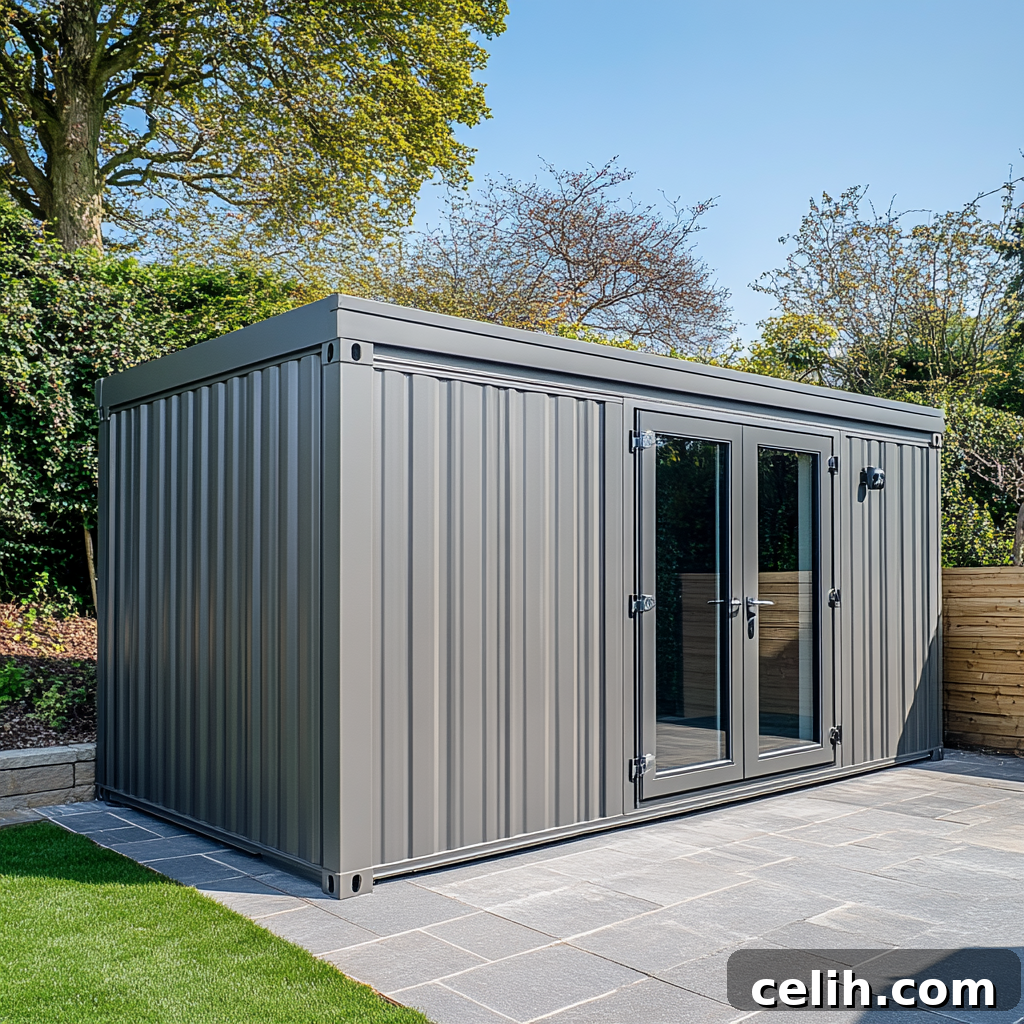
In an era defined by adaptability, where remote work, burgeoning side hustles, and passion-driven creative pursuits are rapidly shaping our lifestyles, homeowners across the nation are re-evaluating the functionality and potential of their living spaces. For residents of Denver, a city celebrated for its vibrant outdoor culture, spirit of innovation, and intelligent urban design, there’s a burgeoning fascination with transforming unconventional spaces into stylish, highly functional sanctuaries. This movement is not just about maximizing square footage; it’s about crafting environments that foster productivity, creativity, and personal well-being.
Among the most compelling and rapidly gaining traction of these innovative trends is the conversion of a robust storage container in Denver into a fully operational mini studio, situated conveniently on one’s own property. Imagine a dedicated haven just steps from your back door: a tranquil remote work office, an inspiring art or photography studio, a private backyard retreat for focused writing, invigorating yoga sessions, or uninhibited musical expression. A portable storage container offers an incredibly flexible, surprisingly design-forward, and cost-effective solution to these growing needs. This comprehensive guide will delve deep into how Denver homeowners can embark on the exciting journey of transforming a humble storage unit into a personalized, exceptional space that truly reflects their unique creativity, passions, and modern lifestyle.
Why a Storage Container is Your Next Creative Space in Denver
Portable storage containers transcend mere convenience; they offer unparalleled freedom and opportunity, particularly within Denver’s dynamic urban landscape. Many homes and apartments, especially those nestled in sought-after areas near downtown, or vibrant revitalized neighborhoods like RiNo or Highland, often come with spatial limitations. Adding a traditional home extension can be a daunting endeavor, frequently constrained by complex permitting processes, prohibitive costs, and restrictive zoning regulations. This is precisely where a storage container emerges as a brilliant, versatile alternative.
Consider the compelling advantages a storage container offers for Denver homeowners:
- Effortless Delivery and Placement: Unlike conventional construction, a container can be delivered directly to your driveway or designated spot on your property, minimizing disruption and significantly reducing project timelines.
- Exceptional Durability and Security: Constructed from robust steel, these units are inherently weather-resistant, safeguarding your valuable equipment, art supplies, or professional gear from Denver’s sometimes unpredictable climate. Their lockable nature provides a secure environment for peace of mind.
- Unleashed Customization Potential: The sturdy, blank canvas of a container invites boundless creativity. From the interior finishes to exterior aesthetic enhancements, every aspect can be tailored to your precise vision and functional requirements.
- Streamlined Permitting Process (in many cases): Depending on the size, placement, and extent of modifications, many container conversions might bypass the lengthy and complex permitting processes associated with traditional permanent structures, though it’s always crucial to verify local regulations.
- Cost-Effective Alternative: Compared to building an entirely new structure or undergoing a major home renovation, converting a storage container presents a significantly more budget-friendly path to expanding your usable living and working space.
Furthermore, the inherent mobility of these units offers unmatched flexibility. Should your needs evolve—perhaps you relocate within Denver or repurpose the space entirely—the unit can be easily removed, relocated, or reconfigured. This adaptability ensures your investment remains valuable without the commitment or structural alterations required by conventional home additions, making it an ideal choice for the dynamic Denver homeowner.
The Journey to Your Dream Container Studio: Essential Design Principles
1. Defining Your Vision: Purpose-Driven Design
Before you dive into selecting paint swatches or curating mood boards, the absolute first step is to meticulously define the exact function of your mini studio. This foundational decision will critically inform every subsequent design choice, from the internal layout and furniture selection to critical infrastructure like electrical wiring, plumbing (if needed), and specialized storage requirements.
Common and inspiring uses for a container studio include:
- Dedicated Home Office or Remote Work Zone: For the professional needing a quiet, distraction-free environment, separate from the main home. Consider ergonomic furniture, robust internet connectivity, and ample task lighting.
- Vibrant Art or Photography Studio: Demands abundant natural light, versatile wall space for hanging work, specialized storage for supplies, and potentially a utility sink for cleanup.
- Creative Crafting or Sewing Room: Requires extensive organized storage for materials, a large, durable work surface, and specialized lighting for intricate tasks.
- Peaceful Reading Nook or Writing Retreat: Focus on comfort, soft lighting, built-in bookshelves, and a cozy chair or daybed for ultimate relaxation and concentration. Creating a cozy reading nook in a container can be incredibly rewarding.
- Meditation, Yoga, or Fitness Pod: Prioritize open floor space, calming aesthetics, excellent ventilation, and potentially a sound system for immersive experiences.
- Compact Podcast or Music Studio: Requires significant soundproofing, specialized acoustic treatments, a dedicated recording area, and appropriate electrical outlets for equipment.
Clearly understanding your primary use will guide crucial decisions regarding insulation types, specific flooring materials, ventilation needs, and the optimal lighting schemes to support your activities, ensuring your Denver container studio is perfectly optimized for its intended purpose.
2. Mastering Illumination: Bringing Light into Your Micro-Space
While storage containers are incredibly sturdy, their inherent enclosed nature can make them feel somewhat confined without thoughtful integration of light. Depending on your budget, DIY comfort level, and the studio’s purpose, there are numerous ways to flood your space with essential illumination:
- Strategic Window and Door Installation: Incorporating sliding glass doors, French doors, or large picture windows on one or both ends of the container is perhaps the most effective way to introduce abundant natural light and connect the interior with your Denver backyard.
- Overhead Brightness with Skylights or Solar Tubes: For spaces where wall-mounted windows aren’t feasible or desired, skylights or solar tubes provide vertical light, brightening the entire studio without compromising wall space.
- Layered Artificial Lighting: Complement natural light with a versatile artificial lighting plan. This could include dimmable LED strip lighting for ambient glow, overhead flush mounts or track lighting for general illumination, and adjustable clamp lamps or floor lamps for focused task lighting. Smart lighting systems can offer unparalleled control over mood and brightness.
For specific creative pursuits: artists and crafters often benefit immensely from north-facing natural light, which is consistent and helps prevent color distortion. Photographers, on the other hand, might prioritize controllable, indirect lighting setups with blackout options for precise light manipulation. Thoughtful lighting not only enhances functionality but also profoundly impacts the mood and perceived spaciousness of your container studio in Denver.
3. Climate Control for Year-Round Comfort in Denver
Denver’s climate is renowned for its dramatic seasonal shifts—from intensely sunny, warm summers to crisp, snowy winters. If your goal is a year-round functional studio, investing in proper temperature control and insulation is not merely a recommendation; it’s an absolute necessity.
Consider these critical elements for maintaining optimal comfort:
- Superior Insulation: Spray foam insulation is often lauded as the gold standard for container conversions. It not only provides exceptional thermal regulation but also acts as an effective sound barrier, crucial for focus and privacy. Alternatives include rigid foam boards or mineral wool batting. Proper insulation will dramatically reduce energy consumption and maintain a stable internal temperature.
- Thoughtful Flooring Choices: The floor of a container can be a significant source of cold transfer. Options like rubber flooring, engineered wood flooring, or luxury vinyl plank (LVP) with an insulating underlayment can help mitigate this. Radiant floor heating is a luxurious, albeit more complex, option for ultimate winter comfort.
- Efficient HVAC Systems: Mini-split HVAC systems are highly recommended for their compact size, energy efficiency, and ability to provide both heating and cooling. They are ideal for precisely controlling the climate in a small space. For more budget-conscious options, portable AC units and electric heaters can serve as supplemental solutions, though less efficient.
- Ventilation: Proper airflow is key to preventing stale air and moisture buildup. Consider an exhaust fan, operable windows, and potentially a small ERV (Energy Recovery Ventilator) for continuous fresh air without significant heat loss.
Even seemingly minor improvements, such as high-quality weather stripping around doors and windows, and draft stoppers, can significantly contribute to making your Denver container studio cozy, energy-efficient, and enjoyable regardless of the season.
4. Infusing Style: Beyond the Industrial Shell
The beauty of converting a shipping container lies in its transformative potential. Just because you’re starting with an industrial shell doesn’t mean you’re confined to a bland aesthetic—unless, of course, a minimalist industrial vibe is precisely what you desire. Your container studio in Denver should be an extension of your personal style and a source of daily inspiration.
Here’s how to imbue your space with character and warmth:
- Embrace Organic Textures: For a warm, inviting, or rustic look, consider using wood cladding—such as cedar, pine, or reclaimed barn wood—on interior walls. This natural element adds depth and contrasts beautifully with the container’s metal structure.
- Strategic Color Palette: Paint plays a pivotal role in setting the mood. Opt for bold, vibrant colors to ignite creativity, or muted, calming tones for a serene retreat. Light colors can also make the space feel larger and brighter.
- Soft Furnishings and Acoustics: Introduce textiles like curtains, rugs, pillows, and decorative tapestries. These elements not only add visual interest and comfort but also help soften sounds, reducing echo and creating a more pleasant acoustic environment, especially important for audio-based studios. Acoustic panels can be strategically integrated for optimal sound control.
- Clever Architectural Details: Incorporate floating shelves for display and storage, custom-built-ins, or unique lighting fixtures. These elements elevate the design and make the space feel custom-made.
Your container studio should be a reflection of your aesthetic and a powerful catalyst for your work. Don’t shy away from decorative details, artwork, and personal touches that transform it into unmistakably your inspiring space.
5. Smart Storage Solutions for Maximized Functionality
In a compact creative space like a converted container, functionality is inextricably linked to organization. With inherently limited square footage, storage must be exceptionally efficient, embracing vertical solutions whenever possible to keep your workspace clear and inspiring.
Implement these clever storage strategies to maximize your container studio’s potential:
- Utilize Vertical Space Aggressively: Think tall, slender shelving units, wall-mounted pegboards for tools and supplies, and modular vertical storage systems that can be reconfigured as your needs change. Wall-mounted cabinets or open shelving high up can store less frequently used items.
- Multi-Functional Furniture: Choose pieces that serve more than one purpose. Consider foldable desks that can be stowed away, Murphy-style beds or work surfaces, or ottomans with hidden storage. Rolling carts are incredibly versatile, allowing you to move supplies exactly where they’re needed and then tuck them away.
- Smart Containerization: Employ clear, labeled bins and baskets on shelves to keep items organized and easy to find. Drawer dividers, magnetic strips for small metal tools (like scissors or paintbrushes), and wall-mounted organizers for specific items (like craft paper or yarn) are invaluable.
- Overhead Solutions: If ceiling height allows, overhead storage racks can be excellent for seasonal items, bulk supplies, or equipment that isn’t frequently accessed, freeing up precious floor and eye-level space.
- Defined Zones: If your mini studio serves multiple purposes—perhaps doubling as storage for hobbies or seasonal decor—create distinct “creative” and “utility” zones. Use rugs, furniture arrangement, or even temporary dividers to visually delineate these areas, ensuring your primary workspace remains clutter-free and inspiring.
An organized space fosters clarity and boosts productivity. By thoughtfully integrating these storage solutions, your Denver container studio will remain an efficient, enjoyable haven for all your creative pursuits.
6. Powering Your Passion: Electrical and Connectivity
A modern creative studio, whether for remote work, art, or music, requires reliable power and connectivity. Planning your electrical layout and internet access is crucial during the design phase to avoid unsightly cords and ensure seamless operation.
- Electrical Hook-up: The simplest approach is often to run an electrical line from your main house. Consult with a qualified electrician in Denver to ensure proper sizing, safe installation, and compliance with local codes. Plan for ample outlets around your workspace, specific outlets for high-power tools or appliances (like a kiln or powerful computer), and dedicated circuits for sensitive electronics.
- Lighting Circuits: Separate circuits for ambient, task, and accent lighting provide flexibility and energy efficiency. Dimmers are a valuable addition.
- Connectivity: For robust internet, consider a wired Ethernet connection from your main house if feasible, especially for bandwidth-intensive tasks like video conferencing or large file uploads. Otherwise, a high-quality Wi-Fi extender or mesh system can broadcast your home’s signal effectively to your container studio. For off-grid solutions, satellite internet or mobile hotspots can be options.
- USB Charging Ports: Integrate USB charging ports directly into wall outlets or power strips for convenient device charging.
- Sustainable Power Options: For the environmentally conscious or those seeking greater independence, integrating solar panels on the roof of your container can provide supplemental power or even allow for entirely off-grid operation, significantly reducing your energy footprint.
Ensuring your container studio is well-powered and connected means uninterrupted creativity and productivity, regardless of the task at hand.
7. Navigating Permitting and Regulations in Denver
While one of the appeals of container conversions is their potential for simpler implementation, it’s absolutely vital for Denver homeowners to understand and comply with local permitting and zoning regulations. Failing to do so can result in fines, forced removal, or significant delays.
- Check Local Zoning Laws: The City and County of Denver has specific zoning ordinances that dictate what structures can be built on your property, their setbacks from property lines, maximum height, and how they can be used. Some areas may have restrictions on “accessory dwelling units” (ADUs) or other detached structures.
- HOA Regulations: If your property is part of a Homeowners Association, their Covenants, Conditions, and Restrictions (CC&Rs) may have additional rules regarding exterior appearance, placement, and size of detached structures. Always consult your HOA before beginning any project.
- When is a Permit Needed? Generally, if you are making structural changes to the container (cutting out large openings for windows/doors), adding plumbing, installing significant electrical wiring (beyond a simple extension cord), or connecting it to permanent utilities, you will likely need a building permit. Even if no structural changes are made, certain jurisdictions may require a permit for any accessory structure over a certain size.
- Temporary vs. Permanent: Some regulations differentiate between temporary storage or structures and permanent installations. If your container is truly temporary and not affixed to a foundation, the rules might be less stringent, but this is a nuance to clarify with local authorities.
- Consult the Experts: Before making any significant investment, contact the Denver Community Planning and Development Department. They can provide accurate information on requirements specific to your property and proposed project. Consider working with a contractor or architect experienced in container conversions who can help navigate the permitting process.
Proactive research and adherence to local regulations will ensure your container studio project in Denver proceeds smoothly and legally, safeguarding your investment and providing long-term peace of mind.
PODS: Your Partner in Container Studio Creation in Denver
While the market offers a variety of storage and moving companies, few can match the urban adaptability, flexibility, and sheer convenience that PODS delivers, particularly for a project in a dynamic city like Denver. PODS simplifies the initial and ongoing logistics of your container studio endeavor.
The company’s signature service involves delivering durable, weather-resistant containers directly to your driveway or designated area on your property. This direct delivery eliminates the need for you to transport the container yourself, making the initial setup incredibly straightforward. Once your studio conversion is complete, or if your needs change, PODS offers convenient pickup services. This seamless delivery and removal process is ideal for both temporary studio setups and long-term creative spaces, providing unparalleled flexibility for Denver homeowners.
Another significant advantage of PODS containers is their availability in various sizes. This allows you to choose a unit that perfectly fits your property’s dimensions and the specific purpose of your studio, ensuring you don’t overcommit on space or budget. Furthermore, the robust steel construction of PODS containers means they are inherently secure and capable of housing valuable equipment, sensitive electronics, and precious art supplies, offering superior protection even against Denver’s famously unpredictable weather patterns.
The Unrivaled Mobility and Future-Proofing of Your Container Studio
Imagine this scenario: you invest your time, creativity, and resources into crafting the perfect container studio in your Denver backyard, only to find yourself relocating to a different neighborhood or even a new property across the state in a few years. The profound beauty and strategic advantage of a portable studio setup is its inherent mobility—it moves with you.
Unlike a traditional home extension or a permanently built detached structure, which would be left behind, your entire container studio can be packed and transported. A professional container provider, like PODS, can meticulously transport your fully equipped and carefully constructed studio, across town, or even hundreds of miles away. This unparalleled level of mobility is a rare and highly valuable commodity in the realm of custom home design. It grants creatives, remote workers, and hobbyists unmatched flexibility and adaptability, which is particularly advantageous in a rapidly growing and evolving city like Denver.
This future-proofing aspect significantly enhances the long-term value and appeal of a container studio. Your investment in creating a personalized workspace isn’t tied to a single plot of land; it’s an investment in a portable asset that can evolve with your life and career. This freedom allows you to pursue opportunities without the daunting prospect of abandoning your perfectly tailored creative haven.
Designing your own at-home creative space in Denver is now more accessible and exciting than ever before—especially when you dare to think beyond the conventional four walls of your house. By transforming a robust storage container into a sophisticated mini studio, you gain access to a private, stylish, and incredibly flexible area meticulously tailored to your unique passions and professional needs. Whether your days are filled with painting vibrant canvases, meticulously planning future ventures, or recording captivating podcasts, your container studio stands ready to become the inspiring retreat you’ve been yearning for. Best of all, this innovative solution comes without the considerable cost, lengthy timelines, or permanent structural commitment of traditional construction.
Are you ready to bring your most ambitious creative visions to life in Denver? All it takes is a thoughtfully placed container, a spark of imagination, and the practical steps outlined here to create a dedicated space where inspiration can truly flourish.