
Roof Repair vs. Replacement: The Ultimate Homeowner’s Guide
For every homeowner, the roof stands as a critical guardian, shielding your property and loved ones from the elements. Yet, like all things, roofs have a lifespan, and eventually, you’ll face a pivotal decision: should you undertake a roof repair, or is it time for a complete roof replacement? This choice is more than just a home maintenance task; it’s a significant financial and structural consideration that directly impacts your home’s safety, energy efficiency, and market value. Navigating this dilemma can be daunting, often clouded by questions of cost, extent of damage, and long-term viability.
This comprehensive guide aims to illuminate the path forward, providing you with a clear framework to assess your current roofing situation. We’ll delve into the nuanced factors that differentiate a minor fix from a necessary overhaul, helping you understand when a simple patch-up suffices, and when investing in a brand-new roofing system becomes the most prudent and cost-effective solution. By meticulously weighing various elements, from the current condition and age of your roof to potential aesthetic upgrades and financing options, you can make an informed decision that ensures your home remains secure, beautiful, and valuable for many years to come. Let’s explore the key considerations to make your roof repair or replacement journey as straightforward as possible.
Initiating Your Decision: A Thorough Roof Assessment
The cornerstone of any sound roofing decision is a comprehensive and professional roof inspection. While an attentive homeowner can spot visible issues like missing shingles or obvious leaks, a certified roofing contractor possesses the expertise and equipment to uncover underlying problems that might escape an untrained eye. Their assessment will delve deep into critical factors: your roof’s current age, its physical condition, and its projected remaining lifespan. These insights are paramount, as they directly influence the feasibility and long-term value of either a repair or a replacement. The material of your existing roof plays a significant role here; different materials possess varying lifespans and unique vulnerabilities to weather and wear.
When considering your options, it’s vital to adopt a pragmatic, cost-benefit mindset rather than allowing sentiment to guide such a significant investment. The durability of your specific roofing material, such as asphalt, metal, or tile, dictates its expected performance against your local climate – be it harsh winters, intense sun exposure, or frequent storms. A detailed professional assessment will account for these environmental stressors, offering a realistic outlook on your roof’s current health and future potential. This holistic evaluation helps homeowners make the best choice, ensuring home improvements are both effective and financially sensible.
Understanding the distinct advantages and disadvantages associated with roof repair versus replacement is key. Often, the deciding factor boils down to cost-effectiveness in the long run. If continuous repairing a defective roof starts to accumulate expenses that rival or even exceed the cost of a new installation over a few years, a replacement becomes the more economical and stress-reducing option. For those concerned about the immediate financial impact of a new roof, exploring avenues such as home improvement loans, government grants, or extending your mortgage can make the investment more manageable. A new roof offers more than just protection; it provides the exciting opportunity to choose materials, colors, and styles that perfectly align with your aesthetic vision, enhance your home’s overall look, and potentially increase its market value significantly.
When Roof Repair is the Preferred Option: Addressing Minor Issues and Extending Lifespan
In many scenarios, a targeted roof repair is the most practical and budget-friendly solution, especially if your roof is relatively young (typically under 15-20 years old for asphalt shingles) and in generally good condition. This option is ideal for localized, minor issues such as a few broken, cracked, or missing shingles, small leaks confined to a specific area, or damage to critical components like flashing around chimneys, vents, or skylights. These types of problems, if addressed promptly and correctly, do not necessitate the expense and scope of a full roof replacement.
Timely and professional repairs can play a crucial role in significantly extending the overall lifespan of your existing roofing system. By preventing minor damage from escalating into widespread structural issues, you can defer the need for a major replacement project for several years, thereby saving a substantial amount of money. As long as the cumulative cost of these repairs remains well below the investment required for a new roof, and the underlying structure of your roof remains robust and intact, choosing repair is often the most sensible approach. This strategy allows homeowners to manage their finances more effectively, allocating resources to other essential aspects of homeownership or family needs, while still ensuring their roof provides adequate protection.
However, it is vital to recognize when the scale tips from “minor repair” to a precursor for “major replacement.” If you find yourself frequently calling for repairs, if leaks are recurring in multiple locations, or if the cost of each repair starts to represent a significant percentage of a new roof’s price, these are strong indicators that your roof might be nearing the end of its serviceable life. In such cases, a professional roofing contractor can help you determine if recurring issues are symptoms of a more fundamental problem with an aging or deteriorating roof, suggesting that a full replacement will ultimately offer better value, superior protection, and enduring peace of mind.
When Roof Replacement Becomes Essential: Significant Damage and Long-Term Investment
Conversely, a full roof replacement becomes not just a viable option, but often an essential one, when your roof has definitively reached the end of its functional lifespan. This is typically indicated by its age, usually exceeding 20-25 years for standard asphalt shingles, or if it exhibits advanced, widespread deterioration. Indicators such as extensive granule loss on asphalt shingles, recurring leaks in various areas, visible sagging, significant widespread mold or rot, or compromised structural integrity are clear signals that repairs are no longer a sustainable solution. In these critical scenarios, a complete roof replacement is indispensable, ensuring your home is robustly protected against severe weather, moisture intrusion, and to safeguard its overall structural soundness.
Beyond Basic Protection: The Multifaceted Benefits of a New Roof
Beyond the fundamental need for enhanced protection, many homeowners wisely view a full roof replacement as an invaluable opportunity to significantly upgrade their home’s aesthetic appeal, energy efficiency, and overall market value. A new roof transcends its utilitarian purpose; it’s a transformative investment that can redefine your home’s exterior presence. With a replacement, you gain unparalleled freedom to select from a diverse array of new materials, colors, and architectural styles that perfectly complement your personal taste, enhance your home’s existing design, and align with your long-term budget. This strategic upgrade can dramatically boost your home’s curb appeal, making it a standout in the neighborhood and considerably more attractive to prospective buyers, should you decide to sell in the future.
Furthermore, contemporary roofing systems often feature superior insulation properties and advanced material technology, leading to tangible improvements in your home’s energy efficiency. Many modern materials are designed to reflect more sunlight, thereby reducing heat absorption during warmer months, while precise installation techniques ensure a tighter, more impermeable seal. This minimizes drafts and thermal loss, translating into significant savings on your heating and cooling utility bills over the lifetime of the roof. Consequently, a new roof offers a compelling return on investment, not just in enhanced property value, but also through ongoing energy cost reductions.
Key Factors Influencing Your Choice of Roofing Materials and Style:
- Longevity: How long do you envision owning your home? Different roofing materials boast vastly different lifespans, ranging from 15-20 years for entry-level asphalt shingles to over 100 years for premium slate.
- Upfront and Long-Term Cost: Evaluate both the initial installation expense and the projected long-term maintenance costs. A material with a lower upfront price might incur higher repair or earlier replacement costs down the line.
- Maintenance Requirements: Consider the level of ongoing care different materials demand. Asphalt shingles are relatively low maintenance, whereas wood shakes may require more frequent cleaning and treatment to prevent moss and rot.
- Local Climate and Conditions: Your geographical location’s climate is a crucial determinant. Materials like metal or tile excel in extreme weather conditions, while certain types of shingles are better suited for more temperate climates.
- Aesthetic Appeal and Home Style: The roof constitutes a significant visual portion of your home. The chosen material, color, and style should harmonize seamlessly with your home’s architectural character and your personal design preferences.
- Energy Efficiency: Modern roofing materials and advanced installation techniques can profoundly impact your home’s thermal performance, contributing to substantial energy savings.
- Resale Value: A new, high-quality, and aesthetically pleasing roof is a powerful selling point that can significantly enhance your home’s market valuation.
Let’s delve deeper into some of the most prevalent roofing materials:
- Asphalt Shingles: Unquestionably the most popular choice due to their affordability, ease of installation, and wide variety of colors and styles. Their lifespan typically ranges from 15 to 30 years, depending on the quality (3-tab, architectural, luxury) and the local climate. They represent a cost-effective solution, especially for homeowners not planning to reside in their property for an extended period. However, potential buyers and real estate agents will invariably factor the remaining life of an asphalt shingle roof into the property’s overall valuation during a sale.
- Metal Roofing: Rapidly gaining favor for its exceptional durability, impressive longevity (50-70+ years), and superior energy efficiency. Metal roofs are available in various forms—panels, shingles, or tiles—and a vast spectrum of colors, offering a sleek, modern aesthetic. While the initial investment is higher than asphalt, their extended lifespan, minimal maintenance, and resilience to extreme weather often make them a robust long-term investment. A minor consideration for some is the increased noise during heavy rain or hailstorms compared to traditional shingle roofs.
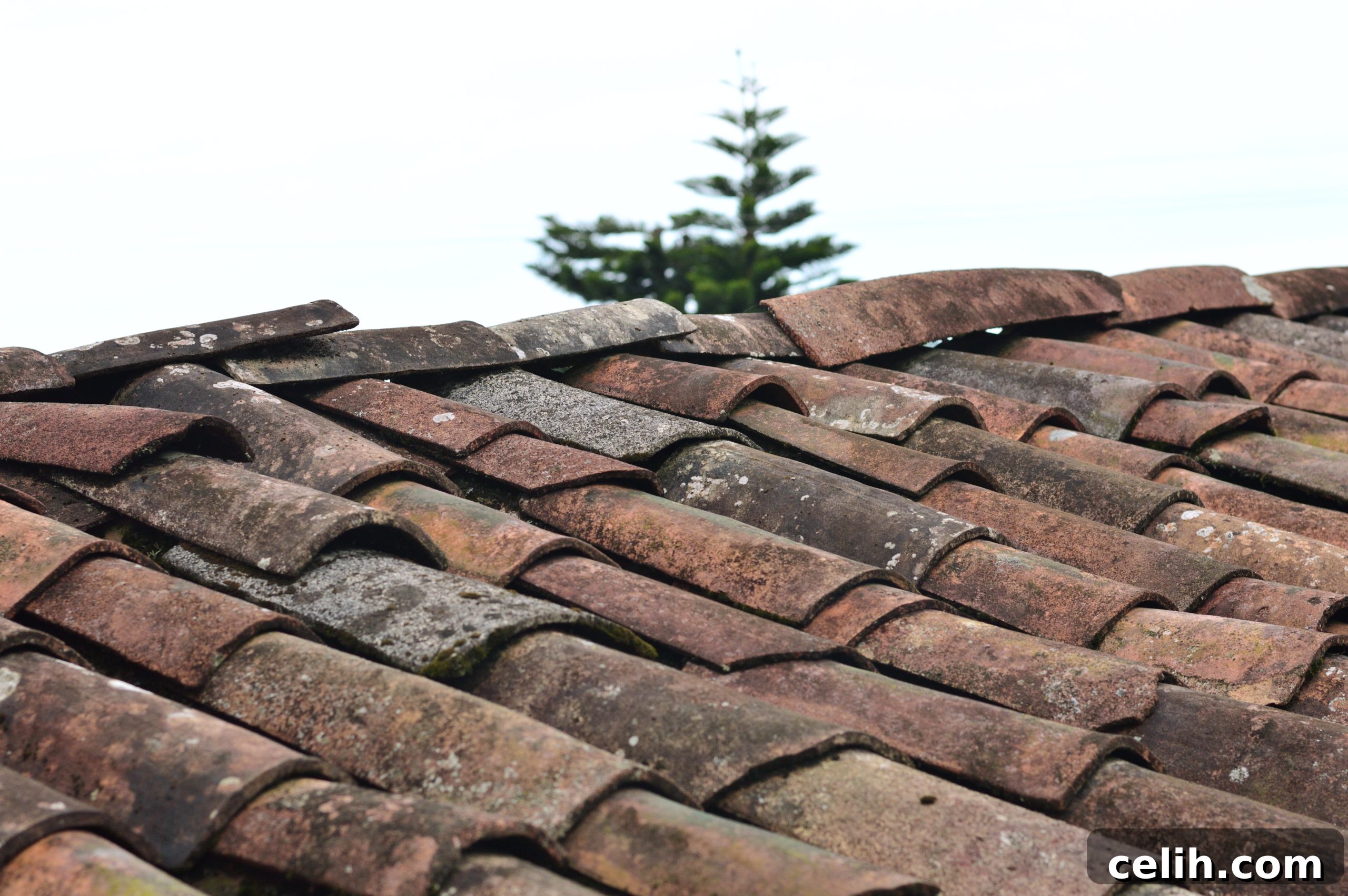
- Tile Roofs (Clay/Concrete): Renowned for their distinctive Mediterranean or Spanish aesthetic, incredible longevity (50-100+ years), and excellent fire resistance. Tile roofs are heavy and necessitate a robust underlying roof structure, which can contribute to higher installation costs. They are exceptionally well-suited for specific architectural styles and perform remarkably well in hot, sunny climates, offering superb heat reflection.
- Slate Roofs: Often regarded as the zenith of roofing materials, slate offers unparalleled longevity (100+ years) and timeless natural beauty. It is an extremely durable, fire-resistant, and low-maintenance material that can significantly elevate a home’s luxury appeal. However, it commands the highest price point for both material and specialized installation due to its weight, fragility during handling, and the skilled labor required. Despite the substantial upfront cost, the near-permanent nature of a slate roof drastically reduces long-term maintenance expenses and virtually eliminates future replacement costs for generations.
- Wood Shakes and Shingles: These offer a classic, rustic charm and can last 20-40 years with diligent maintenance. However, they are more susceptible to fire, rot, and insect infestation than other materials, requiring regular cleaning, treatment, and potential repairs.
- Flat Roofing Systems (TPO, EPDM, PVC): Specifically designed for homes or sections of homes with flat or low-slope roofs. These synthetic membrane systems are increasingly popular for their durability, energy efficiency, and relatively easy maintenance. While modern flat roofs have seen significant advancements, meticulous installation is paramount to prevent potential drainage issues and leaks over time.
Exploring Roofing Styles for Aesthetics and Functionality:
Beyond the choice of material, the architectural style of your roof plays a pivotal role in both its functional performance and its curb appeal. A sloped or pitched roof, for instance, inherently offers superior storm and rain protection compared to flat roofs, allowing water to drain off efficiently and preventing accumulation. Generally, the more complex a sloped roof design (e.g., featuring multiple gables, hips, or dormers), the greater its visual interest and architectural charm, although this complexity usually translates into higher installation costs and potentially more intricate maintenance requirements. For instance, a modern home might benefit from the clean lines and minimalist material choices offered by metal panels, while a traditional home might call for the classic aesthetic of asphalt shingles or tiles.
Environmentally conscious homeowners might also explore the innovative concept of a green roof (also known as a living roof). These sustainable systems involve installing a layer of vegetation over a waterproofing membrane, offering a multitude of environmental benefits such as improved insulation, enhanced stormwater management, and a significantly extended roof lifespan. However, green roofs necessitate specific structural support to bear the considerable weight of soil and plants, alongside ongoing maintenance for the vegetation. While highly beneficial for the environment, it’s crucial to remember that the underlying flat roof structure (which green roofs often utilize as a base) still requires meticulous installation and maintenance to prevent potential leaks over time.
The Indispensable Role of a Qualified Roofing Contractor
Regardless of whether your decision leans towards a minor repair or a complete roof replacement, the ultimate success, durability, and longevity of your roofing project are critically dependent on the expertise and professionalism of the contractors you choose. It is absolutely paramount to engage an experienced, reputable, and fully certified contractor who specializes in both roofing repairs and installations. A truly qualified contractor will not only possess the necessary technical skills, certifications, and a proven track record but will also carry proper licensing and comprehensive insurance. This protects you, the homeowner, from potential liabilities and unforeseen issues during the entirety of the project.
An expert contractor will provide a thorough and accurate assessment of your roof’s condition, delivering a transparent, detailed breakdown of the recommended work, various material options, and a clear estimate of all associated costs. They will serve as your trusted guide through the intricate selection process, helping you choose the best materials and approach that perfectly align with your budget, aesthetic aspirations, and the unique needs of your home. Furthermore, a reputable roofing firm will unequivocally stand behind their craftsmanship, offering robust warranties on both the materials used and the labor provided. This invaluable assurance grants you peace of mind, knowing that your significant investment is protected for many years into the future.
When soliciting estimates, it is highly advisable to obtain proposals from at least three different companies. Rather than solely focusing on the lowest price, prioritize a holistic evaluation of each contractor. Consider their reputation within the community, their specific experience with the type of roofing you are considering (e.g., metal, tile, asphalt), authentic customer reviews and testimonials, and the comprehensiveness of their warranty offerings. Opting for a contractor who offers a full spectrum of services, from minor repairs to complete replacements, can often prove to be highly advantageous. Such a relationship allows for a consistent point of contact and ensures that if a repair evolves into a replacement need further down the line, the same trusted and familiar team can seamlessly transition to the larger project, often with integrated guarantees that enhance the overall value of your home improvement budget.
Conclusion: Protecting Your Home, Enhancing Your Future Investment
The decision between roof repair and replacement is one of the most significant a homeowner will face, directly influencing your home’s safety, energy efficiency, and long-term value. While localized, minor issues can often be effectively remedied with timely and professional repairs, an aging roof or one suffering from extensive, widespread damage typically necessitates the substantial, yet rewarding, investment of a full replacement. By meticulously evaluating critical factors such as your roof’s current age and overall condition, the precise extent of the damage, your financial budget, and your long-term plans for the property, you can confidently make the most appropriate and beneficial choice for your home.
Always remember, a new roof is far more than just a structural necessity; it represents a profound investment in your home’s future. It offers not only enhanced and reliable protection from the elements but also vastly improved aesthetics, superior energy efficiency, and a significant boost to your property’s resale value. The ultimate key to a successful and enduring roofing project, irrespective of its scale, lies in partnering with a highly skilled, reputable, and trustworthy roofing contractor. Their expert assessment and quality workmanship will ensure that your roofing system is not only installed or repaired to the absolute highest industry standards but is also meticulously designed to withstand the elements effectively, providing unparalleled security, comfort, and peace of mind for your family for many decades to come. Don’t delay in obtaining a professional roof assessment – it is the vital first step towards safeguarding your home’s most essential shield.
Featured image credit: Photo by Miguel Á. Padriñán from Pexels