
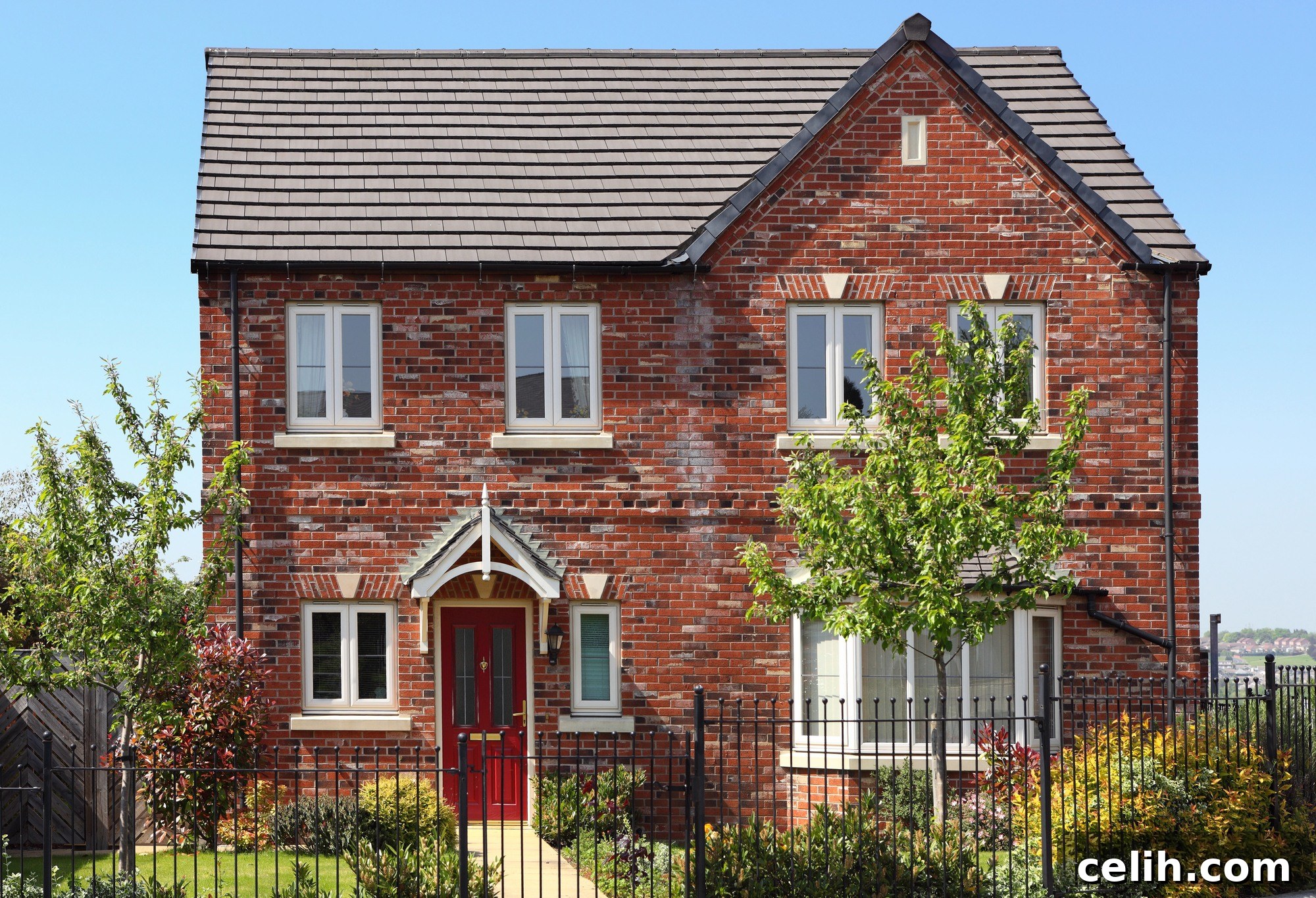
Ultimate Guide to Year-Round Roof Protection: Safeguarding Your Home’s First Defense
More than just the highest point of your house, your roof serves as its primary shield against the relentless forces of nature. From torrential downpours and blazing summer sun to heavy snowfalls and fierce winds, your roof endures constant exposure and absorbs the brunt of environmental stress. Yet, it’s a component often overlooked until tell-tale signs like a leak or deteriorating shingles demand urgent attention. Ensuring your roof is protected year-round is paramount for preserving your home’s structural integrity, maintaining its market value, enhancing safety, and guaranteeing comfort for your family. This comprehensive guide will delve into practical, proactive strategies to preserve your roof’s health, prevent expensive damage, and significantly extend its functional lifespan.
The Indispensable Role of Year-Round Roof Maintenance
The condition of your roof directly impacts every other aspect of your home. Even seemingly minor issues, such as a tiny crack in a shingle or an accumulation of leaves in your gutters, can escalate into substantial, costly damage over time if neglected. Consistent inspections and proactive maintenance are your best defense, enabling you to identify potential problems and address them before they turn into major emergencies. A meticulously maintained roof not only wards off disruptive leaks but also dramatically improves your home’s energy efficiency, significantly reduces long-term repair costs, and undeniably boosts its curb appeal and overall market value. By understanding the cyclical nature of roof wear and tear, homeowners can implement a strategic approach to roof care that yields lasting benefits.
Understanding Seasonal Challenges for Optimal Roof Care
Each season presents unique environmental stressors and potential threats to your roof’s integrity. Developing a strategic, year-long roof protection plan begins with understanding these seasonal challenges:
- Spring: The increase in rainfall during spring can quickly expose existing leaks or highlight weak spots in your roofing system. Persistent moisture, if not properly managed, can lead to the proliferation of mold, mildew, and wood rot within the attic and on the roof decking, compromising structural components.
- Summer: Characterized by intense heat and powerful UV radiation, summer conditions can cause asphalt shingles to crack, warp, or become brittle, leading to a significant loss of protective granules. Severe thunderstorms and high winds during this season can also dislodge shingles or cause impact damage from falling debris.
- Fall: As trees shed their leaves, they inevitably accumulate in gutters and valleys, creating blockages. These clogged gutters prevent proper water drainage, leading to water backups that can seep under shingles, rot fascia boards, and even cause foundation damage around your home.
- Winter: Freezing temperatures, heavy snowfall, and the formation of ice dams pose significant risks. Ice dams, which form when melted snow refreezes at the colder edge of the roof, can force water under shingles and into your home’s interior, leading to extensive water damage and structural strain.
Recognizing and preparing for these seasonal threats is the foundational step in developing a robust, year-long roof protection strategy that ensures your home remains safe and sound.
Timely Repairs: Addressing Issues Before They Escalate
Procrastinating on small roof problems is a common oversight that invariably leads to larger, more complex, and significantly more expensive issues. What begins as a single missing shingle or a minor, barely noticeable leak can rapidly escalate into severe structural damage, widespread mold growth, and eventually necessitate a full roof replacement. Prompt and timely repairs are not merely recommended; they are absolutely critical for maintaining the functionality and security of your roof.
Whether it involves patching a small section, replacing a handful of damaged shingles, or addressing issues with flashing around chimneys and vents, acting swiftly ensures that your roofing system remains watertight and secure. Homeowners in regions prone to heavy rainfall or severe weather, such as Florida, deeply understand the urgency of a rapid response to any signs of a leak. Engaging a trusted local roofing company, like one specializing in roof repair in Jupiter, FL, can provide swift, expert service. This proactive approach ensures that minor roofing issues are resolved efficiently, preventing them from developing into costly emergencies that threaten your entire home.
Regular Inspections: Your First Line of Defense Against Damage
Systematic roof inspections are the bedrock of roof longevity and a cornerstone of effective roof protection. A straightforward visual check of your roof every few months, ideally after major weather events, can identify nascent problems and potentially save thousands of dollars in future repairs. When conducting your inspection, either from the ground with binoculars or safely from a ladder, look meticulously for the following tell-tale signs:
- Shingle Condition: Check for any shingles that are missing, cracked, curled at the edges, buckled, or showing signs of excessive granule loss. Granules are crucial for UV protection and water shedding.
- Flashing Integrity: Inspect the flashing around chimneys, vents, skylights, and other roof penetrations. Damaged, rusted, or loose flashing is a common source of leaks.
- Interior Signs of Water Damage: In your attic or on the ceilings of your home, look for water stains, discoloration, damp spots, or peeling paint, which are clear indicators of a leak.
- Debris Buildup: Observe areas where debris, especially leaves and branches, tends to accumulate, particularly in valleys and gutters, as these can impede water flow.
- Ventilation Concerns: Ensure that all roof vents are clear of obstructions and appear to be functioning correctly.
While DIY inspections are beneficial, professional roof inspections offer invaluable insight. Experienced roofing experts possess the keen eye and specialized knowledge to detect subtle issues that might be invisible or misidentified by an untrained homeowner. Scheduling an annual professional inspection, ideally just before the peak storm season or twice a year (spring and fall), provides a comprehensive assessment, ensuring your roof is optimally prepared to withstand extreme weather conditions and maintain its protective capabilities.
Keep Gutters Clean and Functioning Properly
Gutters and downspouts are an integral part of your roof protection system, designed to efficiently channel rainwater and melted snow away from your roof and foundation. When gutters become clogged with leaves, twigs, and other debris, water cannot drain properly. Instead, it backs up, overflows, and can seep under the eaves and shingles, leading to severe issues such as:
- Roof and Fascia Rot: Constant moisture contact can cause fascia boards and roof decking to rot.
- Foundation Damage: Overflowing water can pool around your home’s foundation, leading to cracks, leaks in basements, and structural instability.
- Landscape Erosion: Water pouring indiscriminately from clogged gutters can erode valuable landscaping.
- Ice Dams: In winter, trapped water in gutters contributes significantly to the formation of destructive ice dams.
Regular cleaning and maintenance of your gutters and downspouts are absolutely essential. Here’s a detailed approach:
- Frequent Cleaning: Remove leaves, sticks, mud, and other debris from your gutters at least twice a year—once in late spring after tree pollen and small debris have fallen, and again in late fall after all leaves have dropped. In heavily wooded areas, more frequent cleaning might be necessary.
- Slope Check: After cleaning, observe water flow during a rain shower or by running water through them with a hose. Ensure the gutters have the correct slight slope towards the downspouts for efficient drainage.
- Leak and Damage Inspection: Inspect gutters for cracks, rust spots, loose fasteners, or misaligned sections. Repair or replace damaged sections promptly to maintain their effectiveness. Ensure downspouts direct water at least 5-10 feet away from the foundation.
For a low-maintenance solution, consider installing high-quality gutter guards. These systems significantly reduce the frequency of cleaning by preventing debris from entering the gutter channel, while still allowing water to flow freely.
Trim Overhanging Branches: Mitigating Tree-Related Risks
While mature trees near your home can provide welcome shade, enhance curb appeal, and offer a natural aesthetic, branches that directly overhang your roof pose significant and varied risks. During severe weather, strong winds can snap weak or dead limbs, sending them crashing onto your roof. This impact can result in punctured shingles, broken tiles, or even tear off entire sections of your roofing material. Beyond storm damage, the constant rubbing of branches against your roof, even in gentle breezes, can cause abrasive wear and tear, gradually eroding protective granules from shingles or scratching metal roofing surfaces over time.
Furthermore, overhanging branches allow easy access for pests like squirrels, raccoons, and birds to your attic or fascia, potentially leading to infestations. They also contribute to greater debris accumulation on your roof and in your gutters, exacerbating the issues discussed previously. To mitigate these risks, it is imperative to maintain a safe distance between your roof and any overhanging tree branches. A general guideline is to trim branches so they are at least 10 feet away from your roofline. This proactive measure not only drastically reduces the risk of physical damage from impacts and abrasion but also limits the accumulation of leaves and debris, thereby enhancing your roof’s overall longevity and reducing maintenance efforts. For large or high branches, always consider hiring a professional arborist for safe and effective tree trimming.
Effective Roof Cleaning and Moss Prevention
In humid climates or on shaded sections of a roof, organic growth such as algae, moss, and lichen can thrive. While a patch of moss might appear harmless, it poses a significant threat to your roof’s health. Moss acts like a sponge, trapping moisture against the shingles and roof decking. This constant dampness accelerates the deterioration of roofing materials, promotes rot, and can even lift shingles, making them vulnerable to wind and water infiltration. Algae, typically seen as dark streaks, can also degrade the surface of shingles over time.
Regular roof cleaning is crucial not only for aesthetic reasons but primarily for preventing long-term damage and extending your roof’s lifespan. When undertaking roof cleaning, it’s vital to use appropriate methods: employ gentle cleaning solutions specifically designed for roofs or, ideally, hire professional roof cleaners who understand the nuances of various roofing materials. They can safely remove moss and algae without causing damage. It is critical to avoid high-pressure washing, as the intense force can strip protective granules from asphalt shingles, damage seals, dislodge tiles, and significantly reduce the lifespan of your roof. Chemical treatments can also be applied to inhibit the regrowth of moss and algae, offering a lasting preventive measure.
Advanced Weatherproofing and Protective Coatings
Beyond standard maintenance, applying specialized protective coatings or sealants can provide an additional, formidable layer of defense for your roof against moisture, harmful UV rays, and extreme temperature fluctuations. These treatments are engineered to enhance your roof’s resilience and contribute significantly to its longevity.
- Waterproof Coatings: These liquid-applied membranes create a seamless, impenetrable barrier that effectively prevents leaks and protects the underlying roofing materials from water ingress. They are particularly beneficial for low-slope or flat roofs.
- Reflective (Cool Roof) Coatings: Often light-colored, these coatings are designed to reflect a significant portion of solar radiation. By reducing heat absorption, reflective coatings can dramatically lower your home’s interior temperatures, leading to substantial energy savings on cooling costs in hot climates. They also protect roofing materials from UV degradation, extending their life.
- Elastomeric Coatings: These flexible coatings can expand and contract with temperature changes without cracking, offering excellent durability and weather resistance.
For homeowners in areas prone to severe weather events like heavy storms, hurricanes, or tornadoes, reinforcing vulnerable sections of your roof is an absolutely critical investment. This might include:
- Enhanced Flashing Installation: Ensuring all flashing points are meticulously installed and sealed to prevent wind-driven rain penetration.
- Upgraded Underlayment: Installing high-quality synthetic underlayment or peel-and-stick membranes beneath your primary roofing material provides a secondary waterproof barrier.
- Hurricane Straps and Clips: These specialized fasteners securely connect the roof truss system to the wall structure, dramatically increasing wind uplift resistance during extreme wind events.
- Impact-Resistant Materials: Considering roofing materials certified for impact resistance can protect against hail damage.
While investing in these advanced weatherproofing and reinforcement measures may seem like a significant upfront cost, they typically save homeowners from far more extensive, catastrophic repairs and costly insurance deductibles in the aftermath of major storms, proving their worth many times over.
Upgrade When Necessary: Recognizing the End of Your Roof’s Lifespan
Despite diligent maintenance and proactive care, all roofs have a finite lifespan. The exact duration depends on a multitude of factors, including the type of roofing material, the climate in which your home is located, the quality of the original installation, and the level of maintenance received. Generally, most asphalt shingle roofs last between 20 to 30 years, while other materials like metal or tile can last significantly longer. It’s crucial to recognize the signs that indicate your roof is nearing the end of its functional life.
Key indicators that it might be time for a full roof replacement include:
- Frequent, Costly Repairs: If you find yourself constantly patching leaks or replacing numerous damaged shingles, the cumulative cost and effort often outweigh the benefits.
- Widespread Shingle Damage: Extensive curling, buckling, cracking, or granule loss across large sections of the roof signals widespread material degradation.
- Sagging Roof Deck: A visible sag or dip in the roofline indicates potential structural issues with the decking or rafters, which require immediate attention.
- Moss/Algae Overgrowth: While treatable, pervasive, stubborn organic growth can indicate persistent moisture issues that are wearing down the roof.
- Granules in Gutters: Large amounts of shingle granules in your gutters are a strong sign that your asphalt shingles are eroding and losing their protective qualities.
When these signs become prevalent, considering a complete roof replacement becomes the most practical and economically sound decision. Modern roofing materials and innovative designs offer superior durability, enhanced energy efficiency, and a broader range of aesthetic options compared to older systems. Upgrading your roof not only provides robust protection for your home and its contents but also significantly increases its resale value and boosts its overall aesthetic appeal.
Energy Efficiency and Optimal Ventilation: Keys to a Healthy Roof
A properly ventilated roof is paramount not only for preventing damage but also for maximizing your home’s energy efficiency. Effective attic ventilation systems are designed to regulate temperature and moisture levels within your attic space, creating a balanced environment that benefits both your roof and your living spaces.
The consequences of poor ventilation are far-reaching:
- Heat Buildup in Summer: Without adequate ventilation, superheated air gets trapped in the attic during summer. This intense heat can literally bake your shingles from the underside, causing them to warp, crack, and prematurely age, reducing their lifespan. It also transfers heat into your living spaces, forcing your air conditioning system to work harder and increasing energy bills.
- Condensation in Winter: In colder months, warm, moist air from your home can rise into a poorly ventilated attic and condense on the cold underside of the roof deck. This trapped moisture leads to wood rot, mildew growth, and can even compromise the structural integrity of your roof and attic framing. It also contributes to the formation of destructive ice dams on the roof edge.
Installing a balanced system of intake vents (typically in the soffits) and exhaust vents (such as ridge vents or static vents near the peak) ensures continuous airflow. This airflow dissipates heat and moisture, maintaining a stable roof environment and significantly enhancing comfort levels inside your home.
Furthermore, choosing energy-efficient roofing materials can make a substantial difference. Materials like metal, clay tile, slate, and even certain types of asphalt shingles are designed with reflective properties that minimize heat absorption. These “cool roofs” can dramatically lower your cooling costs, especially in sunny climates, while simultaneously prolonging the life of the roofing materials by protecting them from excessive thermal stress.
Insurance and Comprehensive Documentation: Protecting Your Investment
Maintaining meticulous and accurate records of all roof-related activities is an often-overlooked yet critical aspect of comprehensive roof protection. This documentation should include:
- Inspection Reports: Keep copies of all professional inspection reports, noting any findings and recommendations.
- Repair Invoices: Maintain detailed invoices for all repairs, including dates, work performed, materials used, and costs.
- Upgrade Receipts: Document any major upgrades, such as a roof replacement or the installation of protective coatings, along with warranties.
- Photographs: Take “before and after” photos of any damage or repairs.
Insurance companies frequently require thorough documentation when you file claims related to roof damage. A well-maintained log provides irrefutable proof of your due diligence and can significantly streamline the claims process, ensuring you receive appropriate coverage in the event of storms, accidents, or unexpected roof failures. It demonstrates that you have taken reasonable steps to care for your roof, which can be crucial in claim assessment.
Beyond documentation, it is essential to regularly review your homeowner’s insurance policy to fully understand the scope of your roof coverage. Pay close attention to specifics such as: Actual Cash Value (ACV) vs. Replacement Cost Value (RCV) coverage for your roof, deductibles, exclusions (e.g., for certain types of damage like hail or wind), and any age limits on coverage. If your current policy seems insufficient or you reside in a high-risk area, consider discussing supplemental policies or endorsements with your insurance provider to ensure adequate protection for your most vital home component.
DIY vs. Professional Maintenance: Knowing When to Call an Expert
While a homeowner’s proactive engagement in roof care is highly encouraged, it’s crucial to understand the distinction between manageable DIY tasks and those that are best left to qualified professionals. Certain routine roof maintenance tasks are safe and appropriate for most homeowners to undertake, provided they prioritize safety and use proper equipment. These include:
- Gutter Cleaning: Regular clearing of leaves and debris from gutters.
- Basic Visual Inspections: Observing the roof from the ground or a safe ladder for obvious signs of damage.
- Minor Debris Removal: Gently sweeping small amounts of leaves or pine needles from accessible roof sections.
- Trimming Small, Low-hanging Branches: Safely pruning branches that are easily reached and do not pose a risk.
However, tasks involving repairs to actual roofing materials, flashing, or any structural components require specialized skills, specific tools, and a thorough understanding of roofing systems. Attempting complex repairs without the necessary expertise can lead to several adverse outcomes:
- Safety Risks: Working on a roof, especially at height, can be extremely dangerous without proper safety gear and training.
- Improper Installation: Incorrect repairs can cause more damage than the original problem, leading to new leaks or exacerbating existing issues.
- Voiding Warranties: DIY repairs, particularly if improperly executed, can void existing manufacturer warranties on your roofing materials.
- Code Compliance Issues: Professional roofers ensure all work adheres to local building codes and standards.
Therefore, for any tasks beyond simple cleaning and visual checks, such as replacing damaged shingles, repairing flashing, addressing leaks, or undertaking significant cleaning (like moss removal with chemicals), it is always advisable to hire a certified and reputable roofing professional. They ensure the work is performed safely, correctly, to industry standards, and in compliance with all local building regulations, providing peace of mind and protecting your valuable investment.
Conclusion: From Drips to Enduring Durability
Protecting your roof year-round is far more than a simple aesthetic concern; it is a fundamental, non-negotiable investment in the long-term longevity, unwavering safety, and consistent comfort of your entire home. By committing to a regimen of regular inspections, timely repairs, diligent cleaning, and proactive preventive measures, you can significantly extend the functional lifespan of your roof, ensuring it performs its critical role effectively for decades.
Understanding the unique challenges each season presents, addressing problems promptly and decisively, and discerning when to engage the expertise of certified professionals are the cornerstones of effective roof protection. The journey from experiencing minor drips to achieving enduring durability for your home’s most vital shield is a continuous, rewarding effort. The significant benefits – a secure, resilient, energy-efficient home that maintains its value – unequivocally make this consistent commitment to roof maintenance well worth every effort.