
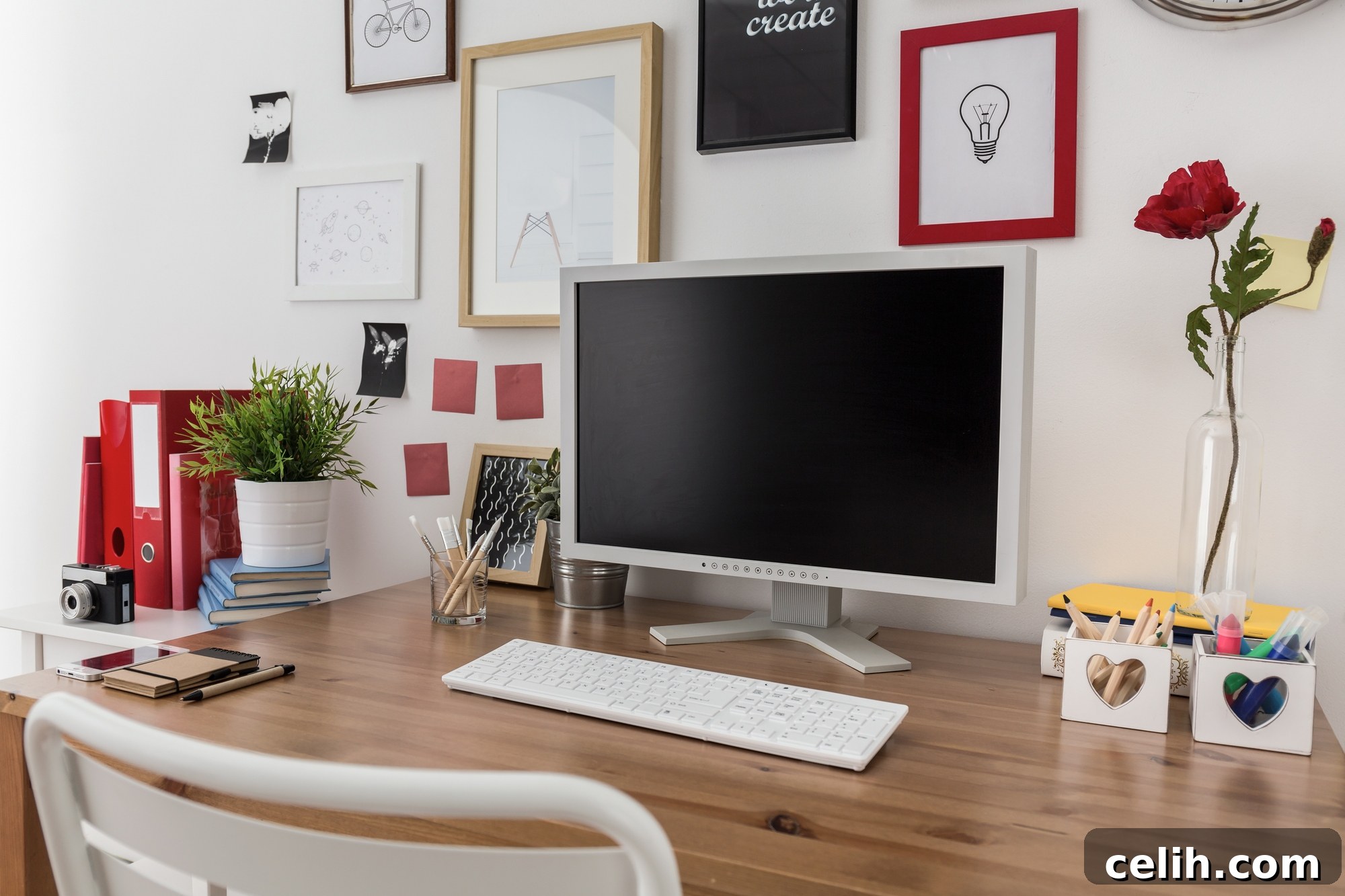
Relocating your workspace can often feel like a monumental task, particularly when it involves dismantling and re-establishing your home office. Whether you’re moving to an entirely new residence, restructuring your current living space, or simply aiming for a more optimized work environment, a home office move demands meticulous planning and execution. The thought of packing up delicate electronics, important documents, and an entire professional setup might seem overwhelming, but with the right strategies and a structured approach, this transition can be surprisingly smooth and efficient. This comprehensive guide will equip you with all the essential knowledge and actionable tips required to move your home office effectively, ensuring you minimize downtime and quickly regain full productivity in your new space. Ready to transform your relocation challenge into an opportunity for a fresh start? Let’s dive in!
Thoroughly Assess Your Current Home Office Setup
Before any box is taped or cable unplugged, dedicating ample time to evaluate your existing home office setup is paramount. This initial assessment phase isn’t just about noting what you have; it’s a critical opportunity to declutter, streamline, and ultimately optimize your future workspace. Begin by categorizing every item: what do you use daily, weekly, or monthly? What items have you not touched in over a year? This systematic review helps identify essential tools and materials versus items that can be discarded, donated, or sold. A comprehensive inventory list, detailing each piece of equipment, furniture, and supply, will be invaluable for insurance purposes, tracking during the move, and setting up your new space. Consider the ergonomic layout, lighting, and storage solutions that currently work or don’t work, using this move as a chance to improve upon them. This meticulous decluttering and assessment process is crucial for avoiding unnecessary packing, reducing moving costs, and ensuring that only what truly contributes to your productivity and well-being makes it to your new professional sanctuary.
Strategic Planning is Key for a Seamless Home Office Move
Moving a home office is a complex endeavor that thrives on meticulous planning; procrastinating until the last minute can lead to avoidable stress and complications. Begin by developing a detailed timeline that outlines every step of your relocation journey. This timeline should encompass major milestones such as setting your moving date, securing professional movers (if applicable), gathering packing supplies, backing up digital files, and arranging for utility transfers or new installations in your upcoming workspace. Allocate specific days or weeks for different tasks, starting with less urgent activities and gradually moving towards immediate priorities. Create a comprehensive checklist for your home office move, breaking down large tasks into smaller, manageable steps. Don’t forget to factor in potential contingencies, allowing buffer time for unexpected delays. Research internet service providers and evaluate connectivity options at your new location well in advance to ensure uninterrupted workflow. Proactive planning not only mitigates stress but also establishes a clear roadmap, empowering you to stay organized and maintain control throughout the entire moving process, from initial packing to final setup.
Invest in High-Quality Packing Supplies for Optimal Protection
The safety of your valuable home office equipment and sensitive documents hinges significantly on the quality of your packing materials. Skimping on supplies can lead to costly damages and irreparable loss during transit. Prioritize sturdy, double-walled moving boxes for heavier items like books and file cabinets, and specialized boxes for electronics, which often come with foam inserts. Essential packing supplies include high-grade bubble wrap for cushioning fragile screens and peripherals, anti-static packing peanuts or foam to protect electronics from static discharge, and strong packing tape that won’t give way under stress. Consider using archival-quality document boxes to protect important paperwork from moisture and creasing. For cables and small accessories, clear resealable bags are invaluable for keeping things organized and visible. Properly wrapping each item and providing ample cushioning within appropriately sized boxes will create a robust shield against bumps, drops, and vibrations, significantly reducing the risk of damage and ensuring your entire professional setup arrives intact and ready for use in your new home office.
Prioritize Data Security: Back Up All Your Digital Files
In today’s digital age, your data is often your most valuable asset. Before you even think about disconnecting a single device or packing away your computer, the absolute first step for any home office relocation must be a comprehensive data backup. This includes all critical documents, client files, project portfolios, financial records, personal photos, and any other data stored on your computer, external hard drives, or network-attached storage (NAS). Utilize a multi-faceted backup strategy: store a copy in the cloud (e.g., Google Drive, OneDrive, Dropbox), create a local backup on at least one external hard drive, and if possible, keep a separate off-site backup. Ensure these backups are tested to confirm data integrity. Consider encrypting sensitive data on your backup drives for an added layer of security. Losing vital information due to unforeseen accidents during the move, such as equipment damage or theft, can be devastating to your business and personal life. Taking the time to meticulously back up your files guarantees that your crucial data remains safe, accessible, and protected, allowing you to quickly restore your digital workspace no matter what happens during the physical relocation.
Develop a Smart and Efficient Home Office Packing Strategy
Approaching your home office packing with a well-defined strategy can dramatically reduce both the time and effort involved in your move. Begin by implementing a phased packing approach: start with non-essential items that you use infrequently, such as seasonal decorations, old reference books, or archived files. This allows you to gradually empty your space without disrupting your immediate workflow. Next, move on to less critical office supplies and décor. As moving day approaches, focus on essential items like your computer, monitor, printer, and frequently used office supplies. A key tip is to group similar items together: all pens in one box, printer paper in another, and specific project files together. Disassemble any large office furniture, carefully bagging and labeling all screws and hardware and taping them directly to the corresponding furniture piece. Additionally, create a dedicated “first-day” or “essentials” box containing items you’ll need immediately upon arrival in your new space. This might include a laptop, basic office supplies like pens and notepads, phone chargers, snacks, and a coffee mug. This strategic packing method ensures an organized move and a much more efficient unpacking process, enabling you to get back to work swiftly.
Label Everything for Effortless Unpacking
Effective labeling is undeniably one of the most critical aspects of a successful home office move, transforming what could be a chaotic unpacking experience into an organized one. Each box should be clearly labeled on at least two sides with its specific contents and the designated room in your new space. For your home office boxes, specific labels like “OFFICE – Electronics,” “OFFICE – Files,” “OFFICE – Books,” or “OFFICE – Supplies” will prove invaluable. Consider implementing a color-coding system where each room or category has a unique color, making it easy for movers to place boxes in the correct area and for you to quickly identify what goes where. Furthermore, add details like “FRAGILE,” “THIS SIDE UP,” and “ESSENTIAL – UNPACK FIRST” to boxes requiring special handling or immediate attention. For even greater precision, create a numbered inventory list corresponding to each box. This master list can detail the contents of each numbered box more thoroughly, acting as a quick reference guide during unpacking and a comprehensive checklist for confirming all items have arrived. Clear and consistent labeling will save you countless hours of searching and ensure a smooth, stress-free re-establishment of your workspace.
Secure Fragile and High-Value Office Items with Care
Your home office likely contains a significant investment in fragile and high-value electronics, demanding extra caution during the moving process. Items such as computer monitors, desktop PCs, laptops, printers, scanners, and external hard drives require specialized handling. Ideally, use their original packaging and foam inserts if you still have them, as these are custom-designed for maximum protection. If not, wrap each fragile item meticulously in several layers of bubble wrap or specialized packing paper. For monitors and screens, consider cutting cardboard to fit over the screen itself before wrapping, adding an extra layer of rigidity. Place these items in sturdy, double-walled boxes, ensuring there’s ample cushioning with packing peanuts, crumpled paper, or soft towels around all sides to prevent shifting. Label these boxes clearly with “FRAGILE” on multiple sides and indicate “THIS SIDE UP” to ensure they are handled with the utmost care. For important external hard drives or sensitive storage devices, consider transporting them personally in a secure bag rather than entrusting them to movers or general packing. Taking these precise precautions will significantly mitigate the risk of damage to your essential tech gear.
Proactively Notify Clients and Colleagues of Your Relocation
If your home office supports client work or involves regular communication with colleagues, proactively informing them about your impending move is an indispensable step. Clear and timely communication is vital to manage expectations and prevent any disruptions to your professional commitments. Send out an advance notification via email or your preferred communication channel, informing them of your moving dates, any anticipated periods of limited availability, and the duration of the transition phase. Provide alternative contact information, such as a temporary phone number or a colleague’s contact, if you expect to be unreachable for a period. If your business has a physical mailing address that clients use, ensure you provide clear instructions for any temporary changes or the new address. Consider setting up an automated email response during the peak moving days to acknowledge incoming messages and inform senders of your temporary unavailability. Transparent communication helps maintain professionalism, builds trust, and ensures that your business relationships remain strong and unaffected during your home office relocation. It also allows your clients and colleagues to plan around your temporary reduced capacity, minimizing their inconvenience.
Evaluate the Benefits of Hiring Professional Movers
While a DIY home office move might initially appear to be a cost-saving option, it often comes with significant demands in terms of time, physical effort, and potential risks to your valuable equipment. For many, the benefits of hiring professional movers far outweigh the perceived savings. Professional movers possess the experience, specialized equipment, and trained personnel to safely and efficiently handle heavy office furniture, delicate electronics, and large quantities of boxes. They are skilled in proper lifting techniques, secure loading, and efficient transportation, reducing the likelihood of injury to yourself and damage to your belongings. Many moving companies also offer insurance options, providing an extra layer of protection for your assets during transit. Delegating the physical aspects of the move to professionals frees up your valuable time and energy, allowing you to focus on crucial tasks like data backup, notifying clients, and setting up your new space. When considering professional movers, seek out reputable companies with positive reviews, request detailed quotes, and inquire about their specific experience with office equipment. Investing in professional services can transform a potentially stressful and exhausting relocation into a streamlined and secure process, ensuring everything arrives safely at your new location.
Strategically Set Up Your New Home Office Space
Upon arriving at your new location, resist the urge to haphazardly dump boxes and immediately dive into work. Instead, dedicate time to strategically setting up your home office space. This thoughtful approach will lay the foundation for a productive, comfortable, and inspiring work environment. Prioritize a location with ample natural light to reduce eye strain and boost mood; if natural light is limited, invest in high-quality task lighting. Pay close attention to ergonomics: position your desk and chair to support good posture, ensuring your monitor is at eye level and your keyboard and mouse are comfortably accessible. Consider proximity to power outlets and network connections, planning your layout to minimize cable clutter with cable management solutions. Define distinct zones within your office if space allows – a dedicated work zone, a small relaxation or break area, and storage zones. Thinking about acoustics can also enhance productivity; consider placing your desk away from high-traffic areas or using soft furnishings to absorb sound. A well-planned and ergonomically sound workspace significantly contributes to your long-term health, focus, and overall efficiency, making the transition much smoother and more enjoyable.
Thoroughly Test All Your Equipment Post-Move
Before fully immersing yourself in work within your newly established home office, it’s absolutely crucial to perform a comprehensive test of all your equipment. This preventive measure helps identify and address any issues that may have arisen during transit, saving you from frustrating disruptions later on. Start by connecting your computer to power and the internet, ensuring all cables are securely fastened and recognized. Check that your Wi-Fi or wired network connection is stable and fast. Power on all peripherals: printer, scanner, external monitors, webcam, and any other essential devices. Run a test print, scan a document, and verify that your external displays are functioning correctly. Ensure all necessary software applications launch without errors and that your backed-up files are accessible. Test your audio and video setup for virtual meetings. Address any connectivity problems, driver issues, or hardware malfunctions promptly. Having a methodical checklist for this testing phase will ensure every piece of your home office puzzle is in perfect working order, allowing you to resume your professional activities with confidence and without interruption.
Leverage Technology to Stay Organized During and After the Move
In the digital age, technology can be your most powerful ally in managing the complexities of a home office move. Beyond just backing up files, integrate digital tools to enhance organization at every stage. Utilize moving apps or project management software to create detailed to-do lists, track packing progress, and manage inventory. Cloud-based spreadsheets can help you maintain a digital inventory of all your boxes and their contents, easily searchable for specific items. For documents, consider scanning important papers before the move and storing them digitally in an organized cloud folder; this reduces the volume of physical paperwork you need to transport and offers immediate access from anywhere. Leverage online tools to update your address with subscription services, banks, utilities, and professional organizations. Set up mail forwarding with the postal service well in advance. Employ digital communication platforms to coordinate with movers, helpers, or clients efficiently. By strategically utilizing technology, you can streamline the planning, execution, and post-move organization, ensuring a seamless transition and minimizing any potential for lost items or missed appointments. This digital-first approach enhances efficiency and provides a robust safety net for your important information.
Embrace the Opportunity to Get Super Organized
Finally, your home office relocation presents a unique and valuable opportunity to establish new levels of organization and efficiency. Don’t just unpack; rethink your workspace. Invest in smart storage solutions tailored to your needs: modular shelving units for books and files, filing cabinets for critical documents (both physical and digital), and desk organizers to keep your immediate work surface clutter-free. Establish a logical system for managing incoming and outgoing documents, creating designated spots for items awaiting action, filing, or shredding. Implement a “place for everything and everything in its place” philosophy. Consider vertical storage to maximize space, especially in smaller offices. Regular decluttering routines, even a quick tidy-up at the end of each workday, can prevent accumulation and maintain a fresh, productive environment. Categorize and label all your supplies, ensuring frequently used items are easily accessible. By intentionally designing an organized workflow and physical space from day one, you’ll foster a calm, efficient, and inspiring home office that supports your productivity and well-being for years to come. This final step transforms a mere relocation into an upgrade of your entire professional environment.
Conclusion: Achieving a Smooth Home Office Relocation
Moving a home office can indeed appear to be a formidable undertaking, fraught with potential challenges and complexities. However, by adopting a proactive mindset and implementing the structured strategies outlined in this guide, the process can be transformed into a manageable and even empowering experience. The key lies in methodical preparation: thoroughly assessing your current setup to declutter effectively, planning every step with a detailed timeline, and investing in superior packing supplies to safeguard your valuable assets. Remember the non-negotiable step of backing up all your digital files to protect against data loss, and meticulously securing every fragile item to prevent damage during transit. Crucial to maintaining professional continuity is notifying your clients and colleagues well in advance of your move, managing expectations and ensuring seamless communication. Consider the invaluable support that professional movers can provide, freeing you to focus on strategic aspects of the transition. Finally, dedicate time to strategically set up and thoroughly test your equipment in your new space, embracing the opportunity to establish highly organized and efficient systems. With careful planning, diligent organization, and a forward-thinking approach, you can successfully navigate your home office relocation, creating a fresh, productive, and inspiring environment that empowers your work from day one. For more tailored moving solutions, you can always click here to explore professional moving services.