
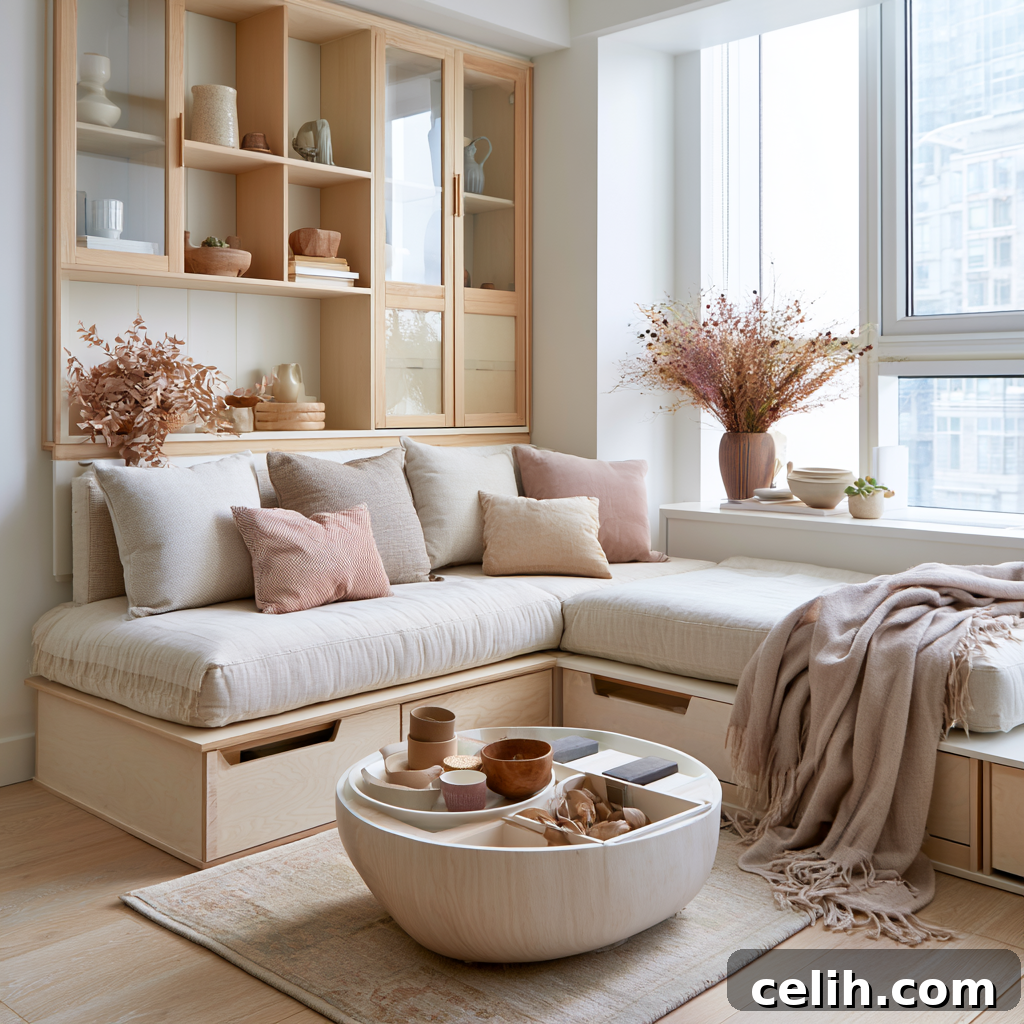
Contemporary homes value clarity, proportion, and visual calm, but modern life often produces the opposite. Small floor plans, hybrid work, frequent online shopping, and multi-use rooms can quickly turn even carefully designed interiors into cluttered spaces.
The real challenge is integrating storage intelligently without disrupting architectural flow or aesthetic identity. Below are practical, design-forward storage strategies for contemporary homes that prioritize functionality while preserving style.
Design Vertical Storage
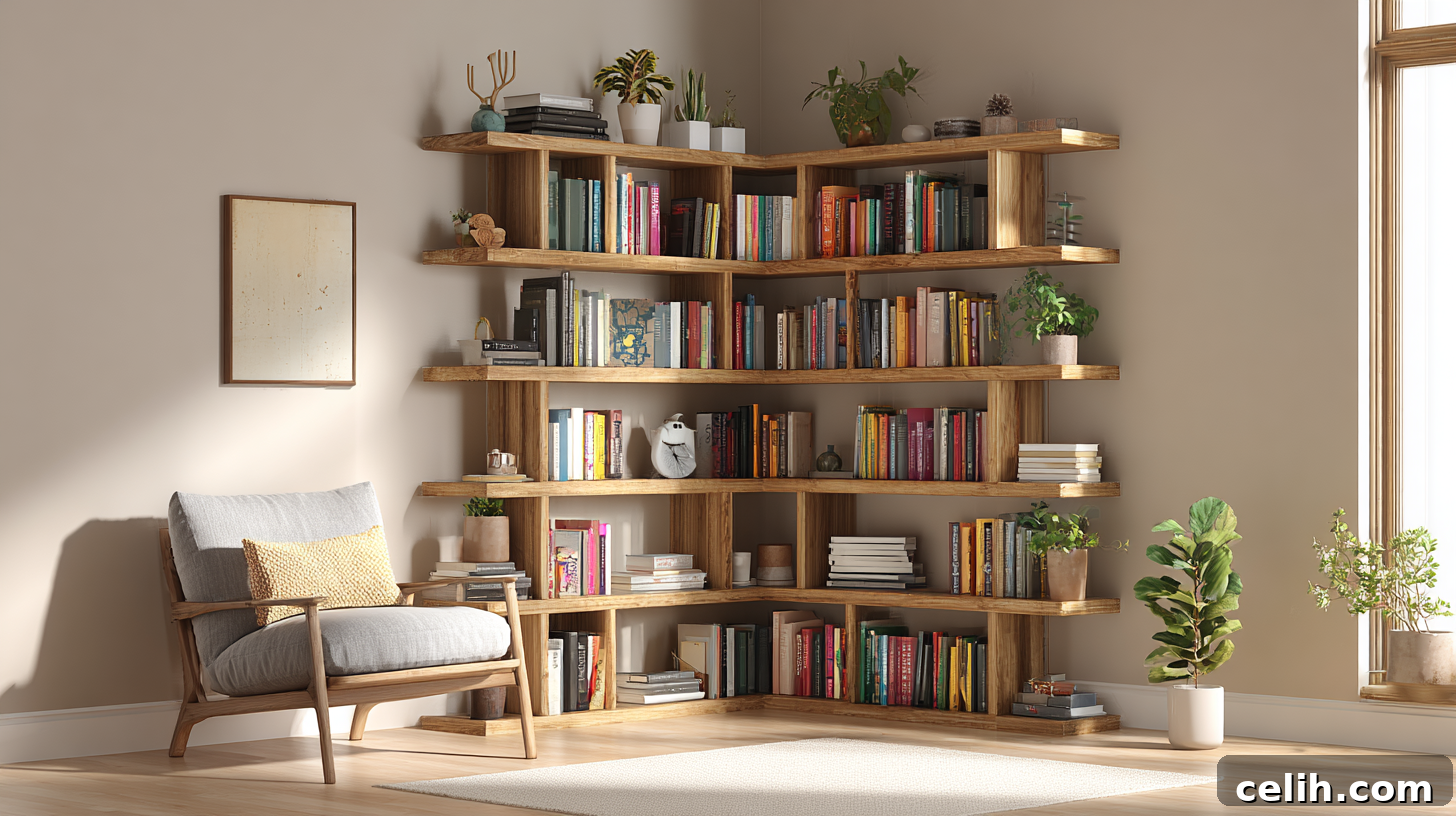
Many small homes underuse their vertical dimension. Walls frequently stop at eye level, leaving valuable storage potential untapped. Contemporary design treats vertical storage as both practical and decorative. Floor-to-ceiling shelving introduces rhythm and draws the eye upward, making compact rooms feel taller and more intentional.
Slim cabinetry integrated around door frames, ceiling-level compartments, and recessed wall niches offer meaningful storage without adding visual bulk. Contemporary interiors tend to avoid overly deep units, favoring shallow, well-organised options that maintain proportion and flow.
Multi-Functional Furniture
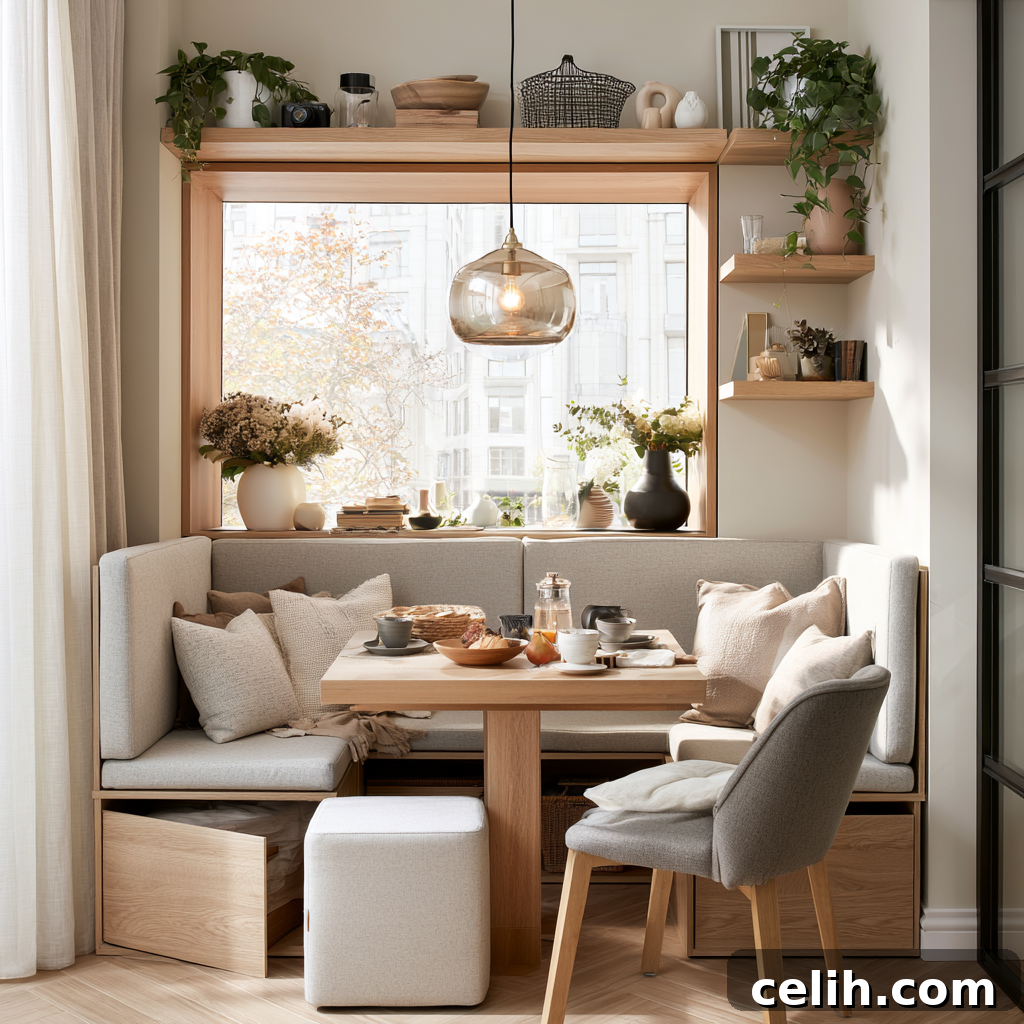
In smaller homes, furniture must do more than one job. The contemporary approach favors adaptable pieces that conceal storage while preserving sculptural simplicity. Platform beds with hidden drawers reduce the need for bulky dressers, and modular sofas with integrated compartments limit the requirement for extra cabinetry.
Dining benches with lift-up seats create discreet storage for seasonal items, linens, or entertainment accessories. Yet functionality alone is not enough: poorly conceived storage furniture can feel heavy and clutter a compact interior. The most refined pieces use elevated legs, slim profiles, and restrained silhouettes to keep spaces feeling open.
Kitchen Storage That Prioritizes Flow
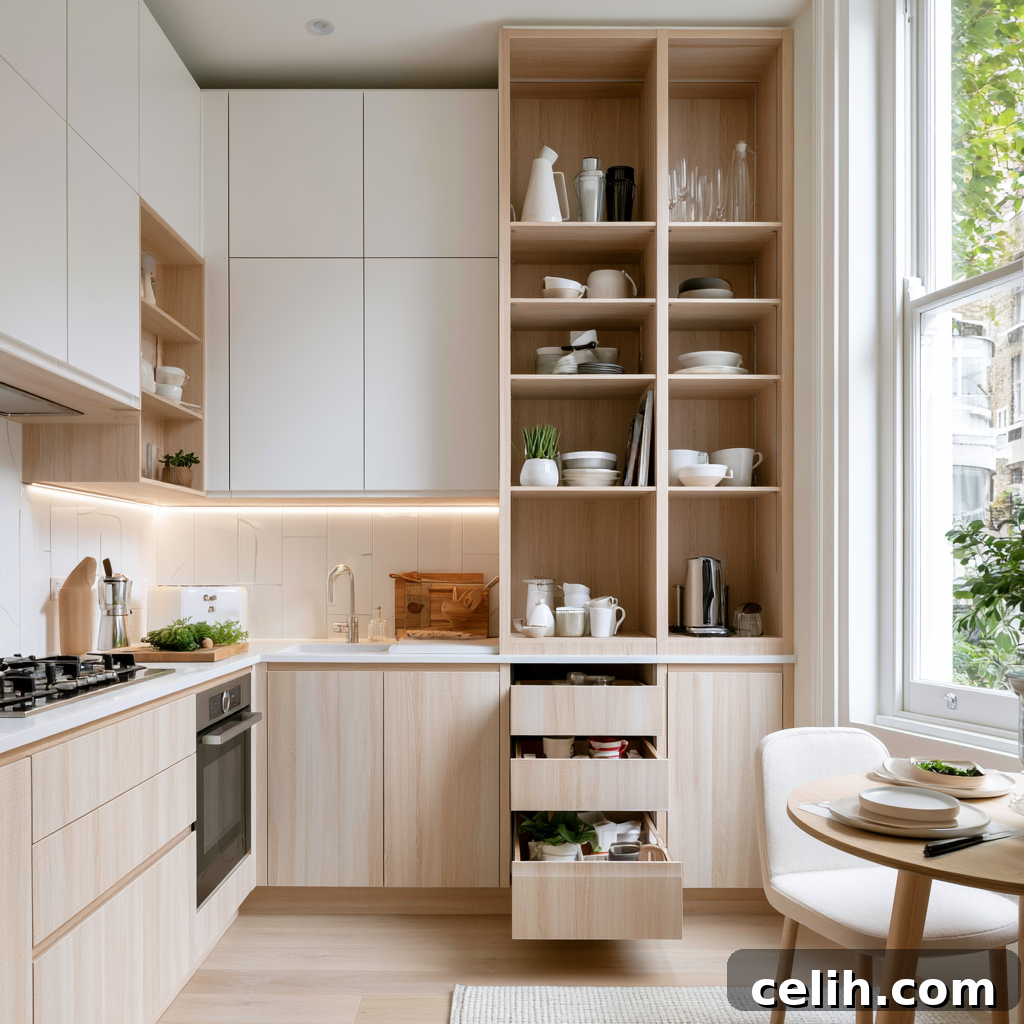
With open-plan living, kitchens are increasingly on display, so storage must balance efficiency with visual refinement. Traditional upper cabinets can make compact kitchens feel tight. Replacing portions of upper cabinetry with open shelving, integrated appliance garages, or concealed pantry walls preserves cleaner sightlines while keeping essentials accessible.
Drawer-based organisation has matured as well: deep, compartmentalised drawers often outperform shallow cabinets by maximising accessibility and reducing wasted space. Thoughtful inserts and pull-out systems keep utensils, cookware, and pantry items organised without crowding the room.
Create Calm Through Seasonal Rotation
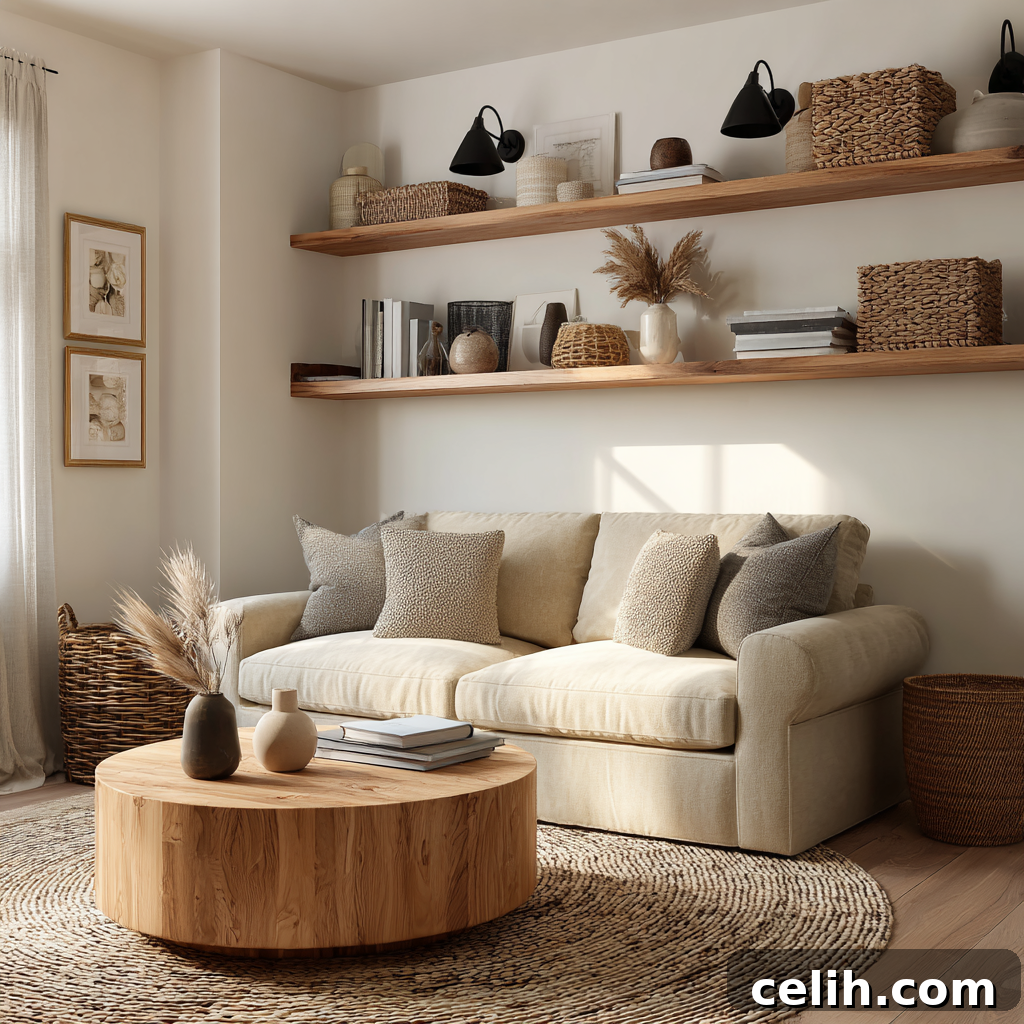
Controlled visibility is a powerful principle for small-home storage. Not every belonging needs to be accessible year-round. Seasonal rotation lightens the everyday environment and keeps storage requirements realistic. Move textiles, decorative accessories, outerwear, and hobby items in and out of circulation according to climate and lifestyle, so rooms feel curated rather than overloaded.
When undertaking larger seasonal refreshes, consider professional assistance for deep organisation and delicate items. Using careful services for laundering, storage preparation, and textile rotation helps protect furnishings and streamlines the transition between seasons.
Storage Solutions That Preserve Natural Light
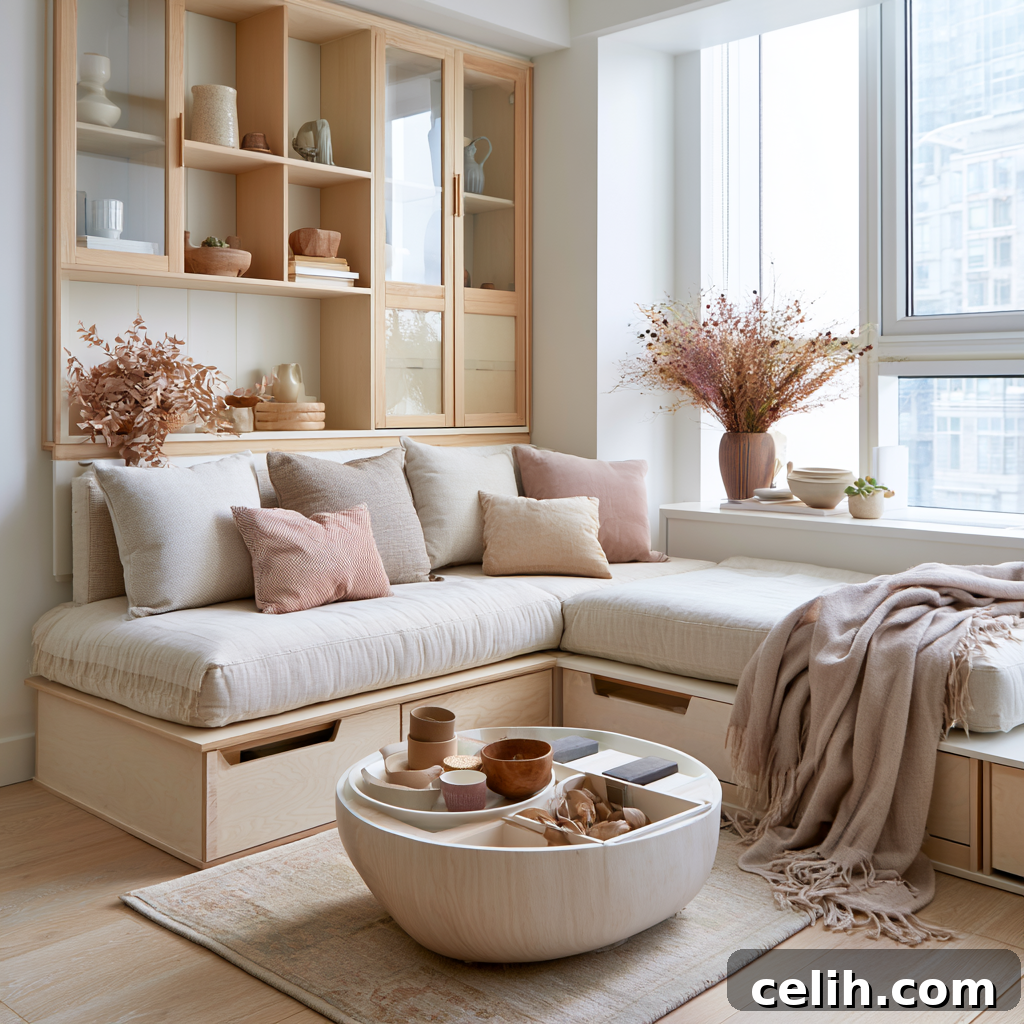
Sacrificing light for storage is a common mistake in compact homes. Oversized cabinetry, dark shelving, and poorly placed furniture quickly reduce a room’s sense of openness. Effective contemporary storage safeguards natural light as a core architectural asset.
Floating cabinets create visual breathing room beneath storage units. Glass-front doors and reflective finishes reduce perceived weight while bouncing light through the space. Pale woods and light-toned surfaces enhance brightness without feeling clinical, helping interiors stay warm and airy.
Endnote
Smart storage in a contemporary home is about more than hiding things; it shapes how space feels, functions, and supports everyday life. Thoughtful vertical solutions, multi-purpose furniture, kitchen systems that prioritise flow, seasonal rotation, and light-conscious design together create homes that are efficient, calm, and visually coherent.