
Mastering Home Staging: Your Definitive Guide to Selling Your House Faster and for Top Dollar
In today’s competitive real estate market, captivating buyers from the very first glance is paramount. It’s no longer enough to simply list your property; you need to present it as their dream home. This is where professional home staging comes into play – transforming your house into an irresistible space that commands attention and fetches the best possible price. Imagine walking into a home with beautifully lit rooms, thoughtfully arranged furniture, and elegant accents; these aren’t just features found in interior design magazines, but critical elements of a well-marketed property. Home staging is, in fact, one of the most impactful strategies for selling your home swiftly and efficiently.
Statistics consistently support the power of staging. A staggering 83% of real estate agents agree that a staged home sells faster than an unstaged one. With home prices continuing their upward trend, now is an opportune moment to put your property on the market. By strategically enhancing its appeal, you can tap into the pool of eager buyers looking for their next perfect residence. This comprehensive guide will equip you with essential tips and techniques to stage your home effectively, ensuring it stands out and attracts immediate buyer interest. From boosting exterior charm to refining interior aesthetics, every detail contributes to a successful sale.
Enhance Your Home’s Curb Appeal: Making a Stellar First Impression
The exterior of your home is the first thing potential buyers see, making curb appeal an absolutely critical factor in their decision-making process. A neglected exterior can deter buyers before they even step foot inside, leading them to question the overall maintenance of the property. To sell your home quickly and efficiently, you must ensure that its exterior creates an inviting and well-maintained impression. Begin by systematically clearing your yard of any debris. Depending on the season, this means removing fallen leaves and branches in the fall and winter, or meticulously pulling weeds and refreshing mulch in spring and summer. A neatly mowed lawn, trimmed hedges, and manicured flowerbeds free of overgrown plants are non-negotiable.
Beyond basic landscaping, consider elevating your home’s entrance. A fresh coat of paint on your front door can dramatically transform its appearance. Bold colors like vibrant red, classic navy, or bright teal can make a memorable statement, projecting energy and warmth. Alternatively, if you prefer the timeless elegance of a natural wood door, ensure it’s clean, polished, and perhaps adorned with a tasteful seasonal wreath. Don’t forget to inspect and update outdoor lighting fixtures; a well-lit entryway not only enhances safety but also adds to the inviting ambiance, especially for evening showings. For an added touch of charm, consider placing a couple of comfortable rocking chairs on your front porch, creating a welcoming vignette. Flank your front door with perfectly manicured topiaries or potted plants, and introduce subtle pops of color with decorative lawn ornaments or stylish hanging lanterns. Ensure pathways and driveways are clean and crack-free, possibly pressure-washing them to remove grime and stains. These thoughtful improvements signal to buyers that the home has been cared for and is ready to welcome them, fostering an immediate positive connection.
Embrace Neutrality: The Power of a Versatile Color Palette
While your vibrant pink accent wall might be a testament to your unique personality and design taste, it’s crucial to remember that potential buyers may not share the same aesthetic. What you adore, an interested buyer might perceive as a significant distraction or, worse, a costly problem they’ll need to address should they purchase your home. The goal of staging is to create a universally appealing environment that allows a wide range of buyers to envision themselves living in the space, rather than focusing on the seller’s personal style.
This is why neutral colors are overwhelmingly favored by the majority of home buyers and are a cornerstone of effective home staging. Neutrals like soft grays, warm whites, subtle beiges, and versatile greiges serve as a sophisticated, blank canvas. They make rooms feel larger, brighter, and cleaner, providing a basic, elegant background that complements any decor. This approach simplifies the staging process, as you won’t be decorating around an “eyesore.” Furthermore, using a consistent neutral color palette throughout the entire house creates a harmonious flow from room to room, making the home feel cohesive and well-designed. Neutral paints are not only cost-effective but also a powerful tool for maximizing your home’s perceived value and ensuring it resonates with the broadest possible audience.
Declutter, Depersonalize, and Deep Clean: The Foundation of Staging
Effective home staging cannot truly begin until the twin tasks of decluttering and deep cleaning are thoroughly completed. These steps are foundational, setting the stage for all subsequent enhancements and ensuring your home presents its absolute best. Think of it as preparing a clean slate that allows buyers to focus on the home’s features, not its contents.
Decluttering: Less is More. Start by removing anything that isn’t essential to the room’s function or aesthetic. This includes personal items such as family photos, unique memorabilia, and highly specific decorative pieces that reflect your taste rather than a universal appeal. Pack away toys, excess furniture that makes a room feel cramped, and any decorative items that create visual “noise.” Remember, buyers aren’t just looking at surfaces; they will open closets, pantry doors, and cabinet drawers to gauge storage space. Therefore, decluttering extends to these hidden areas as well. Aim to keep closets half-empty and neatly organized, allowing buyers to imagine their own belongings fitting comfortably. Consider renting a temporary storage unit for items you don’t need during the selling process. The less personal clutter a buyer sees, the easier it is for them to envision themselves and their family living in the space.
Deep Cleaning: Sparkling Perfection. Once the clutter is gone, a meticulous deep clean is imperative. This goes far beyond your regular tidy-up. Every surface, every corner, and every often-skipped area needs attention. This means scrubbing baseboards, wiping down walls, cleaning light fixtures, and polishing hardware. Windows should be sparkling, both inside and out, to maximize natural light. Pay special attention to kitchens and bathrooms, as these rooms are major selling points. Grout should be scrubbed clean, appliances (inside and out) should gleam, and sinks and toilets should be immaculate. Don’t forget to address odors; lingering smells from pets, cooking, or smoke can be a major turn-off. Open windows for fresh air, use subtle air fresheners, or even consider having carpets professionally cleaned. A truly deep-cleaned home conveys a sense of meticulous care and freshness, making it instantly more appealing to prospective buyers.
Choose Furniture Wisely: Defining Space and Flow
The strategic selection and arrangement of furniture are pivotal in home staging, influencing how buyers perceive space, functionality, and comfort. Rooms that are over-furnished or filled with mismatched pieces will inevitably look cluttered and smaller than they actually are. The key is to select furniture that enhances the room’s natural flow, defines its purpose, and allows buyers to move through the space comfortably without obstructions.
Begin by critically evaluating each piece of furniture. While you might cherish your oversized, overstuffed recliner, if it dominates the room, clashes with the overall aesthetic, or simply consumes too much valuable real estate, it needs to be removed for staging. Opt for furniture that is appropriately scaled for each room, making sure it doesn’t overwhelm the space. The chosen pieces should evoke a sense of coziness and welcome. This generally means favoring furniture upholstered in soft, inviting fabrics in warm, neutral colors over cold, metallic, or overly modern designs that might feel sterile. Aim for clean lines and a contemporary, universally appealing style.
Arrangement is equally important. Furniture should be positioned to guide buyers through the room, highlighting its best features and maintaining clear pathways. A good rule of thumb for traffic flow is to ensure there’s at least 30 to 36 inches of space between major furniture pieces. Simple yet effective ways to ensure your furniture arrangement follows a logical flow include orienting seating arrangements towards a room’s natural focal point, such as a fireplace, a large window with a view, or a built-in feature. Create conversational groupings in living areas, encouraging buyers to imagine social interactions within the space. Remember, the furniture’s role is not just to fill a room, but to showcase its potential, making it feel spacious, functional, and deeply inviting. If your current furniture doesn’t meet these criteria, consider renting staging furniture or consulting a professional stager for optimal results.
Maximize Illumination: Let There Be Light
Lighting plays a crucial role in shaping a buyer’s perception of your home. A well-lit space feels larger, more inviting, and more energetic, while a dim home can appear gloomy and cramped. Maximizing both natural and artificial light is an inexpensive yet incredibly effective staging technique.
Harnessing Natural Light: Natural light is undeniably the best way to illuminate your newly decluttered and perfectly staged rooms. Begin by ensuring your windows are spotless, both inside and out. Remove heavy, outdated curtains, thick blinds, or any window treatments that obstruct light. Instead, opt for light, sheer curtains or leave windows uncovered entirely to allow an abundance of natural light to flood the space. This simple change instantly makes rooms feel more expansive and airy. Strategically placed mirrors can also amplify natural light by reflecting it deeper into a room, making a significant impact in smaller or darker areas.
Optimizing Artificial Light: For rooms that receive less natural light, or for evening showings, artificial light becomes indispensable. The key is to create a warm, welcoming glow, avoiding harsh or overly bright illumination. Replace fluorescent bulbs with soft white or warm white LED bulbs, which mimic natural daylight and create a cozy ambiance. Ensure all light fixtures are clean and functional, and turn on every light for showings. Consider a layered lighting approach: ambient lighting (ceiling fixtures), task lighting (reading lamps, under-cabinet lights), and accent lighting (table lamps, wall sconces). You can further enhance warmth and atmosphere with strategically placed candles (battery-operated for safety) on countertops, shelves, or even around a bathtub, adding a touch of luxury and comfort. Proper lighting can transform a mundane space into a bright, cheerful, and desirable haven.
Focus on Key Areas: Where Buyers Make Their Decisions
While a well-staged home ideally impresses from every angle, not all rooms hold equal weight in a buyer’s decision-making process. Understanding which areas command the most attention allows you to prioritize your staging efforts and allocate resources effectively. As the National Association of Realtors highlights, certain rooms significantly sway buyer opinion.
- Living Room (46% impact): This is often the first communal space buyers encounter. Stage it to be comfortable, inviting, and versatile for relaxation and entertainment. Arrange furniture to facilitate conversation, define zones, and highlight any architectural features like a fireplace or a view. Keep decorative items minimal and universally appealing.
- Master Bedroom (43% impact): Buyers are looking for a serene sanctuary. Create a luxurious, tranquil atmosphere with crisp, neutral bedding, soft lighting, and minimal clutter. Ensure the room feels spacious and organized, suggesting a peaceful retreat after a long day. Remove personal items and family photos to help buyers envision their own haven.
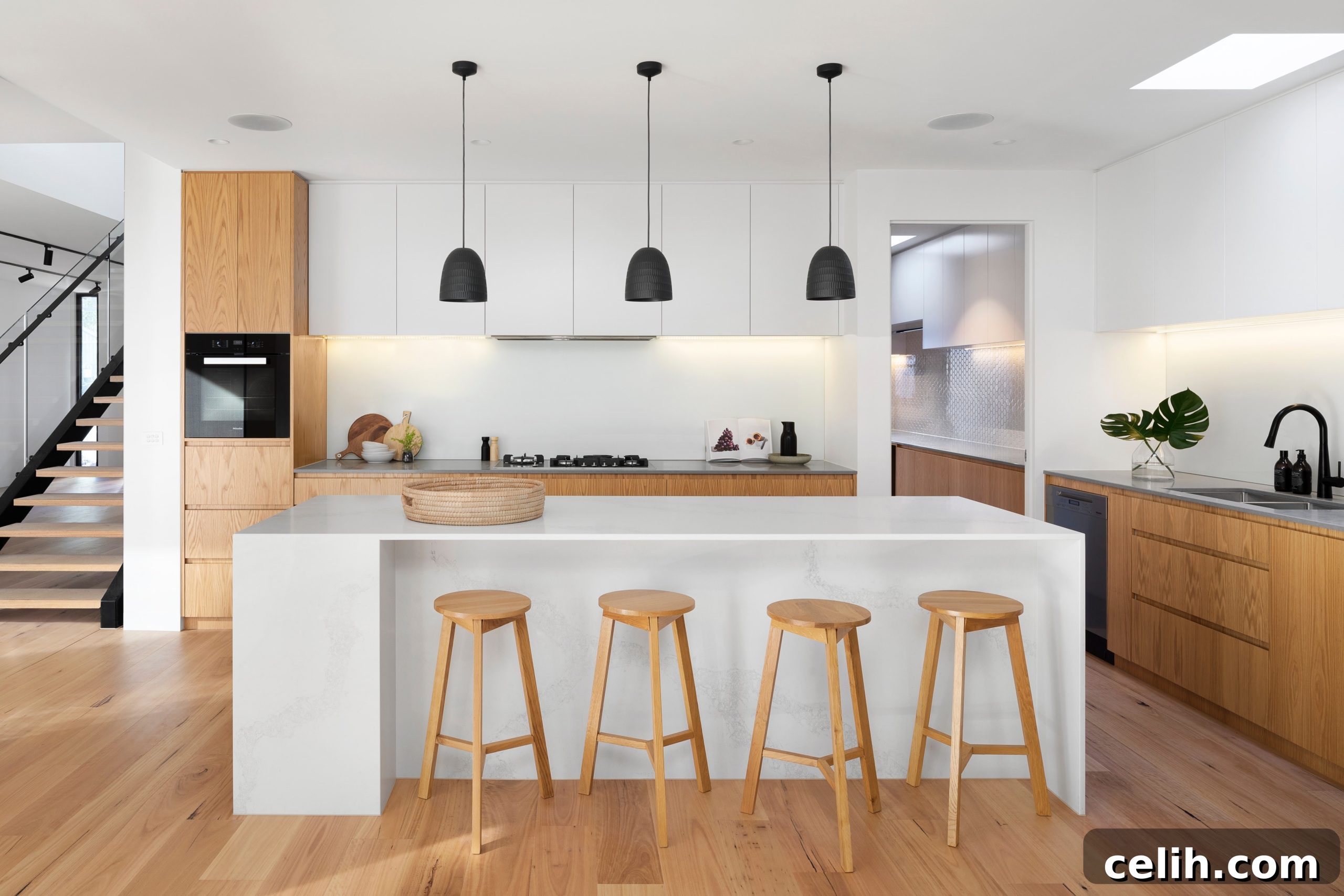
- Kitchen (35% impact): Often considered the heart of the home, the kitchen must appear pristine, functional, and spacious. Clear countertops, polish appliances, and ensure all fixtures sparkle. Add subtle touches like a bowl of fresh fruit or a single elegant plant to add warmth without clutter. Emphasize counter space and storage.
- Bathrooms: While not listed as high as the top three, bathrooms are critical. Aim for a spa-like feel with fresh, folded towels, clean surfaces, polished mirrors, and new shower curtains. Remove all personal toiletries.
- Dining Room: Stage with an elegant, simple table setting to demonstrate its functionality for entertaining.
While you don’t need to extensively stage every single room – few buyers are concerned with the intricate staging of a laundry room, for example – maintaining a consistent level of cleanliness and organization throughout the entire house is still important. Prioritizing these high-impact areas will yield the greatest return on your staging investment, helping buyers connect emotionally with your home.
Professional Photography: Capturing Your Staged Masterpiece
Once your home has been meticulously staged to perfection, the next crucial step is to capture its enhanced beauty through professional photography. In today’s digital age, the vast majority of buyers begin their home search online. High-quality, professional photographs are the virtual “first impression” that determines whether a buyer clicks through your listing or scrolls past it. Blurry photos, poor lighting, or images that don’t accurately represent the space can undermine all your staging efforts.
A professional real estate photographer understands how to utilize lighting, angles, and composition to showcase your home’s best features, making rooms look larger, brighter, and more inviting. They can highlight the thoughtful flow you’ve created, emphasize key architectural details, and capture the overall ambiance that will draw buyers in. These stunning visuals are not just pretty pictures; they are powerful marketing tools that generate more interest, increase showing requests, and ultimately lead to faster offers. Think of professional photography as the final, essential polish that makes your staged home truly shine online. With your home expertly presented both in person and digitally, all that is left to do is wait for the perfect buyer to fall in love and make an offer, securing a successful and profitable sale.