
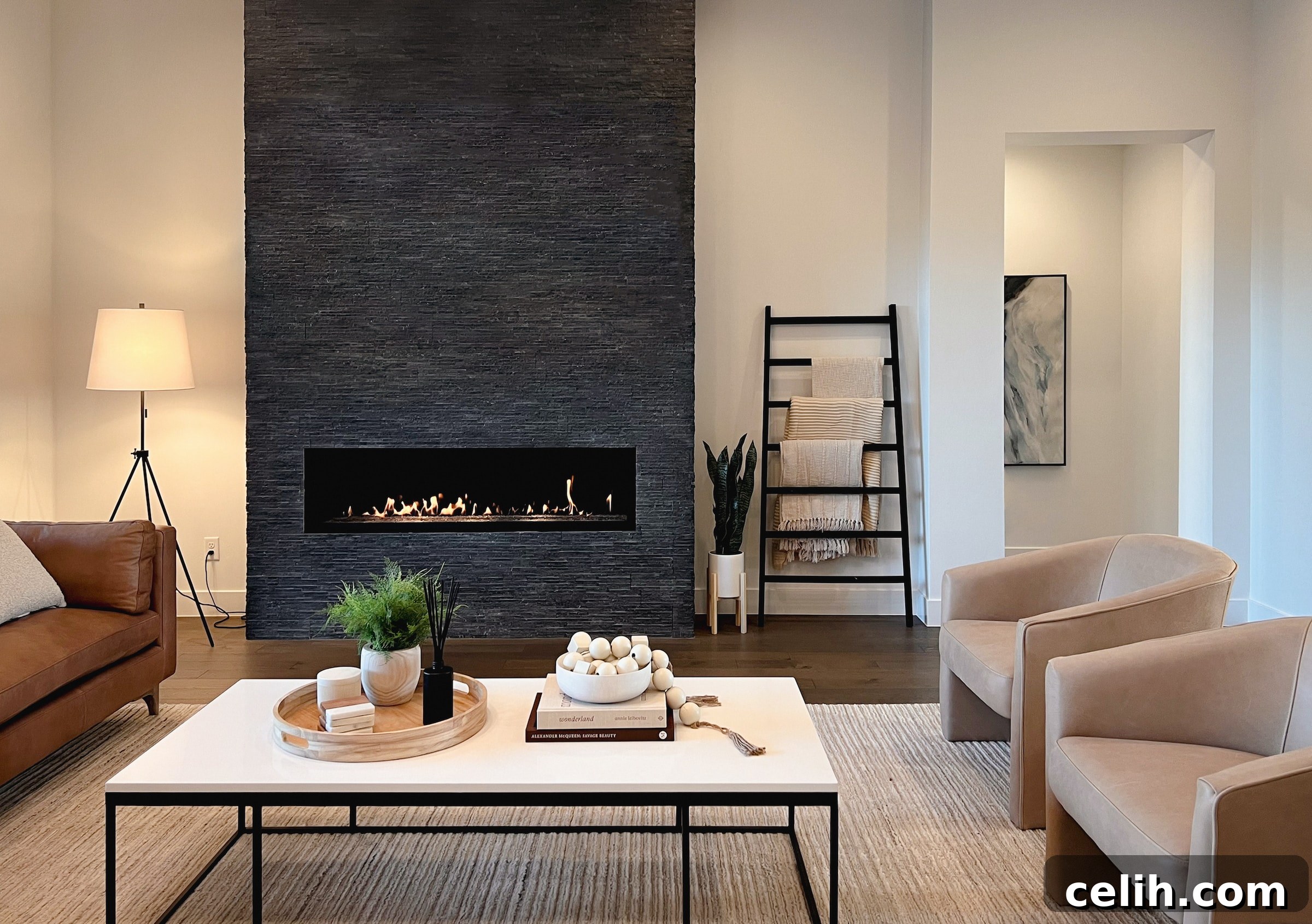
In the dynamic realm of real estate, staying abreast of the latest innovations is not just an advantage—it’s a necessity for sustained success. The industry is constantly evolving, driven by technological advancements that reshape how properties are marketed, viewed, and ultimately sold. Among the most groundbreaking innovations to emerge in recent years is virtual staging. This transformative technology harnesses sophisticated computer-assisted design (CAD) processes to digitally furnish and decorate vacant or outdated properties, transforming them into visually captivating, market-ready homes. Virtual staging has quickly become an indispensable tool for real estate professionals and home sellers, offering a powerful solution to common challenges in property marketing. This comprehensive guide will delve into the intricacies of virtual staging, exploring its fundamental principles, myriad benefits, potential challenges, and its profound impact on the modern real estate market and the sales process.
Understanding Virtual Staging: The Digital Makeover
At its core, virtual staging is the art and science of digitally enhancing photographs of vacant or sparsely furnished properties by adding virtual furniture, trendy decor, and other aesthetic elements. The primary goal is to create a vibrant, inviting, and highly appealing visual representation that resonates with prospective buyers. Unlike traditional staging, which involves the significant logistical effort and expense of physically moving and arranging furniture and decor, virtual staging is achieved entirely through sophisticated computer-generated imagery (CGI).
Skilled virtual designers utilize specialized software to meticulously insert three-dimensional models of furniture, artwork, rugs, and other decorative items into high-quality property photographs. Beyond merely adding items, they can also make subtle cosmetic changes, such as altering wall colors, updating flooring textures, or even enhancing lighting to craft a realistic and aesthetically pleasing portrayal of a home. This digital transformation plays a crucial psychological role, as it helps potential buyers move beyond envisioning an empty shell and truly see the full potential and lifestyle a particular space offers. By presenting a home that feels lived-in and thoughtfully designed, virtual staging overcomes the imagination barrier that often deters buyers when viewing vacant properties.
The Art and Science Behind Virtual Staging
The virtual staging process is a refined digital marketing technique employed in the real estate industry to significantly enhance a property’s visual appeal for potential buyers. It meticulously combines high-quality photography with advanced design software and computer-generated imagery to create stunning, realistic visualizations.
The journey typically commences with professional, high-resolution photographs of the vacant or minimally furnished property. These images are foundational, as their quality directly impacts the realism of the final staged photos. Expert photographers capture each room from multiple angles, ensuring comprehensive coverage and accurate representation of the space’s dimensions and architectural features. Once captured, these raw images are transferred to virtual stagers.
Virtual stagers, who are skilled designers with an eye for interior aesthetics, then employ specialized software. They digitally insert a diverse range of furniture, decorations, and other design elements, carefully selecting pieces that complement the property’s inherent style, align with current interior design trends, and appeal to the anticipated target demographic. This detailed consideration ensures that the virtual staging not only looks appealing but also tells a compelling story about the lifestyle the home could offer. The resulting virtually staged images are then seamlessly integrated into various marketing channels, including online listings, brochures, and promotional campaigns, significantly elevating the property’s presentation.
Key Elements Added Through Virtual Staging: Transforming Spaces
Virtual staging goes beyond mere decoration; it thoughtfully constructs an environment that resonates with potential buyers. Some of the key elements that can be expertly integrated include:
Furniture
Virtual stagers meticulously select and add realistic 3D furniture to rooms, encompassing everything from comfortable sofas and elegant dining tables to inviting beds and functional office setups. This strategic placement provides a tangible impression of how each space can be optimally utilized, helping buyers immediately grasp the scale and flow of rooms, which can be challenging to ascertain in an empty space. The chosen furniture styles are often contemporary and broadly appealing to maximize interest.
Decor
The inclusion of decorative items such as curated artwork, plush rugs, stylish lamps, and tasteful accessories plays a crucial role in enhancing the property’s overall aesthetic appeal. These elements add warmth, personality, and a sense of completeness, transforming a sterile environment into a welcoming home.
Color Schemes
Beyond adding items, virtual stagers can subtly adjust and harmonize the color schemes of walls, existing decor, and virtual furniture. This capability allows for the creation of a cohesive, modern, and visually pleasing look that aligns with current design trends, influencing a buyer’s perception of the property’s readiness and appeal without physical renovation.
Lighting
The manipulation of lighting in virtual staging is a powerful tool. Designers can simulate different times of day, from bright morning light to a cozy evening ambiance. This strategic use of light helps to highlight architectural features, create depth, and set a warm, inviting atmosphere that significantly impacts a viewer’s emotional connection to the space.
Landscaping and Exterior Enhancements
For properties boasting outdoor spaces, virtual staging can extend beyond the interior. This includes adding features like lush virtual lawns, vibrant gardens, inviting patio furniture, or even subtle enhancements to the exterior facade. Such additions significantly boost curb appeal and help potential buyers visualize themselves enjoying the outdoor amenities, providing a holistic view of the property’s potential.
Compelling Benefits of Virtual Staging for Modern Real Estate
Virtual staging offers a compelling suite of advantages that position it as a superior alternative to traditional staging methods:
1. Unmatched Cost-Effectiveness
Traditional staging incurs substantial expenses, involving the rental, transportation, and setup of physical furniture and decor, often for an extended period. Virtual staging dramatically circumvents these costs and logistical headaches. It provides a significantly more budget-friendly alternative, allowing sellers and real estate agents to achieve a professionally staged look at a fraction of the price. This saving can be redirected towards other marketing efforts or simply enhance the seller’s overall profit margin.
2. Enhanced Flexibility and Speed
One of virtual staging’s most compelling advantages is its unparalleled flexibility and speed. Unlike traditional staging, which demands physical rearranging or costly overhauls to adapt to different demographics, virtual staging enables instantaneous modifications. Designers can effortlessly experiment with diverse styles, color palettes, and furniture arrangements, allowing them to precisely tailor the visual presentation to appeal to various target audiences—from young families seeking modern open-plan living to retirees desiring classic comfort. This agility drastically reduces turnaround times for listing updates and empowers real estate professionals to react swiftly to market feedback, optimizing their marketing efforts with unprecedented efficiency.
3. Broader Appeal to a Diverse Audience
Virtual staging excels at customization, enabling marketers to target specific demographics with precision. Whether a property needs to attract young urban professionals, a growing family, or empty nesters, virtual staging can tailor the visual presentation to perfectly resonate with the preferences of the intended audience. This broadens the property’s appeal significantly, drawing in a wider pool of potential buyers who can easily envision themselves in the space, regardless of their personal style.
4. Maximizing Property Potential and Value
A key role of virtual staging is to showcase a property’s full potential while expertly highlighting its key features and subtly minimizing any less desirable aspects. By presenting a home that appears thoughtfully designed, spacious, and beautifully furnished, sellers can often justify higher asking prices and attract a greater number of competitive offers. This visual appeal helps buyers connect emotionally with the property, perceiving greater value.
5. Significantly Increased Online Visibility and Engagement
In today’s digital age, the crucial first impression of a property almost always occurs online. High-quality, virtually staged images dramatically enhance the attractiveness of real estate listings, making them stand out in a crowded market. Listings with professional, staged photos garner more views, clicks, and inquiries, leading to greater engagement from potential buyers browsing through countless online properties. This improved visibility is critical for capturing initial interest and driving traffic.
6. Faster Sales Cycles and Higher Return on Investment
Evidence consistently demonstrates that a well-staged property is significantly more successful in capturing buyer interest, leading to quicker sales. Properties that are virtually staged often spend less time on the market, reducing holding costs for sellers. Furthermore, virtual staging has been strongly associated with higher returns on investment, making it an incredibly valuable and strategic tool for both property owners and real estate professionals aiming to optimize their selling process and maximize profitability.
Challenges and Ethical Considerations in Virtual Staging
While virtual staging offers undeniable advantages, it is essential to acknowledge and navigate certain challenges and ethical considerations to maintain transparency and trust:
Managing Buyer Expectations
It is paramount that buyers are explicitly made aware that virtual staging presents a property’s potential, not an exact depiction of its current, unfurnished state. This means the furniture and decor shown in the images will not be present upon purchase. The importance of clear and consistent communication regarding this distinction cannot be overstated, as it helps prevent disappointment and frustration when potential buyers visit the physical property and find it empty.
Ensuring Ethical Use and Transparency
Concerns surrounding the ethical use of virtual staging often revolve around the potential to mislead buyers. To mitigate any misunderstandings and uphold integrity, transparency is absolutely essential. Sellers and agents should clearly disclose in property listings and during viewings that images have been digitally staged. This disclosure provides a fair representation of the property and builds trust with potential buyers, ensuring they understand what they are seeing.
Acknowledging Technological Limitations and Quality Variance
The effectiveness of virtual staging heavily relies on the underlying technology, the skill of the virtual stager, and the initial quality of the photographs. Poorly executed virtual staging, characterized by unrealistic lighting, ill-fitting furniture, or amateurish rendering, can have the opposite of the desired effect. Instead of attracting buyers, it can detract from the property’s appeal and raise doubts about the listing’s credibility, making a professional service crucial.
Addressing Personalization Challenges and Unique Features
While highly flexible, virtual staging may sometimes struggle to account for particularly unique architectural features, specific irregularities, or a property’s inherent charm that is best conveyed in person. In such cases, a blend of virtual and traditional staging, or even purely traditional staging, might be more effective to address specific challenges that digital enhancements alone cannot fully capture or articulate to the buyer’s satisfaction. It might also lack the tangible emotional connection some buyers seek from physically present decor.
Future Trends: The Evolving Landscape of Virtual Staging
As technology continues its rapid advancement, virtual staging is poised for even greater innovation and transformative developments. The future of virtual staging in the real estate industry is likely to be shaped by several exciting trends:
1. Deep Integration of Virtual Reality (VR)
Virtual staging is set to transcend static images and embrace immersive virtual reality experiences. This evolution will allow potential buyers to virtually “walk through” a meticulously staged property as if they were physically there, providing an unprecedentedly realistic and deeply engaging viewing experience. VR integration will facilitate virtual open houses and global property tours, revolutionizing how international buyers interact with listings.
2. Enhanced Personalization Powered by Artificial Intelligence (AI)
Artificial Intelligence is expected to play an increasingly significant role in virtual staging, enabling more personalized and adaptive solutions. AI algorithms will analyze vast datasets of buyer preferences, market trends, and property characteristics to suggest and even automatically generate customized virtual staging designs. This means a buyer could receive a staged view of a property tailored precisely to their expressed style preferences, making the connection even stronger.
3. Augmented Reality (AR) for Dynamic In-Person Viewings
Augmented Reality applications hold immense potential for bridging the gap between the virtual and physical worlds during in-person visits. Buyers could use their smartphones or AR-enabled devices to overlay virtual staging elements onto the actual empty rooms. Imagine holding up a phone and seeing a virtual sofa appear exactly where it would fit, or instantly visualizing different paint colors on the walls. This interactive capability would significantly enhance the on-site viewing experience.
4. Advanced Interactivity and Customization for Buyers
Future iterations of virtual staging could offer unparalleled interactivity, allowing potential buyers to modify virtual elements within a staged property in real-time. This might include changing furniture layouts, experimenting with different finishes for countertops or flooring, or swapping out decorative items to better suit their personal tastes. This level of customization would empower buyers to truly visualize the property as their future home, fostering a deeper sense of ownership and engagement before a purchase is even made.
Virtual Staging: A Cornerstone of the Real Estate Revolution
Virtual staging has unequivocally emerged as a transformative force in the real estate landscape, effectively revolutionizing the home selling and marketing process. Its ability to offer a cost-effective, highly flexible, and dynamic alternative to traditional staging methods is unparalleled. By significantly enhancing online listings, captivating a wider and more diverse audience, and demonstrably accelerating the sales cycle, virtual staging has solidified its position as an invaluable asset for both property sellers and savvy real estate professionals.
As technology continues its relentless march forward, the future of virtual staging promises even more exciting possibilities, from fully immersive virtual reality experiences to intelligent, AI-driven personalized designs. However, navigating this technological evolution responsibly requires a steadfast commitment to addressing ethical considerations and ensuring transparent communication with buyers. By upholding these principles, the real estate industry can continue to harness the immense power of virtual staging, building trust while continuously innovating and redefining the standards of property presentation and sales in the digital age.