
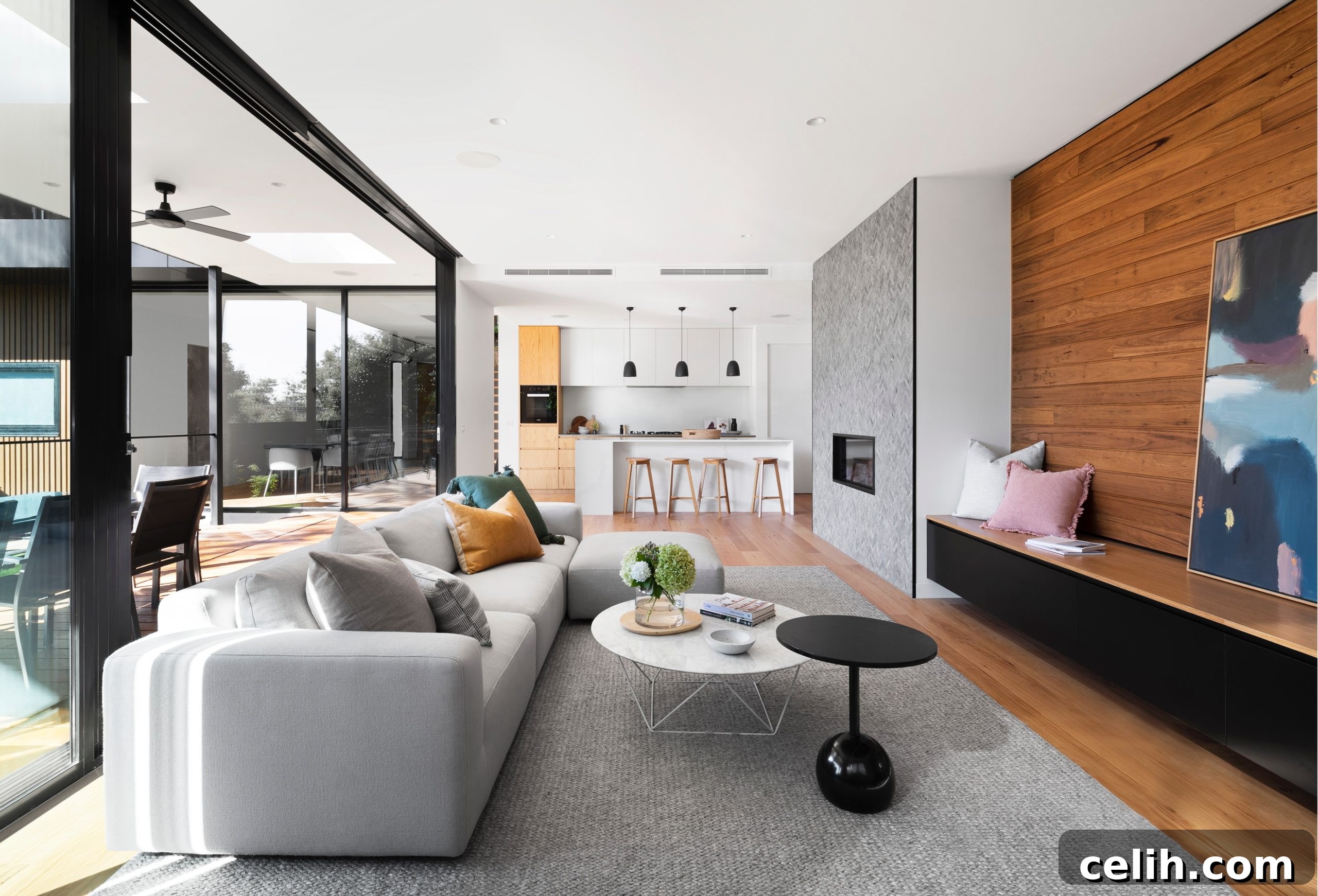
Are you looking to infuse your property with an unmistakable touch of modern elegance and elevated sophistication? Perhaps you envision spaces bathed in natural light, boasting seamless transitions and breathtaking visual appeal. If so, then **structured glass design** could be the transformative architectural solution you’ve been searching for. This innovative approach to integrating glass into building structures has rapidly gained acclaim for its unique properties, aesthetic versatility, and profound impact on contemporary design.
Far beyond traditional windows, structural glass refers to load-bearing glass components that form integral parts of a building’s structure, offering both functional support and stunning visual elements. It allows architects and homeowners to push the boundaries of conventional design, creating truly extraordinary living and working environments. This comprehensive guide will delve deep into the myriad benefits of structured glass, explore inspiring design ideas for its incorporation into any property, and outline crucial factors to consider when selecting a reputable structural glass service.
The Unmatched Benefits of Structured Glass Design for Modern Properties
Embracing structured glass design in your architectural project unlocks a spectrum of advantages that enhance both the functionality and aesthetic value of your property. From creating luminous interiors to ensuring lasting durability, here’s why structured glass stands out as a superior choice for contemporary building:
- Exceptional Visual Appeal and Contemporary Aesthetics: Structured glass is a beacon of modern architectural design. Its clean lines, inherent transparency, and ability to be crafted with exquisite patterns and textures – from subtle frosting and reeded finishes to intricate etching – create a mesmerizing interplay of light and shadow. This not only enhances the aesthetic appeal of any space but also adds significant depth, character, and a luxurious feel, making your property truly stand out. It transforms ordinary elements into visually stunning focal points, contributing to a truly unique and sophisticated ambiance.
- Maximized Natural Light and Enhanced Well-being: One of the most compelling benefits of structured glass is its unparalleled capacity to invite abundant natural light into interiors. Unlike opaque walls, glass elements allow sunlight to penetrate deep within a property, reducing reliance on artificial lighting during the day. This diffusion of light, especially through textured or patterned glass, can create beautiful design effects, scattering light in multiple ways while minimizing harsh glare. Increased natural light is not merely an aesthetic advantage; it significantly boosts occupant well-being, mood, and productivity, offering a much-needed daily dose of Vitamin D and creating a sense of warmth and vitality throughout your home or commercial space.
- Unrivaled Versatility in Architectural Application: Structured glass offers an extraordinary degree of design flexibility, making it adaptable to virtually any architectural element. Whether you’re considering expansive glass facades that redefine a building’s exterior, elegant interior partitions that maintain an open feel, striking ceiling features, or dramatic stairwells, structural glass provides countless opportunities for creative expression. Its ability to be engineered into various forms and functions means it can be seamlessly incorporated into diverse spaces, providing architects and designers with the freedom to realize bold and innovative visions. From frameless shower enclosures to robust glass floors, the possibilities are virtually limitless.
- Superior Durability and Low Maintenance Requirements: Engineered using advanced techniques, structured glass is designed to be exceptionally durable and long-lasting. Often incorporating toughened (tempered) or laminated glass, it can withstand significant environmental factors, including wind loads, temperature fluctuations, and even impact, ensuring structural integrity and safety. This inherent resilience translates into minimal maintenance needs over its lifespan. Structured glass surfaces are generally easy to clean and resist corrosion, making them a practical and cost-effective solution for both residential and commercial properties. This longevity and ease of care contribute to lower operational costs and greater peace of mind for property owners.
- Creating an Illusion of Expansive Space: In both compact and sprawling properties, structured glass can dramatically enhance the perception of space. By utilizing glass partitions, dividers, or even transparent balustrades, you can maintain an open, airy, and visually connected environment while still defining distinct areas within a floor plan. This seamless integration allows light and sightlines to flow unobstructed, preventing a cramped or confined feeling often associated with solid walls. The psychological effect of an open and spacious interior contributes significantly to a more comfortable, breathable, and inviting atmosphere, making structured glass an ideal choice for modern living.
- Enhanced Sound Insulation: Depending on its composition, structured glass can offer excellent acoustic performance. Thicker glass panels, laminated glass with specific interlayers, or double/triple glazing units are highly effective in reducing noise transmission from outside or between different zones within a building. This benefit is particularly valuable in urban environments or in spaces where privacy and tranquility are paramount, such as home offices, bedrooms, or conference rooms.
- Improved Energy Efficiency and Thermal Performance: Modern structured glass solutions are not only about aesthetics but also about sustainability. With advancements like low-emissivity (low-E) coatings, inert gas fills (e.g., argon or krypton) between panes, and thermal breaks in framing systems, structural glass can significantly improve a building’s thermal performance. This helps to regulate indoor temperatures, reducing heat loss in winter and heat gain in summer, leading to lower heating and cooling costs and a smaller carbon footprint.
- Increased Property Value: Investing in contemporary architectural features like structured glass can significantly boost your property’s market value and appeal. Buyers are increasingly drawn to homes and commercial spaces that offer abundant natural light, open layouts, modern aesthetics, and energy-efficient solutions. Structured glass designs are a clear indicator of quality, innovation, and thoughtful design, making a property more attractive and competitive in the real estate market.
Incorporating Structured Glass in Your Property: Innovative Design Ideas
The versatility of structured glass opens up a world of creative possibilities for enhancing your property. Here are some inspiring design ideas to integrate this sophisticated material into various aspects of your building, transforming it into a masterpiece of modern architecture:
- Spectacular Glass Facades and Curtain Walls: Structured glass panels can be used to create breathtaking facades that showcase your property’s unique character with an undeniable touch of modernity and elegance. From point-fixed glazing systems that offer a minimalist, frameless look to sophisticated curtain wall systems, glass facades allow for expansive views and flood interiors with natural light. They create a striking visual impact from the exterior while offering occupants a deep connection with their surroundings.
- Elegant Balconies, Decks, and Balustrades: Enhance your outdoor living spaces by incorporating structured glass balustrades for balconies, decks, and patios. These frameless or minimalist glass barriers provide safety and wind protection without obstructing views, allowing for an uninterrupted connection with the landscape. Toughened glass makes an ideal screen for use around a garden patio or deck, creating stunning outdoor zones that extend your property’s appeal and living areas, blending seamlessly with both contemporary and traditional designs.
- Transformative Interior Elements: Infuse your interiors with unparalleled sophistication by adding structured glass elements throughout. Consider full-height glass partitions or sliding glass doors to define spaces within an open-plan layout while maintaining visual continuity and light flow. Textured or frosted glass walls can create an illusion of greater space and provide privacy without sacrificing brightness. Furthermore, frameless glass shower enclosures offer a sleek, spa-like aesthetic for bathrooms, and back-painted glass panels can serve as modern, easy-to-clean splashbacks in kitchens.
- Stunning Glass Staircases and Walkways: Elevate the beauty of your staircase by incorporating structured glass balustrades, risers, or even entire glass treads. The intricate patterns and light-reflecting properties of structured glass can turn a mundane staircase into a breathtaking architectural centerpiece. For an even more dramatic effect, consider glass floors or walkways that allow light to filter through to lower levels, creating a truly unique and luxurious experience. These elements are not just functional but also serve as powerful design statements.
- Luminous Skylights and Glass Roofs: Bring more natural light into shaded areas and give an illusion of a larger, more open space by installing structured glass skylights or even entire glass roofs. These features not only maximize daylight penetration but also offer stunning views of the sky and stars, creating a dynamic connection to the outdoors. Embracing floor-to-ceiling windows and large glass installations expand views and fill spaces with natural light, blurring the lines between indoor and outdoor living.
- Modern Canopies and Awnings: Structured glass can also be employed to create elegant canopies and awnings over entrances, patios, or walkways. These structures provide protection from the elements while maintaining light transmission and an unobstructed view, adding a refined touch to the building’s exterior.
Key Considerations When Implementing Structured Glass Design
While structured glass design offers immense creative possibilities and numerous advantages, successful implementation requires careful consideration of several key factors. Ensuring a well-planned approach will help you achieve a stunning, functional, and long-lasting result for your property:
- Practicality and Functionality Alignment: It is paramount to ensure that the chosen structured glass design seamlessly aligns with your property’s specific functionality and user needs. Balancing high aesthetics with practical considerations such as privacy, ventilation, and ease of access will result in a space that is not only visually appealing but also highly usable and comfortable. For instance, while a fully transparent glass partition might look stunning, an office space might benefit more from smart glass (switchable privacy glass) or textured glass for added discretion.
- Optimizing Lighting and Glare Control: Carefully consider how both natural and artificial light sources will interact with the structured glass elements throughout the day and night. The orientation of the glass, the sun path, and potential glare should be evaluated during the design phase. Experiment with different lighting techniques – including backlighting, uplighting, and strategic placement of fixtures – to maximize the captivating effects of glass’s patterns and textures. Solutions like fritting, coatings, or integrated blinds can help manage solar gain and glare, creating a comfortable and well-balanced luminous environment.
- Prioritizing Energy Efficiency and Thermal Performance: To maximize the benefits of natural light and temperature regulation, it is crucial to specify energy-efficient glass. Modern glass technologies offer various solutions such as low-emissivity (low-E) coatings that reflect heat, double or triple glazing with inert gas fills (e.g., argon) to improve insulation, and specialized thermal breaks in framing systems. These features significantly reduce heat transfer, contributing to lower energy consumption for heating and cooling, and enhancing the overall sustainability of your property.
- Adherence to Building Regulations and Safety Standards: Structured glass, particularly when used in load-bearing applications like floors, roofs, or balustrades, must comply with stringent local building codes and safety regulations. This involves specifying the correct type of safety glass (e.g., tempered, laminated, or heat-strengthened), ensuring adequate structural support, and verifying load-bearing capacities. Professional guidance is essential to navigate these requirements and guarantee the safety and integrity of the installation.
- Collaboration with Experienced Experts: When embarking on a structured glass project, it is highly beneficial, if not essential, to collaborate closely with experienced architects, structural engineers, and glass specialists. Professionals who understand the intricate engineering and design possibilities of this material can provide invaluable insights, guide you through the complexities of design and installation, and ensure the project’s success from conception to completion. Their expertise is critical for proper structural analysis, material selection, fabrication, and seamless installation.
- Budgeting and Cost Implications: Structured glass solutions, especially custom designs and high-performance glass types, can represent a significant investment. It’s important to establish a clear budget early in the planning process and understand the cost implications associated with specialized glass fabrication, sophisticated installation techniques, and potential structural modifications to your property. While the initial outlay might be higher than conventional materials, the long-term benefits in aesthetics, energy savings, and property value often justify the investment.
Wrapping Up Your Vision with Structured Glass
Structured glass design is more than just a building material; it’s an architectural philosophy that embraces light, space, and modern aesthetics to create truly inspiring environments. Its ability to transform any property, whether residential or commercial, is unparalleled, offering a blend of beauty, functionality, and sustainability that resonates with contemporary living.
Remember, the beauty and versatility of structured glass design are not limited to new construction projects alone. It can also be seamlessly incorporated into renovations and remodelling initiatives, breathing new life into existing spaces and imbuing them with a modern, sophisticated twist. By strategically integrating glass elements, you can unlock hidden potential, expand perceived space, and elevate the entire ambiance of your property.
So, don’t settle for the ordinary when you have the power to create something extraordinary. Embrace the limitless beauty and endless possibilities that structured glass design offers, and let your property shine like never before, becoming a testament to innovative design and timeless elegance.