
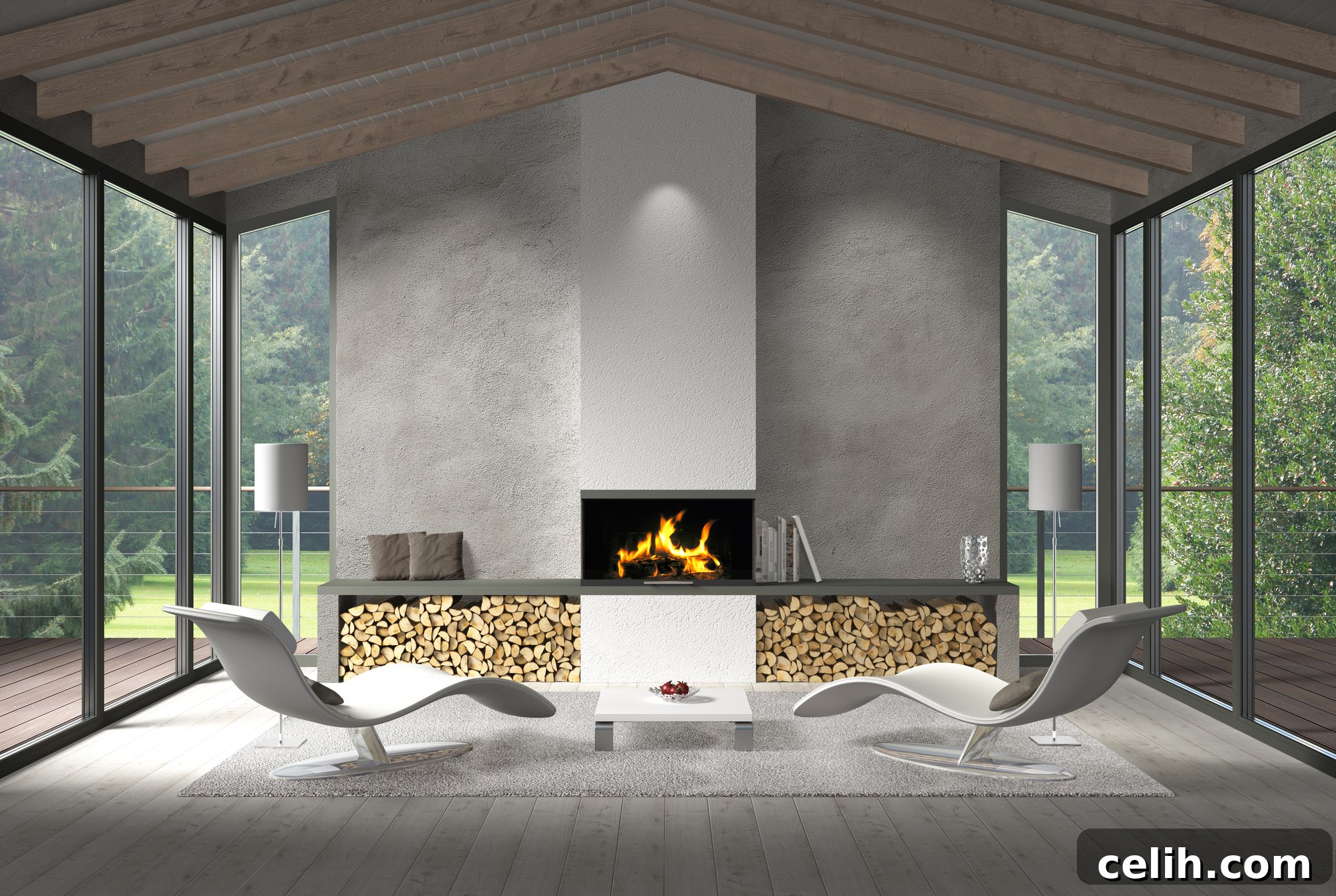
Minimalism is more than just an interior design trend; it’s a profound philosophy that guides the creation of a serene, functional, and deeply personal living space. At its core, minimalist design seeks to simplify our surroundings, eliminating clutter and focusing on elements that bring genuine value, peace, and beauty. This timeless aesthetic resonates with those craving a tranquil escape from the demands of modern life, offering a streamlined environment where one can truly unwind and flourish. Embracing the principle of ‘less is more,’ minimalism is not about sterile, empty rooms, but rather about intentionality – carefully curating furniture, decor, and spatial arrangements to foster harmony and calm.
This comprehensive guide delves into the essence of minimalist interior design, providing fresh ideas and actionable tips to help you achieve that coveted clean, uncluttered look. We’ll explore how to transform your home into a soothing sanctuary that not only looks effortlessly stylish but also supports a more mindful and peaceful way of living. From intelligent decluttering strategies to the thoughtful integration of natural elements and functional furnishings, prepare to unlock the true potential of simplicity and create a space that feels both expansive and uniquely yours.
Embrace the Elegance of Simplicity and Strategic Decluttering
The foundation of any successful minimalist interior lies in the art of embracing simplicity. This journey begins with a meticulous decluttering process, a method popularized by experts like Marie Kondo, encouraging you to evaluate each item in your home. Ask yourself critical questions: Does it serve a practical purpose? Does it evoke joy or hold significant sentimental value? By thoughtfully paring down your possessions, you not only create physical space but also mental clarity. Removing unnecessary items allows the remaining pieces to shine, bringing focus to strong, simple shapes and functional designs.
When selecting your color palette, opt for neutral tones such as crisp whites, soft creams, warm beiges, and subtle grays. These hues reflect natural light, enhancing the perception of spaciousness and contributing to a peaceful atmosphere. While a neutral base is key, don’t shy away from incorporating muted accent colors through textiles or small decorative items to add depth and personality without overwhelming the senses. Walls should remain largely unadorned, featuring only a select few pieces of artwork that complement your chosen aesthetic and color scheme, carefully placed to create visual interest without clutter.
Quick tip: Bookcases often become unintentional clutter magnets. Take the time to curate your book collection, keeping only those volumes that you truly cherish or frequently reference. For a minimalist aesthetic, consider arranging books by color for a cohesive look, or experiment with grouping them in stacks and piles interspersed with decorative objects to create intentional negative space. This approach not only makes your bookshelf more visually appealing but also reinforces the ‘less is more’ philosophy, transforming a potential source of clutter into a styled focal point.
Beyond books, extend this intentionality to all visible surfaces. Clear countertops, empty table surfaces, and tidy shelves are hallmarks of minimalist living. This doesn’t mean banishing everything, but rather ensuring that every item present has a purpose or contributes to the overall aesthetic. Consider hidden storage solutions for everyday items that don’t need to be on display, such as remote controls, charging cables, and mail. By being deliberate about what you keep and where you keep it, you cultivate an environment that supports focus, relaxation, and a sense of calm order.
Infusing Warmth and Depth with Natural Design Elements
While simplicity and clean lines define minimalism, incorporating natural design elements is crucial for adding depth, warmth, and character, preventing spaces from feeling cold or impersonal. This is especially vital when working with a predominantly neutral color palette, as texture becomes the primary vehicle for visual and tactile interest. Texture invites touch, creating subtle layers and sensory experiences within a room without the need for additional objects or excessive ornamentation.
Tonality plays a significant role in making a minimalist space feel welcoming and cozy. Varying shades of a single color or subtle shifts in material finish can create a rich, layered effect. Warm woods, in particular, are indispensable in achieving this balance. Whether through furniture, decorative accents, or flooring, wood introduces an organic softness and a grounding presence. Wooden or wood-look floors, for instance, are not only durable and low-maintenance – making them ideal for busy households with children or pets – but they also instantly infuse a sense of luxury and warmth into a minimalist setting. Their natural grain and rich hues create a visually appealing and inviting foundation for the entire room, connecting the indoor environment with the natural world outside. Explore different wood species like oak, walnut, or maple, each offering a unique color and grain pattern that can subtly influence the room’s mood.
Beyond wood, consider other natural textures such as linen drapes, wool throws, cotton rugs, or even ceramic and stone elements. A chunky knit blanket draped over a sofa, a simple jute rug underfoot, or a hand-thrown ceramic vase on a shelf can introduce tactile appeal and visual softness. These elements, though subtle, break up the sleekness of minimalist design, providing a human touch and a sense of comfort that is essential for a truly inviting home. The interplay of smooth, hard surfaces with soft, organic textures creates a dynamic yet harmonious environment that is both visually engaging and profoundly calming.
Bringing the Outside In: Light, Life, and Lush Greenery
Integrating natural elements like abundant sunlight and vibrant plants is a powerful way to transform a minimalist space, shifting its ambiance from potentially stark to genuinely fresh, inviting, and alive. Light, particularly natural light, is a phenomenal tool for expanding the perception of space and enhancing mood. To maximize its impact, ensure windows are unobstructed by heavy furniture or overly ornate treatments. Opt for sheer, semi-transparent curtains or blinds made from natural fibers like linen, which diffuse light beautifully while maintaining privacy. Strategically placed large mirrors can also work wonders, reflecting light deep into the room and making it feel significantly larger and brighter. Consider the direction of natural light throughout the day and arrange your layout to best capture it.
Another crucial aspect of bringing nature indoors is through the strategic placement of greenery. Houseplants possess an incredible ability to purify the air, reduce stress, and inject a vibrant, calming energy into any environment. Their lush, organic forms contrast beautifully with the clean lines of minimalist design, adding a vital touch of life and color. Whether you choose a dramatic, tall plant in a simple ceramic pot to anchor a corner, or a collection of smaller plants cascading from a shelf, there are countless options to suit your space and lifestyle. Low-maintenance varieties like snake plants, ZZ plants, or pothos are perfect for those new to indoor gardening. For an additional pop of natural color and fragrance, a vase filled with a fresh bouquet of your favorite seasonal flowers can instantly elevate the mood and visual appeal of a room, creating a focal point that is both beautiful and ephemeral. Integrating nature not only enhances the aesthetic but also promotes a sense of well-being, connecting inhabitants to the natural world and fostering a tranquil atmosphere.
Beyond plants, consider other subtle natural touches. Incorporate elements like smooth river stones in a decorative bowl, a piece of driftwood on a shelf, or textiles made from organic materials. Even the visual presence of natural textures and colors can have a profound psychological effect, promoting relaxation and reducing stress. The goal is to create a seamless connection between your interior and the outside world, inviting a sense of peace and natural harmony into your minimalist haven.
Maximizing Functionality and Flow with Thoughtful Furniture Choices
In minimalist interior design, furniture isn’t just about aesthetics; it’s about intelligent functionality and strategic placement. Selecting the right pieces – considering their size, style, and utility – is paramount to achieving a clean, uncluttered, and highly efficient look. Prioritize multifunctional furniture that seamlessly integrates clever storage solutions. This approach is key to effective decluttering, allowing you to hide everyday items discreetly and maintain a streamlined appearance.
Imagine a sofa with discreet under-seat drawers, an ottoman that doubles as hidden storage for blankets or magazines, or a sleek coffee table designed with compartments for remote controls and books. Dining tables that fold down or extend are perfect for smaller spaces or for accommodating varying numbers of guests without permanently occupying valuable floor area. Built-in shelving and cabinetry also play a vital role, providing customized storage that blends seamlessly with the architecture of the room, further reinforcing the minimalist ethos of concealed organization.
Furniture can also be strategically utilized to define separate zones within a larger room, enhancing functionality without disrupting the overall flow. While open-plan layouts naturally lend themselves to minimalist design due to their inherent spaciousness, even smaller rooms can adopt this aesthetic with clever planning. Consider using low-profile room dividers, such as open shelving units or slender screens, to delineate areas like a home office nook, a reading corner, or a dining space within a living room. Low cabinets and consoles can similarly serve as subtle boundaries, preserving an open feel while providing essential storage. Furthermore, keeping furniture low to the ground contributes significantly to the perception of higher ceilings and enhanced vertical space, creating an expansive and airy feel that reinforces the minimalist commitment to visual lightness and openness. Every piece of furniture should be chosen for its purpose, its ability to contribute to the overall aesthetic, and its potential to maximize the utility and flow of your home.
Modular furniture systems also offer immense flexibility, allowing you to adapt your space as needs change. Sectional sofas that can be reconfigured, or shelving units that can be expanded or contracted, empower you to maintain a dynamic and functional environment without accumulating excess. The objective is not to have less, but to have exactly what you need, thoughtfully selected for its quality, versatility, and ability to enhance your daily living experience.
The Art of Mindful Decorating: Curated Beauty and Personal Expression
At the very heart of minimalist design lies the profound principle of mindful decorating. This approach goes beyond merely arranging items; it involves a deliberate and thoughtful consideration of each object and its precise placement within your space. The goal is to avoid overcrowding and eliminate any visual clutter, ensuring that every element contributes meaningfully to the overall tranquility and aesthetic appeal of your home.
Instead of scattering numerous small items, focus the viewer’s attention by creating one or two carefully chosen focal points. These could be an oversized piece of contemporary art, a beautifully crafted mirror that reflects light and expands the room, or a cherished sculpture that holds deep personal significance. Such focal points set the tone for the room, drawing the eye and making a statement without compromising the inherent simplicity of the minimalist aesthetic. This intentionality allows you to showcase your most treasured items, transforming them into art pieces themselves, while rigorously maintaining the essence of minimalism: quality over quantity.
Mindful decorating is also about understanding the power of negative space. The empty areas around your furniture and decor are just as important as the objects themselves, allowing the eye to rest and preventing the space from feeling overwhelmed. This breathing room is crucial for fostering a sense of calm and openness. By adhering to the fundamental principle that ‘less is more,’ you can transform your living space into a calm, relaxing haven that not only radiates your unique sense of style but also promotes a clearer mind and a more peaceful existence.
Beyond decluttering, decorating a minimalist space is an active practice of embracing simplicity, celebrating functionality, and incorporating the subtle beauty of nature. Every decision, from the choice of colors and materials to the selection of furniture and the arrangement of natural elements, contributes to a cohesive and inspiring aesthetic. Minimalism champions intentional living – a conscious choice to surround ourselves only with what genuinely brings joy, serves a purpose, or holds significant meaning. It encourages us to appreciate craftsmanship, durability, and timeless design over fleeting trends and excessive consumption.
As you embark on or continue your minimalist design journey, let these insights and tips be your compass. Discover the profound beauty that emerges from simplicity, find inspiration in the intentional curation of your belongings, and cultivate a uniquely styled, clutter-free haven that not only reflects your true self but also nurtures your well-being. Minimalism is not a destination, but a continuous evolution towards a more deliberate, beautiful, and peaceful way of living.