
Every homeowner dreams of enhancing their living space. Perhaps it’s a luxurious kitchen remodel, a spa-like master bathroom transformation, or the convenience of a dedicated home gym. These ambitious renovation projects often capture our imagination, promising immediate aesthetic appeal and a significant “wow” factor. While such upgrades certainly have their place and value, some of the most profound and impactful home improvements often operate quietly behind the scenes, delivering immense long-term benefits without always grabbing the spotlight.
These unsung heroes of home design might not be the first thing guests notice, but they are crucial for a home’s longevity, efficiency, comfort, and overall value. Investing in these foundational elements ensures not only a more durable and sustainable home but also provides unparalleled peace of mind. Rather than focusing solely on fleeting trends or surface-level aesthetics, a thoughtful approach to home improvement recognizes the power of robust underlying structures and smart, sustainable choices. In this article, we’ll explore several key design details that offer enduring value, demonstrating how strategic investments in these often-overlooked areas can pay dividends for years to come, securing your home’s future and enhancing your daily living experience.
Building on a Top-Notch Foundation
The timeless adage, “A house is only as good as its bones,” rings true in the world of real estate and home ownership. While it might sound clichéd, its enduring popularity stems from the fundamental truth it conveys. At the very core of these “bones” lies the foundation – the literal bedrock upon which your entire home rests. Its integrity is paramount, guaranteeing the structural stability and safety of your property for decades. A robust foundation isn’t merely about holding the house up; it also provides the essential stability required for any future renovations or additions, ensuring that structural changes won’t compromise the building’s core.
Establishing a top-tier foundation involves meticulous planning and execution across several critical phases:
- Site Preparation: This crucial first step involves thoroughly assessing and preparing the ground. The soil must be precisely graded and compacted to create a stable base. It’s vital to avoid building foundations on soils with high clay content, as these can dramatically expand and contract with varying moisture levels, leading to significant structural stress and potential cracking over time. Proper site preparation lays the groundwork for enduring stability.
- Foundation Design: The design phase focuses on creating a foundation that can effectively bear the entire weight of the house and resist external forces. Footings must be adequately wide to distribute the load evenly and counteract any lateral hydrostatic pressure from groundwater. Reinforcing concrete walls with rebar adds incredible tensile strength, preventing cracks and enhancing durability. Furthermore, applying adequate foundation waterproofing is essential to prevent moisture penetration, which can compromise the structural integrity of the walls and lead to costly issues like mold or rot.
- Drainage and Finishing: A well-designed drainage system is indispensable for directing water away from the foundation perimeter, preventing accumulation that could lead to erosion or hydrostatic pressure. This often includes perimeter drains or French drains. Once the foundation walls are constructed, using appropriate backfill materials, like gravel or sand, ensures the area around the foundation remains snug, stable, and airtight, providing additional protection against moisture and temperature fluctuations.
Though largely invisible as a below-grade component of the home, the foundation’s profound impact permeates every aspect of your living space. Its quality will be felt in the safety and security of your home, its overall aesthetic appeal (preventing visible cracks or shifting), and its long-term performance. Investing in a superior foundation is not just an expense; it’s a wise, preventative measure that safeguards your home’s value and structural integrity for generations.
The Power of Comprehensive Insulation
In modern home construction, sustainability has moved from a niche concept to a central pillar of design and building practices. Designers and construction professionals are constantly seeking innovative ways to minimize the environmental footprint of their structures, driven by a growing awareness of climate change and evolving market demands. This trend is not fleeting; the real estate market, coupled with increasingly stringent governmental regulations, continues to raise the bar for ongoing sustainability initiatives in homes.
One of the most effective and accessible avenues for achieving a truly sustainable and energy-efficient home is through comprehensive insulation, particularly by choosing eco-friendly insulation options. While any form of insulation that improves a home’s R-value (a measure of thermal resistance) contributes to energy efficiency by reducing heating and cooling demands, the “eco-friendly” label goes deeper than mere operational energy savings.
It’s true that traditional insulation types, once installed, help to reduce a home’s energy consumption. However, this only tells part of the story. The manufacturing process for many conventional insulation materials can be incredibly energy-intensive, a concept known as high embodied energy. This refers to the total energy consumed to produce, transport, and install a product. Beyond fabrication, some materials are heavy, requiring more fuel for transportation, or necessitate structural alterations to accommodate their weight. Furthermore, certain insulation types can release volatile organic compounds (VOCs) into the indoor air, compromising air quality and potentially affecting occupant health.
For these reasons, the most genuinely sustainable homes often incorporate innovative, low-impact insulation materials. Products like recycled denim, sheep’s wool, and hemp are gaining traction for their superior thermal performance and environmental benefits. These natural or recycled insulation types offer elite R-values, providing exceptional thermal comfort and significant reductions in energy bills. Crucially, they boast minimal environmental impact during their fabrication and transportation, often utilizing waste materials or renewable resources. By choosing these mindful insulation options, homeowners not only create a more comfortable and cost-efficient living environment but also make a tangible contribution to a healthier planet, aligning their homes with the highest standards of modern sustainability.
The Advantage of Low-Maintenance Siding
Consistent attention to maintenance is a critical factor for the long-term viability and aesthetic appeal of any home. Tasks like re-staining hardwood floors, repainting interior walls, or re-sealing countertops are essential to preserving a property’s condition and value. However, the demands of contemporary life mean that many homeowners simply lack the extensive free time required to diligently stay ahead of these necessary upkeep chores. This reality has elevated low-maintenance features to a top priority in modern home design and renovation, recognizing that convenience and durability are increasingly valued assets.
Among the various exterior materials, engineered fiber cement siding stands out as a premier example of a low-maintenance solution. This remarkable material is fabricated from a precise blend of water, sand, Portland cement, and cellulose fibers. This heavy-duty, inorganic composition grants it unparalleled resistance to many common threats that plague other siding options. Fiber cement boasts the highest moisture, UV radiation, impact, and pest resistance available on the market, meaning it won’t rot, warp, crack, or succumb to insect infestations as easily as wood or even some vinyl products. This inherent durability translates directly into fewer repairs, less frequent cleaning, and significantly reduced long-term maintenance costs for homeowners.
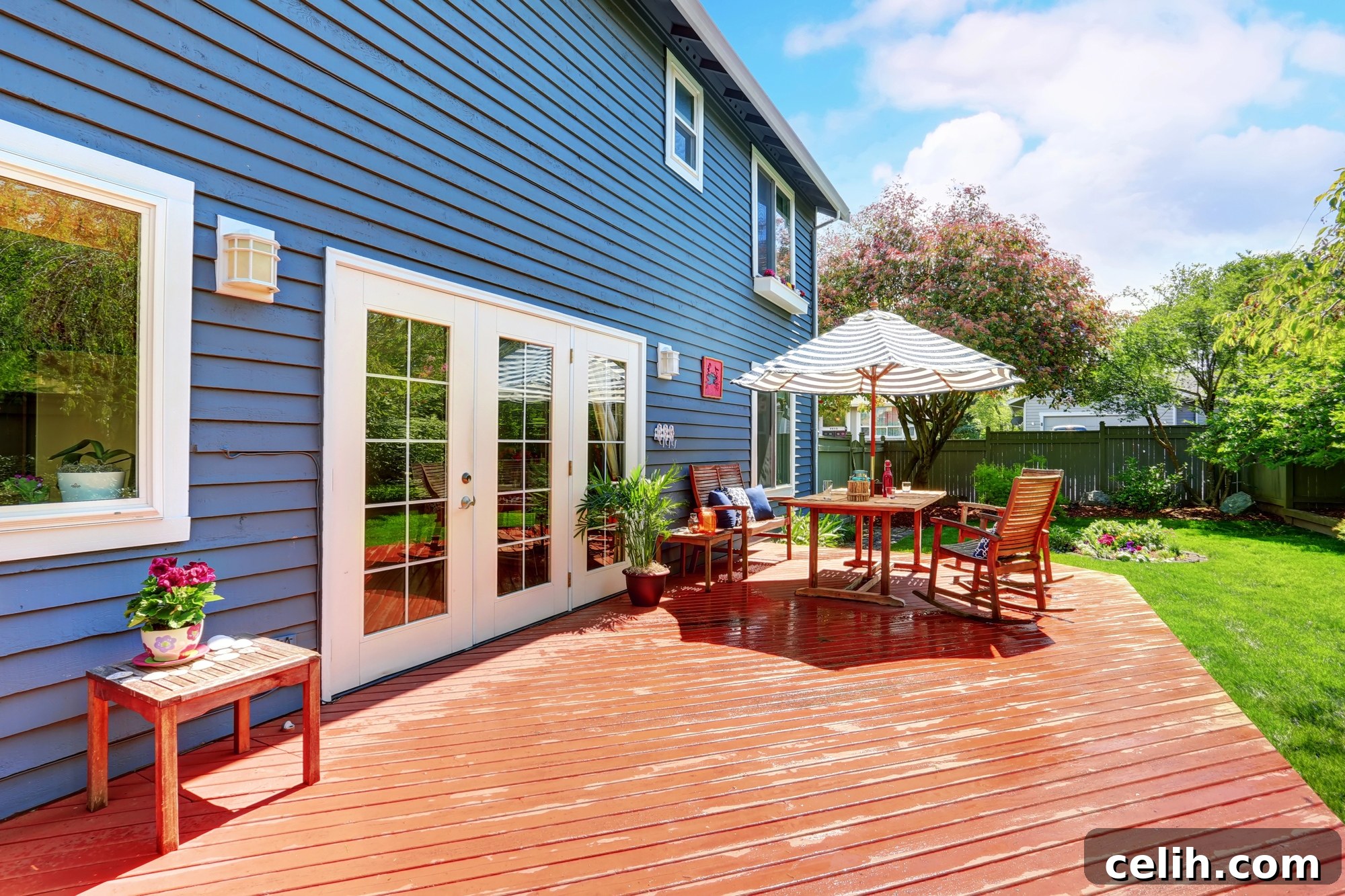
Beyond its robust performance, fiber cement siding also offers exceptional aesthetic versatility. It can be manufactured in a vast array of textures and profiles, mimicking everything from traditional wood clapboard to modern smooth panels, and is available in the best house colors. This flexibility allows homeowners to achieve the specific curb appeal they desire, whether it’s a classic, contemporary, or rustic look, without compromising on durability. The ability to customize the exterior while benefiting from minimal upkeep makes fiber cement an ideal choice for busy homeowners who want a beautiful, resilient home that stands the test of time with minimal fuss. Investing in such siding not only enhances your home’s appearance but also frees up valuable time and resources, making it a smart and strategic upgrade.
Crafting Functional Outdoor Areas
Outdoor spaces have garnered significant attention in the real estate market recently, evolving from simple backyards into sophisticated extensions of the home. With an increasingly remote and digitally connected society, there’s a heightened need for homeowners to escape the confines of their daily indoor environment, seeking a refreshing change of scenery and a connection with nature without having to leave their property. However, despite the best intentions and initial excitement, many outdoor areas quickly become underutilized. This often stems from strategic design oversights that render the space uncomfortable, visually unappealing, or, most critically, unsafe.
To ensure that outdoor spaces become cherished and frequently used extensions of the home, several key considerations must be integrated into their design:
- Ensure Adequate Shading: Protection from the elements is paramount for comfort. Structures like pergolas, retractable awnings, canopies, and shade sails are essential for shielding the area from harsh UV exposure, making it enjoyable even on the sunniest days. Crucially, these shading devices must be robustly constructed to withstand strong winds and various weather conditions, ensuring longevity and safety.
- Durable Patio Flooring: The choice of patio flooring is vital for both aesthetics and functionality. Materials like pavers, composite decking, or stained concrete must be able to endure heavy foot traffic, resist fading from sunlight, and withstand the shifting weight of outdoor furniture. Beyond durability, effective drainage is a must; quality patio pavers, for instance, are designed to allow water to run off or permeate, preventing pooling and related issues like mold growth or slippery surfaces. Explore various patio flooring options to find the best fit for your climate and style.
- Defined Space: People generally seek a sense of enclosure and intimacy rather than feeling exposed in an open field. Features that define the space create a more inviting and purposeful atmosphere. Decorative screen panels can add character, visual interest, and privacy, subtly shielding the area from onlookers. For elevated decks, low-profile cable railings provide essential safety without obstructing desirable views, maintaining an open and expansive feel. Thoughtful landscaping, such as strategically placed planters or raised garden beds, can also serve to delineate zones within a larger outdoor area.
When these foundational elements are coupled with inviting additions like comfortable outdoor furniture, the soothing sounds of water accents (fountains, small ponds), and the cozy warmth of fire pits or outdoor heaters, outdoor spaces truly transform. They become dynamic and functional extensions of your home’s usable square footage, providing endless opportunities for relaxation, entertainment, and connection with the natural world, significantly boosting both quality of life and property value.
Build a Home That Lasts By Using Thoughtful Design Details
In the realm of home improvement, the most impactful design ideas are often the ones that aren’t immediately flashy or obvious. While a stunning kitchen or a luxurious bathroom renovation certainly offers immediate gratification, the true staying power and long-term value of a home lie in its thoughtful, underlying details. These “unseen heroes,” from next-level foundation construction that ensures structural integrity to comprehensive eco-friendly insulation that slashes energy bills, and from low-maintenance siding that frees up your precious time to well-designed, functional exterior accents that expand your living space, collectively contribute to a home that is safer, more efficient, comfortable, and ultimately, more valuable.
Investing in these quiet yet crucial elements is a strategic decision. It’s about building resilience, enhancing sustainability, and providing a foundation of comfort and security that will benefit you and your family for many years to come. These upgrades represent smart investments that prevent future headaches, reduce ongoing costs, and significantly elevate your quality of life within your home. Rather than chasing ephemeral trends, prioritize these foundational improvements for premier design staying power and enduring peace of mind. For more of the latest trends in home improvement and design, explore the rich content at Fresh Design Blog for a wealth of ideas and inspiration to guide your next thoughtful home project!