
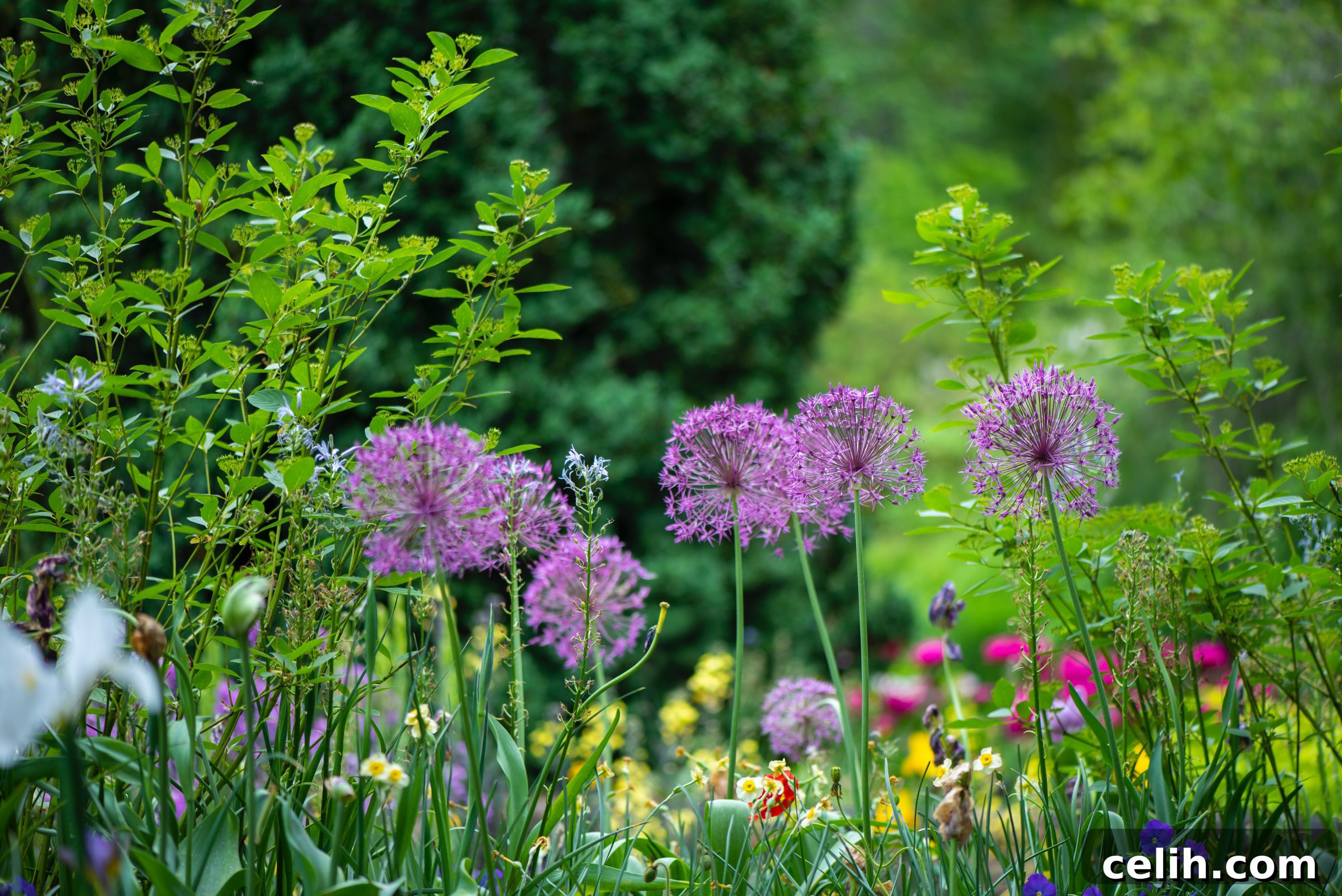
Transforming your backyard from a neglected patch of land into a vibrant, personal sanctuary can be one of the most rewarding home improvement projects you undertake. For many, staring at a blank canvas can feel daunting, especially if you’re new to gardening. The journey from a nascent idea to a lush, beautiful garden involves numerous considerations, from selecting the perfect flora to incorporating decorative accents that reflect your style. However, the process is far more accessible than it appears. By embracing fundamental design principles and infusing your unique personality, you can create an outdoor space that not only thrives but also delights all your senses. This comprehensive guide will walk you through essential tips and creative ideas to help you cultivate the garden of your dreams, making your outdoor living space a true extension of your home.
Cultivating Success with a Garden Calendar
Effective garden management begins with meticulous planning, and a dedicated garden calendar is an indispensable tool for every gardener, especially novices. Far more than just a place to mark dates, a garden calendar becomes a living record of your garden’s journey and an invaluable resource for future seasons. If you’re planting from seed, noting the precise planting date and the day seedlings first emerge provides critical insights into germination rates and growth patterns specific to your microclimate. Extend this practice to include daily or weekly rainfall measurements, allowing you to gauge natural hydration levels and determine exact watering needs, thereby preventing over or under-watering. Such detailed observations enable you to fine-tune your approach, conserving resources and promoting healthier plant growth.
Beyond basic meteorological data, your garden calendar is an excellent place to document a myriad of other vital details. Sketch out your garden layouts, noting where specific plants are positioned and the companions they share. Record your successes, such as bumper harvests, resilient plant varieties, or successful pest control methods, to replicate them in subsequent years. Equally important is documenting failures – plants that struggled, pest infestations, or unexpected challenges – providing crucial lessons learned. You can also track flowering times, pruning schedules, soil amendment applications, and even seasonal changes in sunlight exposure. Over time, this cumulative data creates a personalized gardening almanac, empowering you to anticipate conditions, optimize planting times, and develop a sustainable, thriving garden ecosystem tailored to your specific environment. It transforms gardening into a fulfilling, data-driven hobby, perfect for staying organized and connected with nature.
Inviting Wildlife: Attract Birds to Your Garden
Birds are more than just beautiful visitors; they are integral components of a healthy, balanced garden ecosystem. Their presence brings a soothing soundtrack and vibrant activity, transforming your garden into a dynamic living space. Beyond their aesthetic appeal, birds are natural pest controllers, diligently foraging for insects, slugs, and snails that might otherwise damage your plants. They also assist in weed control by consuming seeds and contribute to pollination and seed dispersal, fostering biodiversity. Creating a bird-friendly garden is a straightforward yet impactful way to embrace sustainable gardening practices and reduce reliance on chemical interventions.
To successfully attract a diverse array of bird species, it’s essential to provide for their fundamental needs: food, water, and shelter. Begin with a variety of bird feeders, offering different types of seeds, suet, and even nectar for hummingbirds. Companies like Little Peckers offer a comprehensive range of high-quality bird food and accessories, ensuring you can cater to various species and guarantee their safe and proper nutrition. Consider installing bird boxes or nest pockets to provide secure nesting sites, and strategically plant native shrubs and trees that offer natural shelter and additional food sources like berries. A bird bath is equally crucial, providing a vital water source for drinking and bathing, especially during dry spells. Position water features and feeders in quiet, safe locations, away from predator access, and ensure they are regularly cleaned to prevent disease. By consciously cultivating a welcoming environment, you’ll not only enjoy the delightful company of birds but also harness their natural ability to keep your garden flourishing.
The Serenity and Sparkle of Water Features
Incorporating water features into your garden design is an exceptional way to introduce movement, life, and an immediate sense of tranquility. Water has a unique ability to transform a static landscape into a dynamic sensory experience, appealing to sight and sound. Even a modest addition can have a profound impact, creating shimmering reflections of sunlight and surrounding greenery, adding a layer of visual interest that changes throughout the day.
A trickling fountain, for instance, offers a soothing auditory experience, its gentle sounds masking urban noise and promoting a calm, meditative atmosphere. Fountains come in myriad styles, from classical tiered designs to modern, minimalist bubblers, allowing you to choose one that perfectly complements your garden’s aesthetic. On the other hand, a garden pond introduces an entirely different dimension. Ponds create micro-habitats, inviting aquatic plants, dragonflies, frogs, and newts, enriching your garden’s biodiversity. They can range from small pre-formed liners to custom-built naturalistic ecosystems, often becoming a focal point around which other garden elements are arranged. Simpler options like a decorative bird bath or even a stylish bowl of water can still capture the reflective qualities and attract local wildlife, providing an accessible entry point to water features. Most modern water features are surprisingly lightweight and designed for relatively easy installation, making it simpler than ever to introduce this captivating element into your outdoor space. Take time to research and select a feature that not only fits your space and budget but also enhances the overall ambiance you wish to create.
Cultivating Diversity: Incorporating a Variety of Plants
The secret to a garden that remains captivating throughout the year lies in the thoughtful incorporation of a wide variety of plants. A diverse planting scheme ensures continuous visual interest, with different species providing structure, color, and texture across all four seasons. While vibrant annuals might dominate in spring and summer, evergreens become indispensable during colder months, offering architectural interest, a splash of color against a monochromatic landscape, and vital shelter and food (such as berries) for wildlife. This strategic layering ensures your garden never truly sleeps, maintaining its appeal even when other plants are dormant.
Beyond seasonal appeal, variety in planting also means creating different levels and mini-habitats within your garden. Think about using tall trees and shrubs for vertical interest and shade, medium-height perennials and ornamental grasses for body and movement, and low-growing groundcovers or sprawling annuals to fill in the gaps. This tiered approach mimics natural ecosystems and is crucial for attracting a broader range of beneficial insects. Pollinators like bees and butterflies will flock to nectar-rich flowers, while predatory insects like ladybugs and lacewings will help control pests, reducing your need for chemical interventions. Consider incorporating native plants, which are often perfectly adapted to your local climate and soil conditions, requiring less maintenance and providing optimal support for local fauna. When selecting your plants, don’t just consider their bloom time; think about their foliage color, texture, shape, and overall size. Experiment with different color schemes, from harmonious pastels to bold, contrasting hues, to create a personalized aesthetic that truly beautifies your space and reflects your taste. For guidance on resilient choices, resources like Let’s Fix It offer excellent suggestions for hardy, low-maintenance options that will thrive in various conditions, making it easier for any gardener to achieve a lush and diverse landscape.
Creating an Oasis: Add a Seating Area to Relax In
A truly magnificent garden is not merely a collection of plants; it’s an experience, a haven for relaxation and enjoyment. Integrating a comfortable and inviting seating area elevates your garden from a beautiful display to a functional outdoor living room, significantly enhancing its blissful potential. Imagine unwinding after a long day, a cool drink in hand, surrounded by the beauty you’ve cultivated. Such a space provides the perfect escape, allowing you to immerse yourself in nature without a care in the world, especially during the glorious summer months.
Designing this outdoor retreat can be as simple or as elaborate as you desire. At a minimum, consider laying down a durable surface like composite decking, which offers a low-maintenance, aesthetically pleasing foundation, followed by the selection of comfortable chairs or loungers. The choice of furniture should align with your garden’s style and your personal comfort preferences, ranging from rustic wooden benches to plush outdoor sofas. Think about the strategic placement of your seating area: perhaps a sun-drenched spot for morning coffee, a shaded nook for afternoon reading, or a cozy corner by a fragrant flower bed. Add soft cushions, throws, and perhaps an outdoor rug to enhance comfort and define the space. Incorporating elements like an umbrella or a pergola can provide essential shade, making the area usable even on the hottest days. Once your seating area is thoughtfully arranged, you’ll have a dedicated space to truly appreciate the fruits of your labor, offering a tranquil spot to reflect, entertain, and simply “take a load off” amidst the natural beauty you’ve so meticulously created.
Personalizing Your Paradise: Choose Beautiful Garden Art
Garden art is the soul of your outdoor space, offering a unique opportunity to inject personality, humor, and a sense of wonder into your landscape. Far from being mere decorations, these elements – be they sculptures, antique tools, wind chimes, ceramic ornaments, or found objects – serve multiple purposes. They can act as striking focal points, drawing the eye and guiding visitors through different areas of your garden. Alternatively, they can subtly fill visual gaps between seasons when certain plants are dormant, ensuring continuous interest. Decorative items can also play a crucial role in shaping the narrative and mood of your garden, influencing pathways and defining distinct outdoor “rooms.”
The emotional impact of garden art is profound. Strategically placed elements can evoke a range of feelings, from playful surprise to serene contemplation. A whimsical statue nestled among lush foliage might elicit a smile, while a reflective gazing ball can add a sense of calm and expand the perceived space. Consider the materials – metal, stone, wood, glass – and how they interact with their surroundings, evolving with weather and light. Durability and weather resistance are key considerations for outdoor art. Your choices can range from grand, permanent installations to small, moveable pieces that allow you to refresh your garden’s look seasonally. The beauty of garden art lies in its versatility; it’s a direct reflection of your individuality, transforming your garden into a truly unique and expressive extension of your personal style and taste. Don’t shy away from experimenting with pieces that resonate with you, whether they are handmade crafts, vintage finds, or contemporary sculptures.
Drawing Inspiration from the World Around You
Even the most experienced gardeners sometimes encounter a creative block or simply seek fresh perspectives to elevate their outdoor spaces. This need for inspiration is entirely normal and, indeed, highly beneficial. Actively seeking out other gardens and landscape designs can spark innovative ideas and broaden your understanding of what’s possible. Begin close to home: take leisurely drives or strolls around your neighborhood, consciously observing the yards that immediately capture your attention. What specific features or design styles stand out to you? Is it a vibrant color palette, an ingenious use of hardscaping, a well-defined pathway, or perhaps a unique focal point?
Expand your search beyond your immediate vicinity. When you visit a friend’s garden, instead of just admiring it, become a keen observer. What elements do you truly love about their space? Is it the cozy seating area, the harmonious blend of textures, or a particular planting combination? Furthermore, draw inspiration from diverse sources such as local botanical gardens, public parks, gardening magazines, online platforms like Pinterest and Instagram, and even garden tours. These resources offer a treasure trove of design concepts, planting schemes, and innovative solutions. As you gather ideas, you’ll likely discover common design elements or recurring themes that resonate with your personal aesthetic. Don’t be afraid to adapt these inspirations to fit your own space, climate, and lifestyle. By consciously collecting and analyzing what you appreciate in other gardens, you’ll amass a wealth of ideas that you can creatively incorporate to craft an attractive, personalized, and truly inspiring outdoor space of your own.
Designing with Purpose: Ensuring Your Garden Is Functional
While aesthetics and beauty are paramount in garden design, a truly exceptional outdoor space harmoniously blends visual appeal with robust functionality. Your garden is a valuable extension of your home, and as such, it should be designed to meet your specific needs and enhance your lifestyle. A functional garden is one that you can enjoy in all weathers and for various purposes, maximizing its potential as a living space. This often means making strategic choices that allow elements to be both fashionable and highly practical.
Begin by considering the essential activities you wish to undertake in your garden. Do you need an area for drying clothes? A dedicated space for outdoor dining and entertaining? A quiet corner for reading and relaxation? Perhaps a play area for children, or a productive vegetable patch? Ensuring you have ample room for a clothesline, a defined seating area, and a dining space is a great starting point. Pathways should be well-defined and lead logically through the garden, while adequate lighting can extend usability into the evenings. Think about practical elements like storage for gardening tools or outdoor cushions, and potentially an accessible composting area. Furthermore, it’s crucial to be realistic about the level of maintenance you are willing and able to commit to. Some garden designs, particularly those with intricate plantings or elaborate water features, demand more time and effort. By selecting plants and hardscaping materials that align with your available time and enthusiasm, you can create a garden that remains beautiful and manageable. A thoughtful balance of design and utility ensures that your garden not only looks glorious but also serves as a perfectly tailored, enduring outdoor sanctuary for years to come, offering comfort, convenience, and endless enjoyment.