
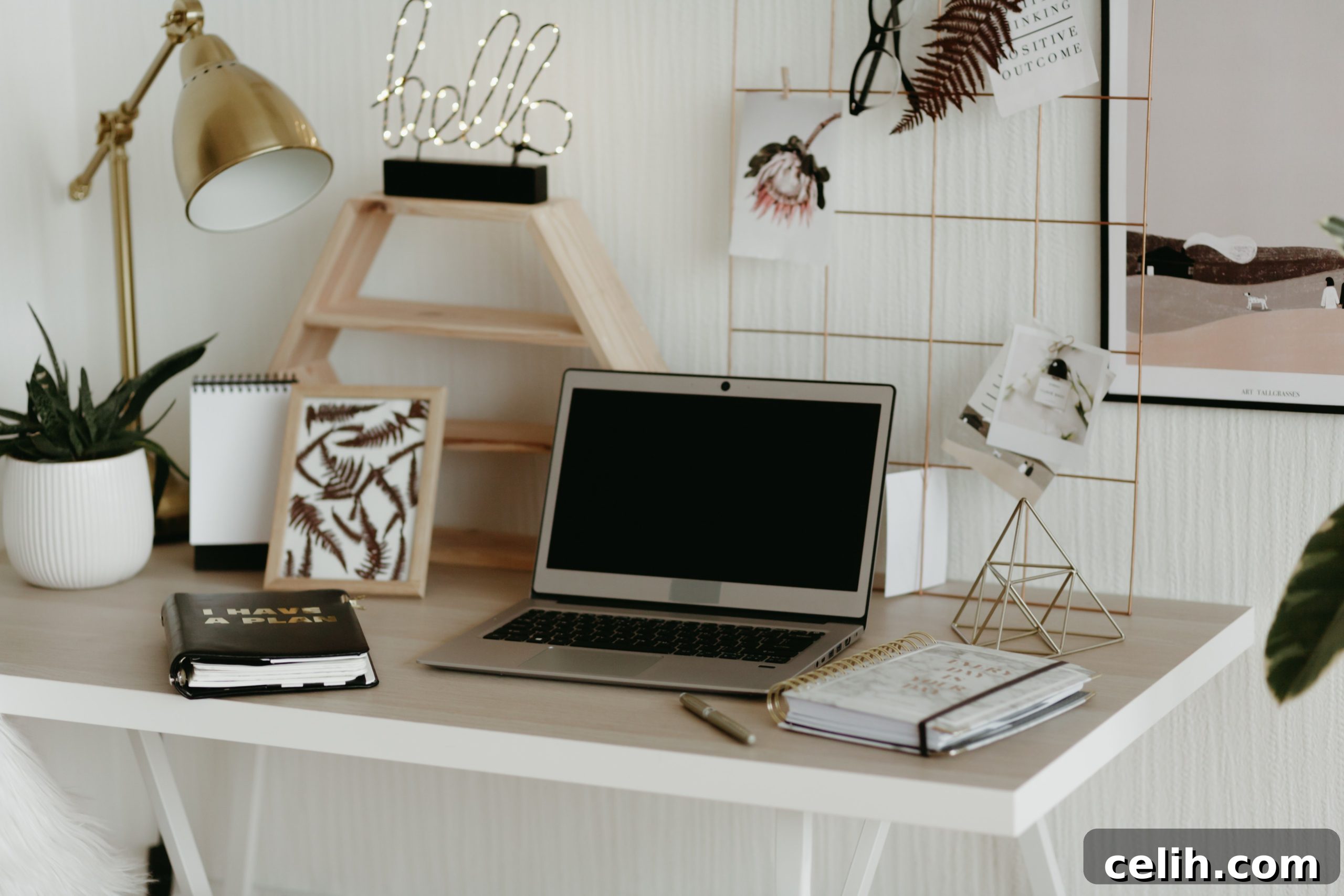
Designing an effective and inspiring work-from-home space is more crucial than ever in today’s remote-first world. Your home office isn’t just a desk and a chair; it’s a dedicated environment that profoundly impacts your productivity, creativity, and overall well-being. A thoughtfully designed space can minimize distractions, enhance focus, and even help you maintain a healthier work-life balance by creating a clear boundary between your professional and personal life. Conversely, a poorly designed setup can lead to discomfort, stress, and reduced efficiency. This comprehensive guide will walk you through essential interior design principles to transform any corner of your home into a beautiful, functional, and highly productive workspace. We’ll explore everything from integrating natural elements to selecting ergonomic furniture, ensuring your remote work journey is as comfortable and fulfilling as possible.
1. Harness the Power of Nature
Integrating elements of nature into your home office design is a powerful strategy to foster a calm, inspiring, and productive atmosphere. This approach, often referred to as biophilic design, acknowledges our innate connection to nature and its positive impact on human well-being. When selecting furniture, consider pieces crafted from sustainable and recycled wood, bamboo, or other natural fibers. These choices not only lend an elegant, organic aesthetic but also align with eco-conscious living. Look for desks, shelves, and storage units with visible wood grain or a natural finish to infuse warmth and authenticity into the space. Beyond furniture, the strategic placement of indoor plants and fresh flowers can dramatically transform your environment. Choose easy-to-care-for varieties like snake plants, ZZ plants, or Pothos for their air-purifying qualities and vibrant greenery. Larger floor plants can serve as stunning focal points, while smaller potted plants can adorn your desk or shelves. The presence of greenery has been scientifically linked to reduced stress, improved mood, enhanced concentration, and increased productivity. Furthermore, plants introduce natural textures and colors, creating a soothing, earthy feel that helps mitigate the often-sterile nature of a tech-heavy workspace. Consider placing your desk near a window to maximize natural light and offer a view of the outdoors, further strengthening your connection to nature.
2. Embrace Smart Storage Solutions
A clutter-free workspace is fundamental to a clear mind and enhanced productivity. In a home office, especially if you’re working with limited space or a makeshift setup, clutter can quickly accumulate and become a significant source of distraction and stress. The key to maintaining an organized environment lies in smart and strategic storage solutions. Begin by decluttering thoroughly, identifying items you truly need for your work and discarding or relocating anything superfluous. Once you have a clear inventory, invest in storage options that are both functional and aesthetically pleasing. Compact cupboards, for instance, are excellent for concealing items that don’t need to be on display, keeping your floor space clear and tidy. Floating shelves mounted higher on the walls can utilize vertical space efficiently, providing a home for books, decorative items, or less frequently used supplies without encroaching on your primary work area. Similarly, consider furniture pieces that serve a dual purpose, such as an ottoman with hidden storage, a desk with integrated drawers, or a credenza that offers ample cabinet space. Wall-mounted organizers, pegboards, and drawer dividers are also invaluable for keeping smaller items, stationery, and cables neatly organized. By implementing these smart storage strategies, you not only create a more organized and visually appealing workspace but also foster a sense of calm and control, allowing you to focus better on your tasks.
3. Curate Vibrant and Inspiring Artwork
The visual appeal of your home office plays a significant role in stimulating creativity and maintaining motivation. Surrounding yourself with vibrant and inspiring artwork can break the monotony of a workday, spark new ideas, and express your unique personality. Don’t underestimate the power of a well-chosen piece to uplift your spirits and inject energy into your workspace. When selecting art for your walls, choose pieces that resonate with you personally, evoke positive emotions, or simply bring you joy. This could range from abstract paintings and modern prints to serene landscapes or motivational typography. The goal is to create an atmosphere that feels both professional and deeply personal. Consider a gallery wall featuring a mix of framed art, personal photographs, and even small mementos that inspire you. Alternatively, a single large statement piece can anchor the room and draw the eye. Remember that artwork doesn’t have to be limited to framed prints; think about textile art, wall sculptures, or even a beautifully designed calendar that serves a decorative purpose. To discover affordable and unique art pieces, several platforms can assist you in your search:
- Saatchi Art: This platform offers an extensive collection from emerging and established artists worldwide. You can browse a vast array of styles, including paintings, drawings, sculptures, and photography. A standout feature is its augmented reality (AR) tool, which allows you to visualize how a piece will look on your wall before making a purchase, ensuring it complements your existing decor and space.
- ARTO Gallery: Tailored for a more personalized experience, ARTO Gallery asks a series of questions about your aesthetic preferences and tastes. Based on your responses, it then curates and recommends artwork specifically aligned with your style, simplifying the discovery process and helping you find pieces that truly speak to you.
Beyond these apps, explore local art markets, university art shows, or online marketplaces like Etsy for unique, handcrafted pieces that can add character and soul to your home office.
4. Leverage Colors for Enhanced Productivity and Mood
The colors you choose for your home office are not merely decorative; they have a profound psychological impact on your mood, concentration, and overall productivity. Strategic use of color can create an environment that supports your work style and helps you achieve your goals. When revamping your home office, consider the following color psychology principles:
- Blue: Often associated with intellect, tranquility, and efficiency, blue is an excellent choice for fostering concentration and maintaining a calm mind. Bright shades of blue can inspire focus and clarity, making them ideal for tasks requiring analytical thinking and sustained attention. Lighter, softer shades of blue, such as sky blue or periwinkle, can promote relaxation and reduce anxiety, creating a serene backdrop for less intense work or brainstorming sessions. Incorporate blue through an accent wall, desk accessories, or even a comfortable chair to harness its calming and focusing properties.
- Yellow: Radiating energy, optimism, and creativity, yellow is the perfect color to infuse your workspace with vibrancy and positivity. If your work demands constant innovation, problem-solving, or creative thinking, a touch of yellow can help stimulate your mind and keep you in a joyful, energetic zone. However, use yellow judiciously; too much bright yellow can be overwhelming or cause eye strain. Opt for accents like throw pillows, stationery, or a desk lamp in a sunny yellow hue to brighten your space without overstimulating it.
- Green: Symbolizing nature, harmony, and balance, green is known for its ability to reduce eye fatigue and promote a sense of calm and well-being. Studies have indicated that the color green can significantly boost productivity in office environments, likely due to its association with growth and renewal. It helps create a sense of stability and reassurance, making it ideal for long working hours. Various shades of green, from deep forest green to light sage, can be incorporated through plants, painted walls, or upholstery. Green is particularly effective when combined with natural wood tones, further enhancing its biophilic appeal.
Beyond these primary productivity colors, consider neutral tones like grays, whites, and beiges as foundations, which provide a clean canvas and allow your chosen accent colors to pop. Warm neutrals can add coziness, while cool neutrals maintain a sleek, modern feel. The combination of colors should reflect the type of work you do and the mood you wish to cultivate.
5. Select the Right Ergonomic and Stylish Furniture
The foundation of any productive home office is its furniture. Getting your office furniture right is not just about aesthetics; it’s crucially about ergonomics, comfort, and functionality. Investing in the right pieces can prevent discomfort, reduce the risk of work-related injuries, and significantly enhance your focus and endurance throughout the workday. The primary focus should be on an ergonomic chair and a functional desk.
An ergonomic office chair is paramount. Look for chairs with adjustable features, including seat height, depth, armrests, and lumbar support. A good ergonomic chair will support the natural curve of your spine, allowing you to maintain proper posture and minimize strain on your back and neck during long hours of sitting. Test chairs thoroughly if possible, or read reviews diligently before purchasing.
Your desk should complement your work style and the size of your space. Consider a standing desk or a sit-stand converter, which allows you to alternate between sitting and standing. This can alleviate sedentary habits, boost circulation, and even increase energy levels. If space permits, an L-shaped desk can offer ample surface area for multiple monitors, paperwork, and other equipment, helping to keep your primary workspace clear. Ensure the desk height allows your elbows to form a 90-degree angle when typing, with your feet flat on the floor or a footrest.
Beyond the chair and desk, consider your lighting. Adequate lighting is essential to prevent eye strain and maintain alertness. Ideally, maximize natural light by placing your desk near a window. Supplement this with task lighting, such as a desk lamp that provides focused illumination for reading or detailed work. Overhead ambient lighting should be soft and evenly distributed.
Finally, don’t forget practical accessories. A monitor stand can elevate your screen to eye level, preventing neck strain. A keyboard and mouse that fit your hand comfortably are also crucial. Storage solutions, as discussed earlier, should be integrated seamlessly into your furniture choices. For comprehensive recommendations and to explore a wide range of suitable furniture items, reputable sites such as homeofficekiosk.com offer valuable insights and product guides. These resources can help you navigate the options and make informed decisions to create a home office that is both stylish and perfectly optimized for your well-being and productivity.
Creating your ideal home office is an ongoing journey of refinement and personalization. By thoughtfully applying these interior design principles—from embracing nature and implementing smart storage to leveraging color psychology and choosing ergonomic furniture—you can build a workspace that is not only visually appealing but also a true sanctuary for productivity and well-being. Remember, your home office should be a reflection of your professional aspirations and personal style, designed to inspire and support you in achieving your best work every day.