
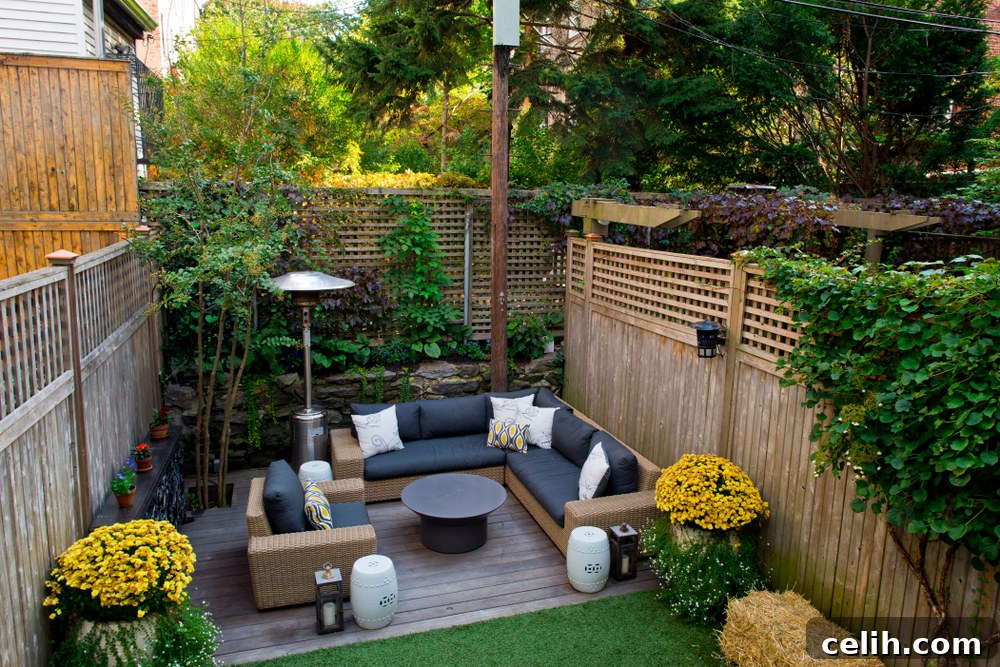
Imagine stepping outside your door into a custom-designed oasis, a tranquil haven or a vibrant entertainment hub tailored perfectly to your lifestyle. This dream begins with a pivotal decision: choosing the right decking design. Yet, for many homeowners, this journey can quickly become overwhelming, navigating a maze of materials, styles, and an endless array of choices.
You’re not alone if you’ve felt lost amidst the countless options for your outdoor space. Research indicates that a significant percentage of homeowners experience confusion when faced with outdoor design decisions, underscoring a common challenge in creating the perfect backyard retreat. The desire for a beautiful, functional deck is universal, but the path to achieving it often feels complex.
This comprehensive guide is crafted to illuminate that path, offering expert insights and practical tips to ensure your decking design not only enhances your home’s aesthetic but also delivers a durable, enjoyable, and functional space for many years to come. We’ll delve into critical considerations that move beyond mere aesthetics, addressing common concerns about longevity, maintenance, and integration with your existing home and landscape.
From understanding fundamental design principles to exploring cutting-edge trends and material innovations, we aim to equip you with the knowledge needed to make an informed decision. Your concerns about enduring style, robust durability, and manageable maintenance will be thoroughly addressed, ensuring your final choice is not just visually stunning but also a pragmatic and sustainable investment for your unique needs and lifestyle.
Unlocking the Fundamentals of Superior Decking Design
Embarking on a garden decking design project requires a solid understanding of its core principles. These aren’t just aesthetic guidelines; they are the pillars that support a successful and lasting outdoor living space.
Aesthetic Appeal: Blending Form and Function
A truly exceptional deck seamlessly integrates with your home’s architectural style, acting as a harmonious extension rather than an add-on. It’s about more than simply constructing a platform; it’s about curating an outdoor room that elevates the entire visual narrative of your property. Consider how the deck’s lines, finishes, and overall presence contribute to the existing beauty of your home, creating a fluid transition between indoor and outdoor living.
Functional Use: Designing for Your Lifestyle
The utility of your deck is paramount. Before any material is chosen or nail hammered, envision how you intend to use this space. Will it be a serene sanctuary for quiet mornings with a cup of coffee, a vibrant stage for lively summer barbecues, an intimate dining area, or a versatile play zone for children? Your lifestyle dictates the design. Factors such as size, layout, accessibility (steps, ramps), and the inclusion of specific zones for different activities become critical in crafting a deck that perfectly caters to your daily life and special occasions.
Property Value Enhancement: A Strategic Investment
A thoughtfully designed and expertly installed deck is more than just a personal luxury; it’s a significant investment that can substantially boost your property’s market value. In today’s competitive real estate landscape, prospective buyers increasingly prioritize well-designed outdoor living spaces. A beautiful, durable deck offers additional usable square footage, enhances curb appeal, and provides an enticing area for relaxation and social engagement, making your home stand out as a desirable asset.
Essential Elements of Decking Design: A Deeper Dive
Once the foundational principles are clear, attention turns to the tangible components that bring your deck to life. Each element plays a crucial role in the final aesthetic, functionality, and longevity of your outdoor space.
Material Selection: The Heart of Your Deck
The choice of material is perhaps the most critical decision, directly influencing the deck’s durability, maintenance requirements, and overall aesthetic. Traditional pressure-treated wood, cedar, and redwood offer timeless appeal with their natural warmth and classic look, but often require regular sealing or staining. Conversely, composite decking, crafted from a blend of wood fibers and recycled plastics, provides exceptional durability, superior weather resistance, and significantly lower maintenance, often mimicking the look of natural wood without the drawbacks of rotting, warping, or insect damage. Other options include exotic hardwoods (like Ipe), aluminum, and PVC. It’s crucial to carefully weigh the pros and cons of each, considering your local climate, sustainability goals, budget, and willingness to undertake upkeep.
Colour and Texture: Setting the Mood
The colour and texture of your deck contribute significantly to its character and how it interacts with your home’s exterior and surrounding landscape. Natural wood hues offer an organic, earthy feel, while vibrant painted options can introduce a bold, contemporary statement. Darker tones can provide a sophisticated backdrop, while lighter shades might create a more open, expansive feel. Similarly, texture isn’t just about aesthetics; it plays a vital role in safety. A slip-resistant surface is crucial, especially in wet conditions. Beyond safety, textured materials can mimic wood grain, stone, or unique patterns, adding depth and visual interest that aligns with your desired design.
Shape and Size: Defining the Space
The shape and size of your deck must be in harmony with your property’s dimensions and your functional needs. A sprawling, multi-tiered deck might be perfect for large gatherings and diverse activity zones, while a cozy, intimate nook could be ideal for a smaller yard or a private retreat. Consider how the deck’s dimensions will impact foot traffic, furniture placement, and views. Whether you opt for classic rectangular forms, elegant curves, or an asymmetrical design, ensuring it complements your home’s proportions and facilitates your intended use is paramount for both aesthetics and usability.
Exploring Popular Decking Design Trends: Modern Inspirations
Staying abreast of contemporary decking design trends ensures your outdoor space remains fresh, functional, and aligned with modern living philosophies. These trends often reflect a blend of aesthetic appeal, technological advancement, and a growing consciousness for environmental responsibility.
Sustainable and Eco-Friendly Options: Building with Responsibility
The shift towards sustainable living extends to outdoor design, with homeowners increasingly seeking eco-conscious choices for their decks. These options not only reduce environmental impact but often offer unique aesthetics and long-term benefits.
- Recycled Materials: Embracing recycled materials for your decking design is a powerful statement of commitment to sustainability. Materials such as reclaimed timber, salvaged from old barns or industrial buildings, offer a rich history and unique character that cannot be replicated. Recycled plastic composites, on the other hand, provide exceptional durability, resistance to rot and pests, and a consistent finish, all while diverting waste from landfills. These choices ensure robustness and a distinctive aesthetic while significantly lowering your carbon footprint.
- Energy-Efficient Lighting: Thoughtful integration of energy-efficient lighting is crucial for extending the usability of your deck into the evening hours without incurring exorbitant energy costs. Consider state-of-the-art LED fixtures that offer brilliant illumination with minimal power consumption. Solar-powered lights provide an off-grid solution, harnessing the sun’s energy during the day to create a gentle, ambient glow at night. Motion-activated lighting systems can enhance safety and security, illuminating pathways only when needed. Strategically placed lighting can highlight architectural features, define different zones, and create a captivating atmosphere, transforming your deck into a magical nocturnal retreat.
Modern Ideas for Decking: Sleek, Durable, and Innovative
Modern decking design moves beyond traditional wood, embracing innovative materials and sleek aesthetics that prioritize longevity and minimal upkeep.
Composite Decking Ideas: The Future of Outdoor Living
Composite decking has undeniably surged in popularity, becoming a cornerstone of modern outdoor design. Its appeal lies in a compelling combination of low maintenance requirements, exceptional durability against weather, rot, and insects, and an expansive array of aesthetic options. Manufacturers now offer composite boards in a vast spectrum of colours, from rich earth tones to sophisticated grays, and textures that remarkably mimic the authentic grain of various natural woods. This versatility allows homeowners to achieve a clean, contemporary look or a more rustic charm without the traditional drawbacks of natural timber, such as frequent sanding, sealing, or painting. Explore these modern composite decking ideas presented by PI Gardening to truly unlock the potential of this versatile material.
Other Types of Modern Decking: Beyond Composite
The modern decking landscape offers exciting alternatives beyond composite materials. Aluminium decking, for instance, provides unparalleled durability, is impervious to rot, insects, and warping, and boasts a sleek, contemporary aesthetic perfect for minimalist designs. Its lightweight nature also simplifies installation. Additionally, modified wood, which undergoes a special treatment process (like thermal modification or acetylation) to enhance its stability, durability, and resistance to decay, offers a sustainable and aesthetically pleasing option with superior performance compared to untreated wood. These innovations ensure your modern deck is not only visually striking but also engineered for enduring performance. Discover more about other cutting-edge decking choices presented by Forbes.
Integrating Nature: Blurring Indoor and Outdoor Boundaries
Modern decking designs often seek to seamlessly blend the built environment with the natural world, creating a cohesive and harmonious outdoor experience.
Planters and Green Spaces: Bringing Life to the Deck
Incorporating planters and dedicated green spaces into your deck design introduces a vibrant, living element that softens hardscapes and fosters a sense of tranquility. Consider custom-built planters integrated directly into the deck structure for a sleek, architectural look. Alternatively, strategically placed freestanding pots, tiered gardens, or even vertical living walls can add layers of greenery. Choosing plants that thrive in your climate and complement your deck’s aesthetic will ensure a lush, inviting environment, blurring the lines between architecture and nature.
Harmonizing with Surrounding Landscapes: A Seamless Transition
True design excellence lies in creating a deck that feels like an organic part of its environment. This involves carefully considering the existing natural elements around your property – be it towering trees, a serene pond, or rolling hills – and ensuring your deck design complements them. This could mean choosing materials and colours that echo the surrounding flora and fauna, or designing the deck’s shape and orientation to optimize breathtaking views, offer natural shade, or enhance interaction with the garden. The goal is to create an outdoor space that feels intrinsically connected to its setting, fostering peace and visual delight.
Our Expert Tips: Crafting Your Ideal Decking Design
Navigating a decking design project effectively requires a thoughtful synthesis of aesthetic aspirations and practical considerations. To ensure your deck is not only visually stunning but also highly functional and enduring, consider these expert tips that cover every facet of the design and construction process.
Consider the Architecture of Your Home: A Unified Vision
Your deck should never feel like an afterthought; it should be a seamless, natural extension of your home’s architectural identity. This fundamental principle is crucial for creating a cohesive and visually pleasing property.
- Ensuring Design Coherence: Achieving design coherence means meticulously selecting shapes, materials, and colours that flawlessly blend with your existing architecture. For a modern home, sleek lines, minimalist railings, and perhaps composite or metal decking would be ideal. A traditional home might benefit from classic wood tones, intricate balusters, and a more formal layout. The goal is to create a unified aesthetic, where the deck enhances the home’s character rather than clashing with it.
- Matching Styles and Periods: It is paramount to match the styles and periods of your deck with your home. If your residence boasts a Victorian charm, a contemporary, stark composite deck might feel out of place. Conversely, a rustic, timber-heavy deck may not suit a minimalist mid-century modern dwelling. By echoing your home’s stylistic elements – from its roofline to its window trim – your deck will achieve stylistic continuity, significantly enhancing the overall visual appeal and perceived value of your property.
Factor in Your Lifestyle and Usage: Designing for Living
The most beautiful deck is only truly successful if it serves your unique lifestyle and functional needs. Thoughtful planning here will pay dividends in daily enjoyment.
- Space Utilisation: Effective space utilisation involves tailoring your deck’s layout to perfectly accommodate your specific needs. Do you dream of distinct zones for alfresco dining, comfortable lounging, a vibrant play area for children, or even a dedicated space for a hot tub or outdoor kitchen? Design the space to facilitate these activities comfortably and efficiently, ensuring smooth transitions and adequate room for furniture and movement. Multi-level decks can be particularly effective in defining separate functional zones.
- Maintenance Requirements: Be brutally honest about your willingness and ability to undertake ongoing maintenance. Different decking materials come with vastly varied upkeep demands. Natural wood requires regular cleaning, sealing, and potentially staining to prevent weathering and decay. Composite or PVC decking, while having a higher initial cost, typically demands only occasional cleaning with soap and water. Aligning the maintenance needs of your chosen material with your lifestyle ensures your deck remains in optimal condition with manageable effort, preventing it from becoming a neglected chore.
Pay Attention to Material Selection: Durability and Beyond
The materials you choose are the very foundation of your deck’s longevity and performance. Making informed choices here is critical.
- Durability: Paramount for any outdoor structure, durability ensures your deck withstands the test of time, heavy foot traffic, and potential impacts. Select materials renowned for their robustness and longevity, such as dense hardwoods, high-quality composites, or engineered lumber designed for outdoor use. Consider factors like resistance to scratches, dents, and overall structural integrity, ensuring your deck remains functional and aesthetically pleasing for decades to come.
- Weather Resistance: Protecting your investment against the elements is crucial. Choose materials and finishes specifically engineered to withstand your local climate, whether it’s intense UV radiation from prolonged sun exposure, heavy rainfall, high humidity, or extreme freeze-thaw cycles. Materials like PVC and certain composites offer superior water and moisture resistance, preventing rot, mildew, and warping. Specialized sealants or treatments for natural wood can significantly enhance its weather-resistant properties.
- Environmental Impact: Be a conscious consumer by mindful of the environmental footprint of your material choices. Opt for sustainable, recycled, or responsibly sourced materials. Look for certifications such as the Forest Stewardship Council (FSC) for wood products, ensuring they come from sustainably managed forests. Recycled plastic lumber or composite decking made from reclaimed materials are excellent choices for minimizing your ecological footprint and promoting circular economy principles.
Think About Budget and ROI: Smart Financial Planning
Balancing your desired aesthetic and functionality with financial realities is a crucial aspect of any home improvement project. A deck is an investment, and understanding its costs and returns is key.
- Initial Costs vs. Long-term Value: This involves looking beyond the upfront expenditure. While some materials (like natural wood) may have lower initial costs, their long-term value must account for ongoing maintenance, repair, and eventual replacement costs. Conversely, materials like high-quality composite or exotic hardwoods might have a higher initial price tag but offer superior durability, minimal maintenance, and a longer lifespan, often leading to lower overall costs over the deck’s lifetime. Consider the total cost of ownership over 10-20 years, not just the purchase price.
- Potential Impact on Property Value: A well-designed, aesthetically pleasing, and highly functional deck can significantly enhance your property’s market desirability and value. It adds valuable usable living space and appeals to a broad range of buyers seeking outdoor amenities. A poorly constructed or incongruous deck, however, can detract from value. View your decking project as a wise investment that can yield substantial returns, not just in personal enjoyment but also in increased home equity, particularly when executed with thoughtful design and quality materials.
Conclusion: Your Journey to the Perfect Outdoor Haven
Navigating the multifaceted world of decking design is an exciting endeavor, offering the opportunity to craft a personalized outdoor sanctuary that seamlessly blends utility with aesthetic charm. From the foundational principles of functionality and aesthetic appeal to the nuanced considerations of material science and environmental impact, every decision contributes to the creation of a space that truly reflects your stylistic preferences and practical needs. Your deck is more than just a structure; it stands as a testament to thoughtful design, mindful consideration of trends, and a deep understanding of usability.
As we conclude this comprehensive guide, we hope you feel empowered and informed. May your choices be strategic, your design be enchanting, and your outdoor space blossom into a cherished haven for relaxation, joyous socialisation, and countless memorable moments with family and friends. Your journey towards impeccable outdoor living commences with each mindful step in design, leading you to a deck that is not just built, but thoughtfully brought to life.