
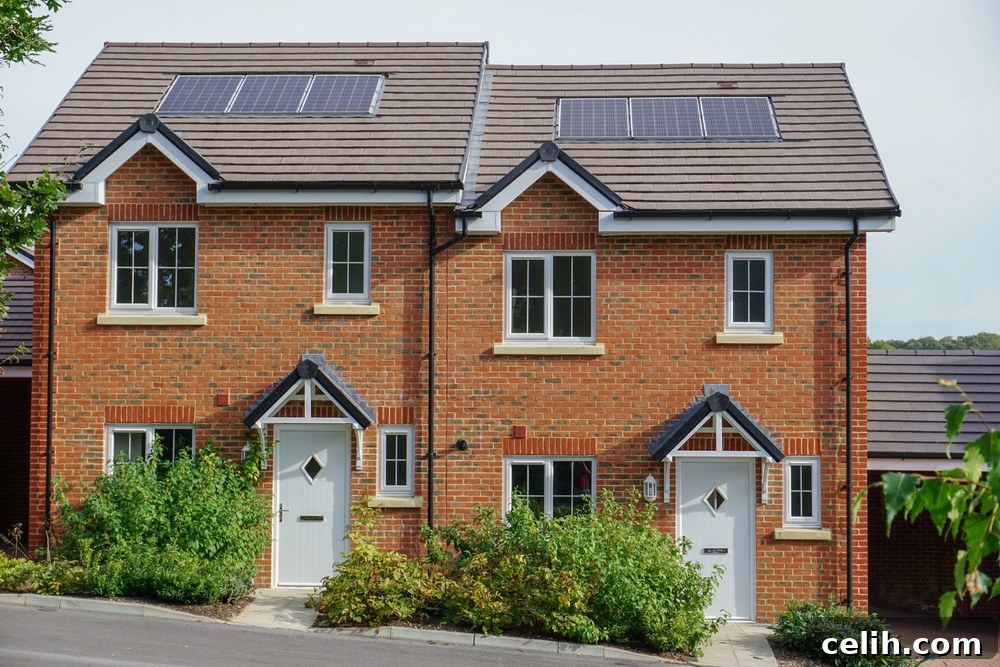
Transforming your house into the dream home you’ve always envisioned is a rewarding endeavor. Whether you aim to boost its market value, enhance its aesthetic appeal, or simply make it a more comfortable and functional living space, home improvements offer a tangible return on investment. From adding extra square footage to modernizing outdated fixtures or upgrading essential systems, renovations can significantly improve your quality of life and the long-term worth of your property. However, embarking on such projects, especially with the rising costs of materials and labor, necessitates careful financial planning and a strategic approach to funding.
This comprehensive guide explores various smart and effective strategies for financing your home improvement dreams. From leveraging existing savings to utilizing your home’s equity, exploring government incentives, and understanding specialized loans, we’ll delve into each option, helping you make informed decisions that align with your financial situation and project goals. By understanding your choices, you can approach home improvements with a realistic plan, focusing on changes that not only meet your needs but also strategically enhance your property’s value and kerb appeal.
Utilizing Personal Savings
The most straightforward and financially advantageous method for funding home improvements is to use money you’ve diligently saved. This approach completely bypasses the burden of interest charges, loan origination fees, and various closing costs typically associated with borrowing. While it demands discipline and patience to accumulate a substantial fund, the benefits of debt-free renovations are immeasurable, offering peace of mind and maximum financial flexibility.
To effectively save for home upgrades, consider establishing a dedicated “home improvement fund” within your savings portfolio. Consistently allocating a portion of your income to this account, no matter how small, can build a significant reserve over time. This strategy is particularly effective for smaller, planned projects like updating a bathroom, refreshing a kitchen, or undertaking essential maintenance. Having cash on hand empowers you to initiate projects when it suits your schedule, negotiate better deals with contractors, and avoid costly delays due to financing approvals. It also provides a buffer for unexpected expenses that often arise during renovation work.
Building your savings requires a solid budgeting strategy and commitment. Review your monthly expenses, identify areas where you can cut back, and redirect those funds towards your home improvement goal. Setting realistic savings targets and celebrating milestones can keep you motivated. Ultimately, self-funding your projects not only saves you money in the long run but also provides a profound sense of accomplishment, knowing your home improvements are truly your own, free from the constraints of debt. It is the gold standard of financing, ideal for those who prioritize long-term financial health.
Leveraging Home Equity: Loans and Lines of Credit
For more significant home improvement projects, tapping into the equity you’ve built in your home can be an incredibly attractive financing option. Home equity represents the difference between your home’s current market value and the amount you still owe on your mortgage. As you pay down your mortgage and as property values appreciate, your equity grows, becoming a valuable asset you can borrow against.
There are primarily two ways to utilize your home equity for renovations:
- Home Equity Loan: This functions as a second mortgage. You receive a lump sum of cash upfront, which is ideal if you know the exact cost of your project and need all the funds at once. Home equity loans typically come with a fixed interest rate, meaning your monthly repayments remain consistent throughout the loan term, providing predictability in your budget. The repayment period usually ranges from 5 to 30 years.
- Home Equity Line of Credit (HELOC): A HELOC operates more like a credit card, allowing you to borrow funds as needed, up to a pre-approved limit, over a specific draw period (e.g., 10 years). During this draw period, you typically only pay interest on the amount you’ve actually borrowed, not the entire approved line. HELOCs often have variable interest rates, meaning your monthly payments can fluctuate with market changes. This flexibility is excellent for phased projects or if you’re unsure of the exact total cost. Once the draw period ends, you enter a repayment period where you pay back both principal and interest.
Both options generally offer lower interest rates compared to unsecured personal loans because your home serves as collateral. However, it’s crucial to remember that your home is at risk if you default on payments. You can estimate your available equity using desktop valuations or by consulting a real estate professional. While the interest rates are favorable, you should also factor in associated costs such as appraisal fees, closing costs, and legal fees. Used judiciously, home equity financing can be an affordable and strategic way to fund substantial projects that truly increase your home’s value, from major extensions to comprehensive kitchen or bathroom remodels.
Cash-Out Refinancing Your Mortgage
Another powerful strategy to access capital for extensive home improvements is through a cash-out refinance. This method involves replacing your existing mortgage with a new, larger mortgage. The difference between the new loan amount and your outstanding mortgage balance is paid to you in cash, which you can then use to fund your renovations. This option is particularly appealing if current interest rates are lower than your existing mortgage rate, as it allows you to potentially secure a lower rate on your entire mortgage while also getting funds for your project.
However, it’s important to carefully evaluate the implications. A cash-out refinance means you are restarting or extending the term of your mortgage, which can result in paying more interest over the long run, even if the new rate is lower. The closing costs associated with refinancing, including appraisal fees, legal fees, and loan origination charges, can be substantial and must be factored into your total project budget. These costs can eat into the cash you receive, so ensure the benefits outweigh these upfront expenses.
When considering this option, meticulously “run the numbers.” Compare your current interest rate and remaining term with the proposed new rate and term. Evaluate how the increased mortgage payment will impact your monthly budget. A cash-out refinance can be an excellent tool for consolidating debt, funding major remodels, or making crucial energy-efficient upgrades, but it requires a thorough understanding of its long-term financial impact. It is highly recommended to speak with an independent mortgage advisor or financial planner to determine if a cash-out refinance is the most strategic financing decision for your unique circumstances and overall financial goals.
Unsecured Home Improvement Loans
For those who prefer not to use their home as collateral or don’t have sufficient equity, an unsecured home improvement loan from a bank, credit union, or online lender presents a viable alternative. Unlike home equity loans or refinancing, these loans do not require any collateral, meaning your home is not at direct risk if you encounter repayment difficulties. This feature makes them attractive to many homeowners, as it eliminates the need for property valuations and complex legal work associated with secured borrowing.
The qualification for an unsecured loan primarily depends on your creditworthiness, including your credit score, income, and debt-to-income ratio. Lenders assess these factors to determine your ability to repay the loan. While the application process can often be quicker and simpler than secured options, the absence of collateral typically translates to higher interest rates. This is because lenders assume a greater risk.
It is crucial to shop around and compare interest rates, fees, and repayment terms from multiple lenders to secure the most competitive option for your specific needs and budget. Pay close attention to the loan term; ensure it aligns realistically with your ability to manage fixed monthly repayments. A shorter term will mean higher monthly payments but less overall interest paid, while a longer term reduces monthly payments but increases the total cost of the loan. While these loans offer quick access to funds and protect your home as collateral, it’s essential to create a detailed budget to ensure the fixed monthly loan repayments are manageable alongside your other living expenses. Weighing the pros and cons carefully will help you decide if this unsecured route is the best fit for your home improvement ambitions.
Exploring Government Programs and Incentives
Many homeowners overlook a valuable source of funding: government-backed programs and incentives. Local, regional, and national governments, often in conjunction with energy providers, offer a variety of grants, tax credits, rebates, and low-interest financing options designed to encourage specific types of home improvements. These programs are typically aimed at promoting energy efficiency, enhancing accessibility, preserving historical properties, or fortifying homes against natural disasters.
For example, a significant number of incentives focus on green home improvements. These can include grants or rebates for installing insulation, upgrading to energy-efficient windows, adding solar panels, installing EV chargers, or replacing old heating systems with more efficient alternatives like heat pumps, as seen with schemes like the Boiler Upgrade Scheme. These initiatives not only reduce the upfront cost of upgrades but also lead to long-term savings on utility bills and contribute to environmental sustainability.
Beyond energy efficiency, programs exist to aid with accessibility renovations, helping homeowners create more livable spaces for individuals with disabilities or aging family members. There are also initiatives for homeowners in historical districts looking to maintain their property’s heritage, or those in disaster-prone areas seeking to make their homes more resilient. Eligibility criteria, application processes, and financing terms vary significantly depending on your geographical location and the specific program. It requires diligent research, starting with your local council or municipality to inquire about current incentives available in your area before exploring broader national programs.
A specific type of loan within this category is an Energy Performance Certificate (EPC) loan. These loans are specifically designed to finance energy efficiency improvements to a property, such as installing new insulation, upgrading to double-glazed windows and doors, or purchasing a highly efficient boiler. EPC loans are typically available to both homeowners and landlords and are often secured against the value of the property, providing a pathway to make homes more sustainable and cost-effective to run, while potentially benefiting from favourable terms due to their environmental focus.
Bridging Finance for Short-Term Needs
Bridging finance is a specialized, short-term lending solution designed to “bridge” a temporary financial gap. It’s particularly useful for homeowners or investors who need quick access to funds for specific property-related situations but anticipate receiving a larger sum of money in the near future. This could be while waiting for the sale of an existing home to finalize, an inheritance payout, a long-term mortgage approval, or other expected transactions.
This flexible financing option is commonly employed in scenarios where speed is critical. For instance, if you’ve found an attractive “doer-upper” property that requires immediate purchase and renovation to maximize its potential, bridging finance can provide the capital quickly. It’s also frequently used by buy-to-let investors looking to refurbish an existing rental property to attract higher-paying tenants or comply with new regulations, thereby maximizing rental income and property value. The funds from a bridging loan can cover the purchase price, the renovation costs, or a combination of both.
However, the speed and flexibility of bridging finance come at a cost. Interest rates for bridging loans are typically higher than those for traditional mortgages or home equity loans, reflecting their short-term nature and the higher risk associated with them. They are usually taken out for periods ranging from a few months to two years. It’s imperative to have a clear and credible exit strategy – how you plan to repay the bridging loan – before committing to this option. This could be through the sale of another property, refinancing into a standard mortgage, or other secured funds. While highly effective for specific short-term needs, bridging finance is not a long-term solution and should be approached with a solid repayment plan in place.
Strategic Planning and Professional Guidance
Regardless of which funding avenue you choose, successful home improvements hinge on meticulous planning and, often, professional advice. Before committing to any financing option or starting a project, it’s essential to:
- Create a Detailed Budget: Beyond the headline costs, account for every expense, including permits, architect fees, contractor payments, materials, and a contingency fund (typically 10-20% of the project cost) for unforeseen issues.
- Understand Return on Investment (ROI): Research which renovations offer the best return on investment in your local market. While some improvements, like kitchen and bathroom remodels, often yield high returns, others might be primarily for personal enjoyment.
- Get Multiple Quotes: Always obtain at least three detailed quotes from reputable contractors to ensure competitive pricing and avoid overpaying.
- Assess Your Credit Score: Your credit score plays a significant role in loan approvals and interest rates. Take steps to improve it if necessary before applying for financing.
- Consult Professionals: Speak with a financial advisor to assess your overall financial health, a mortgage broker for personalized lending options, and experienced contractors for realistic project timelines and costs. Their expertise can save you time, money, and stress.
- Prioritize Projects: Distinguish between essential repairs or upgrades that address safety or structural issues (“needs”) and cosmetic enhancements (“wants”). Prioritize based on urgency and potential impact on home value.
Conclusion
Funding home improvements is a critical step in transforming your living space and potentially enhancing your property’s market value. With a diverse range of financing options available, from leveraging your personal savings and home equity to exploring specialized loans and government incentives, you have the power to choose the path that best suits your financial situation and project scale. Each method comes with its own set of advantages and considerations, impacting interest rates, repayment terms, and the level of risk involved.
The key to making smart financing decisions lies in thorough research, realistic budgeting, and proactive planning. By carefully weighing all your options, seeking professional advice when needed, and aligning your chosen funding method with your long-term financial goals, you can embark on your home improvement journey with confidence and achieve the home of your dreams without unnecessary financial strain. A well-planned renovation, supported by a sound financing strategy, is an investment that truly pays off, both in enhanced lifestyle and increased property value.